
Most shoppers think they know what they want at the meat counter. Canadian butchers say that certainty is exactly where people go wrong.
Familiar names keep shoppers stuck
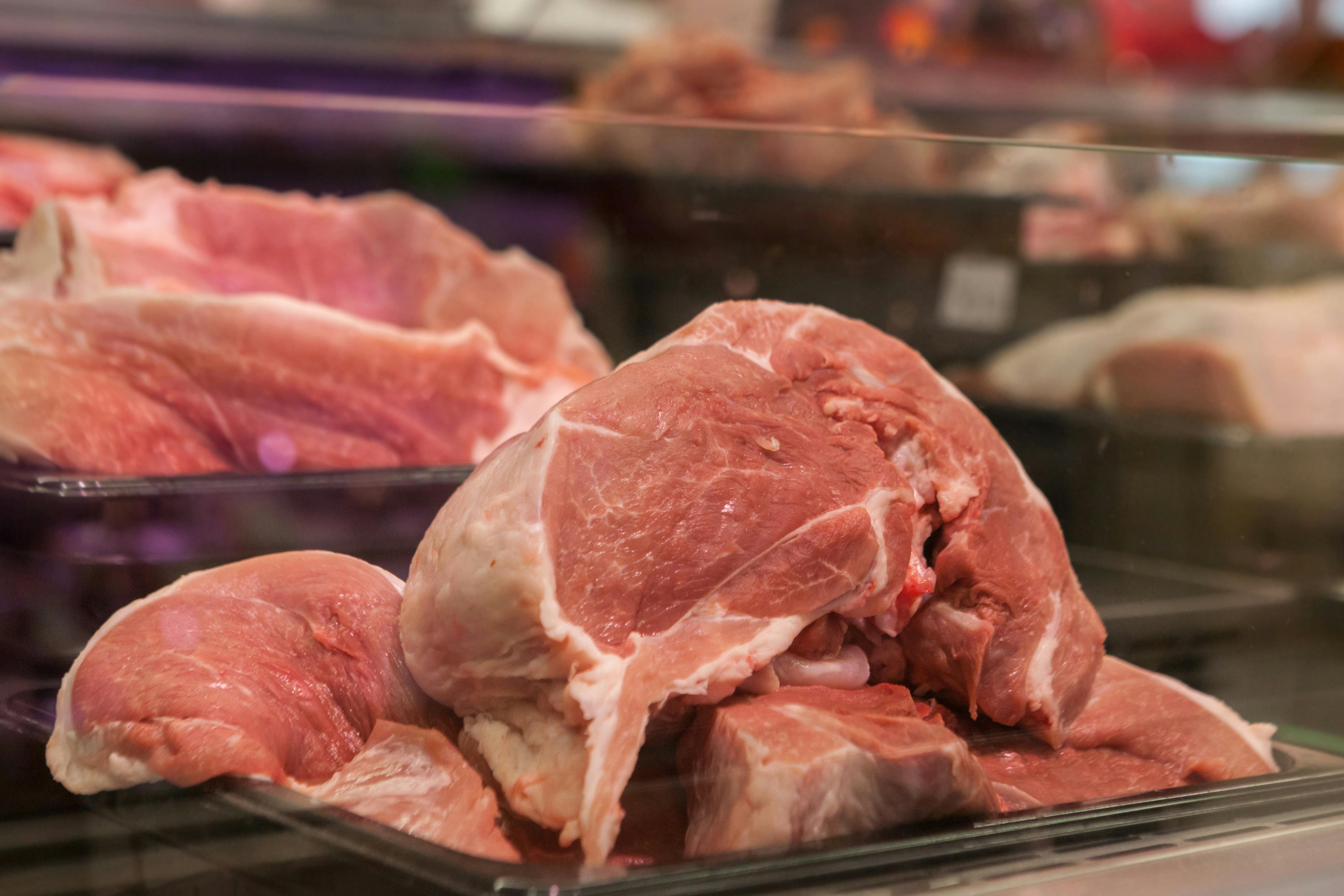
The first mistake is buying by habit instead of by purpose. Many customers walk in asking for sirloin, striploin, chicken breast, or lean ground beef because those names feel safe, not because those cuts best suit the meal they plan to cook.
Butchers across Canada regularly point out that demand crowds around a narrow group of cuts. That popularity drives prices up, while equally flavorful alternatives such as flat iron, bavette, chuck eye, blade roast, or pork shoulder remain overlooked.
This pattern matters because animal muscles do different jobs, and that changes tenderness, fat content, and cooking needs. A cut from a hardworking shoulder will not behave like one from the loin, yet it may deliver better flavour if cooked low and slow.
In other words, shoppers often pay premium prices for convenience and recognition. Butchers argue that once people understand where a cut comes from, they stop buying labels and start buying meat that actually matches how they cook.
The "best" cut depends on the cooking method
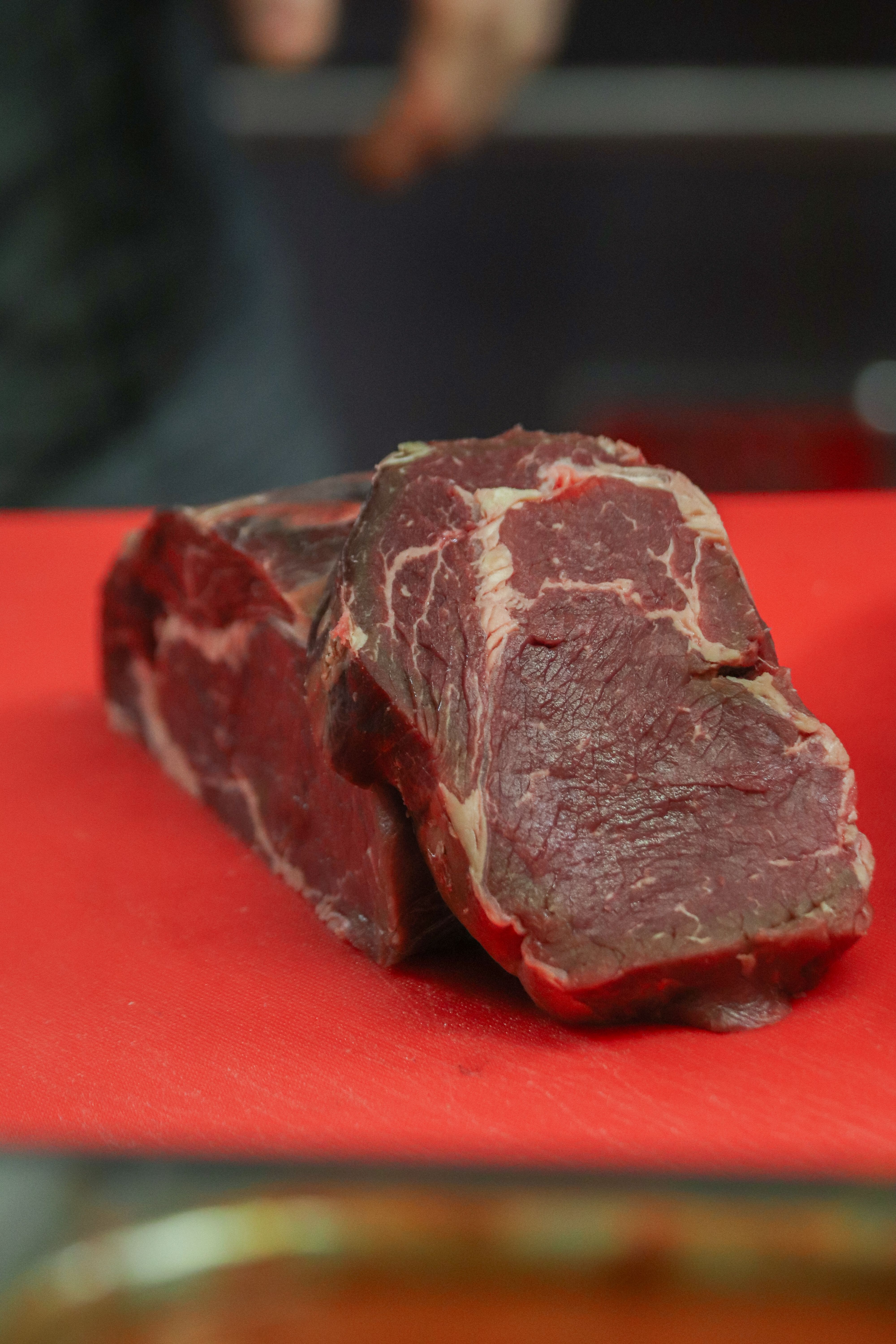
A costly cut is not automatically the right one. Butchers often say the real question is not "What is the best steak?" but "How are you cooking it tonight?" because cooking method determines whether a cut shines or disappoints.
For grilling over high heat, tender cuts from the loin or rib usually perform well because they cook quickly and stay pleasant to chew. For braising, stewing, or smoking, collagen-rich cuts like brisket, shank, chuck, and short ribs often produce deeper flavour and better texture.
A common example is stir-fry. Shoppers may buy premium striploin and slice it too thick, then overcook it. A butcher might instead recommend flank, sirloin tip, or even well-trimmed blade steak cut across the grain, which can work better and cost less.
The same logic applies to pork and lamb. Pork tenderloin is lean and fast-cooking, but shoulder is often the smarter pick for pulled pork, tacos, or roasting. The right cut is the one that suits the pan, not the one with the highest price tag.
Canadian naming can confuse even confident buyers
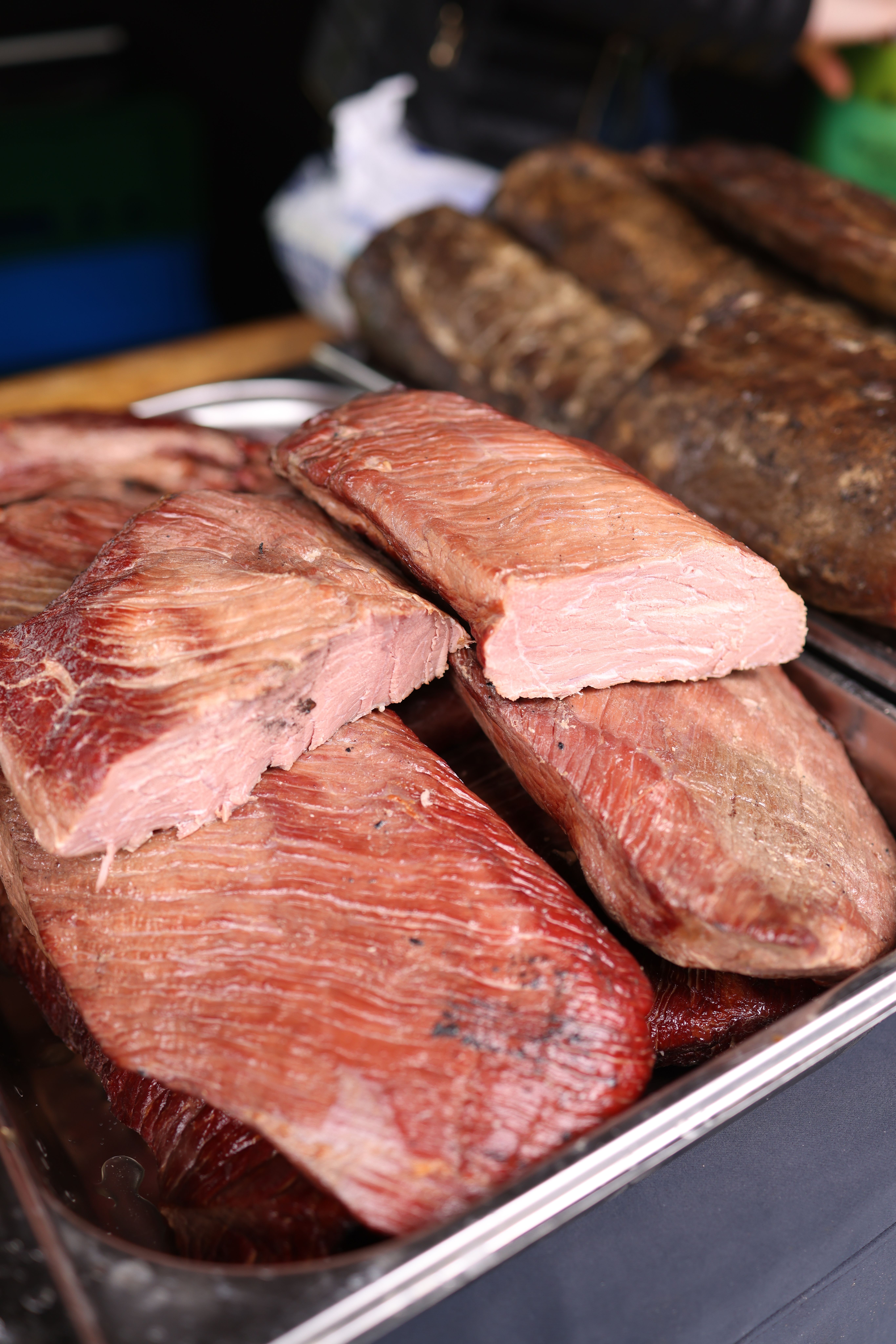
One reason shoppers get tripped up is that meat terminology is not always intuitive. Canadian retail naming can differ by province, by store, and sometimes by the butcher's own training, especially when British, French, and North American traditions overlap.
A blade roast in one shop may be described differently in another. What some customers think of as London broil may refer to a preparation rather than a specific cut. Even ground meat labels can hide important differences in fat level, trim source, and expected texture.
This confusion leads people to default to what they recognize. Butchers say that is understandable, but expensive. Asking where the cut comes from on the animal, whether it is best grilled or braised, and how much marbling it has usually reveals more than the label alone.
Experienced meat cutters often prefer a short conversation over a rushed transaction. In a minute or two, they can steer a buyer away from a dry roast, an overpriced steak, or a cut that needs far more cooking time than expected.
Leaner is not always better eating

Another widespread buying error is chasing the leanest option every time. While lean cuts have their place, butchers consistently note that consumers often confuse "less fat" with "better meat," even though fat plays a major role in moisture, aroma, and overall satisfaction.
Marbling, the fine streaks of fat within muscle, is especially important in beef. It helps protect the meat during cooking and contributes to tenderness and flavour. A very lean steak can seem appealing in the display case, then turn dry and bland on the plate.
The same issue appears in ground meat. Extra-lean ground beef may sound ideal, but for burgers it often cooks up tight and crumbly. Many butchers recommend medium or regular ground beef for better juiciness, provided it is cooked properly and handled safely.
Pork offers another useful example. Modern pork is already much leaner than many people assume, according to Canadian industry data over the past few decades. Choosing a slightly fattier cut like shoulder or rib chop often produces a better meal than relying only on ultra-lean loin cuts.
Value cuts often outperform premium ones
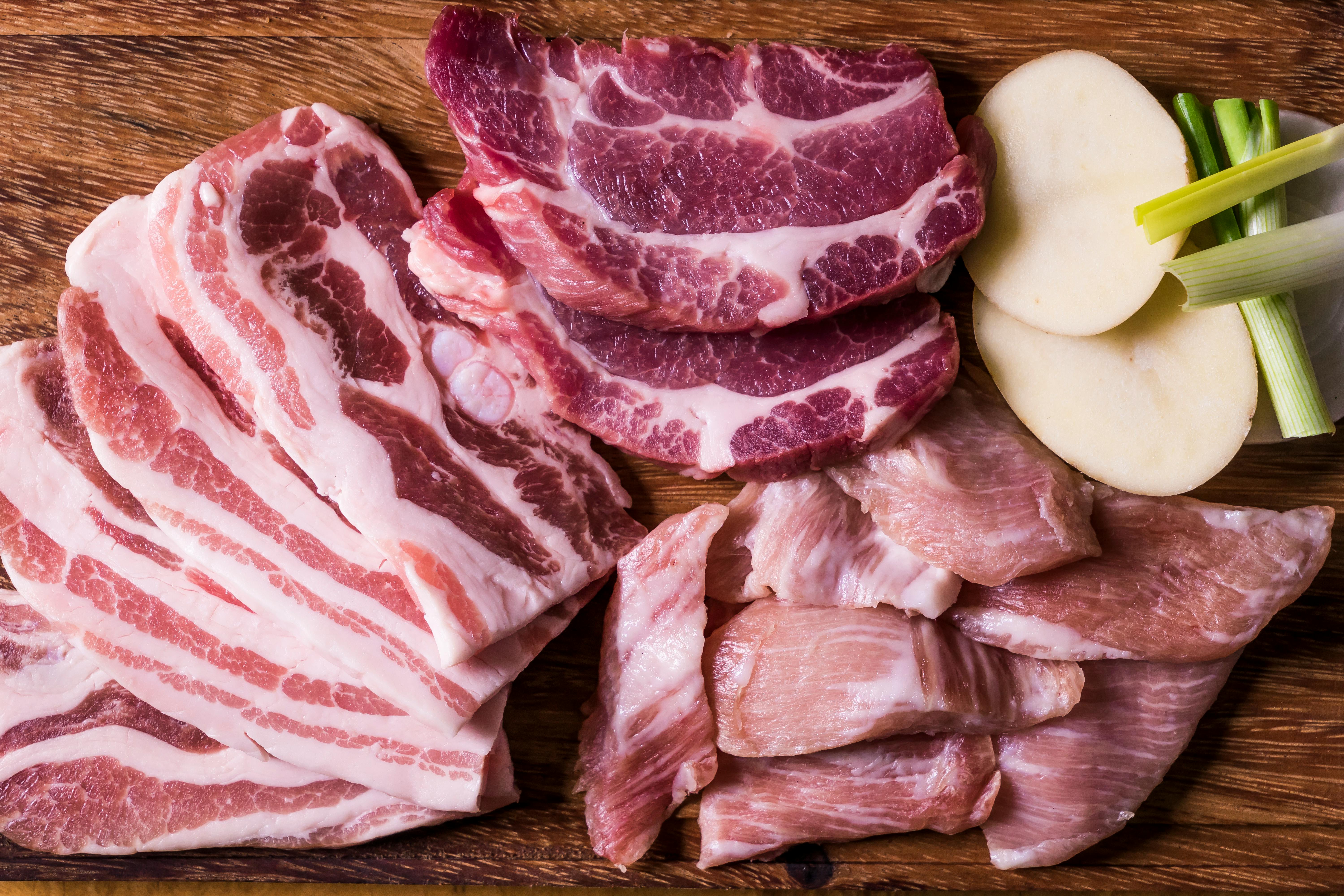
Here is the surprise many butchers love sharing: some of the best meals come from less celebrated cuts. These are often called value cuts, but that term can be misleading because it suggests compromise when it frequently means better flavour for the price.
Beef chuck eye is a classic example. It is sometimes described as a budget-friendly alternative to rib steak because it comes from a nearby area and can offer excellent beefiness. Flat iron, when trimmed properly, is another butcher favourite for tenderness and rich taste.
On the pork side, shoulder steaks, hocks, and belly can deliver exceptional results in the right dishes. Lamb neck and shanks reward patient cooking with deep flavour. Chicken thighs, still overlooked by some breast buyers, remain one of the most dependable bargains in the case.
Canadian butchers often see savvy restaurant buyers snap up these cuts because chefs understand margin and flavour. Home cooks can use the same strategy, building meals around technique instead of prestige and getting better results without spending more.
The smartest shoppers ask better questions

The most successful meat buyers are not experts in every cut. They simply ask direct, practical questions. A good butcher can tell you what is freshest, what is good value this week, how thick to cut it, and whether it needs marinating or slow cooking.
Useful questions include: What would you choose for grilling under 10 minutes? What works for a Dutch oven? Is there a cheaper cut that cooks similarly? Can you trim this differently? Those questions turn the butcher counter into a real service, not just a display.
This approach also reduces waste. Buying the wrong cut can lead to tough steak, dry roast, or leftovers nobody wants. Buying the right cut means better texture, more confidence, and meals that match the budget, which is exactly why butchers keep insisting shoppers rethink old habits.
In the end, Canadian butchers are not saying people buy bad meat. They are saying people often buy the wrong meat for the job, and that small distinction can completely change what ends up on the table.



Leave a Reply