
Names can be deliciously misleading. Few food terms confuse diners more than "Canadian bacon."
The phrase means different things on each side of the border
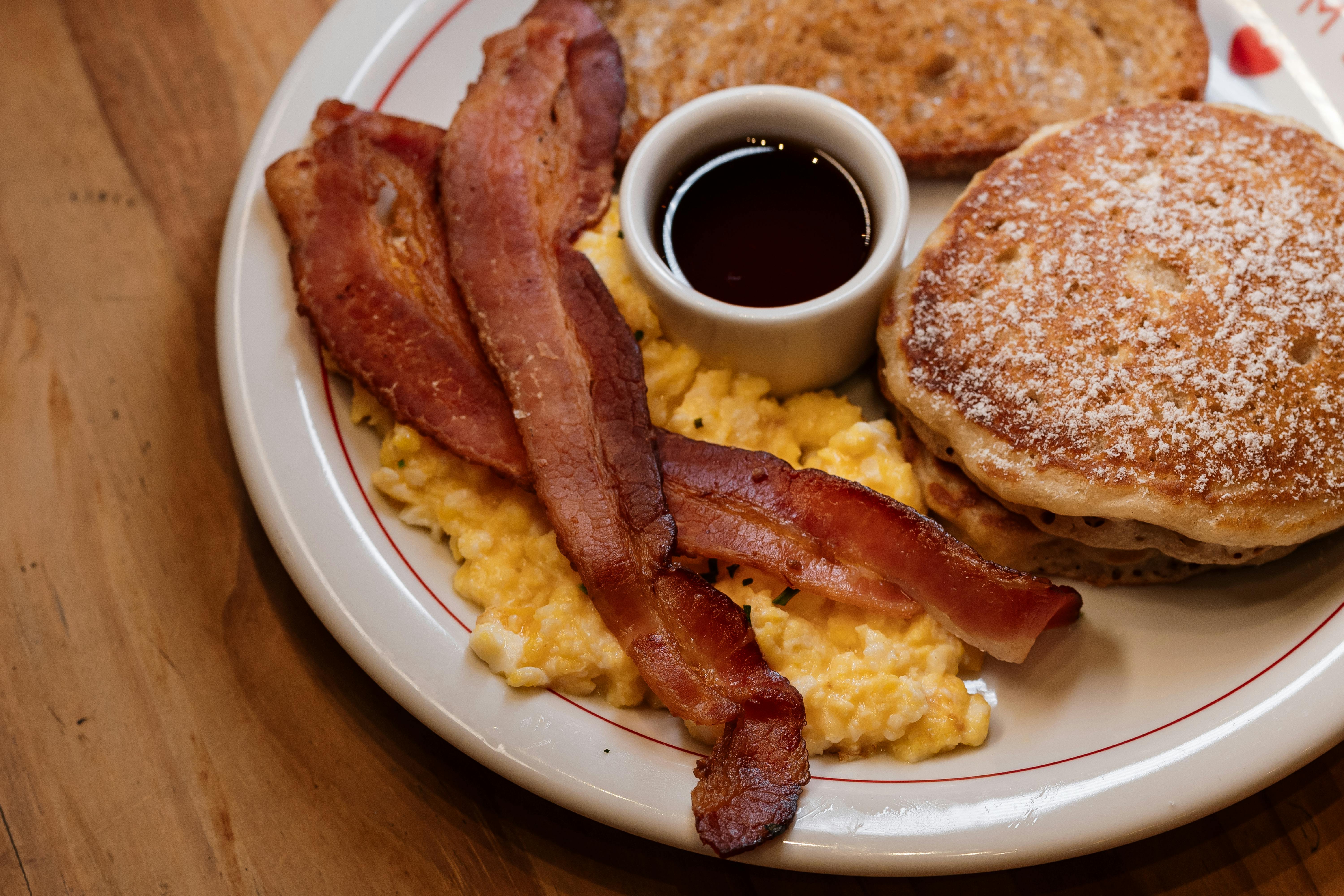
In the United States, Canadian bacon usually means a round, lean slice cut from the pork loin, cured, cooked, and often served on breakfast plates or pizza. It looks more like ham than the streaky strips Americans simply call bacon. That alone creates the first misunderstanding, because the product is not taken from pork belly, which is where standard American bacon comes from.
In Canada, that same item is not typically a daily household staple called "Canadian bacon." Canadians are more likely to identify similar products as back bacon, peameal bacon, or simply ham-like cured pork, depending on the preparation. The naming gap matters because it shows that the term is largely an American label applied to a Canadian-adjacent style rather than a nationally defining food.
Food historians often point out that this is common in culinary language. Dishes can be named for places that popularized them in export markets, not necessarily for what locals call them at home. "Canadian bacon" fits that pattern almost perfectly.
Back bacon, not belly bacon, is the key to the confusion

The real story starts with the cut of meat. Traditional bacon in much of the United States is made from pork belly, which is fattier, streakier, and crispier when fried. Canadian-style bacon, by contrast, comes from the loin along the pig's back, making it much leaner, denser, and more uniform in shape.
That is why many people say it resembles ham. Technically, however, it is not identical to ordinary ham, which often comes from the hind leg and follows a different curing or cooking process. The confusion survives because all three products, bacon, back bacon, and ham, overlap in flavor, saltiness, and breakfast use, even though butchers classify them differently.
In Canada and the United Kingdom, back bacon has long been familiar. It includes the loin and sometimes a small portion of belly attached. American consumers, accustomed to belly bacon, experienced it as a distinct specialty and gave it a national label that stuck.
The "Canadian" label grew out of trade and preservation
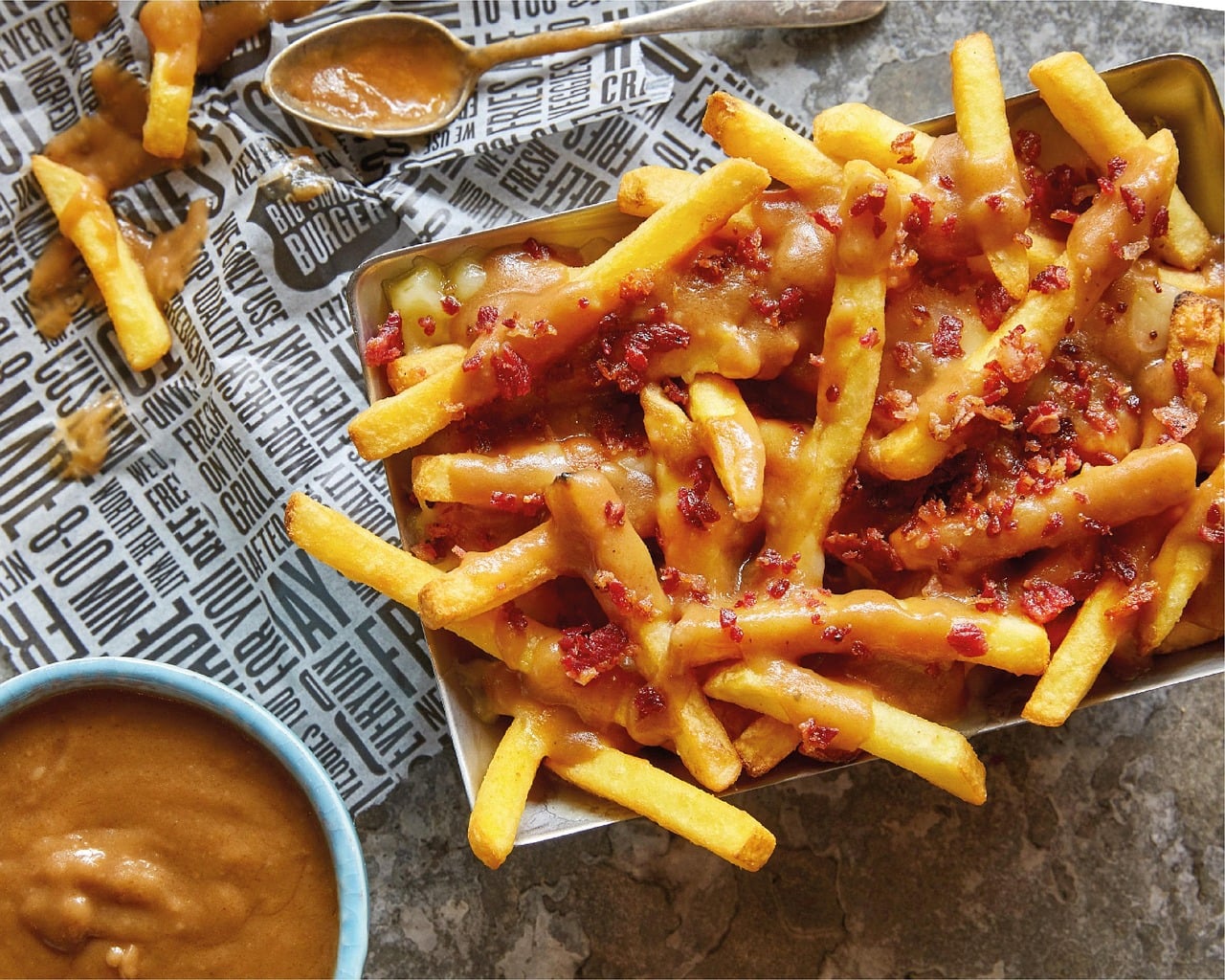
The name traces back to 19th-century trade relationships between Canada, Britain, and the United States. According to widely cited food history accounts, pork packers in Toronto and other Ontario centers exported cured pork products made from the loin. These cuts were valued because they traveled relatively well and appealed to markets that wanted leaner bacon.
One turning point came when Canadian producers began rolling loin cuts in dried yellow peas for preservation, creating what became known as peameal bacon. That coating helped protect the meat before modern refrigeration was common. Even after cornmeal later replaced peameal in many cases, the older name remained, and the broader association with Canadian pork exports stayed alive too.
American buyers encountering imported cured loin products began identifying them by origin. Over time, "Canadian bacon" became a convenient commercial term in the United States, even if it blurred the distinctions among back bacon, peameal bacon, and other cured loin meats.
Peameal bacon is the truly Canadian specialty

If one pork product deserves a distinctly Canadian identity, it is peameal bacon. Developed in Ontario, especially associated with Toronto's St. Lawrence Market tradition, peameal bacon is wet-cured pork loin rolled in a coarse coating. Today that coating is usually cornmeal, though the historic name recalls the original ground peas once used in processing.
This product is different from the fully cooked, smoked rounds many Americans picture. Peameal bacon is generally unsmoked and sold as a coated loin roast or sliced cut that must be cooked. Its flavor is mildly salty and pork-forward, without the pronounced smokiness that defines many U.S. supermarket versions of so-called Canadian bacon.
That distinction is crucial. Many Canadians would recognize peameal bacon as culturally specific in a way "Canadian bacon" is not. In other words, the truly Canadian item exists, but Americans often use the wrong name for a different, more standardized product.
Restaurants and pizza chains cemented the modern myth
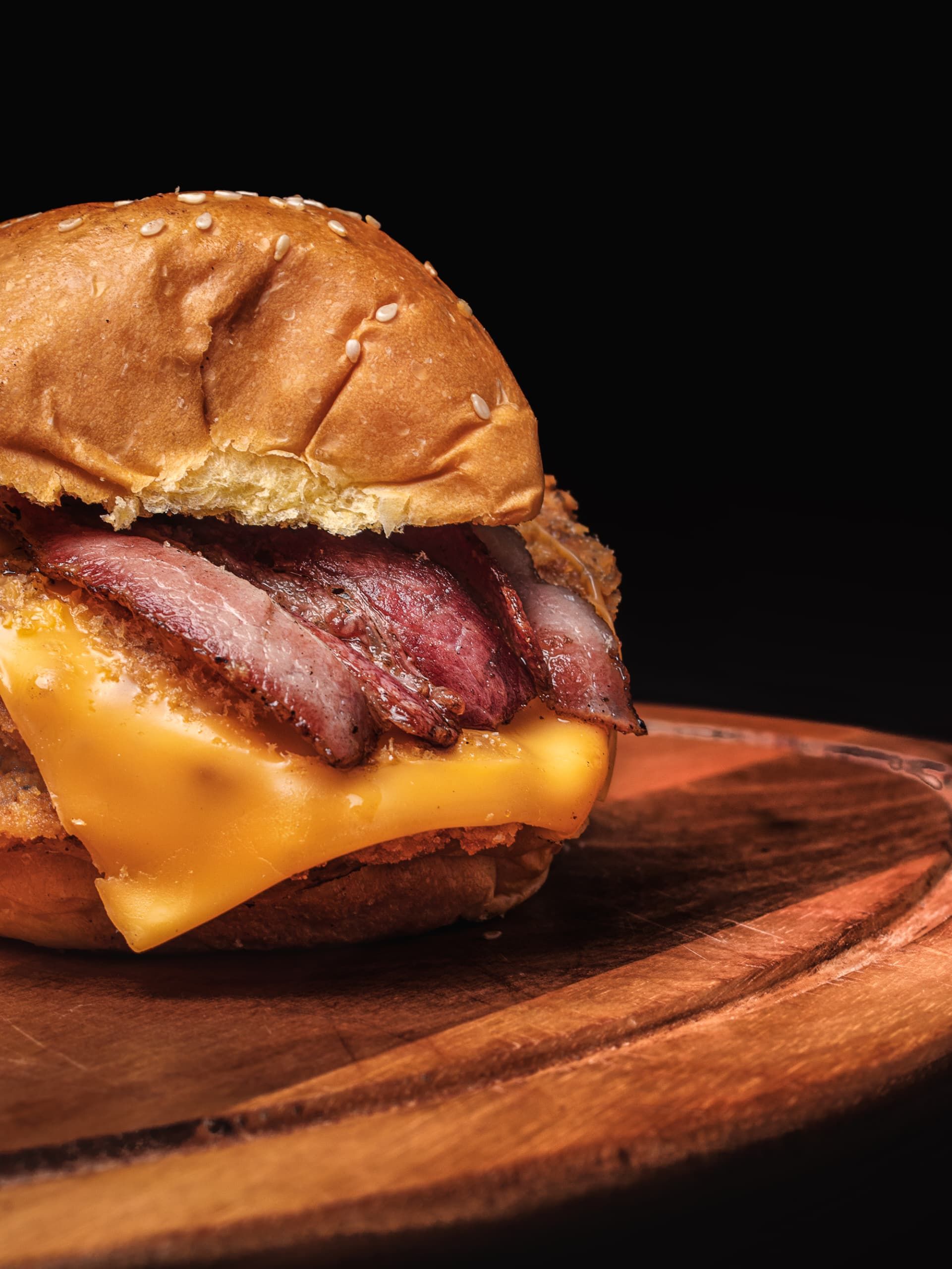
The term survived because menus made it useful. American restaurants needed a simple phrase to distinguish lean cured pork slices from standard bacon, and "Canadian bacon" did the job quickly. Breakfast diners, hotel buffets, and especially pizza chains repeated the phrase so often that it became part of everyday food vocabulary.
The most famous example is the Hawaiian pizza debate. In the United States, menus commonly describe the topping as Canadian bacon with pineapple. In Canada, however, the same topping may simply be called ham. That difference shows how strongly the term belongs to American food culture, even when attached to a pizza famously created in Ontario by Greek-born restaurateur Sam Panopoulos.
Mass food production reinforced the label. Processors packaged uniform, round loin slices under that name for supermarkets, school cafeterias, and chain restaurants. Once consumers learned the phrase through repeated exposure, accuracy mattered less than recognition.
What the name really tells us about food culture

"Canadian bacon" is best understood as a marketing and cultural shorthand, not a precise national truth. It points to a lean cured pork tradition linked to Canada, especially Ontario, but it does not describe what most Canadians regularly call or uniquely claim as their own. The phrase is real, but its meaning is shaped more by cross-border perception than by domestic Canadian usage.
This kind of linguistic drift happens everywhere in food. Labels become fixed through trade, migration, and restaurant habits, then outlive the original context. According to culinary historians, those names often reveal how consumers imagine a place, not how that place names itself.
So the real story is not that Canadian bacon is fake. It is that the term compresses a much more complicated history involving butchery, preservation, commerce, and branding, all wrapped into two familiar words.




Leave a Reply