
Few trade relationships are as practical, and as risky, as this one. Canada's seafood sector is built for global markets, yet it leans on the US more heavily than most Canadians realize.
Geography gives seafood a natural path south
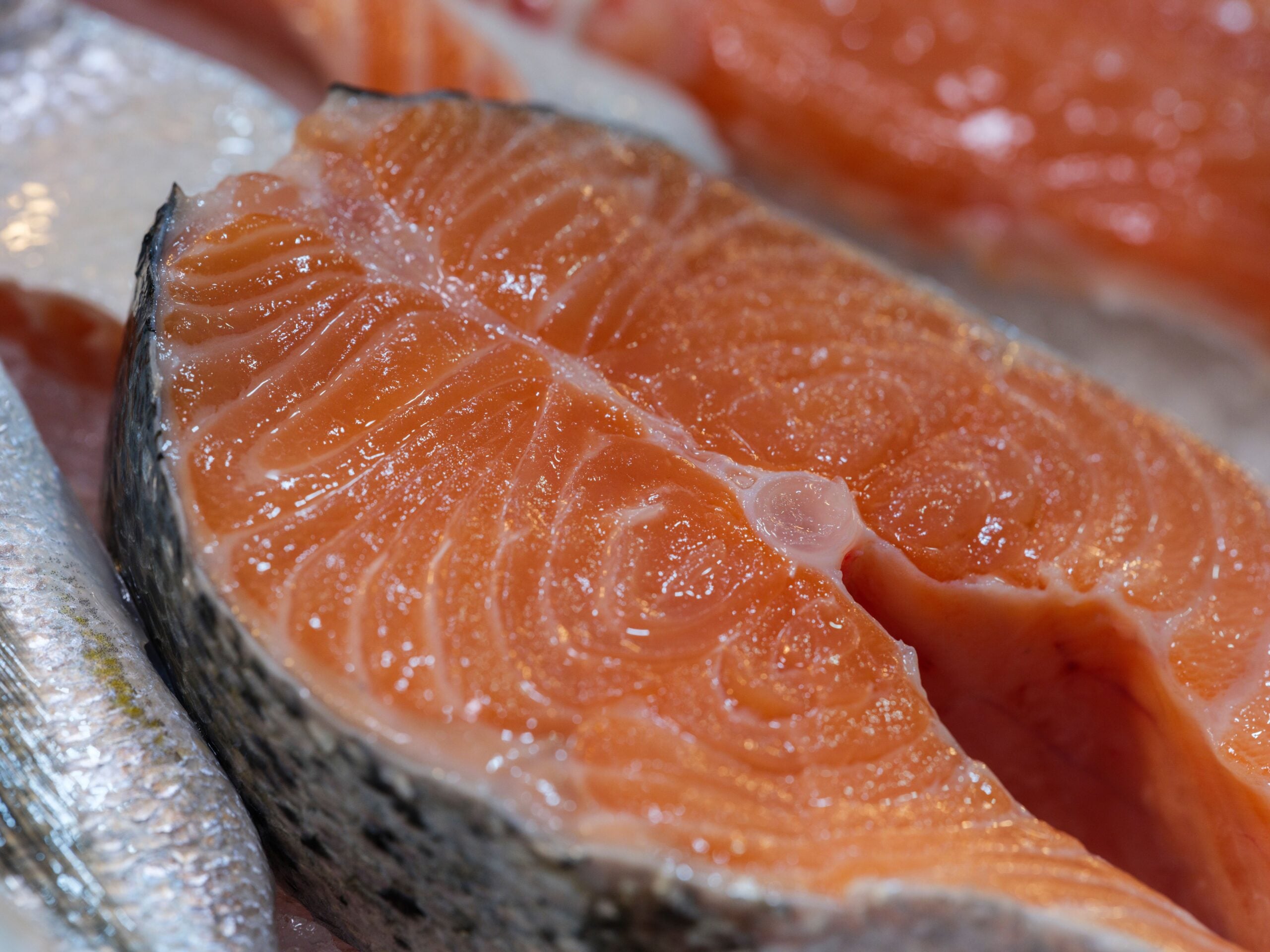
Freshness shapes everything in seafood. Lobster, crab, salmon, scallops, shrimp, and other high-value products lose value quickly if transport is slow, which gives the nearby US market an enormous advantage over Europe or Asia.
Canada's Atlantic provinces can truck live lobster and chilled shellfish into New England and beyond in very short order. On the Pacific side, salmon and other species move easily into west coast American distribution hubs. That kind of proximity matters more for seafood than for many shelf-stable food exports.
Distance also affects cost. Refrigerated trucking, cold storage, ice, packaging, and air freight all add up fast, so a shorter route protects margins for harvesters, processors, and exporters.
Because seafood often competes on quality as much as volume, getting product to buyers quickly can be the difference between premium pricing and a discount sale. The US is simply the easiest big premium market next door.
Consumer demand in the US is deep and predictable

The US does not just buy Canadian seafood. It buys it at scale, across restaurants, grocery chains, wholesalers, cruise suppliers, and premium fish counters, creating a broad customer base that few other countries can match.
American consumers are especially important for Canadian lobster and snow crab. In many seasons, the US acts as both a final destination and a redistribution center, where imported Canadian seafood is processed, sold domestically, or shipped onward through established trading networks.
That matters because seafood producers need dependable volume. A market with many buyers reduces the risk of relying on one narrow channel, and the US has the population, income levels, and food service demand to absorb expensive products consistently.
Other food exports, including grains, oilseeds, and processed foods, can often diversify more easily across bulk commodity markets. Seafood, especially premium and perishable seafood, depends more on relationships with buyers who understand quality, seasonality, and logistics.
Trade systems make cross-border seafood unusually efficient
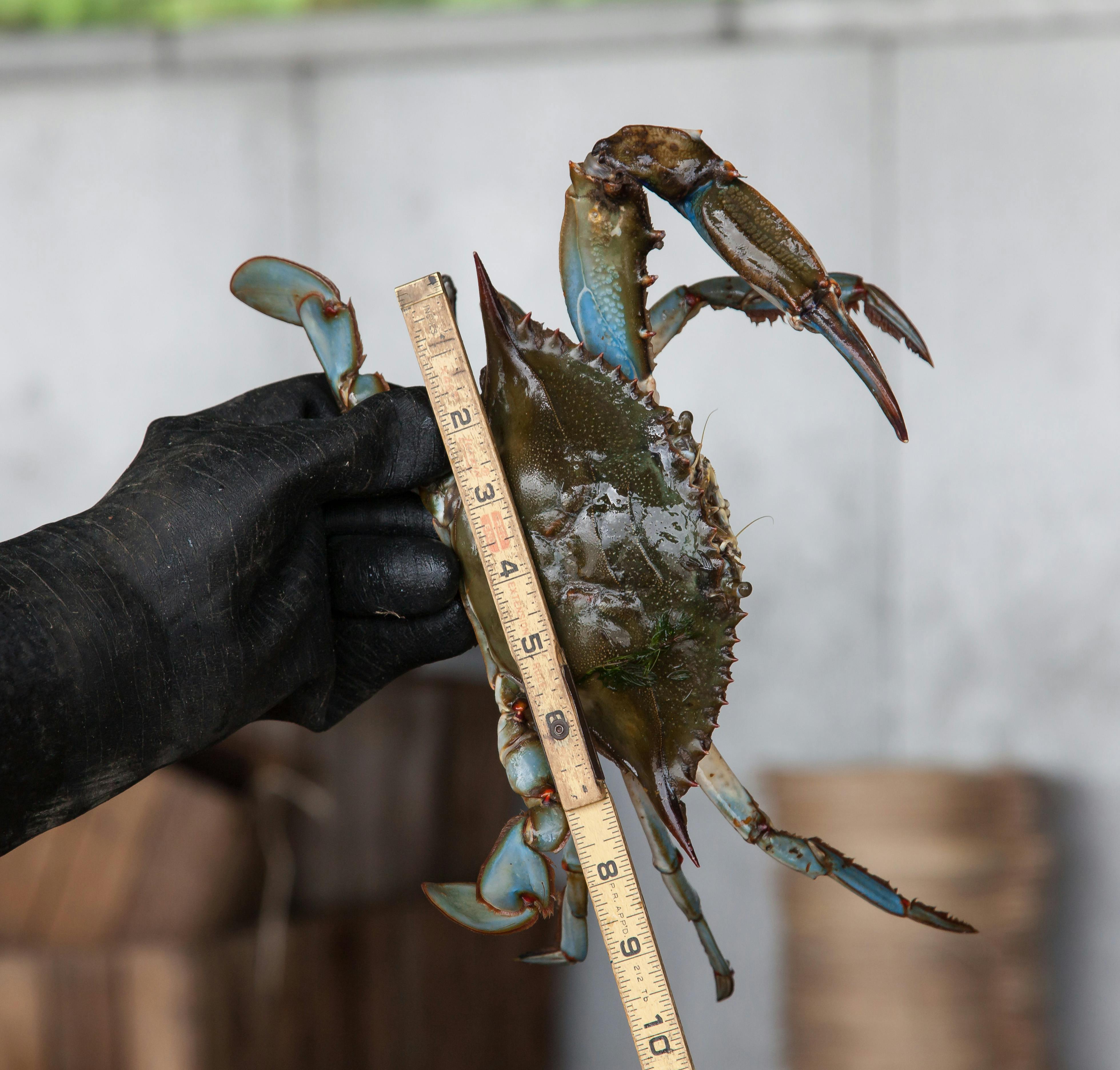
Trade dependence is not just about demand. It is also about systems, and Canada and the US have spent decades building integrated customs, inspection, transport, and commercial networks that make seafood trade far more efficient than many overseas alternatives.
Under North American trade rules, much of this commerce moves with lower friction than it would in more distant markets. Exporters understand American labeling, food safety standards, buyer specifications, and border procedures, which lowers administrative costs and shipment risk.
That familiarity is a major advantage in an industry where timing is critical. A customs delay for auto parts is one problem. A delay for live lobster or fresh halibut can destroy value immediately.
Processing integration adds another layer. Some seafood is landed in Canada, processed or repacked in the US, then sold into retail or food service systems there. That cross-border supply chain is tighter than what exists for many other Canadian food categories.
The risks of dependence are real and growing
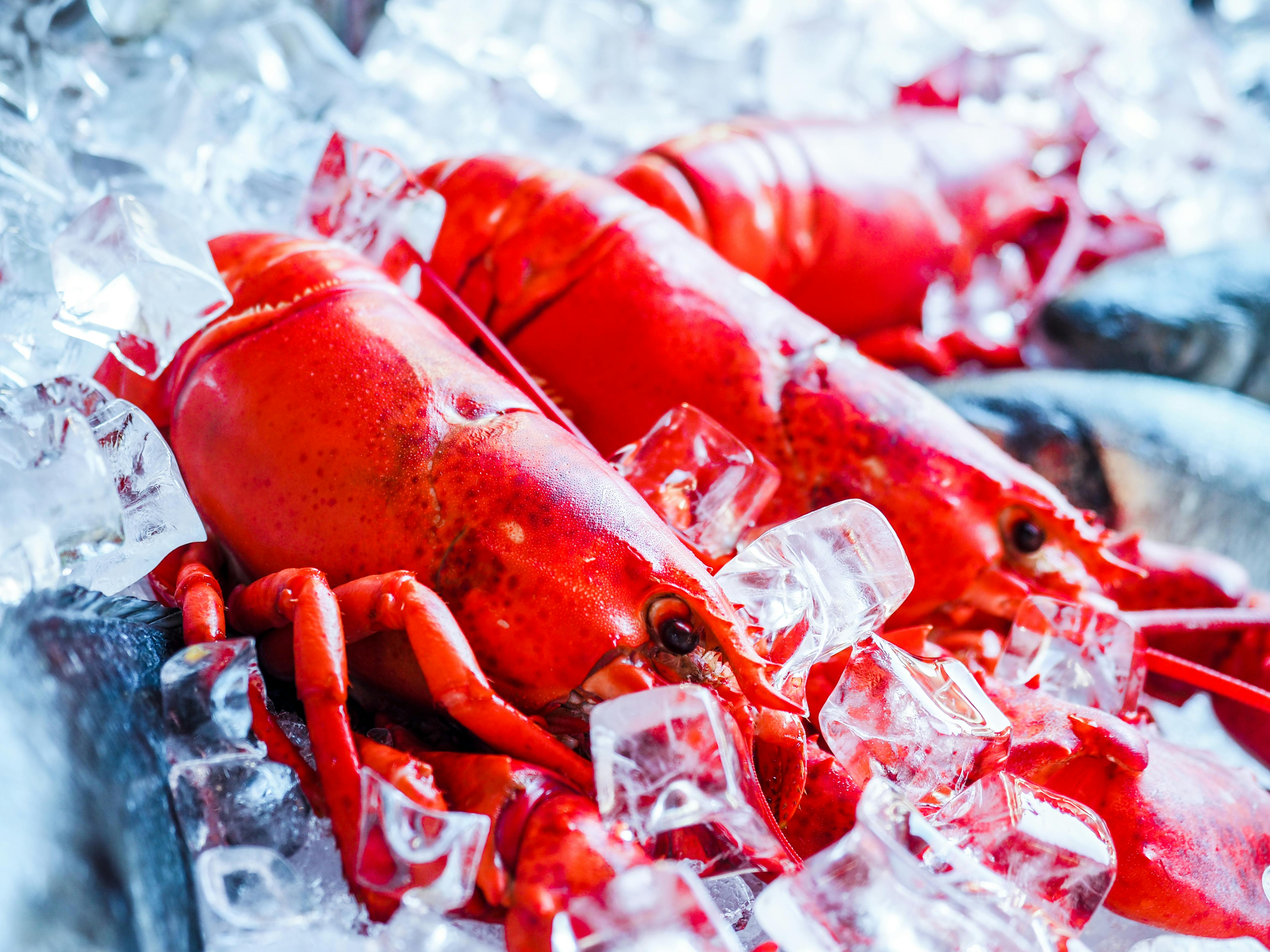
A strong nearby customer can become a vulnerability. When the US economy slows, restaurant traffic weakens, or buyers cut premium purchases, Canadian seafood exporters can feel the shock quickly, especially in lobster and other discretionary categories.
Trade policy can also disrupt the market. Tariff disputes, food inspection changes, country-of-origin labeling debates, or tighter border enforcement can ripple through the industry even if the product itself remains popular.
Currency swings add another layer of exposure. A weaker Canadian dollar can help exporters temporarily, but exchange-rate volatility makes planning harder for processors signing contracts, buying fuel, hiring labor, and financing inventory.
Climate and biology matter too. If catch levels, ocean conditions, or season timing change, companies already concentrated in one major export market have less room to absorb the shock. Heavy reliance on the US magnifies every operational challenge.
Diversification is possible, but it is not simple

Canadian governments and industry groups have long tried to diversify seafood exports toward China, Japan, South Korea, and Europe. There has been progress, especially for species like lobster, geoduck, and high-end salmon, but replacing the US at scale is another matter entirely.
Building new markets takes years. Exporters need trusted distributors, local marketing, stable cold-chain infrastructure, language-specific packaging, and confidence that political relationships will remain steady enough to support long-term business.
The lesson is not that dependence on the US is irrational. In many ways it is the most logical outcome of geography, logistics, buyer demand, and deeply integrated trade systems that reward speed and reliability.
But logic does not remove risk. Canada's seafood industry depends more on the US than almost any other food export category because seafood is unusually perishable, premium-priced, and logistics-sensitive, and that makes proximity more powerful than almost anything else.




Leave a Reply