
The outbreak sounds alarming. But a border-wide import ban is not how food safety systems usually respond when the evidence is still being narrowed down.
Public health action starts with evidence, not fear

The first thing to understand is that cyclosporiasis investigations are often slow and complex. The illness is caused by the parasite Cyclospora cayetanensis, and people can become sick days or even weeks after eating contaminated food. That gap makes it hard for investigators to pinpoint one product, one farm, or one shipment with confidence.
Canadian officials generally do not ban all produce imports simply because the US is reporting cases. They look for concrete links between illnesses and a specific imported item, region, grower, or distributor. Without that level of proof, a blanket measure would be broader than the evidence supports and could remove many safe products from the market.
The US outbreak does not automatically mean the same risk in Canada
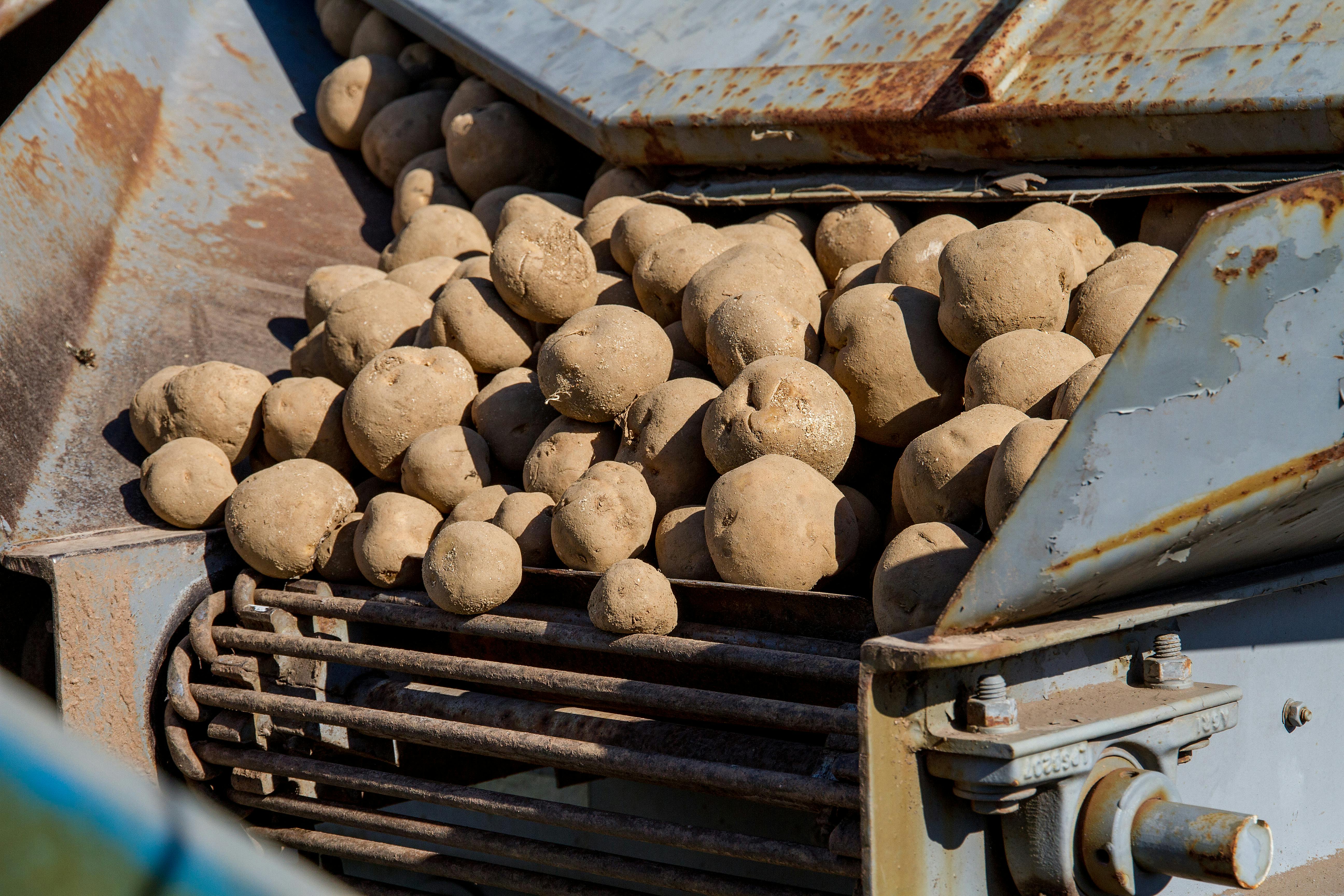
An outbreak in one country does not always translate into the same exposure pattern in another. Produce supply chains are highly segmented, and the tomatoes, cilantro, lettuce, or berries sold in US stores may come through different importers, packing houses, and distribution routes than the products sold in Canada. Even when the source country is the same, the actual shipments can be different.
That distinction matters because Canada's food safety system assesses risk based on products entering the Canadian market, not only on headlines from abroad. If Canadian investigators have not identified the same contaminated lot or supplier in domestic commerce, a national ban would be difficult to justify. Regulators are expected to act proportionately, matching the response to the verified level of Canadian risk.
Canada has other tools that are more precise than a ban
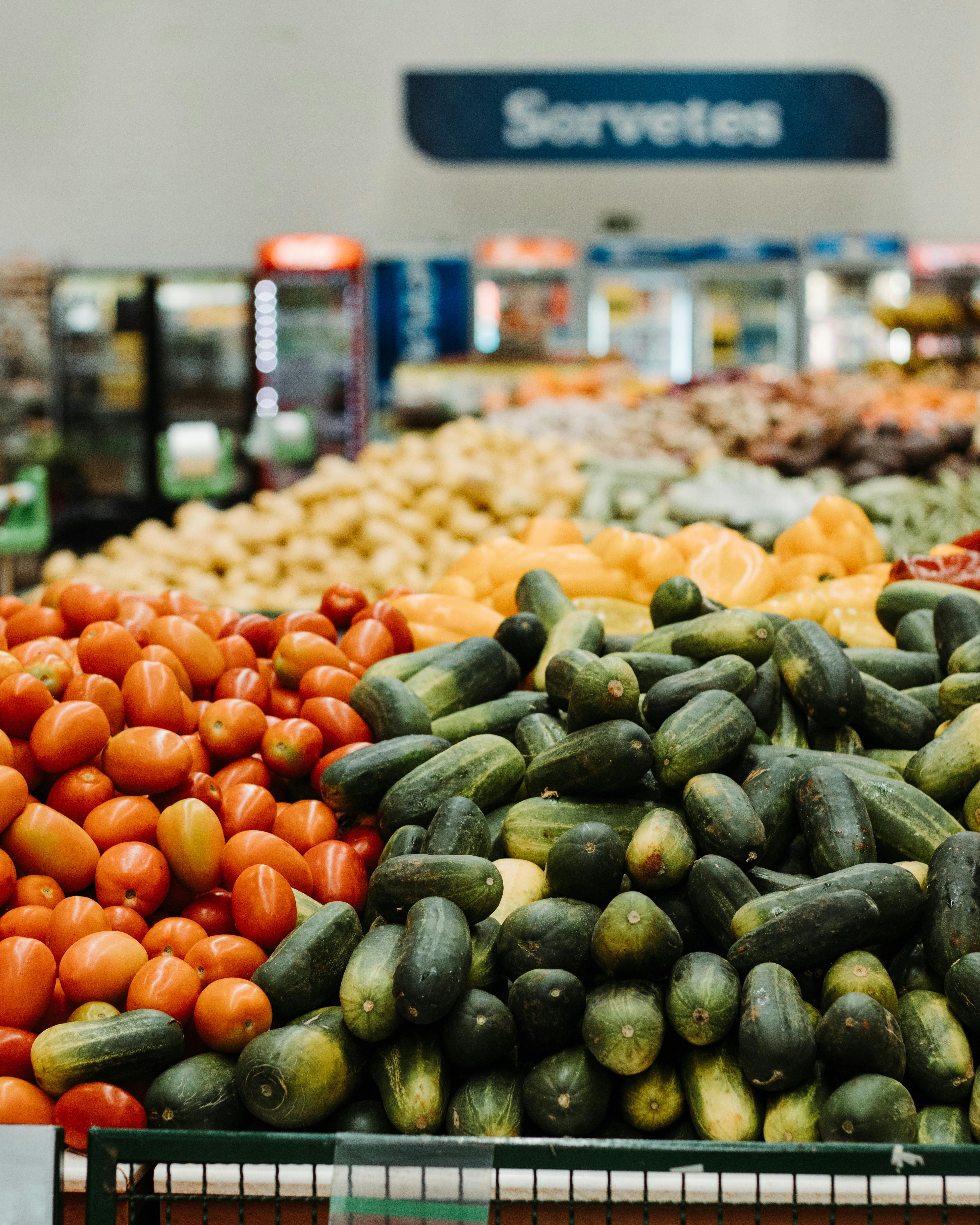
A full import ban is one of the bluntest tools available, and food regulators usually prefer narrower interventions first. The Canadian Food Inspection Agency can work with importers, detain shipments, increase inspections, request records, and support targeted recalls when a specific product is implicated. Public health agencies can also issue consumer warnings while tracebacks continue.
This targeted approach is common in produce-linked outbreaks because contamination is often tied to a limited window, a small number of lots, or a particular supplier. According to standard food safety practice in North America, traceability and lot-level controls are essential for keeping risky products out while allowing unaffected supply to continue. That reduces disruption for consumers, retailers, and farmers without weakening protection.
Cyclosporiasis is serious, but produce bans are hard to sustain

Cyclospora can cause prolonged diarrhea, fatigue, loss of appetite, cramping, and weight loss, and some people need medical treatment. Even so, the parasite presents a regulatory challenge because it cannot be eliminated the way some bacterial risks can. Washing fresh produce may reduce dirt, but it does not reliably remove all contamination, which is why prevention and source identification are so important.
Still, broad import bans can create unintended consequences. They can disrupt food availability, raise prices, strain trade relations, and shift attention away from the specific contamination pathway that needs fixing. If authorities ban a wide category without identifying the true source, contaminated product could still be missed if it enters through another channel or is mislabeled in commerce.
Trade rules and scientific standards also shape Canada's response

Canada's decisions are not made in a vacuum. As a major trading nation, it is expected to base import restrictions on science, documented risk, and proportionality. In practical terms, that means regulators need evidence showing that a product entering Canada poses a demonstrable hazard before imposing a sweeping ban that affects cross-border commerce.
This principle is not about protecting trade over health. It is about making sure emergency measures are defensible and effective. If Canada were to block all produce from a country or category without sufficient evidence, the move could be challenged as excessive and could undermine confidence in future health orders. Strong public health action is usually strongest when it is specific, explainable, and evidence-based.
What Canadians should watch for now
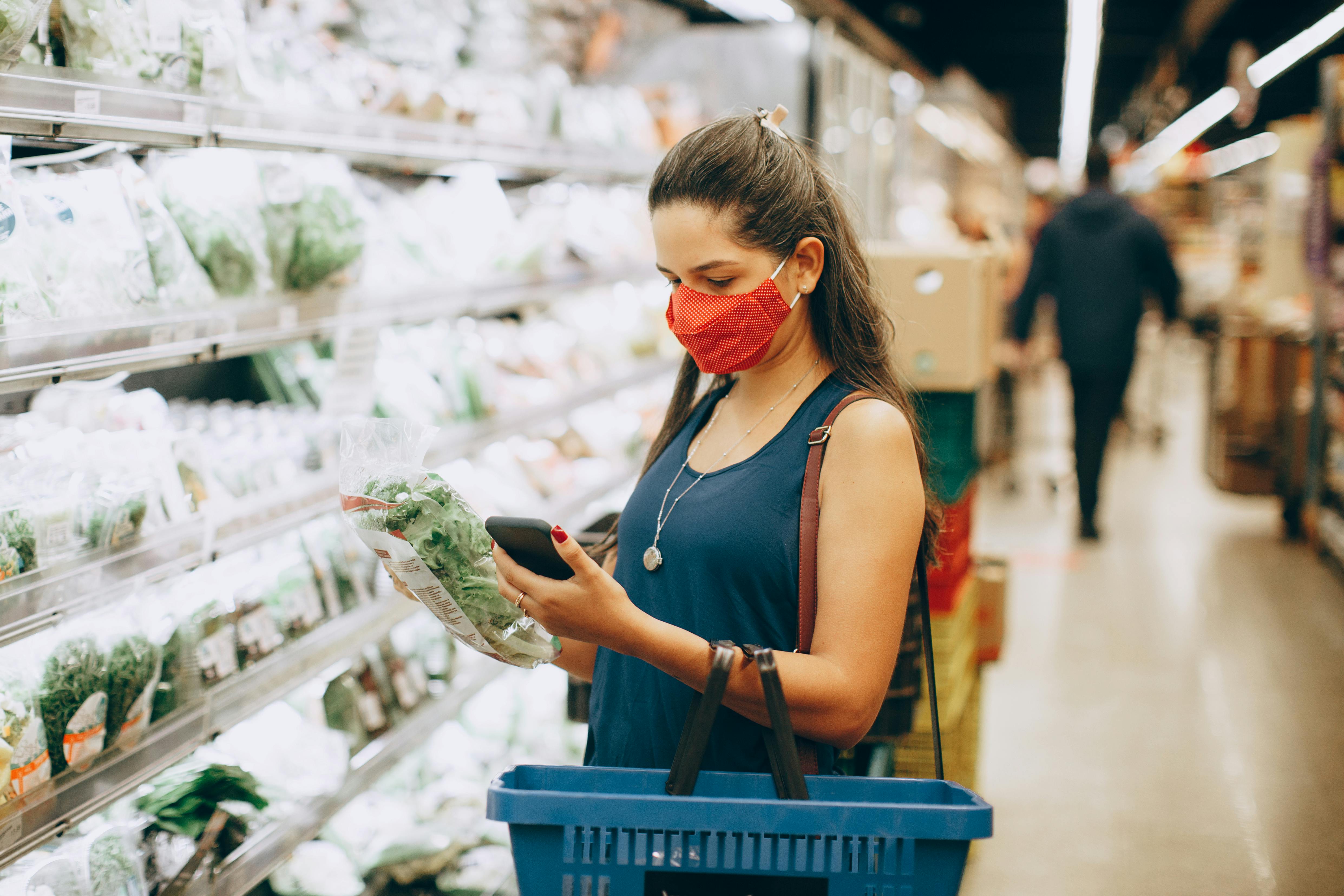
For consumers, the most important point is that no broad ban does not mean no action. It means authorities are relying on surveillance, traceback work, import controls, and recall powers to manage the threat with more precision. If a product sold in Canada is linked to illness, officials can escalate quickly with public notices and removal from shelves.
People should watch for updates from Canadian health authorities and retailers, especially during the summer months when cyclosporiasis cases often rise. If someone develops persistent diarrhea after eating fresh produce or traveling, medical advice matters because the illness can linger without treatment. For now, Canada's position reflects a standard public health calculation: target the proven risk rather than shut down an entire produce stream.




Leave a Reply