
A wedding meal can look equally elegant whether guests are served at the table or invited to a buffet. The difference is that one format usually asks far less of your budget.
Labor is usually the biggest reason buffets cost less

The clearest savings show up in staffing. A plated dinner needs servers to carry each course to every seat, clear plates in waves, refill bread and water, and coordinate timing table by table. That labor adds up quickly, especially for weddings with 100 guests or more.
With a buffet, the service model is leaner. Caterers still need cooks, setup crews, and attendants to keep the line tidy, but they usually need fewer floor staff overall. Many catering companies price labor separately, and this is where couples often see a meaningful chunk of that 25% gap.
In practical terms, a plated dinner may require one server for every 10-15 guests, while a buffet can work with fewer. That lower headcount also reduces payroll taxes, gratuity calculations, and overtime risk if the reception timeline runs late.
Buffets simplify kitchen timing and reduce production pressure
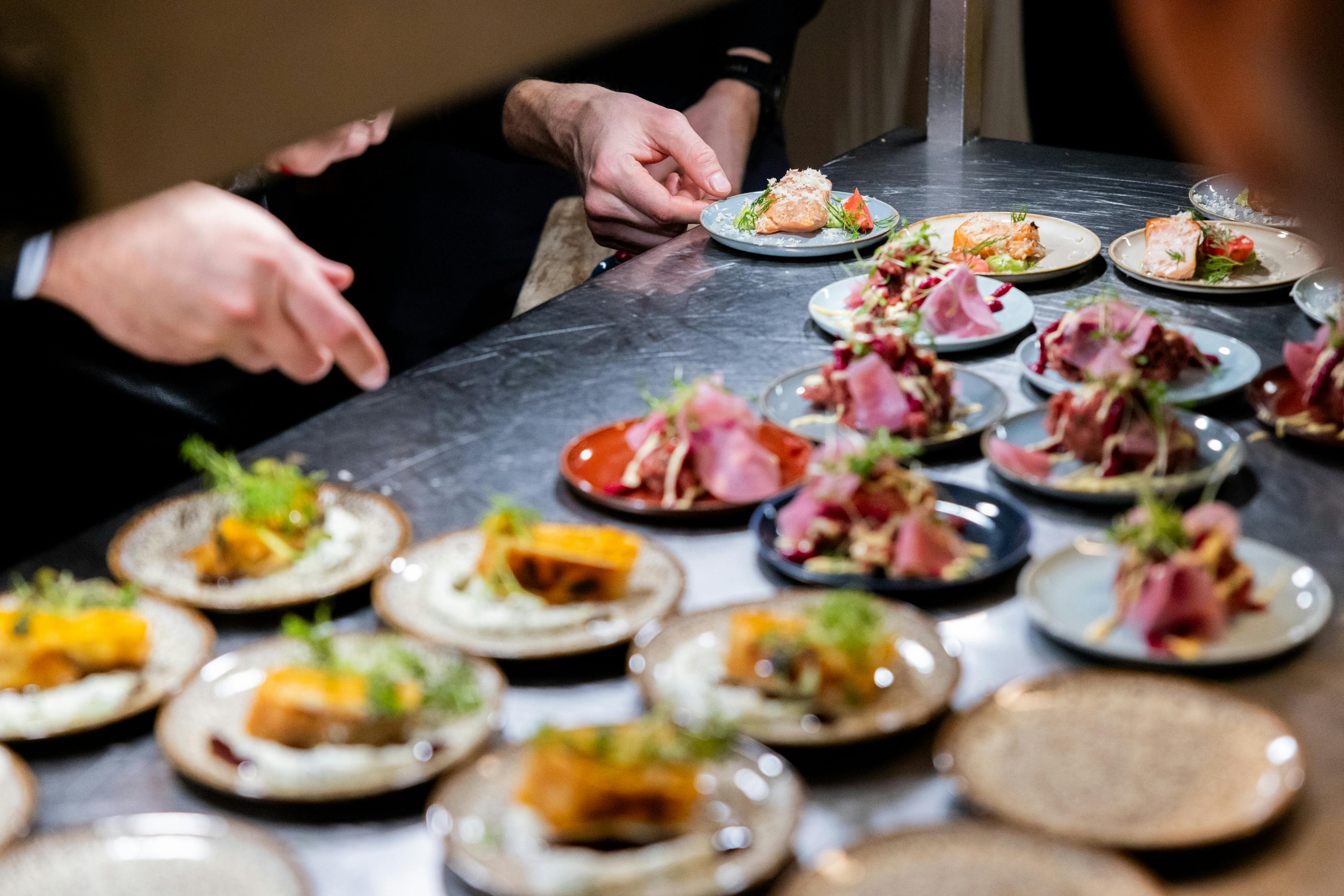
A plated event puts enormous pressure on the kitchen because dozens or even hundreds of plates must leave at nearly the same time. Every protein, starch, sauce, and garnish has to be portioned consistently and held at the right temperature. That precision demands more cooks, more expediters, and tighter coordination.
Buffets are more forgiving operationally. Food can be prepared in larger batches and replenished steadily rather than assembled plate by plate. That reduces last-minute assembly work and lowers the chance of expensive service delays.
Caterers value this flexibility because it helps them use staff and equipment more efficiently. In busy wedding seasons, simpler production can translate into lower quoted prices, especially when the caterer is handling multiple events in a single weekend.
Menu design is often more cost-efficient in a buffet format
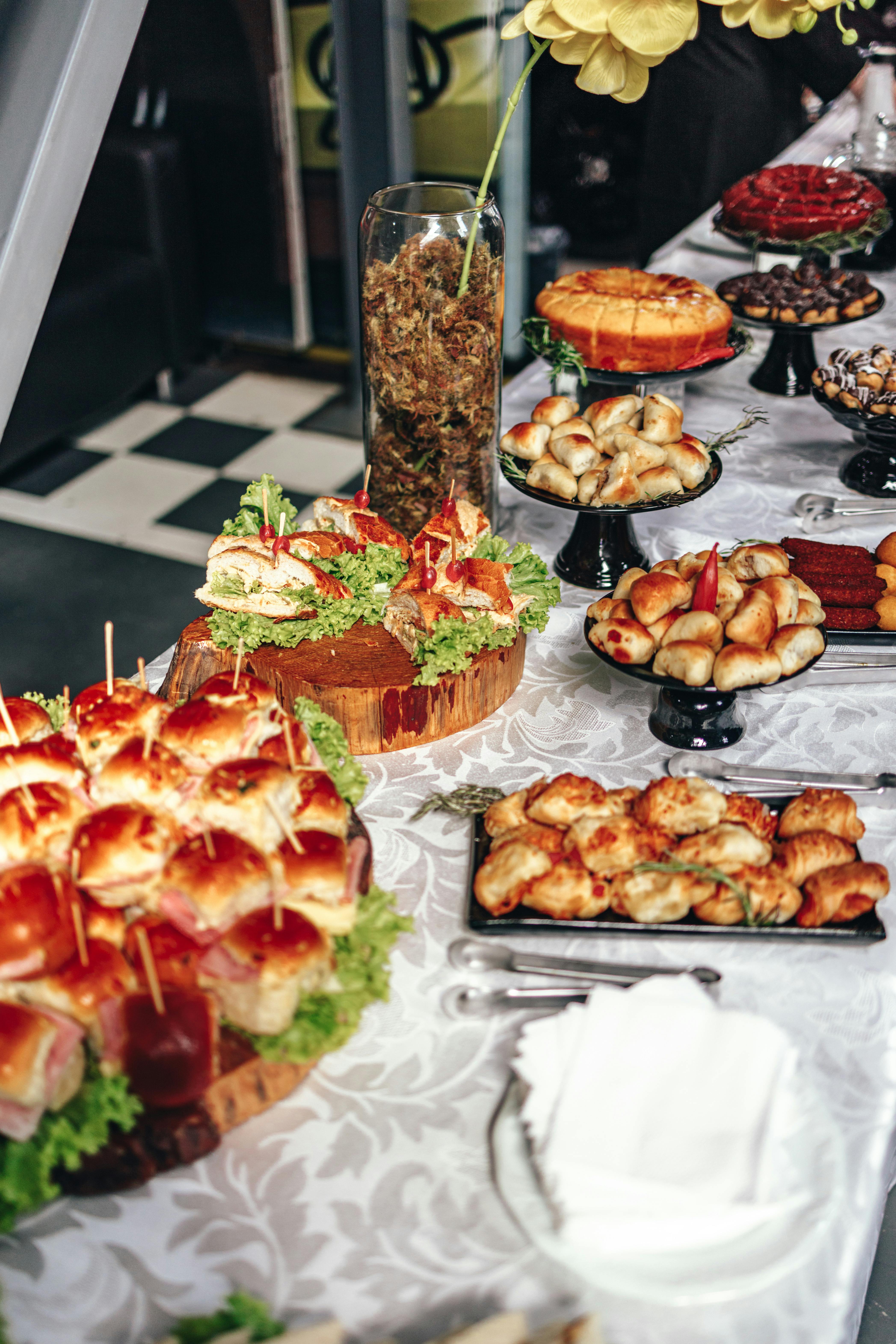
Here is where many couples are surprised. Plated dinners usually require a fully composed entrée for every guest, often including a protein, starch, vegetable, bread service, and sometimes a starter. Presentation matters, so caterers must plan every plate to look complete and uniform.
Buffets allow more strategic menu engineering. Dishes like braised chicken, pasta, roasted vegetables, rice pilaf, seasonal salads, and carved meats can feed many people well without the cost of individually built plates. Less intricate plating also means less waste in garnishes and fewer labor-heavy finishing touches.
This format also helps caterers lean on seasonal ingredients and crowd-friendly items that hold well. That can lower food cost without making the menu feel basic, which is why many well-reviewed wedding caterers recommend buffets for value-conscious receptions.
Rentals and table settings can be simpler and cheaper
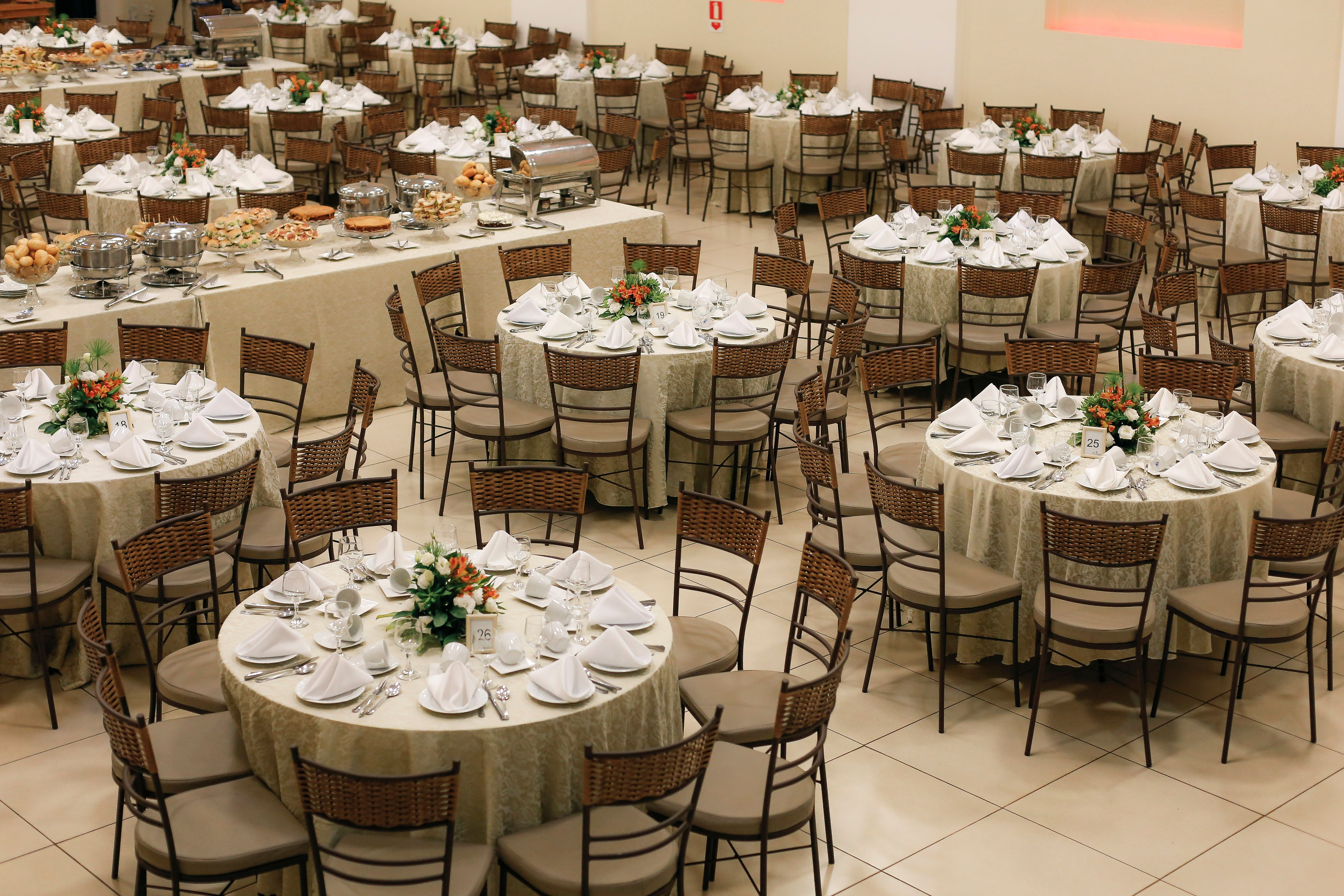
A plated dinner often increases rental needs in subtle ways. If the meal includes multiple courses, couples may need extra china, specialty flatware, charger plates, bread plates, or additional glassware. More courses also create more clearing and resetting during service.
Buffets can trim those requirements. Many events still use real china and polished flatware, but the overall setup is often less layered and easier to manage. That can reduce rental invoices, dishwashing volume, and breakdown time after the event.
The savings become more noticeable when venues charge separately for handling rentals or when caterers bill for post-event cleanup labor. Even small reductions per guest can add up fast across a large wedding count.
Buffets can lower waste, even when portions look generous

At first glance, buffets seem like they would create more waste because guests serve themselves. In reality, plated dinners can be surprisingly inefficient when every plate receives the same portion regardless of appetite, dietary restrictions, or whether a guest even likes that entrée.
Buffets let guests choose what they want and skip what they do not. That often means less untouched food returning to the kitchen or being scraped into trash bins. Experienced caterers also monitor line behavior and refill popular dishes in smarter increments.
There is another financial advantage here. When caterers can predict actual consumption more accurately over time, they can order more efficiently, reduce overproduction, and keep quotes more competitive without sacrificing guest satisfaction.
The 25% savings is real, but it depends on the wedding
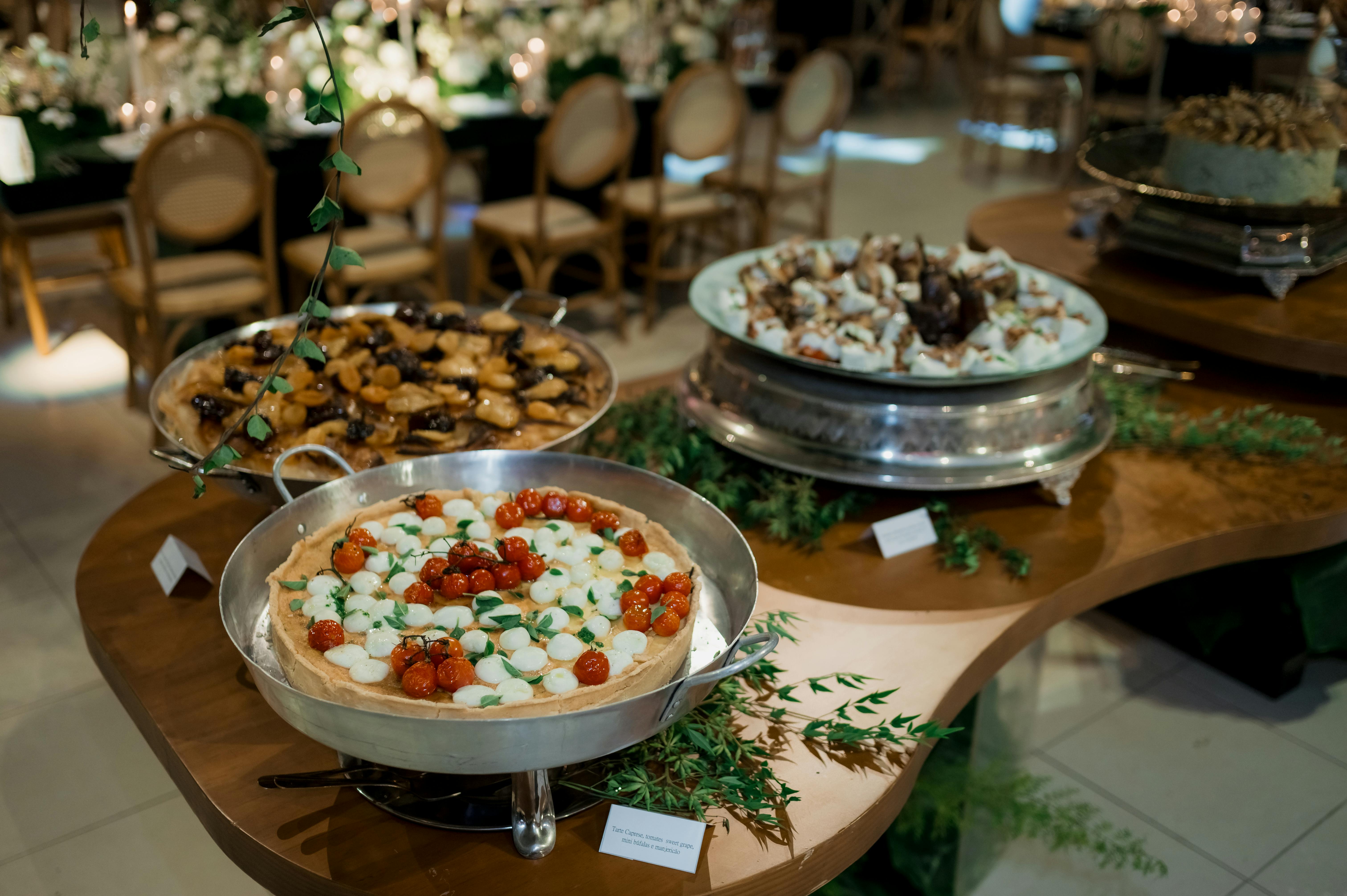
Not every buffet is automatically cheaper. Upscale carving stations, seafood displays, chef-attended pasta bars, or luxury ingredients can push buffet pricing above a simple plated meal. Service style matters, but menu ambition, venue rules, and guest count matter just as much.
Still, for a standard wedding reception, buffet catering often lands around 10%-25% below plated service, and sometimes more in high-labor markets. According to many event professionals, the biggest drivers are reduced staffing, simpler execution, and more flexible food production.
For couples trying to protect the budget without making the reception feel stripped down, a buffet can be a smart trade-off. When designed well, it offers variety, moves guests through dinner efficiently, and delivers the kind of savings that can free up money for music, photography, or an open bar.




Leave a Reply