
A dark bottle and an Italian flag can suggest quality in seconds. What is inside, however, may tell a very different story.
Labels can sound precise while revealing very little

At first glance, olive oil labels seem informative. Terms like "extra virgin," "first cold pressed," "pure," and "product of Italy" imply a clear standard. In practice, some of those phrases are more marketing than meaningful guidance for shoppers.
"Extra virgin" does have a technical definition tied to chemistry and taste, but consumers rarely see the test results behind the claim. "Pure olive oil" often sounds superior, even though it is usually a refined product blended with virgin oil. "Light" olive oil does not mean fewer calories. It usually refers to lighter flavour and colour after processing.
Country claims can also mislead. A bottle may be packed in Italy while the olives were grown in multiple countries, including Spain, Greece, Tunisia, or Turkey. That does not automatically make the oil poor, but it does mean the romantic origin story on the front label may be incomplete.
Freshness is one of the biggest quality issues in Canada
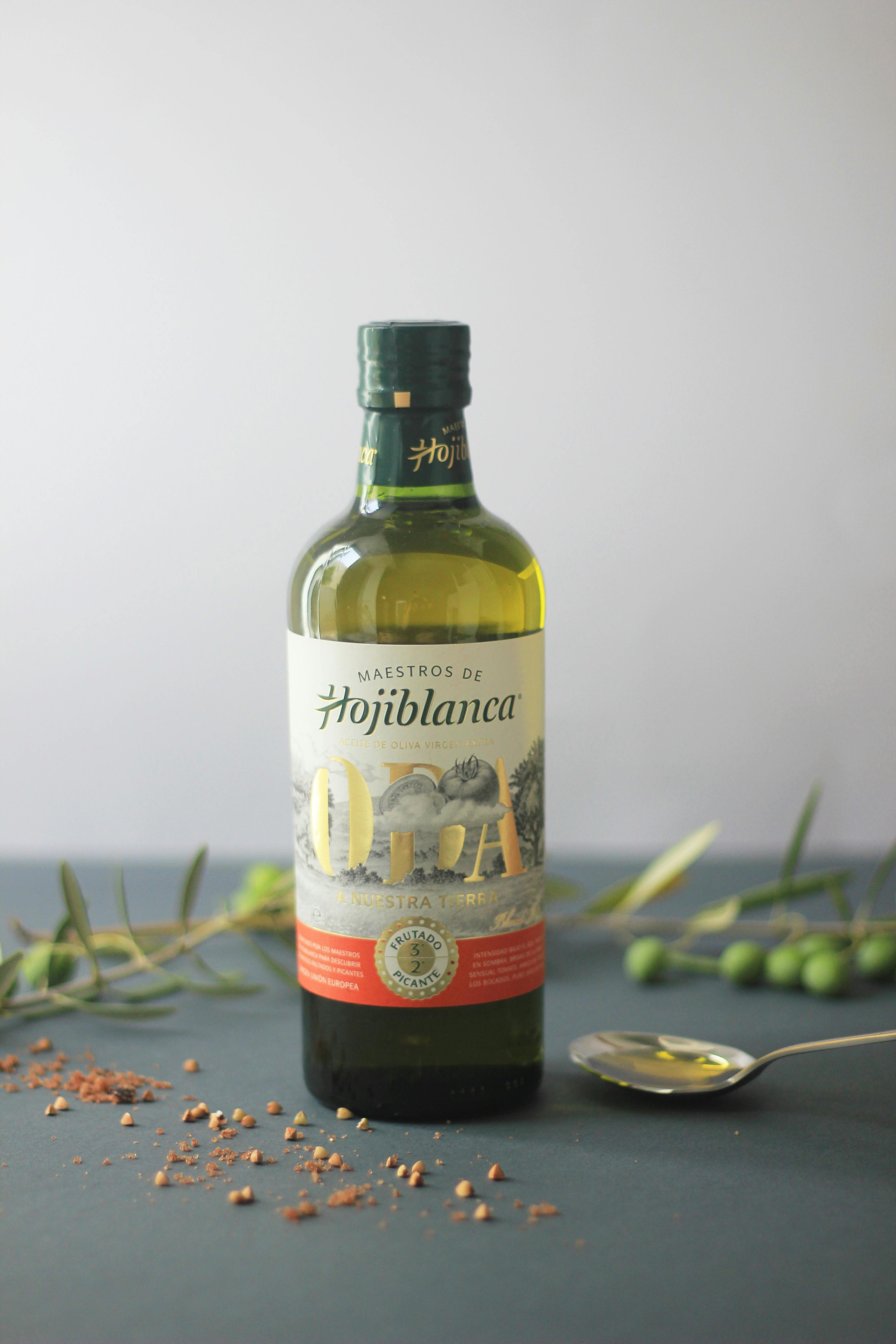
Here is the part many buyers overlook: olive oil is a fruit juice, and it declines with time. Heat, light, and oxygen slowly damage flavour and beneficial compounds. By the time a bottle reaches a Canadian shelf, it may already be well past its peak.
Canada imports nearly all of its olive oil, so transport and storage matter a great deal. If oil sits in warm warehouses, shipping containers, or brightly lit retail displays, oxidation speeds up. The result can be flat, stale oil that still technically passes as saleable.
Harvest dates are often more useful than best-before dates, yet many bottles do not show them clearly. A best-before date can stretch far into the future and still tell you little about when the olives were crushed. For a product prized for freshness, that is a major blind spot.
Fraud is real, even if every bottle is not fake
Talk of fake olive oil can sound sensational, but food fraud in the global olive oil trade is well documented. Investigations in Europe and reporting from outlets such as Reuters have described cases involving mislabeling, dilution, and false origin claims. Canada is not isolated from those supply chains.
Fraud does not always mean a bottle contains no olive oil at all. More commonly, lower-grade oil may be sold as extra virgin, or oil from one region may be marketed as coming from another. Blending is not inherently wrong, but hiding the true composition is.
Because olive oil passes through growers, mills, exporters, importers, bottlers, and retailers, traceability can become murky. That complexity makes oversight harder. It also creates space for quality loss and creative labeling long before the bottle reaches a Canadian kitchen.
Canadian shoppers often pay premium prices for uncertain value
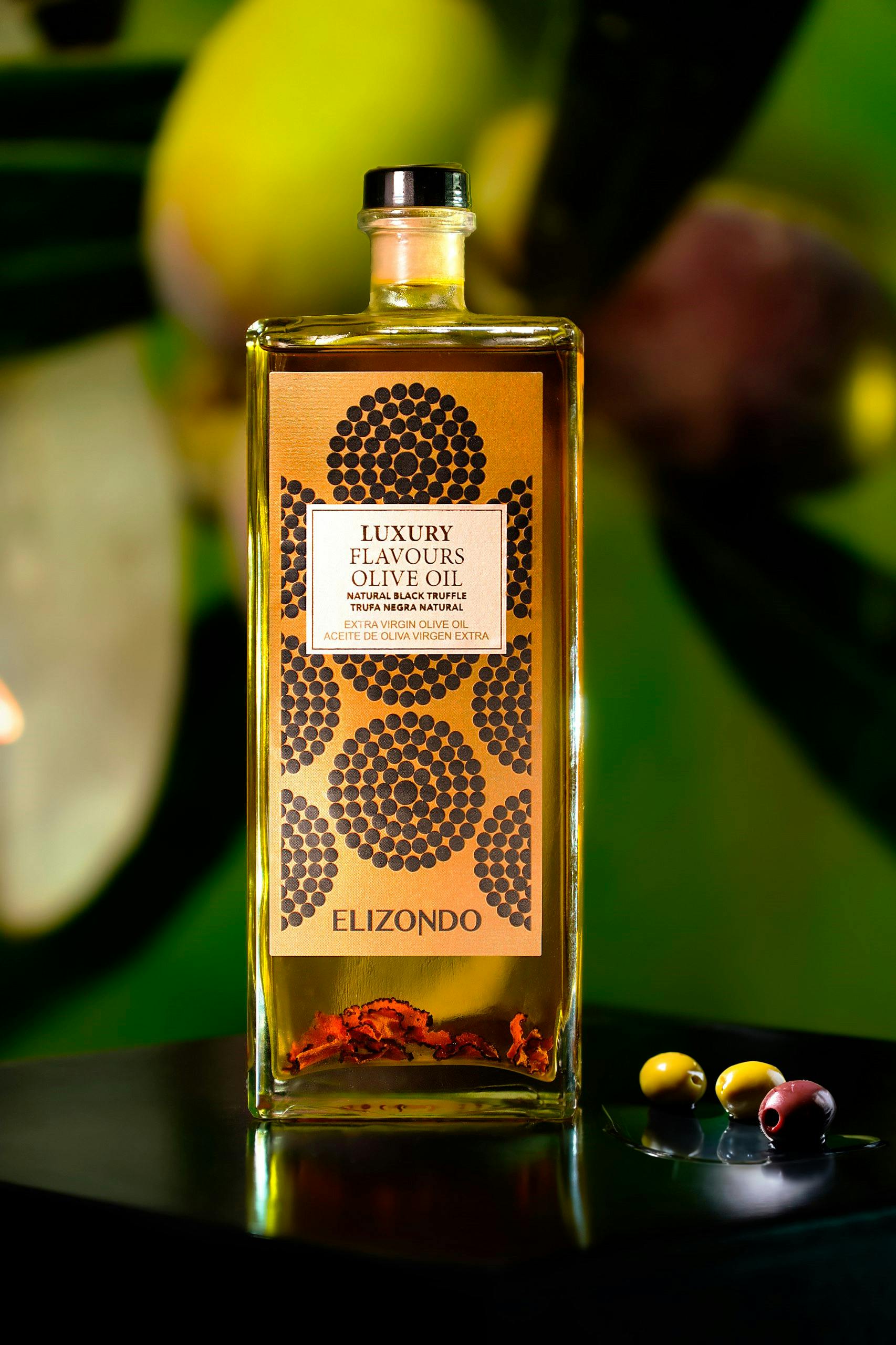
The frustrating part is that many consumers are paying more specifically to avoid these problems. Premium pricing, elegant packaging, and words like "estate," "traditional," or "artisanal" can create a strong impression of authenticity. Yet price alone does not guarantee quality or freshness.
Independent testing in different markets has repeatedly found that some oils sold as extra virgin fail sensory or chemical standards. Results vary by brand, batch, and timing, but the pattern is enough to raise caution. A costly bottle can still be old, poorly stored, or inaccurately described.
This matters in Canada because imported specialty foods often carry a trust premium. Shoppers assume tighter quality control than they may actually be getting. In olive oil, branding can sometimes do more work than the product itself.
There are practical ways to shop more intelligently

A smarter approach starts with the back label, not the front. Look for a harvest date, a specific producer, and a clear statement of origin. "Harvested in Spain" or "single estate in Greece" is more useful than vague wording about being imported or packed somewhere prestigious.
Packaging offers clues too. Dark glass, tins, and smaller containers help protect oil from light and air. If a giant bottle seems like a bargain but will sit open for months, quality will fade before you finish it. Fresh oil should taste lively, sometimes grassy, peppery, or slightly bitter.
Certifications and producer transparency can help, though they are not perfect shields. Reputable specialty grocers often rotate stock more carefully than stores where bottles linger under bright lights. Asking when a shipment arrived is not excessive. It is exactly what a careful buyer should do.
Authenticity should mean traceable, fresh, and honestly described
The word "authentic" has emotional pull, but it should not be confused with nationality alone. An authentic olive oil experience depends on how olives were grown, pressed, handled, shipped, and stored. Honesty on the label matters more than a picturesque village name.
For Canadian consumers, the real question is not whether imported olive oil is trustworthy in general. Many excellent bottles are. The better question is whether a specific bottle is transparent, fresh, and verifiably high quality.
That shift in thinking changes how you buy. Instead of chasing romance, you look for evidence. And in the olive oil aisle, evidence is what separates a genuinely good bottle from one that only looks the part.




Leave a Reply