
Some food choices are really about comfort. Others are about curiosity.
A small fish is making a big point
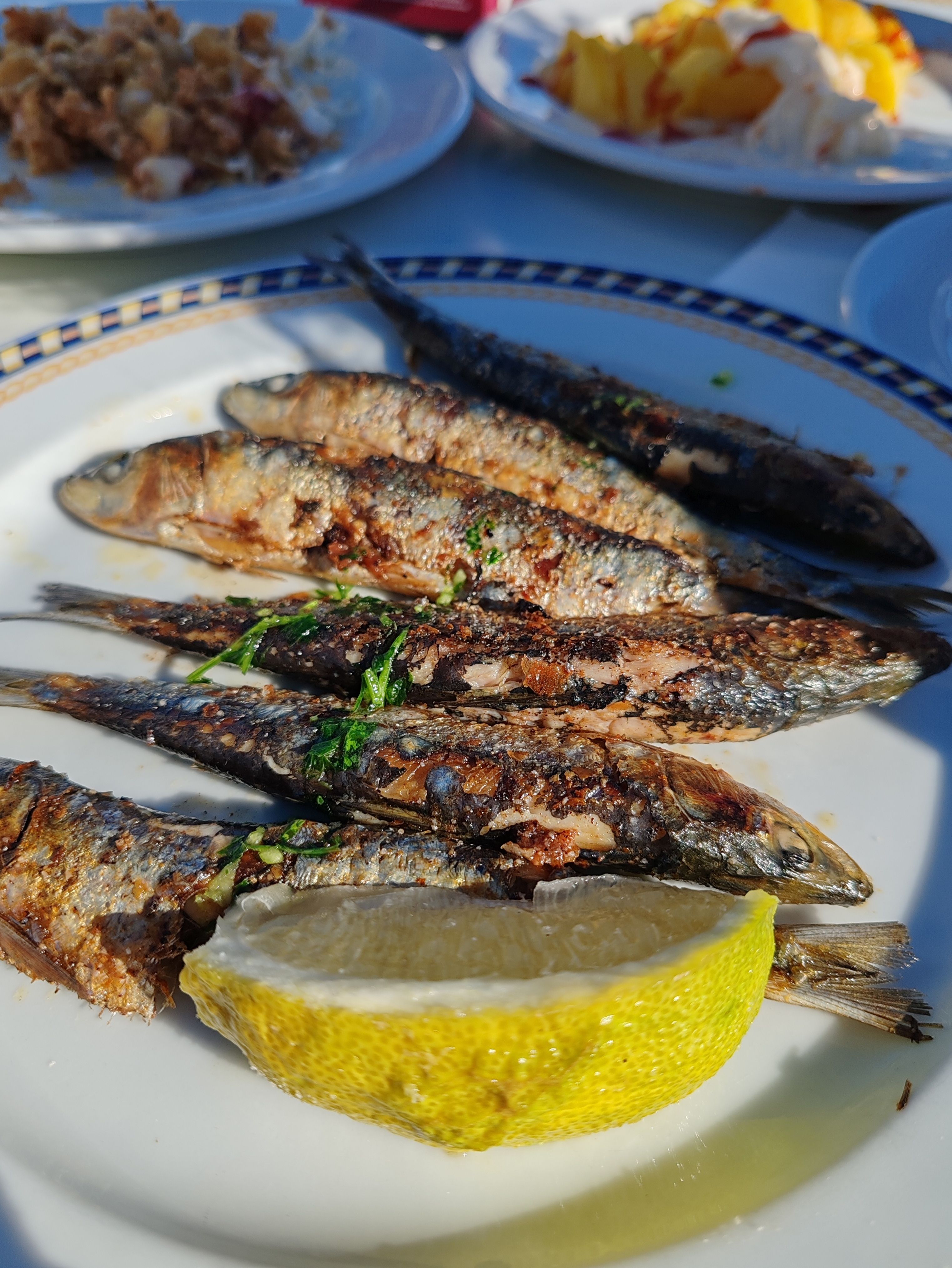
At this Sudbury wine festival, whole grilled sardines are not a gimmick tossed onto a menu for shock value. They are a deliberate challenge to the habits that dominate many public events, where chicken fingers, loaded fries, and generic burgers usually win because they feel predictable. Festival organizers are betting that wine drinkers are ready for something more expressive.
That confidence is not misplaced. Across North America and Europe, wine-focused events increasingly lean on foods with salinity, smoke, fat, and bright acidity because those qualities interact well with wine. Sardines deliver all four. Their charred skin, rich flesh, and natural brininess can make crisp whites feel sharper, rosés more refreshing, and lighter reds more vivid.
In practical terms, the dish also signals seriousness. A whole fish asks diners to engage with what they are eating rather than treating food like a side note between pours. That kind of directness fits a festival trying to position itself as a place of taste and discovery, not simply drinking with a soundtrack.
Why sardines work so well with wine
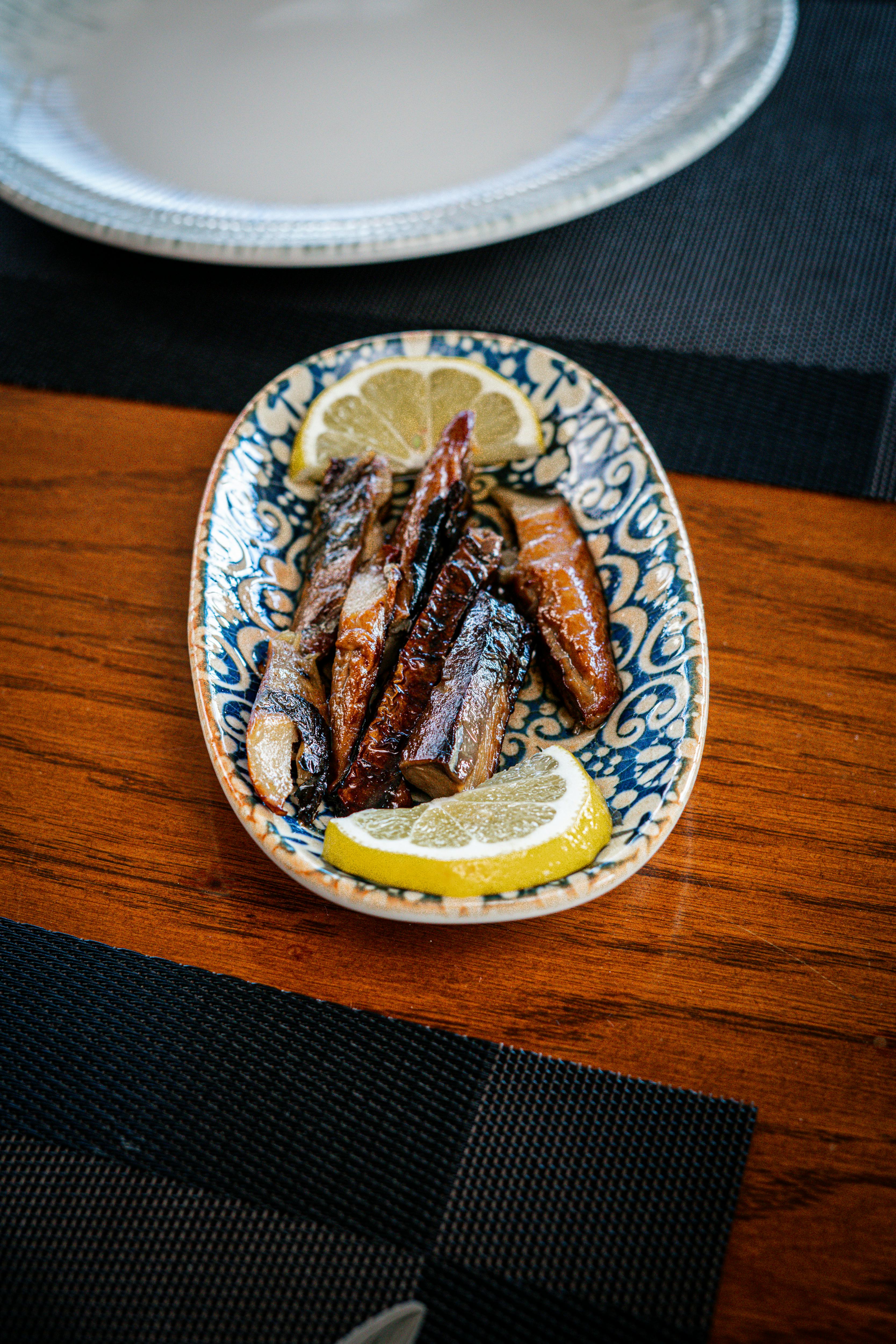
The easiest way to understand the choice is to think like a sommelier. Sardines are oily fish, and oily fish often become excellent partners for high-acid wines because acidity cuts richness and keeps the palate alert. Add grilling, lemon, herbs, or olive oil, and the range of pairings broadens even further.
A dry Riesling, Assyrtiko, Albariño, Vermentino, or sparkling wine can all stand up beautifully to grilled sardines. Even a chilled light red, such as Gamay or a gentle Pinot Noir, can work when the fish is smoky rather than aggressively sauced. That versatility matters at a festival, where dishes need to match multiple pours rather than a single bottle.
By contrast, many safe bar foods are harder wine partners than people realize. Deep-fried coatings, heavy sweetness, and dense starch can flatten delicate wines or exaggerate alcohol. Sardines, despite their bold reputation, are often the more flexible and refined option on a tasting ground.
The psychology of ordering something with a face
For many diners, the hurdle is not flavor. It is visibility. A whole grilled sardine arrives intact, and that can trigger hesitation among guests more used to boneless fillets, nuggets, or anonymous pub fare. The festival is effectively asking people to reconnect the pleasure of eating with the reality of the ingredient.
Chefs know this reaction well. Studies on consumer food behavior consistently show that familiarity, presentation, and social cues strongly shape what people will try. When diners see others enjoying a dish, or hear staff describe it clearly and confidently, reluctance drops. Festivals are unusually powerful spaces for that kind of social permission.
That matters because trying one whole sardine can open a door. People who would never order anchovies, mackerel, octopus, or grilled trout at a restaurant often become more adventurous after one low-stakes positive experience. The wine festival is not just selling a plate. It is training taste.
This is also a sustainability argument

There is a harder business and environmental logic behind the choice. Sardines sit lower on the food chain than large predatory fish, reproduce quickly, and are often cited by seafood experts as a more responsible option when harvested from well-managed stocks. In a food culture that talks constantly about sustainability, small pelagic fish make practical sense.
They also offer strong value. Compared with premium cuts of beef or highly prized species like tuna, sardines can deliver intense flavor at a lower ingredient cost. For festival operators balancing labor, margins, and guest expectations, that is important. A dish can feel exciting and premium without forcing prices into luxury territory.
This combination of ethics and economics is why many influential chefs have embraced tinned fish bars, grilled small fish, and nose-to-tail seafood menus. What once looked rustic now reads as modern and informed. Sudbury's festival is tapping directly into that shift rather than trailing behind it.
Sudbury's dining scene may be ready for this
Sudbury is not often framed as a trend-setting food capital, which is exactly why this move stands out. Regional festivals outside major metropolitan markets usually play it safe, especially when they need to satisfy broad crowds. Choosing sardines suggests local organizers believe their audience is more curious and more capable than old assumptions allow.
That confidence likely reflects broader changes in Canadian dining. Over the past decade, access to global flavors, chef-driven small plates, and food media has changed what everyday diners recognize and accept. Ingredients once considered niche now appear in grocery stores, bistros, and home kitchens. Even conservative markets have become more fluent in flavor.
Wine culture has evolved too. Consumers increasingly want context, not just consumption. They ask where a wine comes from, what it pairs with, and why it tastes the way it does. A whole grilled sardine gives pourers and chefs something meaningful to discuss, turning a simple purchase into an educational moment.
What this gamble says about festival food's future

The larger lesson is not that sardines will replace poutine or wings. It is that festival food does not have to be timid. When events trust guests with dishes that carry identity, texture, and a bit of challenge, they create stronger memories than any basket of standard bar snacks can manage.
There is also a branding advantage. In a crowded event market, distinctiveness matters. People remember the place where they discovered an unexpectedly perfect pairing, not the place that served another forgettable platter of fried appetizers. A whole grilled sardine, smoky and glistening beside a cold glass of wine, is exactly that kind of memory.
If the dish succeeds, it may encourage other regional festivals to rethink their menus. More importantly, it may remind diners that pleasure often begins where predictability ends. That is a smart lesson for wine, for food, and for any event trying to feel alive.




Leave a Reply