Milk seems simple until you pour two glasses side by side and realize they can feel surprisingly different. Whole milk and 2% may come from the same dairy case, but fat content changes flavor, texture, and even the way each one behaves in coffee or cereal. This gallery breaks down where each shines and why "better" often depends on how you drink it.
What the fat percentage really changes

The biggest difference between whole milk and 2% is right there on the label: fat. Whole milk usually contains about 3.25% milkfat, while 2% trims that down, and that small numerical gap has a noticeable effect once it hits your tongue.
Fat carries flavor and creates body, so whole milk tends to taste richer and rounder from the first sip. By comparison, 2% often feels lighter and a little cleaner, which some people read as refreshing rather than less flavorful.
So before anyone declares a winner, it helps to understand that taste here is partly about texture. What you call delicious might simply be the version that feels best in your mouth.
Why whole milk often tastes creamier

Whole milk has a plush, coating quality that many people immediately associate with indulgence. It lingers a little longer on the palate, giving flavors more time to register and making even a plain glass of milk feel substantial.
That creaminess can also make the milk taste sweeter, even when the sugar content is similar. The richer texture rounds out sharper notes and softens the finish, which is why whole milk can seem more luxurious without adding anything extra.
For drinkers who want milk to feel like part of the experience rather than just a backdrop, whole milk often wins on sensation alone. It delivers a fuller sip that reads as satisfying from start to finish.
Why 2% can taste fresher and lighter

Not everyone wants milk to feel heavy, and that is where 2% has a real advantage. It still has enough fat to avoid tasting watery, but it moves across the palate with less weight, which many people experience as brighter and easier to drink.
That lighter body can make 2% seem cleaner, especially when served very cold. If whole milk feels almost dessert-like, 2% often lands closer to crisp and everyday, which can be exactly what some drinkers are after.
This is why the taste debate never has a universal answer. For people who value refreshment over richness, 2% may actually come across as the better, more balanced glass.
The cereal test changes the answer
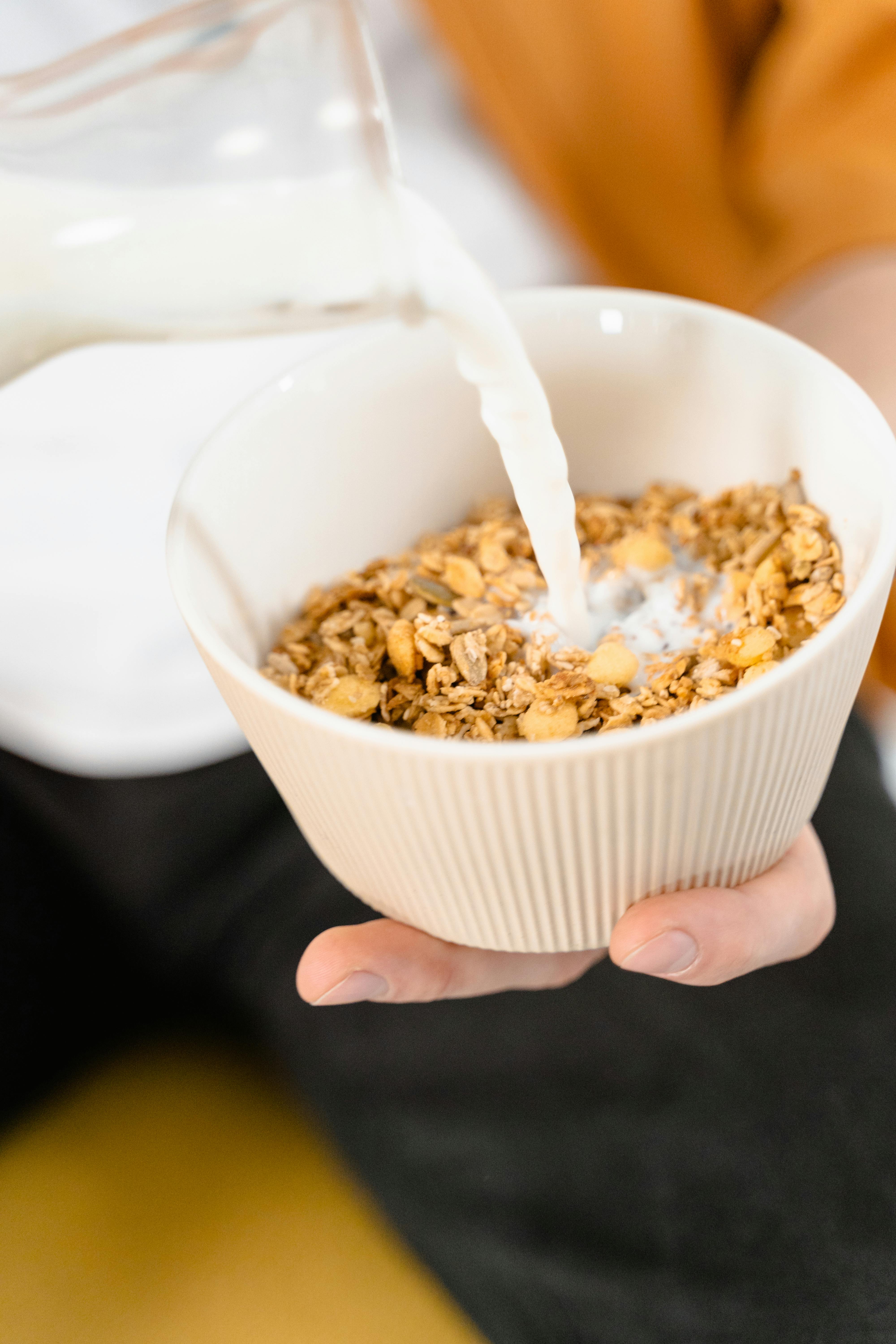
Pour milk over cereal and the preference question gets more interesting. Whole milk gives the bowl a richer finish, adding body to every spoonful and turning even basic flakes into something that feels more comforting and substantial.
2% keeps the cereal itself more in focus. Because it is lighter, it does not blanket the grain as heavily, so crunchy, toasted, or sugary notes may come through more clearly from the cereal rather than the milk.
If your ideal bowl feels cozy and creamy, whole milk likely tastes better. If you want contrast, snap, and a cleaner finish after each bite, 2% can be the smarter and more appealing choice.
Coffee and tea reveal texture fast

Hot drinks are one of the fastest ways to notice the difference between whole milk and 2%. Whole milk softens bitterness more effectively and adds a velvety body that can make coffee taste smoother and slightly sweeter.
2% still works well, especially for people who do not want their drink to feel too heavy. It lightens dark roast coffee or strong tea without taking over, which helps preserve the original flavor of the beverage.
In lattes and café-style drinks, many people prefer whole milk for its fuller mouthfeel and foam quality. But in a simple morning cup, 2% may win if you want just a touch of creaminess instead of a richer finish.
Cooking with milk is a different kind of taste test

In cooking, whole milk usually brings more depth to sauces, soups, and baked dishes. That extra fat helps create a rounder flavor and smoother texture, which can make mashed potatoes, custards, or creamy pasta feel more finished and restaurant-like.
2% can still perform well, especially in recipes where milk supports rather than leads. It is often perfectly good in pancakes, scrambled eggs, or casseroles, where other ingredients do most of the flavor work.
So if the question is which tastes better in a recipe, whole milk often has the edge in richness. But for everyday cooking, 2% is frequently close enough that many home cooks are happy with the trade-off.
Cold from the fridge versus room-temperature tasting

Temperature has a sneaky effect on how milk tastes. When both are very cold, 2% can seem especially crisp and pleasant, while whole milk keeps its signature richness but may feel a little denser in comparison.
As milk warms slightly, whole milk often becomes more aromatic and expressive. Its creaminess stands out more clearly, and the fuller body feels intentional rather than simply heavy.
That means your favorite may change depending on how you drink it. Straight from the fridge, 2% can be incredibly appealing. Sip it more slowly, and whole milk often starts to show why so many people describe it as the better-tasting option.
What kids and adults often notice first

Children and adults do not always describe milk the same way, but they often react to the same qualities. Kids may gravitate toward whatever feels creamier and softer, which can make whole milk seem instantly more likable in a plain glass.
Adults, on the other hand, sometimes split into two camps. Some prefer whole milk because it tastes fuller and more satisfying, while others choose 2% because it feels lighter and easier to pair with meals.
What people notice first is usually not a technical flavor note. It is body, weight, and finish. Those sensory cues shape taste more than most drinkers realize, which is why preferences can be strong and surprisingly personal.
Brand, freshness, and storage matter more than expected

A surprising twist in the whole milk versus 2% debate is that quality can matter as much as fat level. A fresher carton of 2% may taste better than a less-fresh whole milk, and differences in processing can subtly change flavor and mouthfeel.
Some brands taste sweeter, some taste more neutral, and some have a more pronounced dairy finish. Ultra-pasteurized milk, local dairy milk, and standard grocery-store milk can all present differently, even within the same fat category.
That is why side-by-side tasting is so revealing. If you really want to know what tastes better, compare similar brands at peak freshness. Otherwise, you may be judging the carton more than the fat percentage.
So which one actually tastes better

If taste means richness, smoothness, and that unmistakably creamy finish, whole milk is the clear winner for many people. It feels more complete in a glass and tends to shine in coffee, cereal, and recipes where body really matters.
If taste means clean, easy-drinking, and pleasantly balanced, 2% has a strong case. It is lighter without becoming thin, and for daily use, plenty of people find it more versatile and more enjoyable sip after sip.
The honest answer is that whole milk often tastes more luxurious, while 2% often tastes more refreshing. Better depends on the moment. The smartest move may be to stop looking for one champion and start matching the milk to the mood.