
Fast food mascots did more than sell burgers and fries. They gave chains a face, shaped ad campaigns, and in some cases became more memorable than the menu itself.
Some were funny, some were strange, and some were so effective that people still recognize them decades later. Here are 11 of the best known fast food mascots, with the details that keep the debate going.
Ronald McDonald
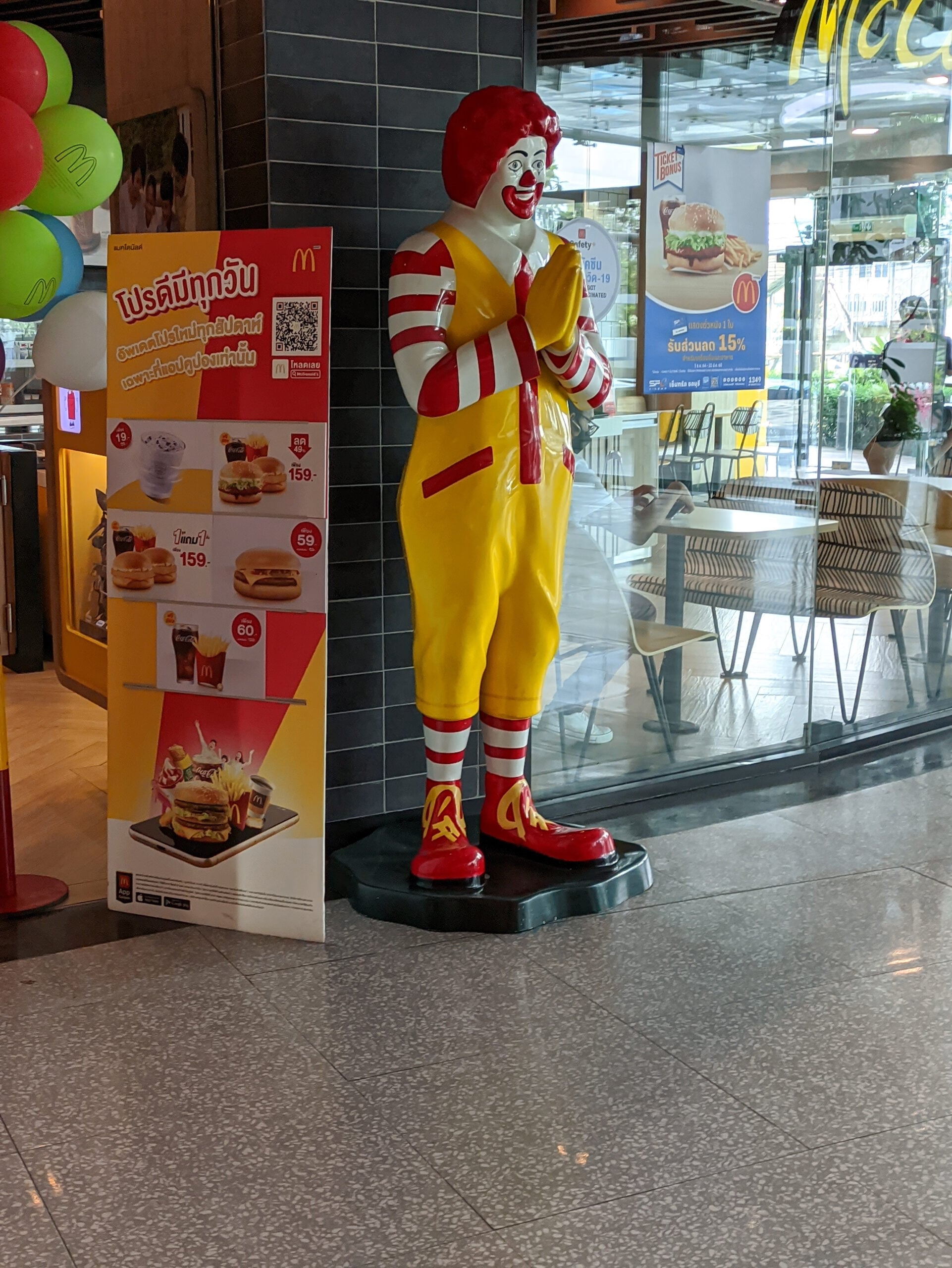
No fast food mascot is more widely recognized than Ronald McDonald. McDonald's introduced the clown in the 1960s, and the character quickly became central to the chain's advertising, kids' marketing, and charity work. For many Americans, Ronald was not just a pitchman. He was the public face of the brand.
The character evolved over time, with different actors, costumes, and ad styles reflecting each era. Ronald also became tied to Ronald McDonald House Charities, which McDonald's says began in 1974. That gave the mascot a role beyond commercials, something few rivals could match.
Still, public opinion on Ronald changed. As marketing to children came under heavier scrutiny, and as clowns became less comforting in pop culture, McDonald's reduced Ronald's visibility. That shift is part of what makes the debate interesting. He may be the most famous mascot on this list, but not everyone thinks fame alone makes him the best.
The Burger King
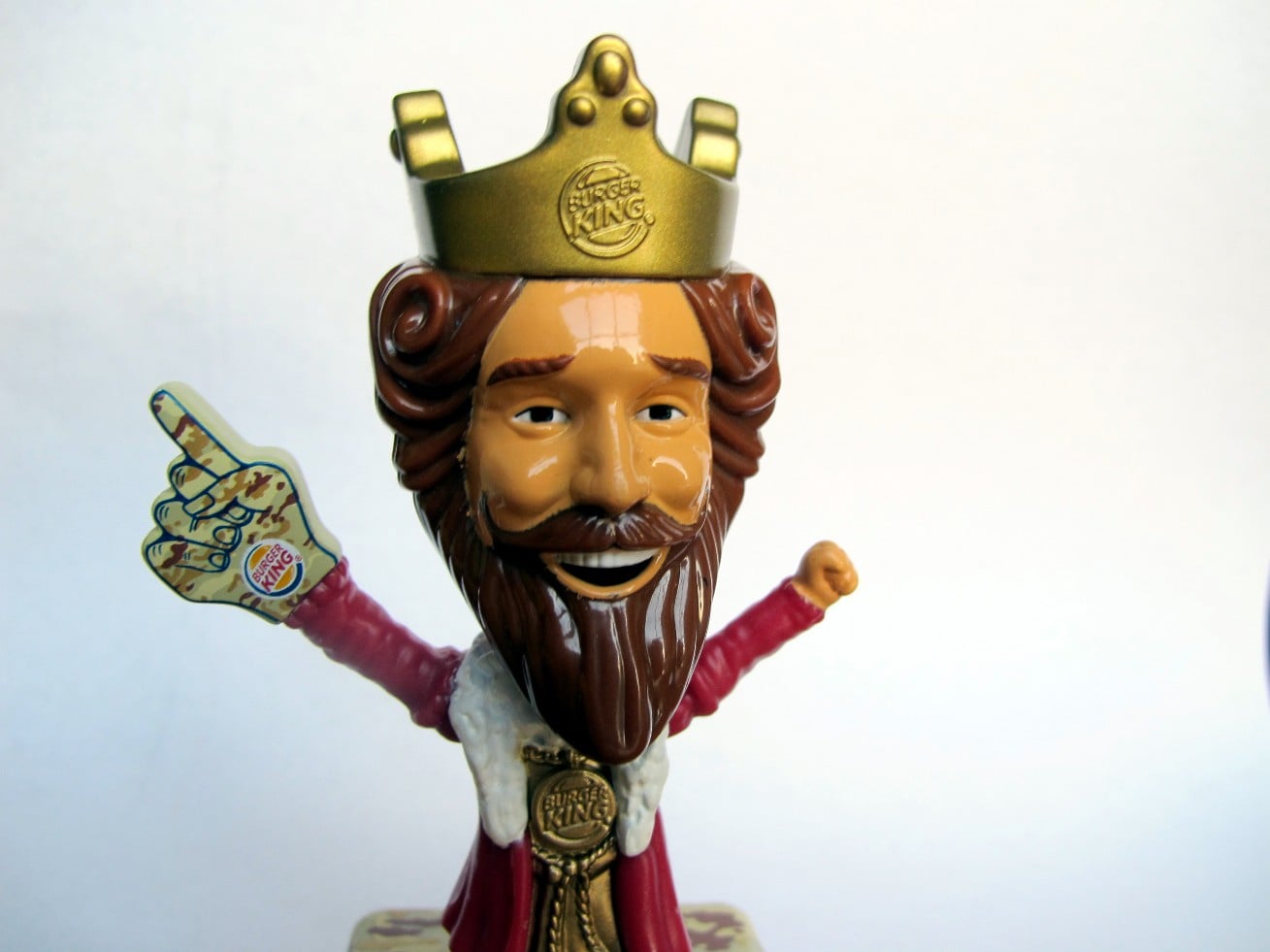
The Burger King mascot took a very different route. Rather than acting like a friendly cartoon, the brand leaned into an oversized plastic king head and a knowingly odd sense of humor. In the 2000s, that version of the character became one of the strangest and most talked about figures in fast food advertising.
What made the mascot stand out was how committed the chain was to the bit. The King showed up in bedrooms, football huddles, and everyday situations with a fixed grin that many viewers found funny and others found unsettling. That tension kept people talking, which is often the goal of advertising.
Burger King has used several versions of the character over the years, but the modern one remains the most debated. Supporters see it as memorable and bold. Critics see it as a gimmick that distracted from the food. Either way, it is hard to deny how instantly recognizable the character became.
Wendy
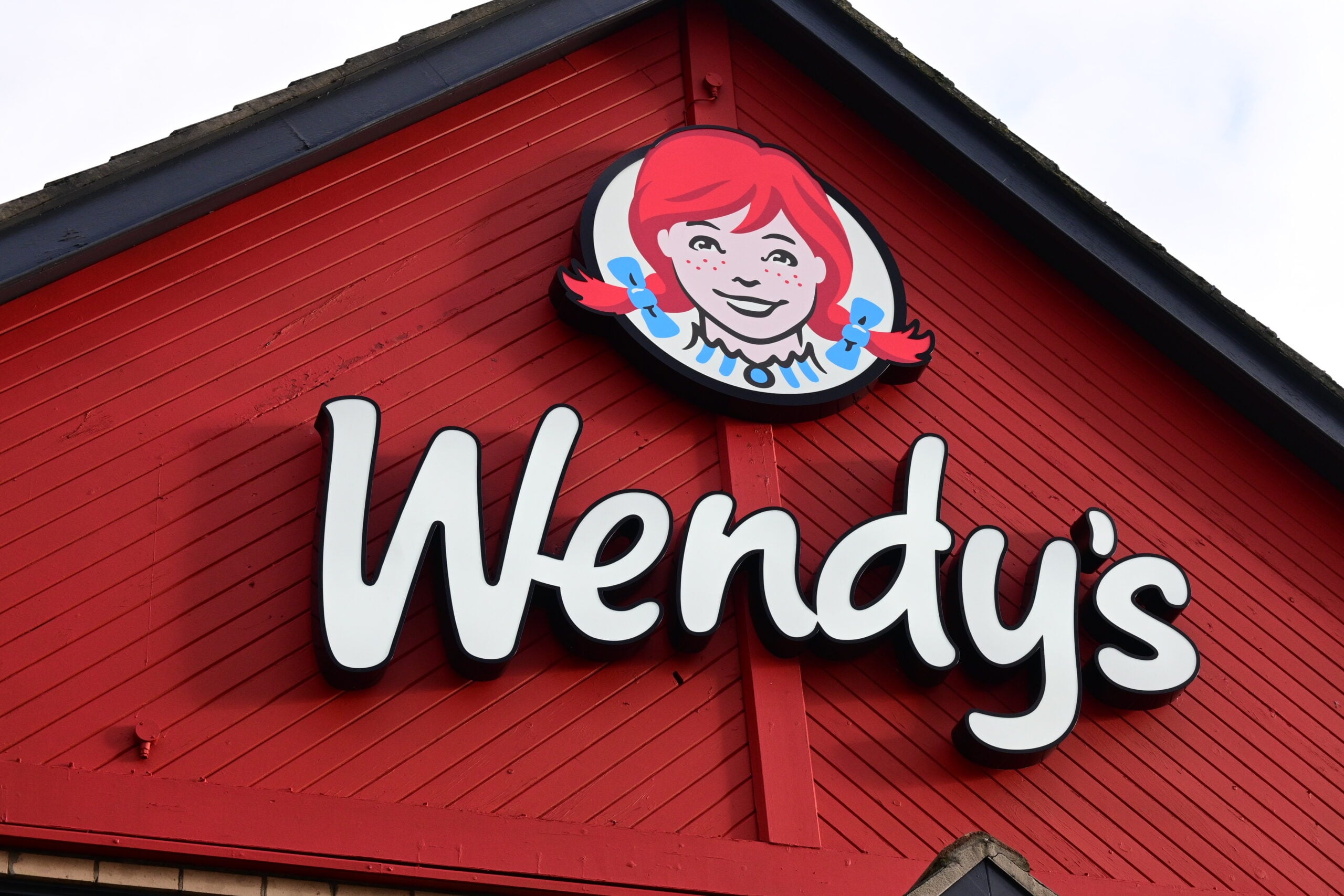
Wendy is unusual in this group because she began as a real person turned brand symbol. The chain was named after Melinda Lou "Wendy" Thomas, the daughter of founder Dave Thomas, when the company opened in 1969. Her red pigtails and blue ribbons became part of one of the most consistent visual identities in fast food.
Unlike mascots built around costumes or fantasy, Wendy functioned more like a logo brought to life. That approach helped the chain project a cleaner, more old fashioned image than some of its rivals. It also fit the company's longtime focus on square hamburger patties and made to order food.
The debate around Wendy often comes down to definition. Some people do not think of her as a mascot in the same way they think of Ronald McDonald or the Burger King. Others argue that her staying power proves how effective she was. Decades later, the image still anchors the brand.
Colonel Sanders
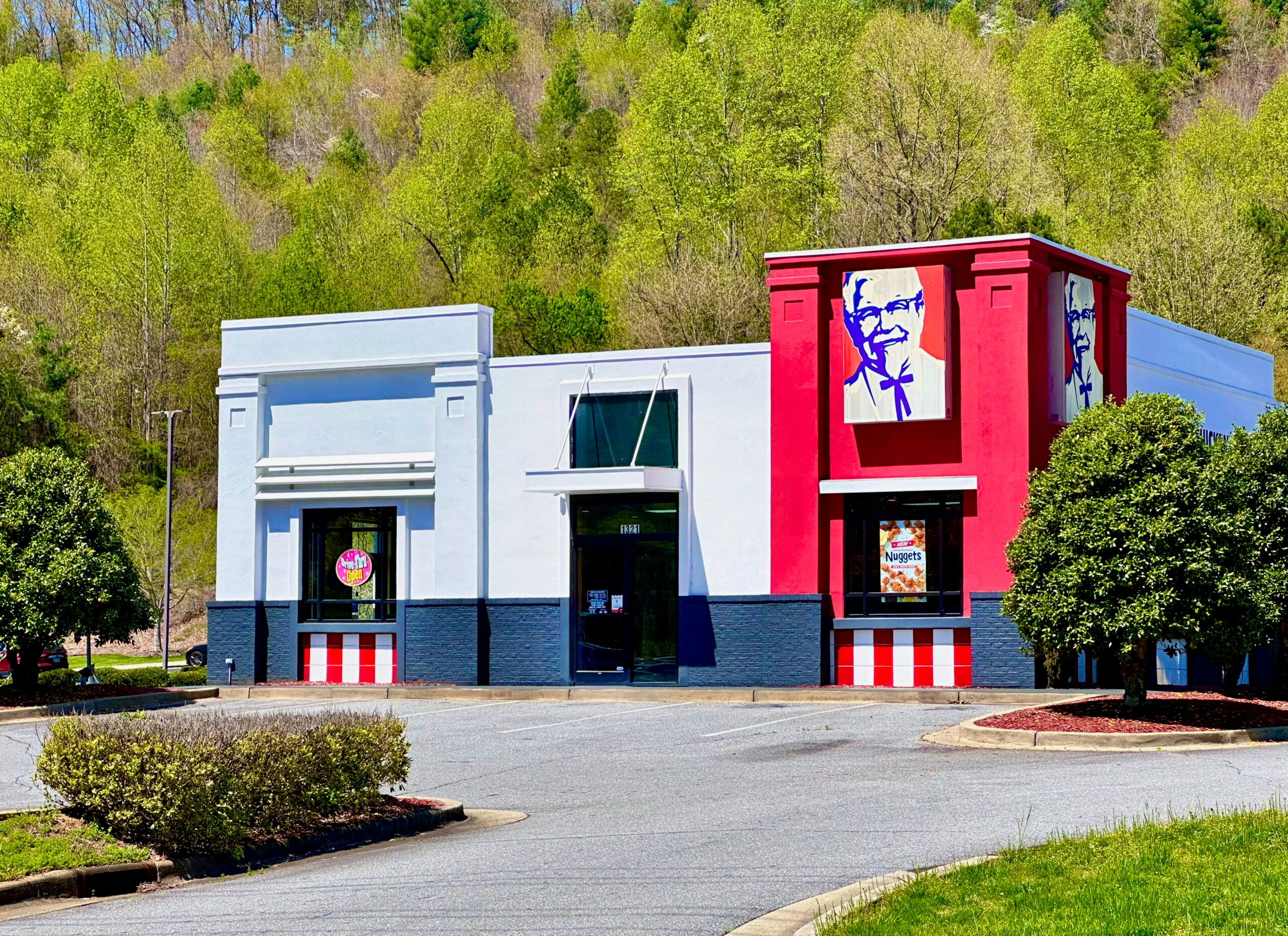
Colonel Harland Sanders stands apart because he was real, and because he personally appeared in the early growth of Kentucky Fried Chicken. His white suit, black string tie, and goatee were not created in an ad agency. They came from the founder himself, who turned his own appearance into one of the most durable symbols in restaurant history.
KFC says Sanders franchised his chicken business in the 1950s, and the Colonel image remained central even after ownership changed. That continuity matters. Many mascots come and go, but Colonel Sanders gave the chain an origin story people could picture immediately.
In later years, KFC revived the role with a string of celebrity actors playing the Colonel in commercials. That move kept the look familiar while changing the tone. For many fans, the Colonel works because he feels tied to a person, a recipe, and a myth all at once.
Jack Box
Jack in the Box built its identity around a mascot that literally wears a giant clownlike head. The current executive style version of Jack Box emerged in the 1990s and became the chain's wisecracking spokesman. He was less child focused than older mascots and more like a sitcom character running a burger company.
That tone helped separate Jack in the Box from competitors. The ads often treated Jack as a husband, a boss, or a slightly smug CEO, which gave the campaigns room for jokes about menu changes, late night cravings, and fast food trends. It was branding with a self aware edge.
Fans who like Jack usually point to flexibility. He can sell tacos, burgers, breakfast, and stunts without seeming out of place. Detractors find the giant head gimmick a little cold. Even so, few mascots blended corporate satire and brand recognition as smoothly as Jack Box did.
Little Caesar
Little Caesar gave pizza advertising one of its most durable catchphrases: "Pizza! Pizza!" The cartoon Roman character has represented the chain for decades, appearing in togas, laurel wreaths, and simple animated spots that matched the brand's value driven image. He is goofy, direct, and hard to confuse with anyone else.
The strength of the mascot is clarity. Little Caesar instantly tells you the chain's name and visual theme, and the ads rarely overcomplicate that. In a crowded pizza market, that kind of simple recall is valuable. A customer may forget a campaign, but still remember the character and the slogan.
People who rank Little Caesar highly often value consistency over flash. He was never the coolest mascot, but he may be one of the easiest to identify. That matters in a debate like this, where the best mascot is often the one that stayed useful year after year.
The Noid
The Noid was designed to represent everything that could ruin a pizza delivery. Domino's used the red suited character in the 1980s to dramatize threats like delays, damage, and mistakes, then positioned its own service as the fix. It was a clever concept because the mascot stood for the problem, not the restaurant.
That made the Noid feel different from friendlier brand figures. He was twitchy, mischievous, and built for short, visual jokes. The campaign left such a mark that "Avoid the Noid" became a widely remembered slogan, even among people who may not remember the exact ads.
Domino's eventually retired and later revived the character in limited ways, which only added to his legend. Fans of the Noid tend to admire originality. Instead of acting lovable, he gave the brand a memorable villain. In a field crowded with smiles, that was a smart way to stand out.
Taco Bell Chihuahua
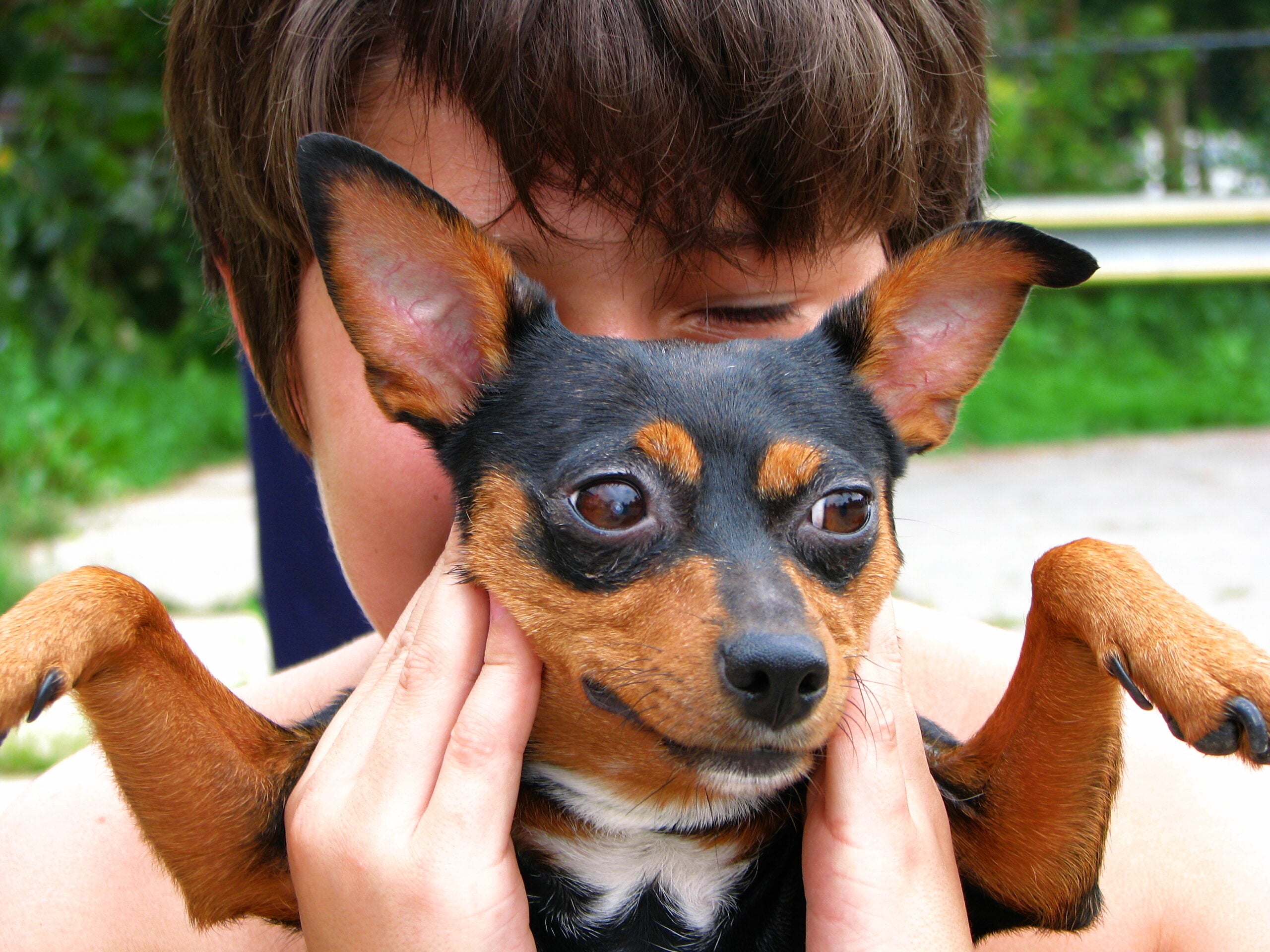
Few mascots captured a moment quite like the Taco Bell Chihuahua. Introduced in the late 1990s, the small dog became famous for the phrase "Yo quiero Taco Bell." The campaign spread quickly across television, merchandise, and pop culture, making the Chihuahua one of the most recognizable ad characters of its era.
The mascot worked because of contrast. A tiny dog using a short, confident catchphrase was easy to remember and easy to repeat. For a while, that made Taco Bell feel playful and unavoidable in the broader culture, not just in the fast food lane.
The character also remains one of the most debated. Critics argued the campaign relied too heavily on the mascot and not enough on the food. Supporters remember how completely it broke through. Even people who never ordered Taco Bell often knew the Chihuahua on sight.
Grimace
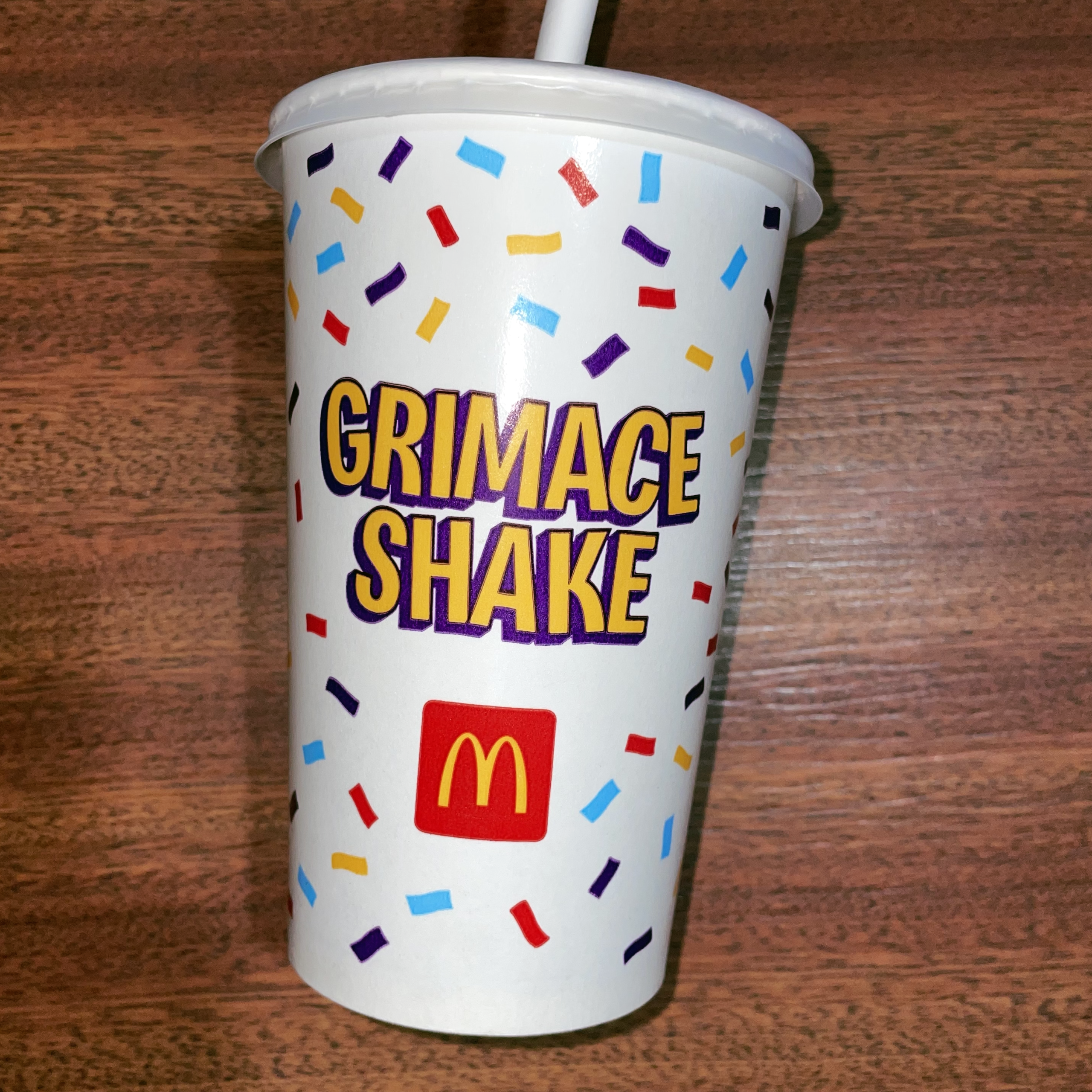
Grimace may be the strangest major mascot ever to succeed at this scale. McDonald's now describes him as a lovable character, but his early appearances were odder, and the company refined him over time into a softer, friendlier purple figure. That redesign helped turn confusion into affection.
Part of Grimace's appeal is that he never made total sense, and somehow did not need to. He looked unlike a burger, a fry, or a milkshake, yet he became one of the most recognizable members of the McDonaldland cast. Children remembered him because he was simple and visually distinct.
In recent years, Grimace enjoyed a fresh wave of attention online, showing how older mascots can find new life with younger audiences. For some people, that renewed relevance strengthens his case. He was never as central as Ronald McDonald, but he may have inspired more genuine fondness.
Mayor McCheese
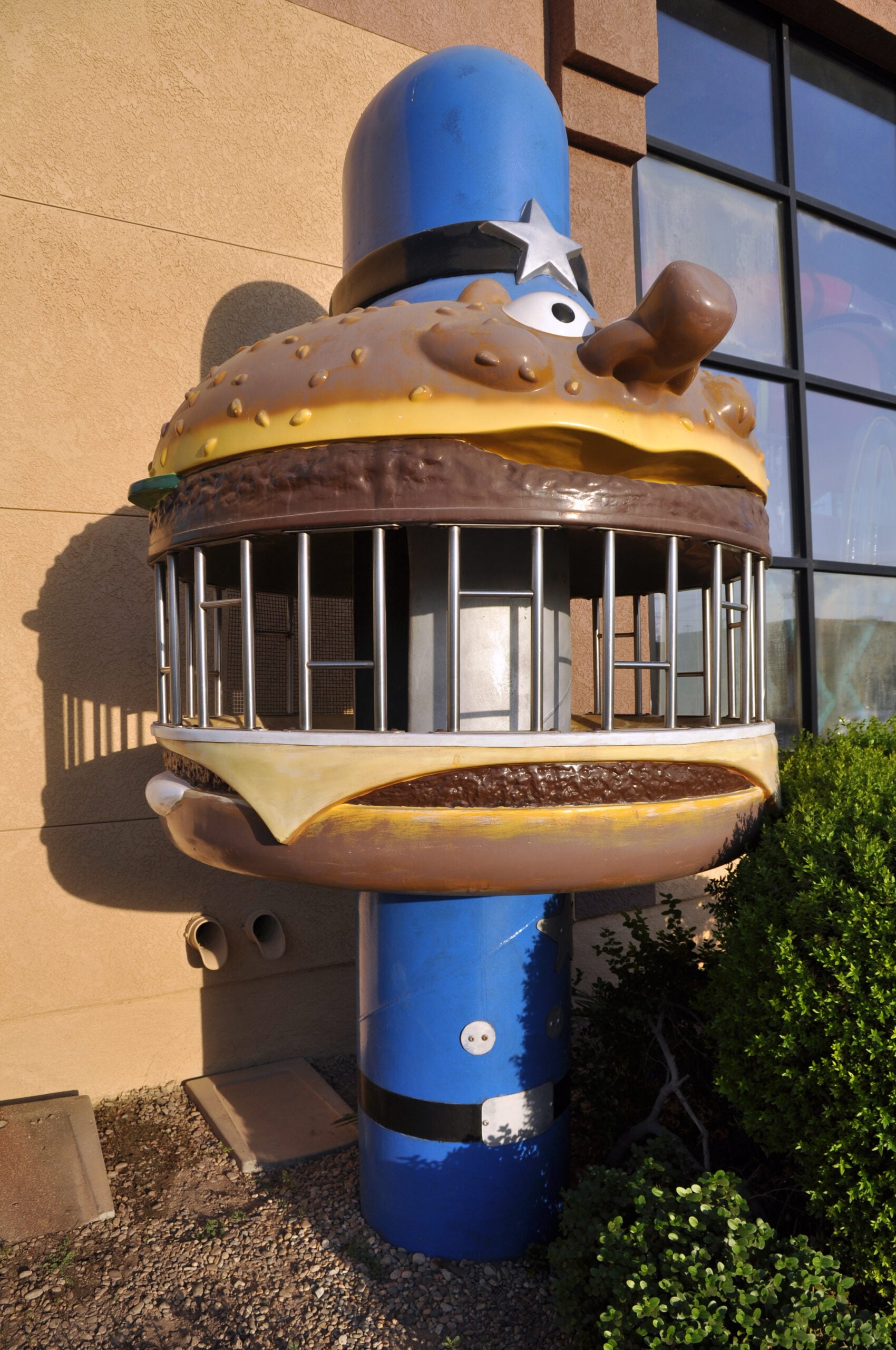
Mayor McCheese came from the McDonaldland universe, where food themed characters turned fast food into a fantasy setting. With a cheeseburger for a head and a politician's sash, he was one of the chain's most visually direct creations. You could understand the joke in a second.
That kind of broad design fit children's advertising in the 1970s. McDonald's used a whole cast during that period, but Mayor McCheese stood out because the concept was so clear. He looked like a burger and acted like a civic leader, which made him both silly and easy to remember.
He is not always the first mascot people mention today, and that actually helps his case with some fans. Compared with more overused characters, Mayor McCheese feels like a snapshot of a specific advertising era. For people who value creativity and nostalgia, that gives him real staying power.
Big Boy
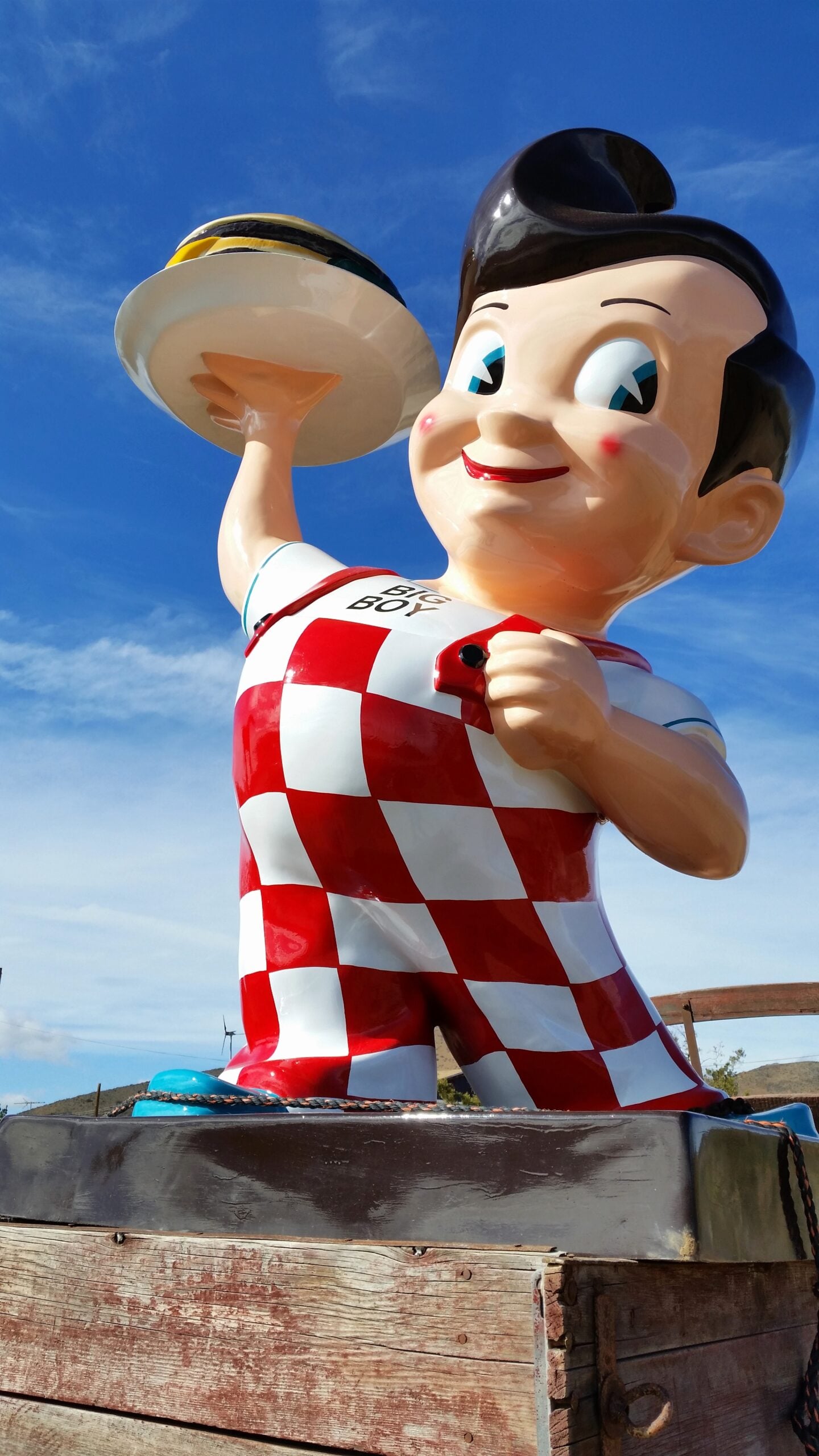
Big Boy predates much of modern fast food mascot culture, which is part of why he remains a strong closing case in this debate. The pompadoured boy in checkered overalls became tied to the Big Boy restaurant chain and appeared in statues, signs, and branding that were impossible to miss from the road.
His appeal was physical as much as visual. The large restaurant statues turned the mascot into a landmark, not just a logo. That gave Big Boy a presence many later mascots never had. People did not only see him in ads. They saw him standing outside actual locations.
That old roadside visibility is why some people still rank Big Boy near the top. He may not dominate current national advertising, but he represents an earlier chapter of American chain dining. As a mascot, he was simple, durable, and built to be remembered from a passing car.
Leave a Reply