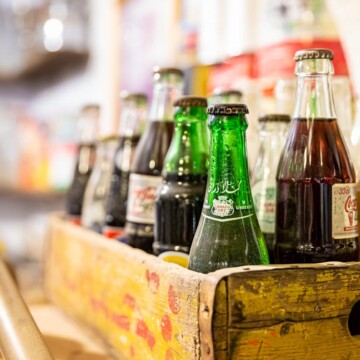
For millions of Texans, a routine grocery trip just changed in a very specific way. The state's new SNAP rules are narrowing what benefits can cover, with candy and many sweetened beverages now off the list.
What changed under Texas' new SNAP policy
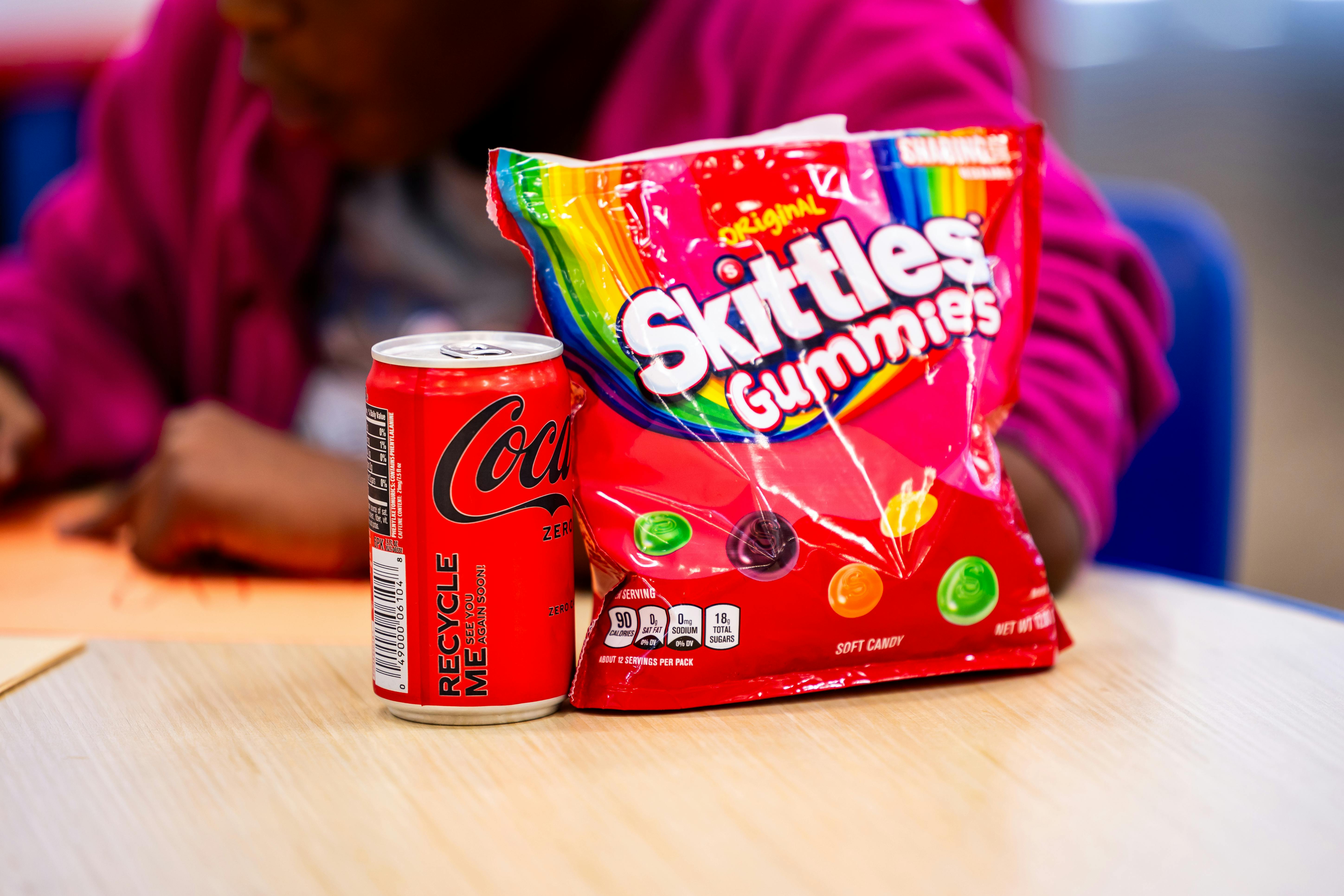
Texas has implemented a new policy that restricts the use of SNAP benefits for most candy and a broad range of sweetened drinks. The change stems from Senate Bill 379, approved during the 2025 legislative session and administered by the Texas Health and Human Services Commission. According to NBC DFW, the rule took effect statewide and applies to every SNAP household in Texas. That matters because SNAP serves more than 3.5 million people in the state, including children, seniors, veterans, people with disabilities, and low-income workers.
The practical effect is simple at checkout, even if the policy details are not. SNAP benefits can no longer be used to buy candy bars, gum, taffy, sour candy, and certain coated or candied fruit and nut products. The beverage rules are even more consequential because they sweep in many familiar drinks. Beverages with 5 grams or more of added sugar are restricted, and drinks containing any artificial sweetener are also ineligible, which means many sodas, energy drinks, and sports drinks are excluded.
Texas officials have framed the policy as a nutrition-focused move rather than a total ban on particular products. Families can still buy restricted items with cash, debit cards, or other non-SNAP funds. In other words, the state is not outlawing soda or candy. It is saying public food assistance dollars should be directed toward foods and beverages considered more nutritious.
That distinction is important because SNAP has long been both a nutrition program and an anti-hunger program. Debates over the program often center on whether its primary purpose is simply to increase food purchasing power or to shape dietary behavior. Texas has clearly leaned toward the second view with this rule change. The result is a policy that is easy to explain in principle but more complicated in practice, especially once shoppers start encountering edge cases in real stores.
The timing also matters. Grocery prices remain a strain for many families, and any change in benefit rules can quickly affect shopping habits. Even small restrictions can alter how households stretch limited budgets over a month. For some Texans, this will be a minor adjustment. For others, especially families accustomed to using SNAP for a few low-cost treats or convenience drinks, it may feel like a noticeable shift in what their benefits can do.
Which candy and drinks are affected, and what can still be bought
The new restrictions are broad enough that many shoppers will need to relearn parts of the beverage aisle. Under the Texas policy, most sweetened drinks are no longer SNAP-eligible if they contain 5 grams or more of added sugar. Drinks with artificial sweeteners are also excluded, which captures many diet sodas, zero-sugar soft drinks, and some flavored beverages marketed as lower-calorie alternatives. This means the rule is not limited to traditional sugary soda. It reaches into a much larger category of packaged drinks.
Candy restrictions also go beyond standard chocolate bars. The ineligible list includes gum, taffy, sour candy, and products such as nuts, raisins, or fruits that are candied, crystallized, glazed, or coated with chocolate, yogurt, or caramel. That level of detail matters because some foods can look like snacks with nutritional value while still being classified as candy-like under the rule. A shopper who assumes trail mix is allowed might be surprised if a chocolate-coated raisin product is blocked.
At the same time, many foods and drinks remain eligible, and this is where the policy becomes more nuanced. SNAP benefits can still be used for staple grocery items such as fruits, vegetables, meat, dairy, bread, cereal, rice, beans, and pantry basics. Several beverage categories also remain allowed. Milk and milk alternatives such as soy or rice milk still qualify, as do drinks with more than 50% fruit or vegetable juice.
There are also exceptions that may confuse shoppers at first. Drinks sweetened with natural sweeteners such as stevia or monk fruit can remain eligible if they contain less than 5 grams of added sugar. Medical-grade electrolyte drinks used to treat dehydration may also qualify if they are not labeled as sports drinks. That is the kind of distinction Celia Cole of Feeding Texas highlighted when she noted that people may ask why Pedialyte is allowed while Gatorade is not. From a policy standpoint, the difference may rest on labeling and formulation. From a shopper's standpoint, it can feel arbitrary.
This is why checkout systems will become the real test of the law. Families will not necessarily know every ingredient threshold or product classification before they shop. Retailers are expected to program systems so restricted items are automatically blocked from SNAP payment. In everyday terms, the scanner and payment terminal will often be the first place people learn whether a product still qualifies.
Why state officials and health experts support the restrictions

The state's core argument is straightforward: public nutrition benefits should prioritize nutritional value. Texas Health and Human Services has said the purpose of the change is to encourage purchases of foods such as fruits and vegetables rather than products seen as less healthy, especially candy and sugary drinks. From a public health perspective, this fits a long-running concern about added sugar in the American diet. Sweetened beverages in particular have often been singled out because they can deliver a large amount of sugar without making people feel full in the same way solid food does.
Nutrition experts say there is a legitimate case for targeting added sugars. Mikie Rangel, a clinical dietitian with Children's Health, told NBC DFW that foods with added sugars tend to be higher in calories and lower in nutrition. That combination can contribute to excessive weight gain when consumed too often. She also pointed to two other issues that resonate with parents and doctors alike: dental health and blood sugar stability. High sugar intake gives oral bacteria more fuel, increasing the risk of cavities, and it can lead to sharper blood sugar swings than less processed alternatives.
The policy may also have symbolic value. Governments often use food policy not only to alter purchasing patterns but to signal what healthy eating should look like. Restrictions on SNAP purchases send a message that benefits are designed to support dietary basics, not discretionary treats. Supporters believe that over time, such a message could influence both shopping norms and product demand, particularly among households trying to maximize nutritional value on a tight budget.
Still, even experts who support reducing sugar acknowledge that real life is messy. Rangel noted that sports drinks can serve a purpose for children engaged in intense activity lasting more than an hour. In that scenario, fluids and electrolytes matter, and a sports drink may be useful. The tension is obvious: a product can be nutritionally questionable in general use and still appropriate in a specific context. Public policy, however, tends to work with broad categories, not individualized decisions.
That is one reason these rules remain controversial even among people who agree with the health goals. A family may not object to the idea of reducing soda purchases but still feel frustrated when a drink they use for summer sports is no longer covered. The state is betting that the benefits of steering purchases away from added sugar will outweigh those practical annoyances. Whether that bet pays off will depend less on the principle than on how households actually adapt.
The questions families and retailers are likely to face
The biggest short-term issue is confusion. A family that has used SNAP for years may suddenly find familiar items rejected at checkout, even when those products seem similar to eligible ones nearby on the shelf. As Feeding Texas has warned, there will be a learning curve. The distinction between a medical hydration product and a sports drink may be clear to regulators, but it is not always obvious to a parent shopping quickly after work.
Importantly, SNAP recipients are not expected to be punished for trying to buy restricted items. Cole told NBC DFW that responsibility rests with retailers, which must make sure checkout systems are programmed correctly. That means the burden of compliance falls mainly on stores, not shoppers. Even so, the lived experience of an item being declined can be stressful, especially for families trying to stay within a strict food budget or avoid embarrassment in a checkout line.
Retailers, especially small grocers and convenience-oriented stores, may feel the effects in other ways. A Dallas store manager told NBC 5 they were concerned that in the current economy, many shoppers would not simply switch to paying out of pocket for candy or soda. If that proves true, stores could lose sales on items that previously moved regularly with SNAP purchases. For small businesses operating on thin margins, even modest declines in beverage and snack revenue can matter.
There is also the problem of product complexity. Beverage companies constantly reformulate drinks, market line extensions, and introduce products that blur traditional categories. A drink might be branded as an energy booster, hydration support beverage, sparkling juice blend, or low-sugar refreshment. Keeping point-of-sale systems up to date will require precise product coding and regular maintenance. If systems lag behind product changes, stores may wrongly block eligible items or allow ineligible ones.
For families, adaptation will likely happen aisle by aisle. Some will substitute juice, milk, or unsweetened drinks. Others may shift more of their limited cash toward items that SNAP no longer covers, leaving less money for other necessities. And some may simply stop buying those products as often. In that sense, the rule is not just about what is technically allowed. It is about how policy, technology, and household budgets interact in the very practical setting of a grocery store.
What happens next and how the policy could shape future SNAP debates

Texas is not treating this change as the end of the discussion. Under the federal waiver that allows the state to implement the restriction, Texas must survey SNAP recipients before and after rollout to measure whether the policy actually changes buying habits in a healthier direction. That requirement is crucial because it moves the debate from ideology to evidence. If the state cannot show meaningful dietary improvement, the case for maintaining or expanding the policy becomes weaker.
Lawmakers are expected to review the results when the Legislature reconvenes in 2027. That creates a clear policy checkpoint. If the data shows reduced purchases of added-sugar products and stronger spending on staple foods, supporters will likely claim the experiment worked. If the data instead reveals widespread confusion, limited nutritional gains, or unintended harm to families and retailers, legislators may revise the rules, narrow definitions, or build in exemptions.
The broader significance goes beyond Texas. SNAP policy has long been a national battleground over personal choice, public health, and the purpose of taxpayer-funded assistance. Other states have periodically explored restrictions on soda or candy, but implementation has often been difficult because of administrative complexity and federal approval requirements. Texas now becomes a high-profile test case. Policymakers elsewhere will be watching to see not only whether the rule changes behavior, but whether it can be enforced without excessive friction.
For the general public, the most useful way to understand this policy is to separate its intent from its effects. The intent is clear: reduce added sugar purchases with SNAP and nudge families toward more nutritious options. The effects are still unfolding and will depend on real behavior at checkout, at home, and across the retail market. Rules that look tidy on paper can produce surprising outcomes once they meet everyday life.
That is why the next two years will matter more than the headlines announcing the ban. If families find workable substitutes, if stores manage the transition smoothly, and if health indicators or purchasing patterns improve, Texas may argue it has found a viable new model for SNAP. If not, the state may discover that nutrition policy is far easier to design than to implement in a way that feels fair, understandable, and effective.