The 1970s were a golden age for convenience foods, bold packaging, and snack ideas that now seem strangely specific to their time. Some were packed with artificial colors, some leaned hard on novelty, and others reflected changing ideas about what families wanted in the pantry. Taken together, they offer a revealing snapshot of how Americans ate, shopped, and defined fun food half a century ago.
Space Food Sticks
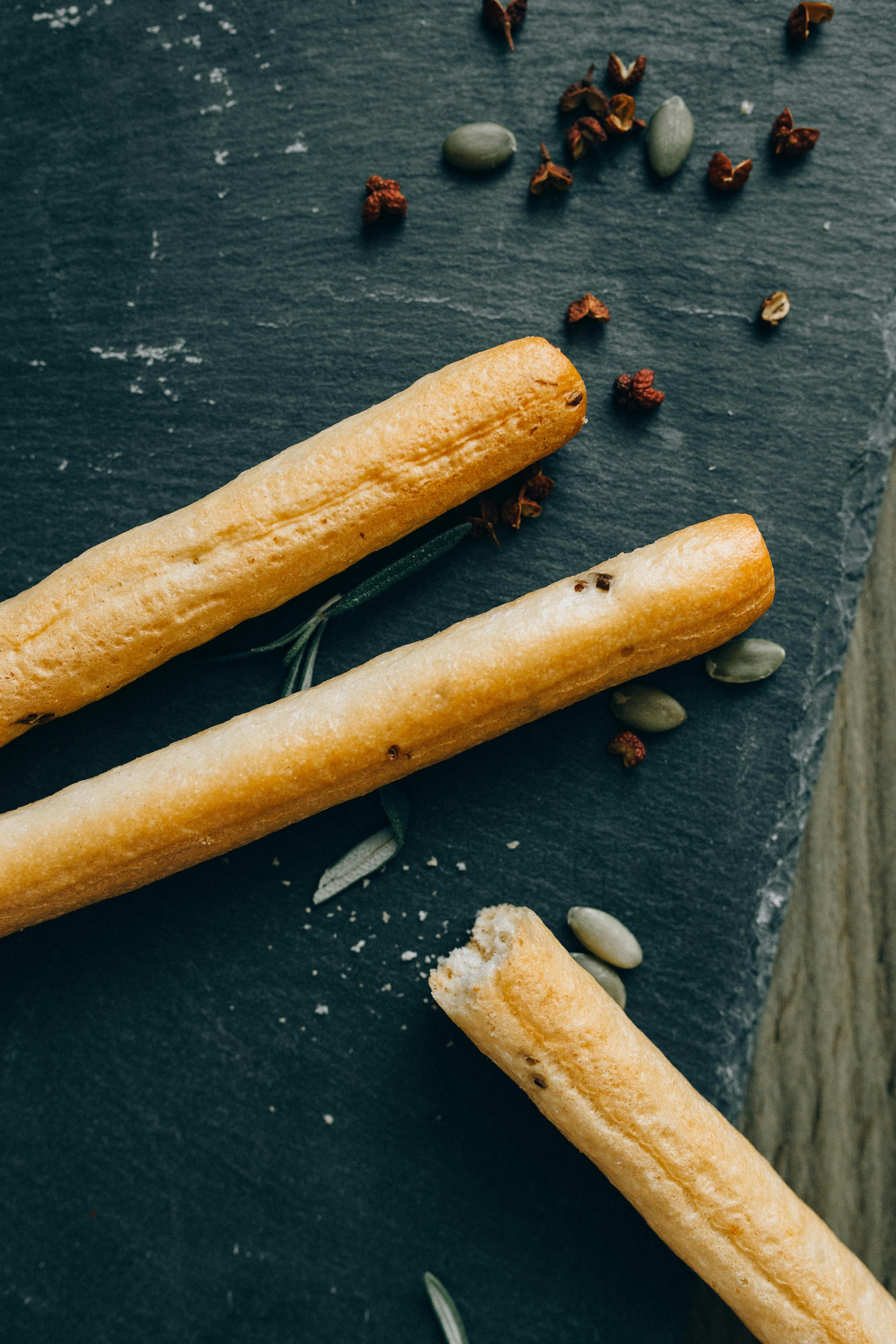
Few snacks captured the era's obsession with the future quite like Space Food Sticks. Introduced in the late 1960s and embraced through the '70s, they were chewy, cylindrical bars marketed with a space-age glow that made everyday snacking feel tied to astronauts and modern science.
What feels odd now is how heavily they leaned on the idea that engineered food was exciting in itself. Their dense texture, vitamin-fortified pitch, and almost utilitarian look made them seem more like a mission ration than a treat. Today's snack shoppers usually want either indulgence or clean-label wellness, and this product sat awkwardly between both worlds.
Cheese Balls in Giant Tubs
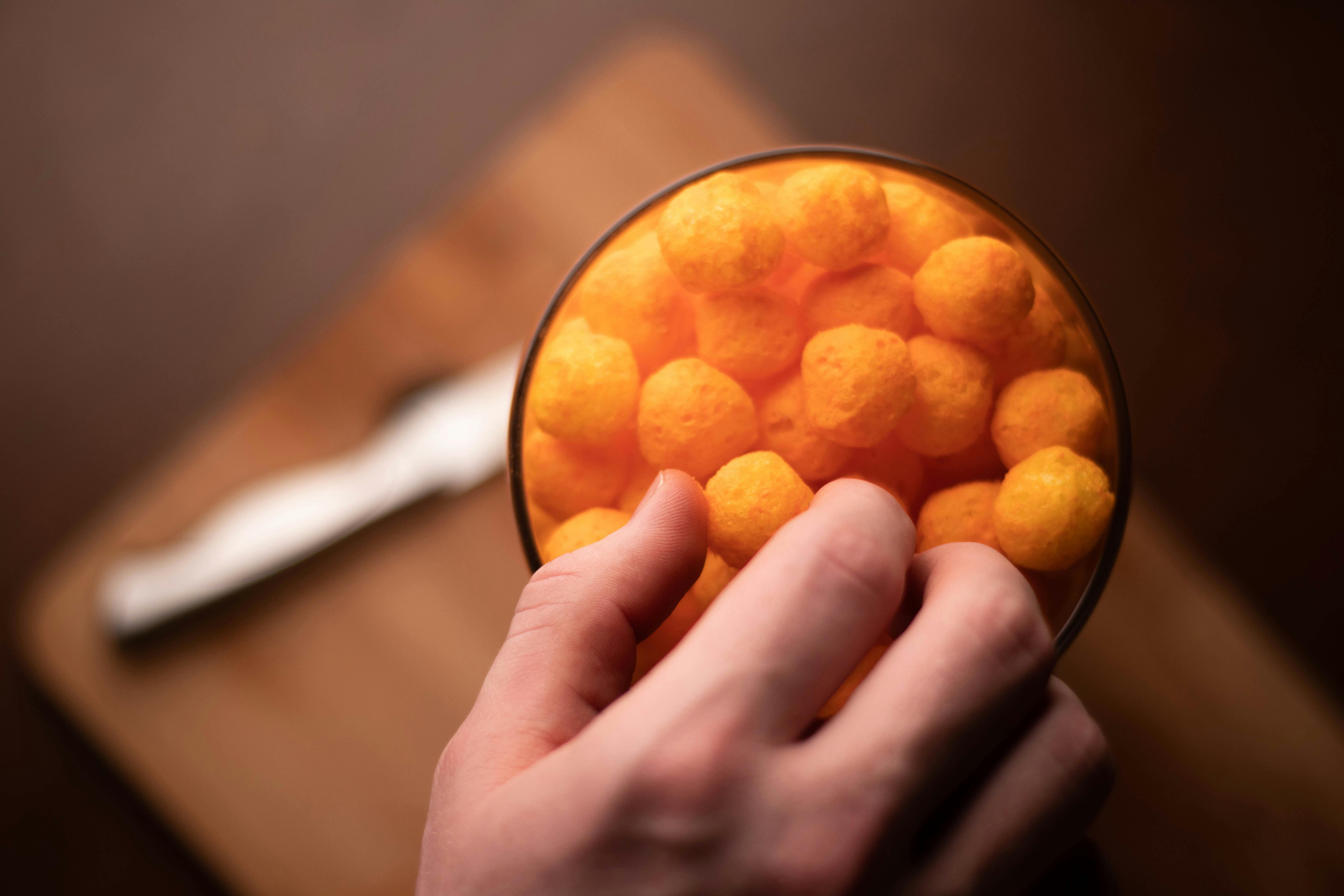
No snack better summed up party-table excess than fluorescent cheese balls sold in oversized plastic barrels. They were airy, intensely orange, aggressively cheesy, and impossible to eat neatly, which was part of their appeal in basements, rec rooms, and family gatherings.
What makes them feel dated today is their unapologetic artificiality. The color was brighter than actual cheese, the residue stained fingers instantly, and the packaging seemed built for abundance rather than moderation. While cheese puffs still exist, that giant tub format feels especially tied to an era when bigger was better and nobody worried much about whether a snack looked natural.
Hostess Chocodiles

Chocodiles took an already indulgent snack cake and pushed it even further. Essentially a chocolate-covered Twinkie, they turned the lunchbox treat into something richer, stickier, and even more over-the-top, which fit neatly into the decade's love of maximal packaged sweets.
They feel out of place today because they represent a style of snacking with very little disguise. There was no health halo, no artisanal spin, and no attempt to present them as balanced. It was cream-filled cake wrapped in chocolate, full stop. In a market now crowded with protein bars and less-sugar claims, that kind of direct, unabashed indulgence from a mass brand feels surprisingly old-fashioned.
Pizza Spins

Pizza-flavored snacks are still around, but Pizza Spins were a very specific kind of 1970s experiment. Their pinwheel shape and boldly seasoned coating tried to deliver the excitement of pizza in dry, crunchy form, tapping into the decade's enthusiasm for turning favorite meals into shelf-stable munchies.
What reads as unusual now is how aggressively literal the concept was. The seasoning aimed for a full pizza impression, often with a powerful mix of tomato, herbs, and powdered cheese that could taste louder than the real thing. They were less about nuance and more about novelty, a hallmark of a period when snack makers were eager to prove that almost any meal could be transformed into a processed nibble.
Fruit Brute Cereal as a Snack
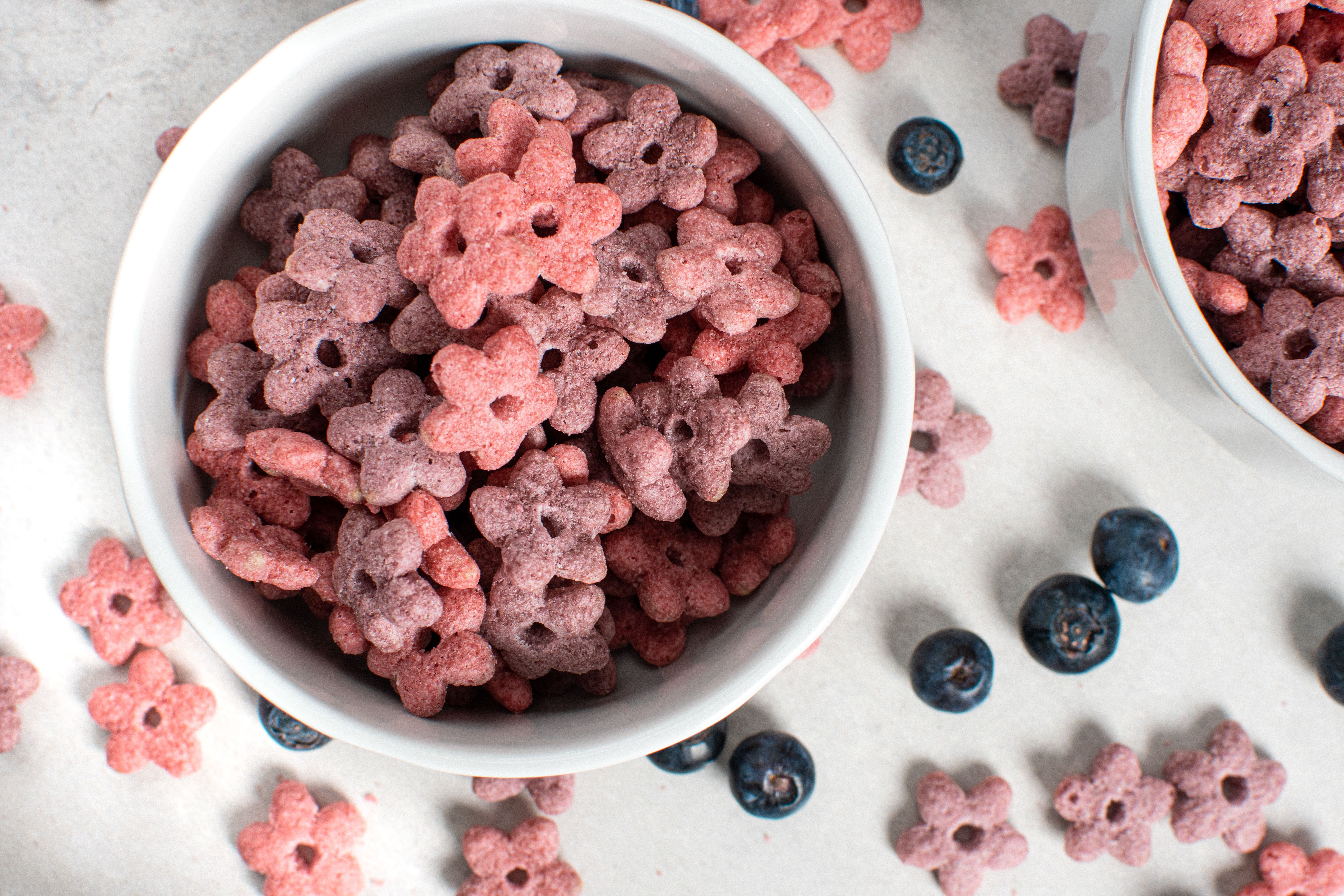
Monster cereals were breakfast foods on paper, but plenty of kids grabbed them dry by the handful like candy. Fruit Brute, with its sweet fruit flavor and cartoon werewolf branding, was especially close to the line between cereal and snack, which made it perfectly suited to the sugar-happy spirit of the era.
Today, what feels out of place is how openly playful and candy-like it was. Bright colors, marshmallow bits, and a character-driven box made it less about nourishment than fun. In a modern grocery aisle shaped by stricter messaging around sugar and nutrition, a cereal-snack this gleefully artificial feels like a product from a very different food culture.
Handi-Snacks with Red Plastic Sticks
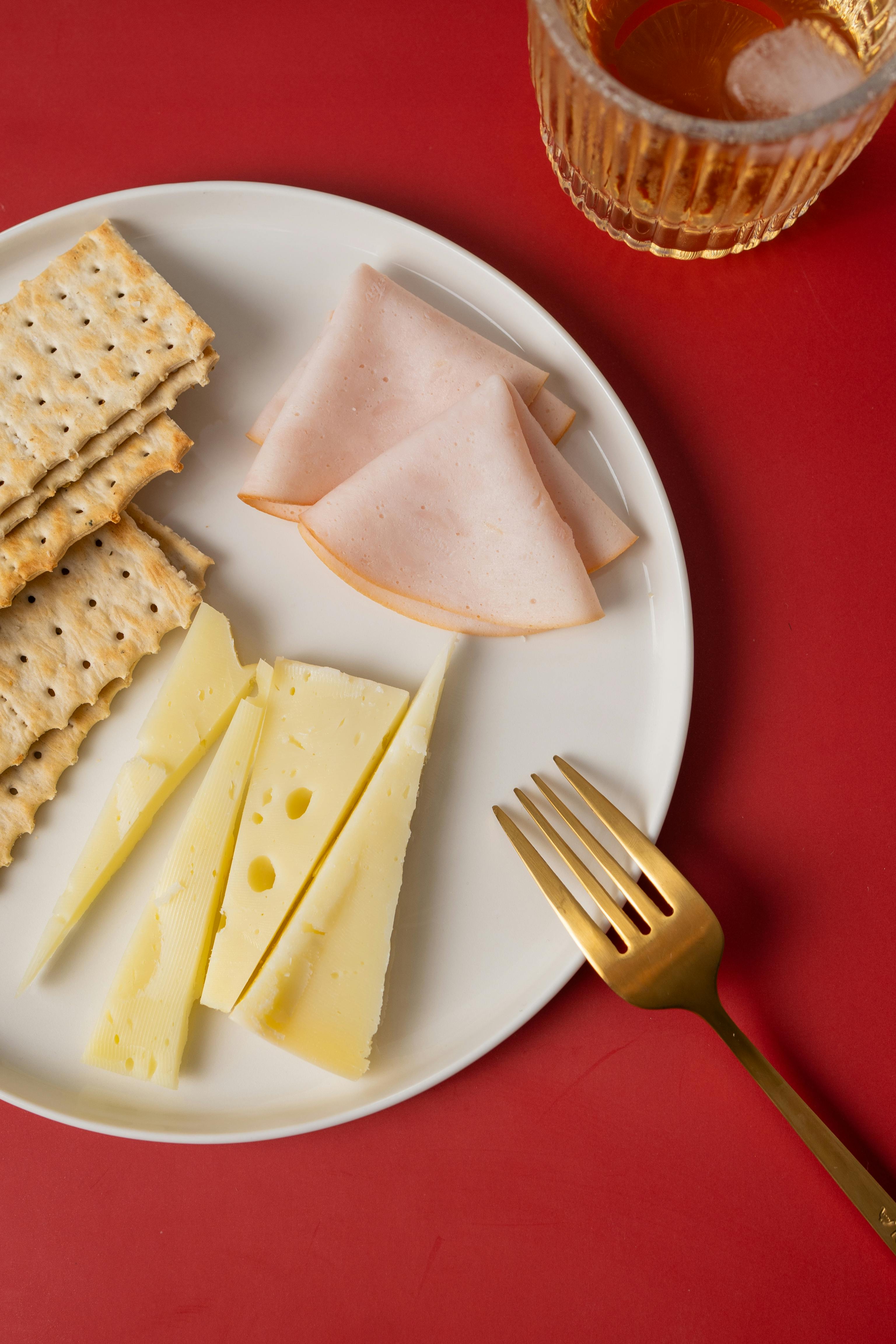
Handi-Snacks made snacking feel interactive before that was a marketing buzzword. Crackers on one side, spreadable cheese on the other, and a bright red plastic stick to do the work gave kids a tiny assembly project disguised as lunchbox fun.
Seen now, the whole setup feels surprisingly clunky. The cheese was shelf-stable and intensely processed, the portion was small, and the plastic tool adds a level of packaging that would raise eyebrows today. Yet that was part of the appeal in the '70s and after, when convenience foods often sold not just flavor but an experience, even if the experience was spreading neon-orange cheese with a tiny disposable paddle.
Carnation Breakfast Bars
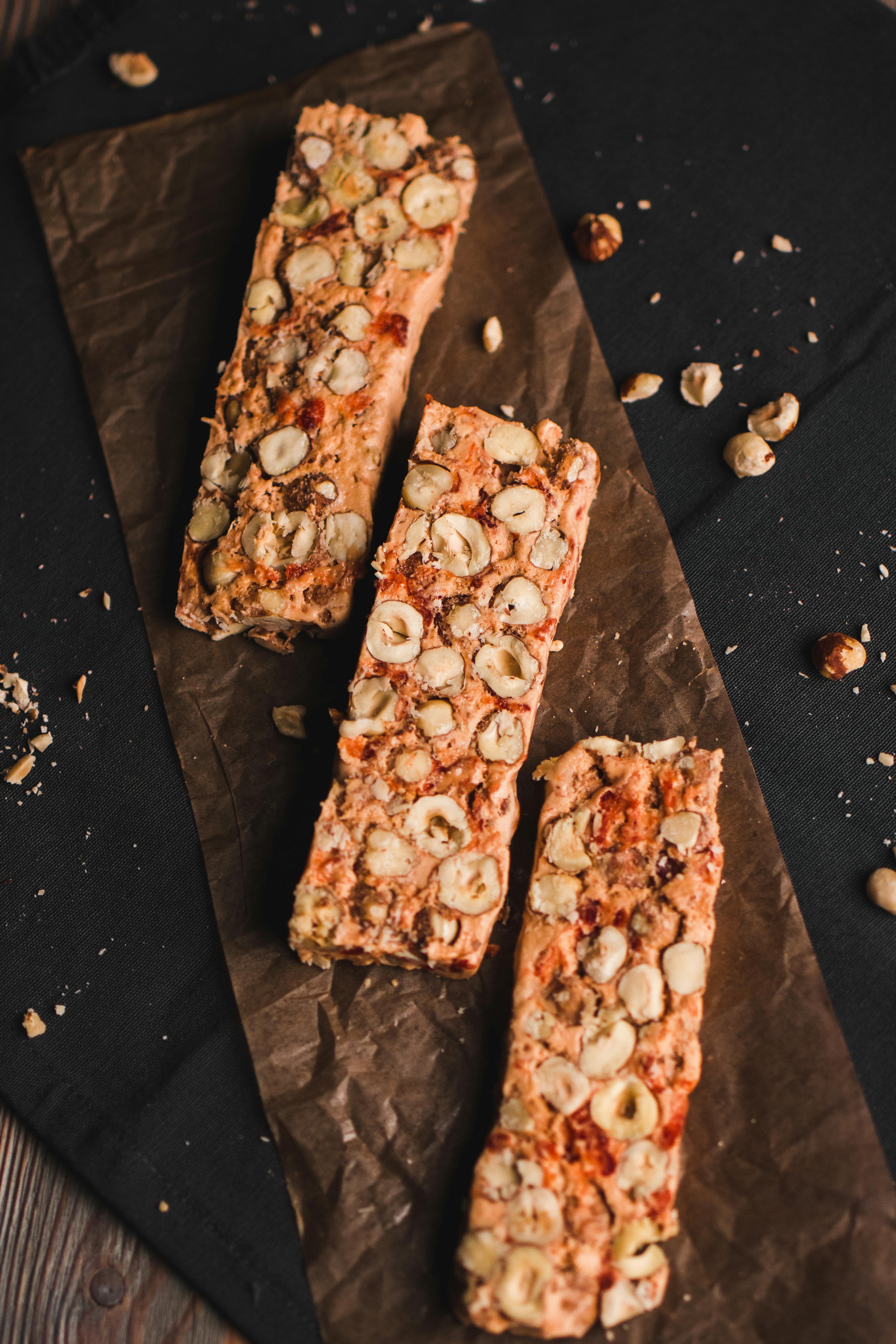
The breakfast bar boom owes something to products like Carnation Breakfast Bars, which treated a meal as something that could be compressed, wrapped, and eaten on the go. In the 1970s, that sounded modern and efficient, especially for households embracing convenience as a sign of progress.
What makes them feel out of place today is their identity as a meal replacement that still resembled a candy bar. They promised practical nutrition, but their texture and sweetness often landed closer to dessert than breakfast. Current consumers are used to bars loaded with protein claims, fiber counts, or natural ingredients, so these early bars now read as a transitional product from the rise of engineered convenience eating.