Value in grocery aisles does not mean what it used to mean. The Compliments refresh makes that clear, showing that shoppers now weigh price alongside trust, usability, and everyday quality.
A private-label update that says more than it shows
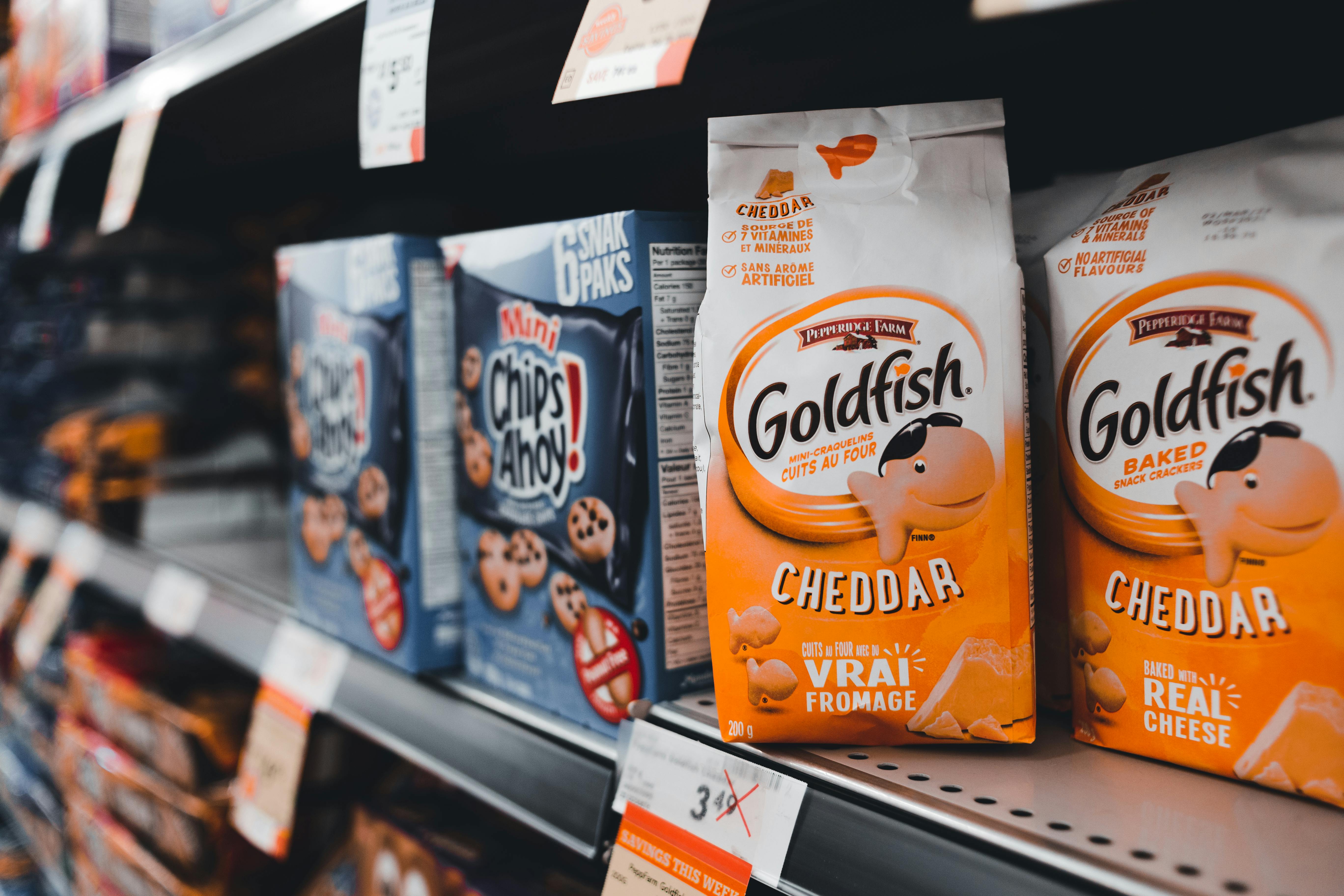
At first glance, a brand refresh can look cosmetic. New packaging, cleaner colors, and updated product photography often suggest a marketing exercise rather than a business shift. But in grocery retail, private-label redesigns usually signal something deeper. They reflect how chains believe customers are shopping, comparing, and making trade-offs in real time.
Compliments, the flagship private-label brand tied to Sobeys and its parent Empire, sits in a category that has changed dramatically over the past decade. Store brands were once seen mainly as cheaper substitutes for national labels. That view has weakened. Across North America, private label has moved closer to the center of household buying, especially as inflation pushed more consumers to test alternatives and then stay with them when quality met expectations.
That is why the Compliments refresh matters. It is not simply a visual modernization. It is a retail statement about what value means now. Shoppers are saying that lower price alone is not enough, but they are also making it clear that branding without substance will not work either. The winning formula is a product that feels dependable, easy to find, easy to understand, and worth bringing home again.
Retail analysts have noted that own-brand products perform best when they remove friction. Packaging must communicate quickly. Product tiers must be easy to distinguish. Claims around ingredients, taste, and use must feel believable. In that sense, a refresh is not just about looking current. It is about making a product easier to choose in a crowded aisle where every second of attention matters.
Shoppers now define value as a bundle, not a price tag

The old model of value was simple. If one product cost less than another, many consumers saw it as the value option. That framework still matters, especially when food prices remain elevated, but it no longer captures how most households actually buy. Today, value is bundled. It includes price, yes, but also durability, taste, quality consistency, portion utility, convenience, and confidence that the purchase will not disappoint.
The Compliments refresh fits that reality because private-label growth has been driven by a broader recalculation inside the home. Families are not only trying to cut bills. They are trying to reduce regret. A cheaper yogurt that no one eats is not value. A less expensive pasta sauce that tastes good, stacks neatly in the pantry, and becomes a repeat purchase is. Modern value is less about the shelf price in isolation and more about the cost per successful use.
Consumer research across food retail has repeatedly shown this pattern. During inflationary periods, shoppers may initially switch for savings, but many stay with store brands when product quality proves acceptable or even surprisingly good. That retention is crucial. It reveals that value is being judged after the purchase as much as before it. The in-cart decision starts with price, but the final verdict comes from the dinner table, lunchbox, or weekly restock.
This is where branding becomes practical rather than decorative. If packaging helps customers identify a line they trust, if naming is clear, and if product quality is consistent across categories, the brand earns repeat business. Compliments appears to be leaning into that logic. The refresh signals that value today means delivering a complete, reliable experience, not simply undercutting a national brand by a few cents.
Design now plays a direct role in the value equation
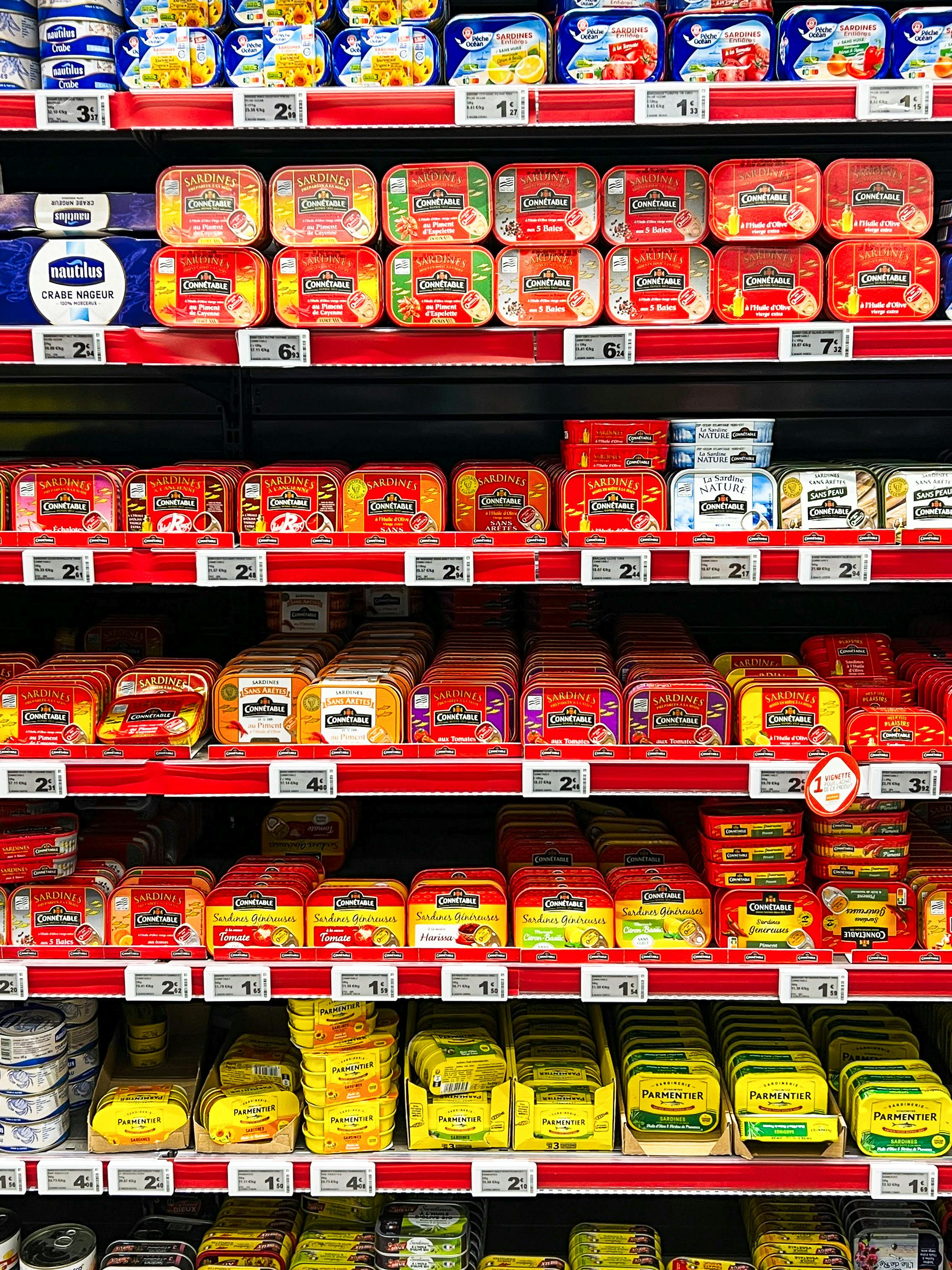
A shopper can only evaluate what they can quickly process. In a busy grocery environment, packaging design has become a major part of perceived value because it helps people make confident choices faster. This is especially important for private label, where one brand may span pantry staples, snacks, frozen foods, dairy, and prepared items. Without visual clarity, the brand can feel scattered. With clarity, it can feel trustworthy and organized.
The Compliments refresh appears to recognize that good design is not just an aesthetic upgrade. It is a service. Better hierarchy on the front of pack, stronger category cues, and a more coherent visual system reduce mental effort. That matters more than many retailers once admitted. Consumers are making dozens of micro-decisions in a single trip. When a package tells them exactly what it is, what kind of product line it belongs to, and why it is a sensible pick, that product gains an advantage.
There is also a status element to design, though not in a luxury sense. Many shoppers no longer want to feel they are sacrificing appearance when they buy store brands. A neatly designed box or jar can make a pantry, fridge, or dinner setting feel just as polished as one stocked with national labels. This may sound superficial, but it connects directly to behavior. If a customer feels good serving the product, the chance of repeat purchase rises.
Retailers have learned this lesson from both premium private-label success stories and discount chains that use simple but effective packaging systems. Aldi, Trader Joe's, and several European grocers have shown that design can elevate store-brand perception dramatically. In that broader context, the Compliments refresh suggests that value now includes dignity, ease, and visual confidence. People want products that save money without looking like compromises.
Inflation changed shopping habits, but it also raised standards
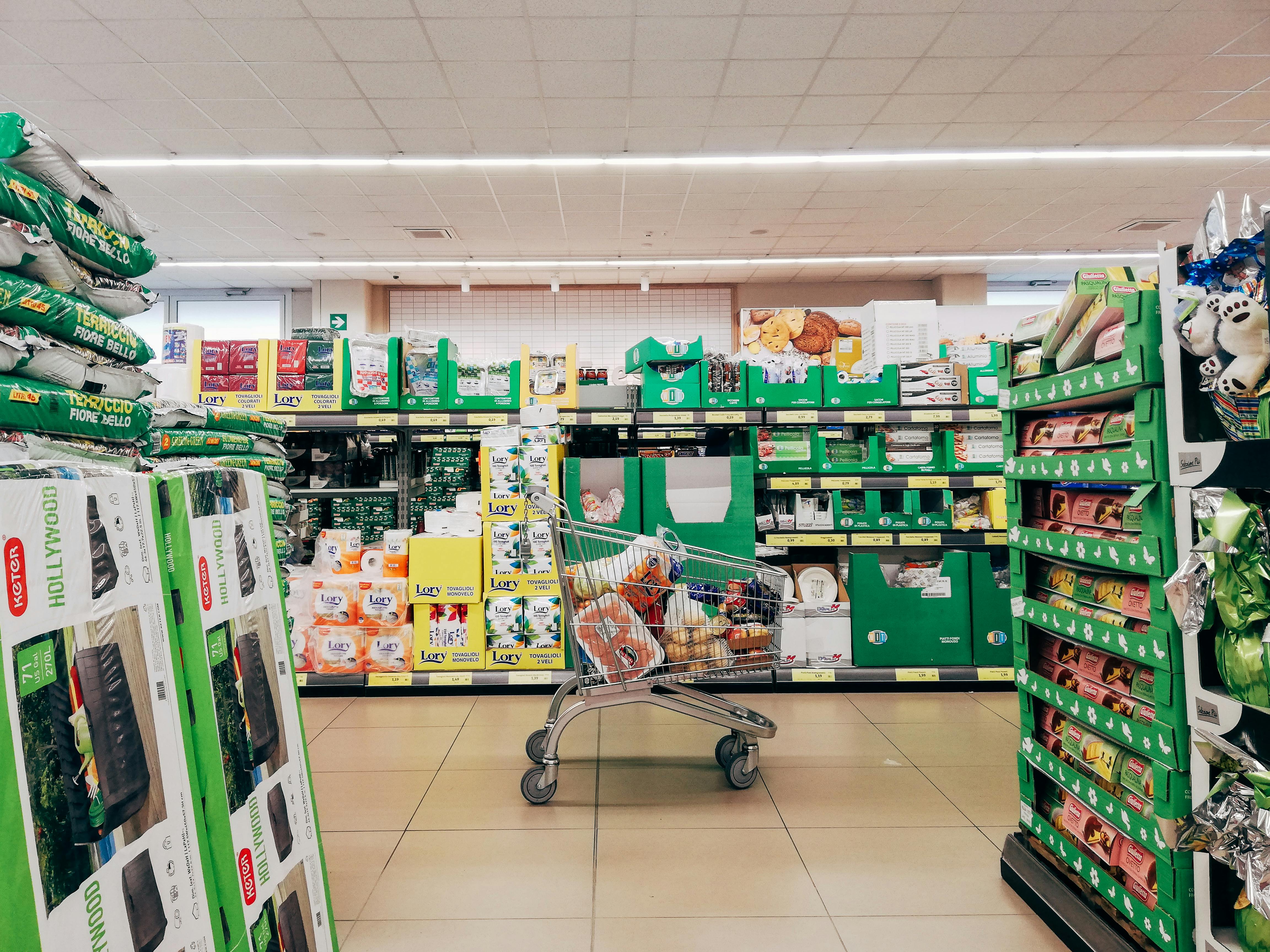
There is a common assumption that inflation makes shoppers less demanding. In reality, it often makes them more demanding because every purchase carries more weight. When grocery bills rise, households become tougher evaluators. They read labels more carefully, compare unit pricing more often, and notice quality failures faster. A private-label brand that wins during this period is not just cheaper. It is proving itself under closer scrutiny.
That context helps explain why a refresh like Compliments matters now. Inflation created an opening for store brands by pushing more people to experiment. But once that trial happened, performance became everything. If a cereal went stale too quickly, if a frozen meal disappointed, or if a cleaning staple felt weaker than expected, the customer might return to a national brand despite the price gap. Elevated costs did not erase standards. They sharpened them.
The broader grocery market supports this. Industry reporting from Canada and the United States has shown sustained private-label momentum as consumers continue to seek savings while remaining selective. At the same time, premium private-label segments have grown too, which is a striking detail. It means shoppers are not only trading down. They are trading across, choosing products that offer a stronger price-to-quality relationship than some branded alternatives.
In that environment, Compliments has to do two jobs at once. It must reassure budget-conscious shoppers that they are buying smart, and it must reassure quality-conscious shoppers that they are not settling. A refresh can support both goals if it reflects a disciplined product strategy behind the scenes. Better packaging can open the door, but consistent formulation, sourcing, and category management are what keep consumers walking through it.
Trust is becoming the true currency of store brands
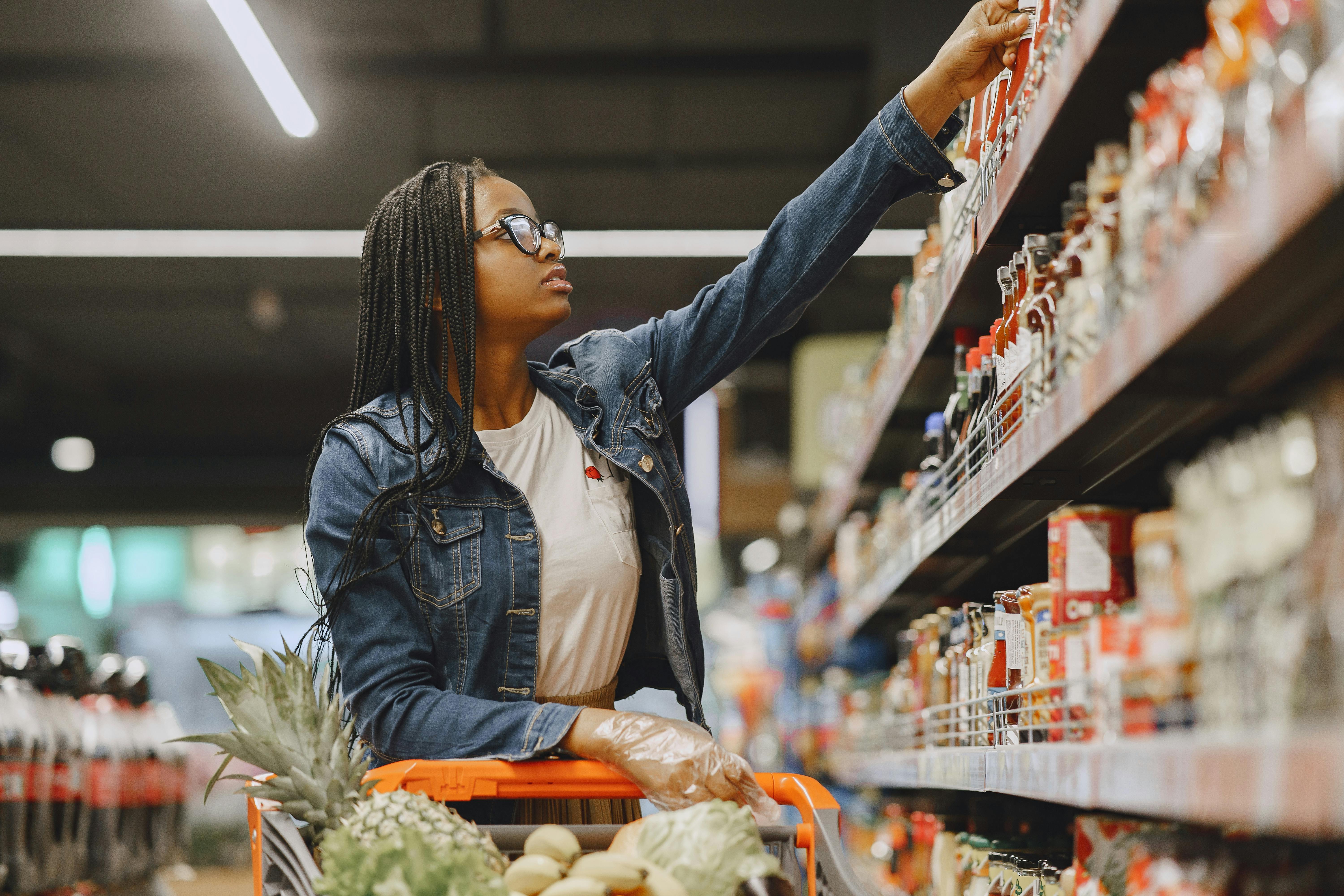
Private-label success ultimately depends on trust. A shopper may try a store brand because of price, but they keep buying it because the brand becomes predictable in the best way. That predictability is powerful in food retail. People want to know that the crackers will taste the same, the frozen vegetables will cook the same, and the pantry basics will deliver the same quality each time. Trust turns a low-risk experiment into a routine habit.
The Compliments refresh can be read as an effort to strengthen that trust visually and emotionally. A unified look across categories helps create a sense that the retailer is standing behind the full range, not offering a random assortment of low-cost substitutes. That matters because private label is closely tied to the store's reputation. When customers dislike a national brand, they blame the manufacturer. When they dislike a store brand, they often blame the retailer itself.
This is one reason major grocers invest heavily in tiered own-brand portfolios. They want clear distinctions between opening-price items, mainstream staples, and premium offerings. If those tiers are easy to understand, shoppers feel guided rather than confused. Compliments has long occupied an important middle space, where broad appeal depends on balancing accessibility with confidence. A refresh can sharpen that balance by making the brand feel more deliberate and more accountable.
Trust also now includes transparency and relevance. Shoppers increasingly care about ingredients, nutrition, preparation ease, and whether claims feel authentic. They may not investigate every product deeply, but they notice when information is missing or vague. In that sense, value is tied to honesty. A product that clearly tells consumers what it offers and then delivers on that promise earns more than a sale. It earns permission to become part of the weekly grocery routine.
What the Compliments refresh says about the future of grocery value
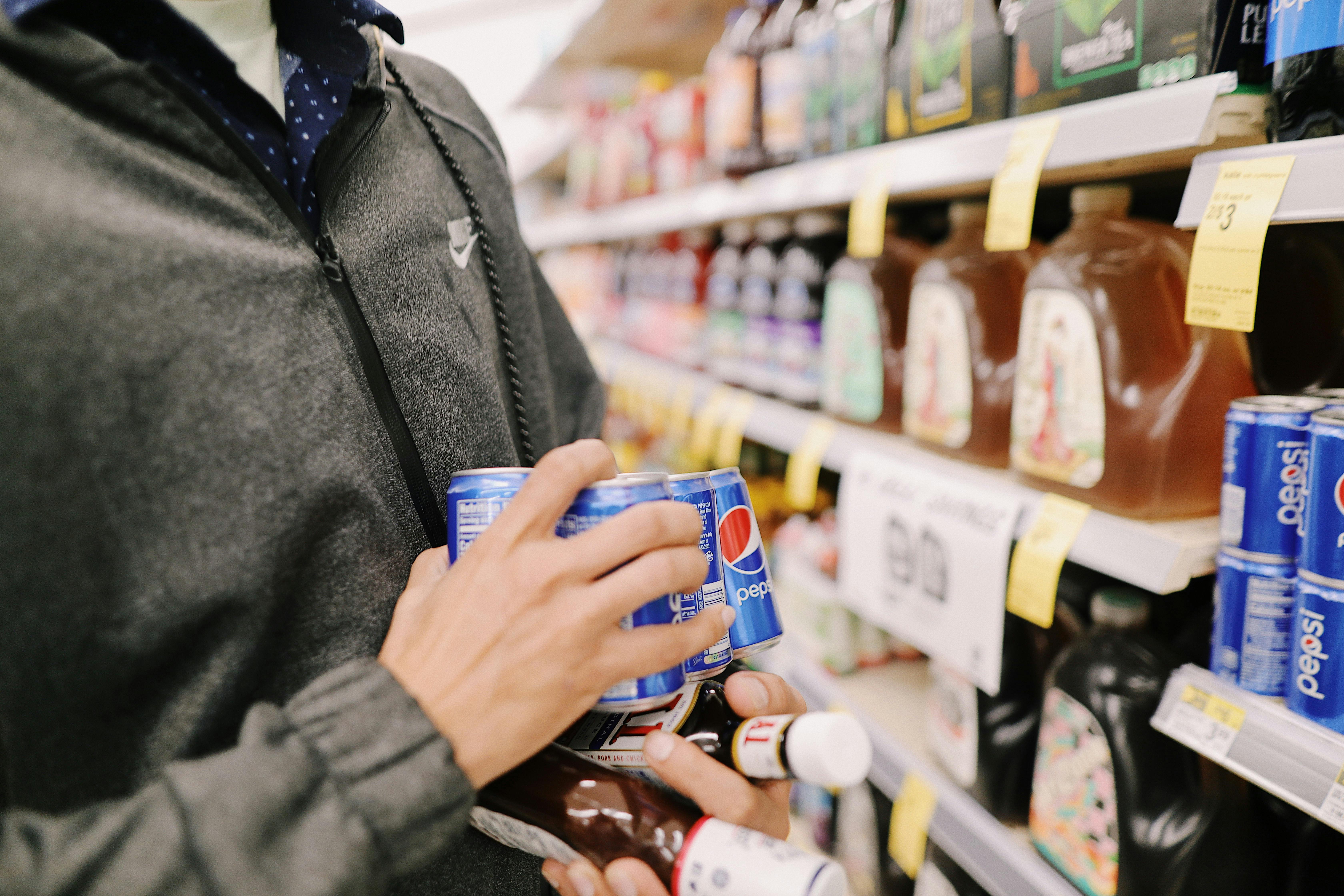
The larger lesson from the Compliments refresh is that grocery value has entered a more mature phase. Retailers can no longer rely on the old assumption that consumers see a sharp divide between cheap store brands and superior national brands. That line has blurred. Many shoppers now build baskets that mix both, choosing product by product based on whichever option feels smartest, most dependable, and most useful in daily life.
That shift creates pressure across the market. National brands must prove why they deserve a premium. Retailers must prove that their own brands are more than lower-priced stand-ins. The winners will be those that understand value as a complete system. Price remains the entry point, but quality consistency, package communication, product relevance, and emotional comfort all shape the final decision. The brands that connect these elements well will keep gaining ground.
For Compliments, the refresh is therefore more than a design update. It is a recognition that today's consumers are highly literate shoppers. They compare ingredients, formats, promotions, and visual signals quickly. They are open to change, but only if the product meets a rising baseline of trust and performance. In many households, store brands have already crossed that threshold. The task now is to deepen the relationship.
Seen this way, the update is less about chasing trends and more about meeting a new shopper standard. Value today means helping people spend carefully without feeling deprived. It means making affordability look competent, taste reliable, and fit naturally into everyday routines. The Compliments refresh captures that shift well. It shows that in modern grocery retail, value is no longer defined by what consumers give up. It is defined by how much they still get.