
Food safety is not a niche concern in Canada. It sits quietly behind everyday choices at the grocery store, in restaurants, and at the family dinner table.
Canadians care, but not in the way brands assume

Many food companies still treat safety as a background promise, something consumers only notice when a recall makes headlines. In practice, Canadians think about food safety far more often than the industry tends to admit.
Surveys from governments, public health agencies, and consumer researchers consistently show that Canadians link food safety with personal control. They worry about contamination, improper handling, and whether companies are telling the full truth when problems happen.
What stands out is that concern is not always driven by panic. For many households, food safety is practical. It is about protecting children, older relatives, and anyone with a weaker immune system from preventable risk.
Trust exists, but it is conditional and fragile

Canadians generally trust the national food system more than consumers in many countries where enforcement is weaker. The Canadian Food Inspection Agency, provincial inspectors, and public health units give people a basic sense that someone is watching the system.
Still, that trust is not blind. High-profile recalls involving deli meats, leafy greens, infant formula, and frozen fruit have taught consumers that strong regulation does not eliminate mistakes. It simply raises expectations for speed, honesty, and accountability.
According to food risk research in North America, public confidence can drop fast when communication feels delayed or overly technical. Canadians want plain language, clear recall instructions, and visible corrective action, not corporate reassurance that sounds rehearsed.
Price pressure is changing how safety is judged
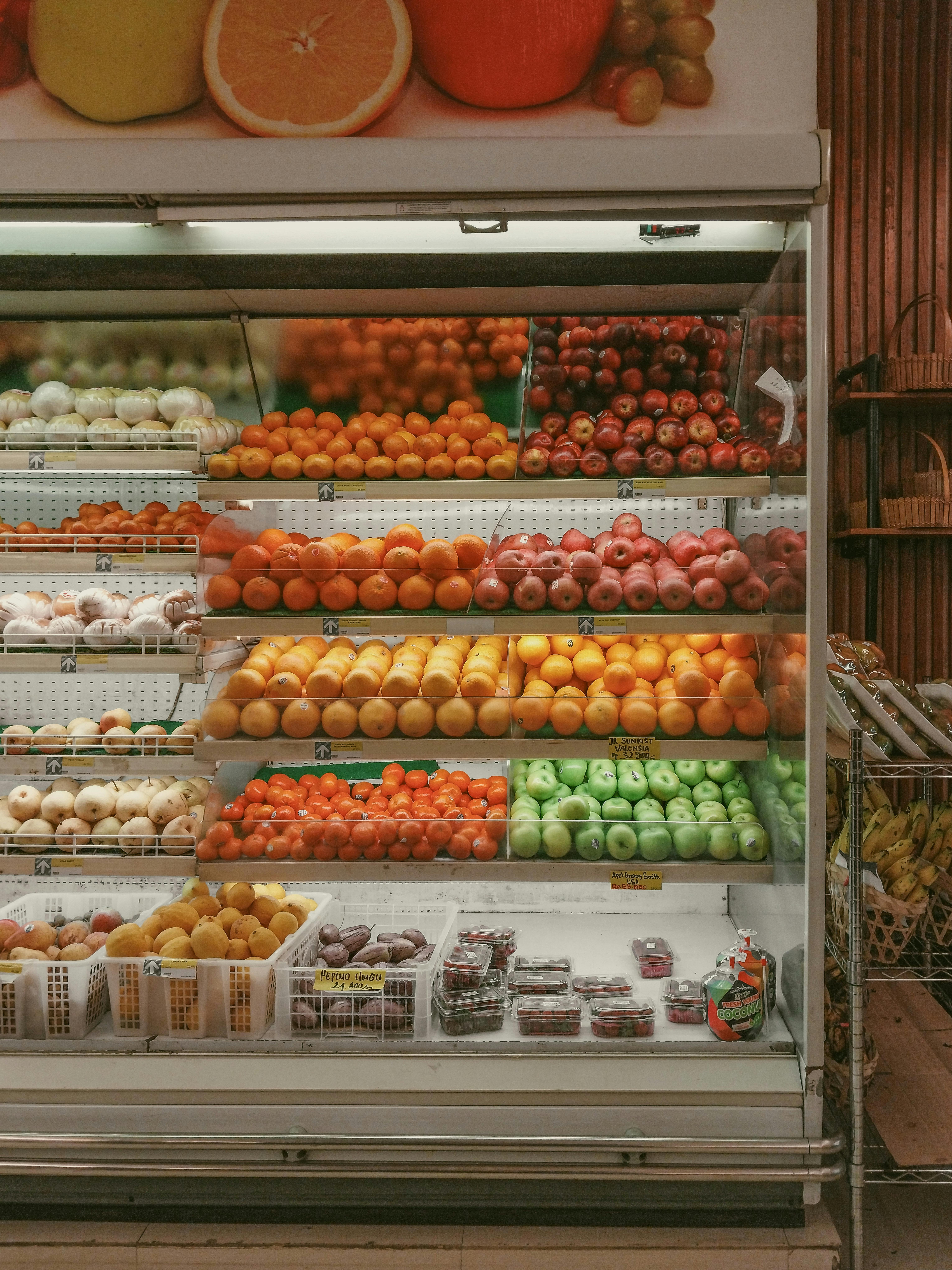
Inflation has changed the food conversation across Canada. When grocery bills rise sharply, many shoppers become more willing to buy discounted items, close-dated products, or lower-cost alternatives, even while saying safety remains a top priority.
That does not mean standards matter less. It means people are balancing risk against affordability. A parent comparing two packages of chicken may trust both as legally saleable, but still feel uneasy if one looks poorly sealed or is heavily marked down.
This is where the food industry may be misreading shoppers. Canadians often use price as a signal, but not a simple one. Cheap can suggest value, yet it can also trigger suspicion about freshness, storage quality, or hidden compromise.
Labels and transparency now matter as much as inspection

A growing number of Canadians want to know more than whether food passed inspection. They want to know where it came from, how it was handled, and what happened between production, transport, and the retail shelf.
This helps explain why traceability language has become more powerful. Country of origin, batch information, storage guidance, and best-before wording all shape whether consumers feel informed or exposed. Confusing labels make people doubt the entire product, not just the package.
Transparency also matters after something goes wrong. Brands that respond quickly, name the affected products clearly, and explain the cause often recover faster. Consumers can forgive mistakes more readily than they forgive vagueness or delay.
Younger consumers define safety more broadly

Older Canadians often think of food safety in classic terms such as bacteria, spoilage, and kitchen hygiene. Younger adults still care about those issues, but many also fold in pesticide use, antibiotic practices, allergens, and ultra-processed ingredients.
That broader definition is changing the market. For Gen Z and millennials, a product may be legally safe yet still feel questionable if it seems overly engineered, poorly sourced, or difficult to verify. Safety has become tied to trust, ethics, and transparency.
Social media reinforces this shift. It spreads useful warnings quickly, but it also amplifies fear and misinformation. As a result, food companies now have to answer not only to regulators and journalists, but also to highly networked consumers who compare notes in real time.
What the food industry should learn from this

The biggest lesson is simple. Canadians do not separate safety from value, honesty, and respect. They judge companies not only on whether harm is prevented, but on whether people feel informed before, during, and after a problem.
That means technical compliance alone is no longer enough as a public-facing strategy. Companies that invest in clearer packaging, stronger recall communication, visible training standards, and credible third-party verification will likely earn longer-lasting trust.
The surprise for the industry is that Canadians are neither complacent nor irrational. They are attentive, cost-conscious, and increasingly sophisticated. When brands understand that, food safety stops being a defensive obligation and becomes a core part of competitive strength.




Leave a Reply