
Sticker shock is now part of wedding planning in Canada. A catering quote that once looked generous can quickly climb once couples see what full-service hospitality actually includes.
The headline price is not just about the meal

At first glance, $180 per guest sounds like a luxury food bill. In practice, that figure usually covers a bundled service model rather than a single plate. Canadian caterers commonly price weddings as an all-in food and service package, especially for formal receptions.
That package often includes passed canapés, a multi-course dinner, dessert service, coffee, tea, bread, and non-alcoholic beverages. In many markets, especially Toronto, Vancouver, and Montreal, premium ingredients and customized menus push pricing upward faster than couples expect.
Seasonality matters too. Canadian produce, dairy, seafood, and meat costs have all faced pressure from inflation, weather disruption, and transportation expenses. Even before a chef starts cooking, ingredient procurement has become a larger share of the final invoice.
Labour is one of the biggest drivers of the final bill
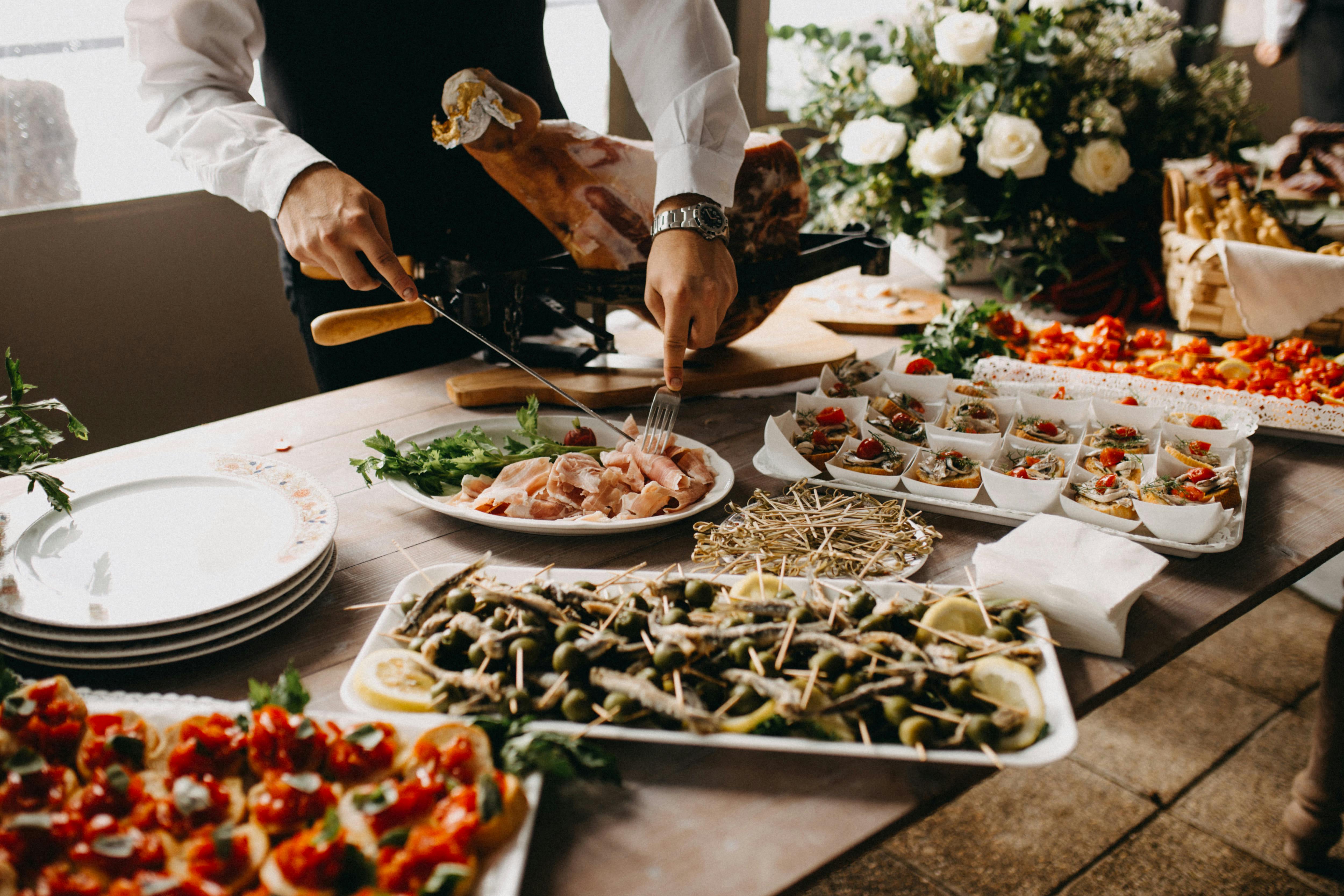
The most expensive part of many catering operations is not steak, salmon, or wedding cake. It is labour. A polished wedding dinner requires chefs, prep cooks, servers, bartenders, dish staff, captains, runners, and event managers working long hours across setup, service, and teardown.
Weddings also demand a higher staff-to-guest ratio than ordinary banquets. A plated dinner with synchronized service, allergy management, wine pouring, and table clearing takes precision. That level of coordination raises staffing needs, especially when service stretches over eight to twelve hours.
In Canada, labour costs have risen with higher wages, payroll taxes, insurance, and retention challenges in hospitality. Caterers are not only paying for the people present in the room. They are also covering prep teams, coordinators, and administrative staff behind the scenes.
Rentals, equipment, and venue conditions add up fast
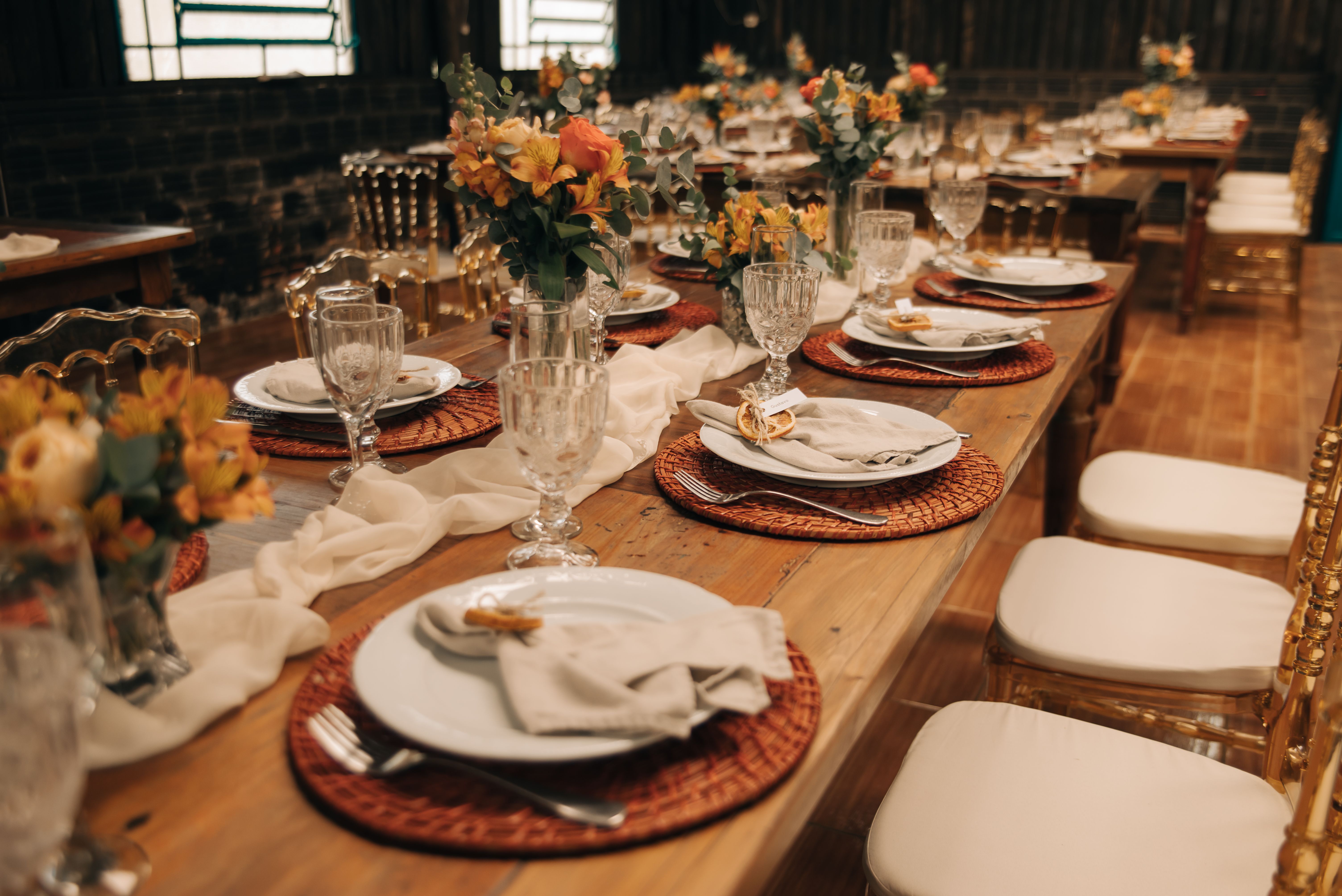
Here is where many budgets quietly expand. If a venue does not have a commercial kitchen, proper refrigeration, or sufficient dishware, the caterer must bring in much of the event infrastructure. That means ovens, hot boxes, prep tables, glassware, china, flatware, and linen support.
Outdoor weddings can be even more expensive. Field kitchens, generators, tent-side service stations, water access, and waste removal all create extra operational layers. A beautiful rural property may look simple, but servicing it can cost much more than working inside a hotel ballroom.
Rental pricing has also moved upward across Canada because of transport, breakage, warehouse handling, and cleaning costs. Couples may think they are paying for plates and forks. In reality, they are paying for a temporary restaurant to be built and removed in a single day.
Menu choices shape cost, but so does guest experience
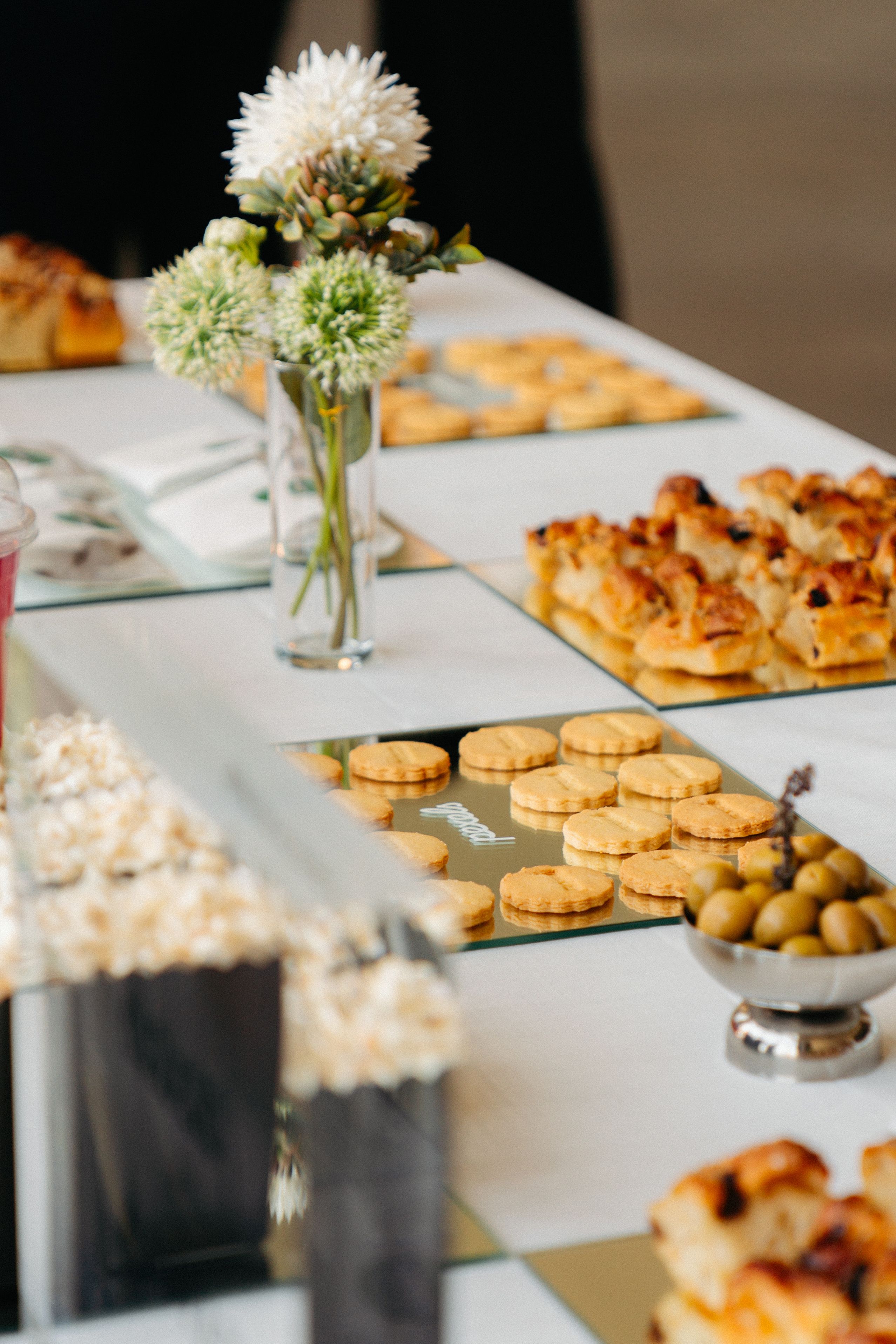
Food selections still matter. Beef tenderloin, fresh East Coast lobster, premium cheeses, raw bars, and late-night snack stations raise per-person costs quickly. Custom dietary meals can also increase complexity, particularly when caterers must produce separate vegan, halal, gluten-free, or allergen-safe dishes at scale.
Service style changes the budget as well. Plated meals usually require more staff and tighter timing, while buffets can reduce some labour but increase equipment and replenishment needs. Family-style service sits in the middle, offering warmth and abundance but requiring large-format platters and careful pacing.
Guest expectations have changed too. Many couples now want cocktail-hour theatrics, signature drinks, espresso bars, interactive stations, and after-midnight food. These additions improve the experience, but they also expand staffing, rentals, ingredients, and event duration.
Geography, logistics, and timing influence Canadian pricing

Location changes everything. A downtown Toronto wedding may carry high labour and venue access costs, while a remote Muskoka or Okanagan celebration can trigger travel, accommodation, mileage, and delivery surcharges. Distance affects every truckload, every refrigerated item, and every staff schedule.
Timing also matters more than most people realize. Saturday weddings in peak summer command premium rates because they compete for limited crews, rental inventory, and transportation windows. Holiday weekends often cost more, and shorter booking timelines can narrow menu flexibility and vendor availability.
Provincial differences matter as well. Taxes, liquor rules, supply chains, and regional food sourcing vary across Canada. A caterer in Calgary faces a different operating environment than one in Halifax, which is why similar guest counts can produce very different quotes.
What couples can do to control costs without sacrificing quality

The smartest savings usually come from structure, not from cutting corners on hospitality. Choosing an in-season menu, limiting protein options, or replacing an elaborate plated dessert with a well-executed sweets table can reduce costs while keeping the guest experience strong.
Venue choice is another major lever. A site with an existing kitchen, tables, chairs, and dishware can lower rental and logistics expenses significantly. Afternoon receptions, Sunday weddings, and shorter bar service windows may also bring better value without feeling cheap.
Most important, couples should ask for transparent line items. A strong caterer will explain staffing, rentals, service charges, gratuities, corkage, cake cutting, and overtime clearly. Once the bill is broken down, that $180 per guest starts to look less like excess and more like a complex live event delivered at restaurant-level standards for hundreds at once.




Leave a Reply