
Canada takes its coffee seriously, but the biggest chains do not all deliver the same experience. For this ranking, we looked at the major national players Canadians are most likely to encounter and ordered them by reach, consistency, menu breadth and how compelling the overall stop feels today.
Country Style

Country Style has history on its side. The chain dates back to 1963, which gives it deep roots in Ontario and a loyal following among people who remember its earlier peak.
Today, though, scale matters in a ranking like this, and Country Style simply does not have the same national presence as larger rivals. Its smaller footprint means fewer chances to become a default stop for travellers, commuters and office workers across Canada.
The menu covers the basics, including coffee, donuts and breakfast items, but it does not stand out as strongly on variety or convenience. In a category where chains keep expanding into cold drinks, espresso and snack pairings, Country Style feels more limited.
There is still value in a straightforward coffee shop that knows its lane. Even so, among Canada's biggest chains, this one lands last because its reach and momentum are more modest than the rest.
Second Cup Café

Second Cup has long positioned itself as a more café-like alternative to fast service coffee counters. That gives it a distinct identity, especially for customers who want espresso drinks in a setting that feels a bit more relaxed.
The challenge is visibility. Compared with the largest chains, Second Cup has a much smaller store base, so it is not as woven into everyday Canadian routines. A chain can make good drinks and still lose ground if people do not regularly pass one on the way to work.
Its menu does offer familiar specialty beverages, teas and light food, which helps it compete beyond plain drip coffee. Still, it does not match the sheer convenience or broad national ubiquity of the brands ranked above it.
Second Cup remains recognizable and established, but this list rewards chains that combine quality with scale. On that measure, it sits in the lower half.
Starbucks

Starbucks changed what many Canadians expect from a coffee chain. It helped make lattes, cold brew and seasonal drinks part of daily mainstream ordering rather than occasional treats.
Its strength is menu depth. Few chains match its range of espresso drinks, refreshers, teas and customizable options. For customers who want milk alternatives, flavored syrups or a very specific order, Starbucks is built for that level of choice.
The reason it does not rank higher comes down to value and accessibility. Starbucks is widespread, but not as omnipresent in many Canadian communities as the very biggest homegrown names, and its pricing can push it out of everyday territory for some customers.
As a café brand, it remains hugely influential. As an all-around chain for the broadest slice of Canadians, it lands in the middle.
McCafé
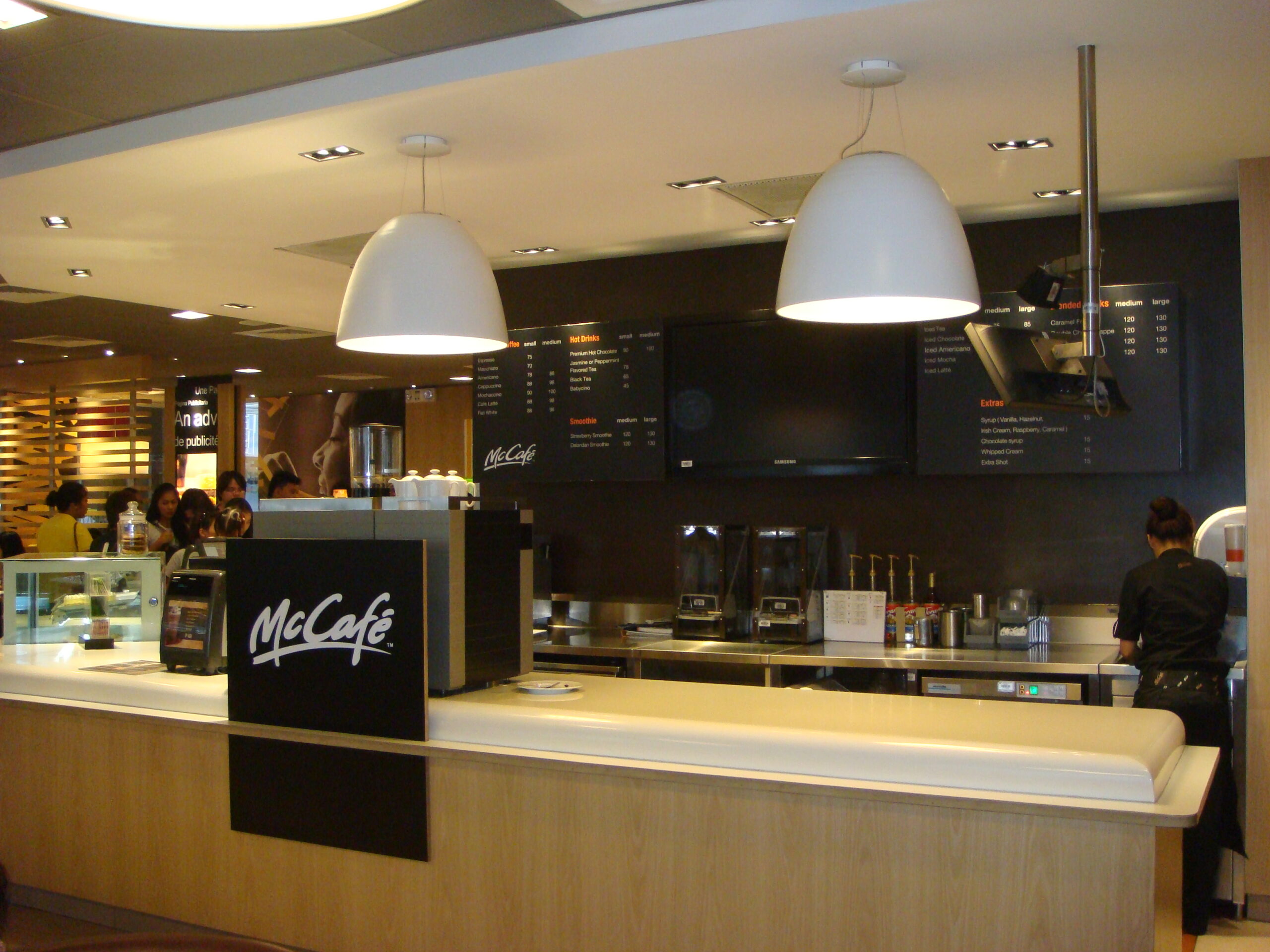
McCafé benefits from one simple advantage: McDonald's is everywhere. That makes it one of the easiest coffee options to find, whether you are in a downtown core, at a highway stop or grabbing breakfast through a drive-thru.
Convenience is only part of the story. McCafé also has a broad appeal because it pairs coffee with one of the country's most familiar quick service breakfast menus. For many customers, adding a coffee to a breakfast sandwich or hash browns order is effortless.
It also performs well on value. McCafé has built a reputation as an affordable everyday option, which matters in a market where specialty coffee prices can add up quickly over a workweek.
It stops short of the top two because coffee is only one part of the overall brand identity. Even so, as a practical chain that fits neatly into daily routines, it ranks high.
A&W Coffee

A&W is not usually the first name people mention in a coffee conversation, and that is exactly what makes its placement interesting. Its coffee offer tends to be overshadowed by burgers and breakfast, yet the chain has a broad presence and a dependable routine-friendly format.
In many communities, A&W functions as an easy morning stop with drive-thru access and a breakfast menu that complements a basic coffee order. That may sound simple, but simplicity can be a real strength when people want speed and consistency.
It also benefits from being a familiar Canadian brand with locations spread widely across the country. While it is not a coffee specialist in the same way as some competitors, it succeeds as a reliable everyday choice.
This is the most controversial placement on the list, and fairly so. Still, judged on reach, convenience and the complete stop, A&W earns the runner-up spot.
Tim Hortons
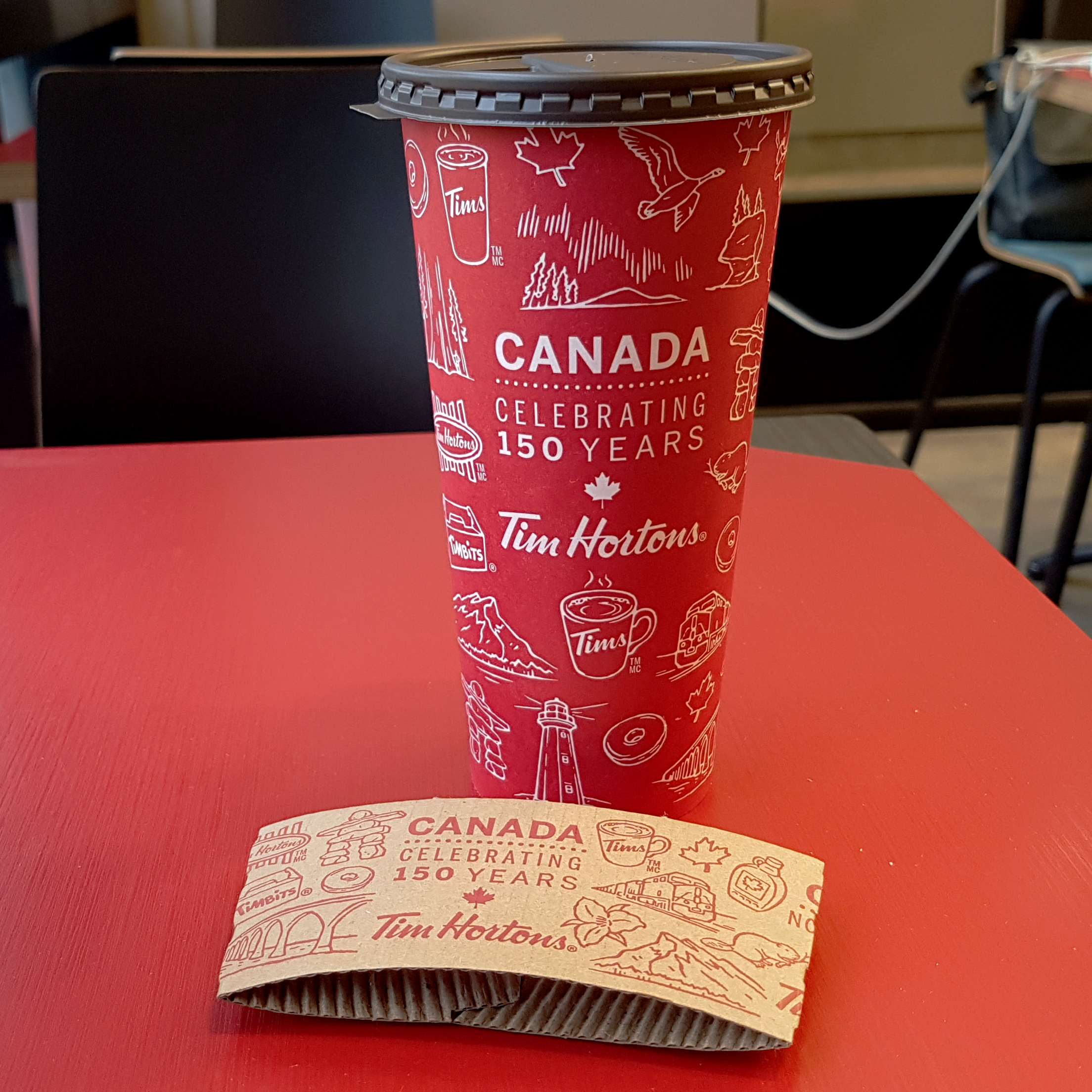
Tim Hortons takes the top spot because no other coffee chain is as embedded in Canadian daily life. Its scale is massive, its name recognition is unmatched and its locations are part of routines that stretch from urban mornings to highway rest stops.
The menu has grown far beyond coffee and donuts. Breakfast sandwiches, wraps, baked goods, iced drinks and lunch items make it less of a single-purpose stop and more of an all-day chain built around speed and familiarity.
Critics will point out that being the biggest does not automatically make it the best. That is true, and this ranking is bound to spark debate. But when reach, convenience, menu range and cultural presence all count, Tim Hortons remains the chain to beat.




Leave a Reply