
Turmeric's rise into modern food culture looks almost glamorous today. But its earlier history includes a far less flattering chapter: it was once used to imitate saffron, one of the world's most valuable spices.
Why saffron was worth faking
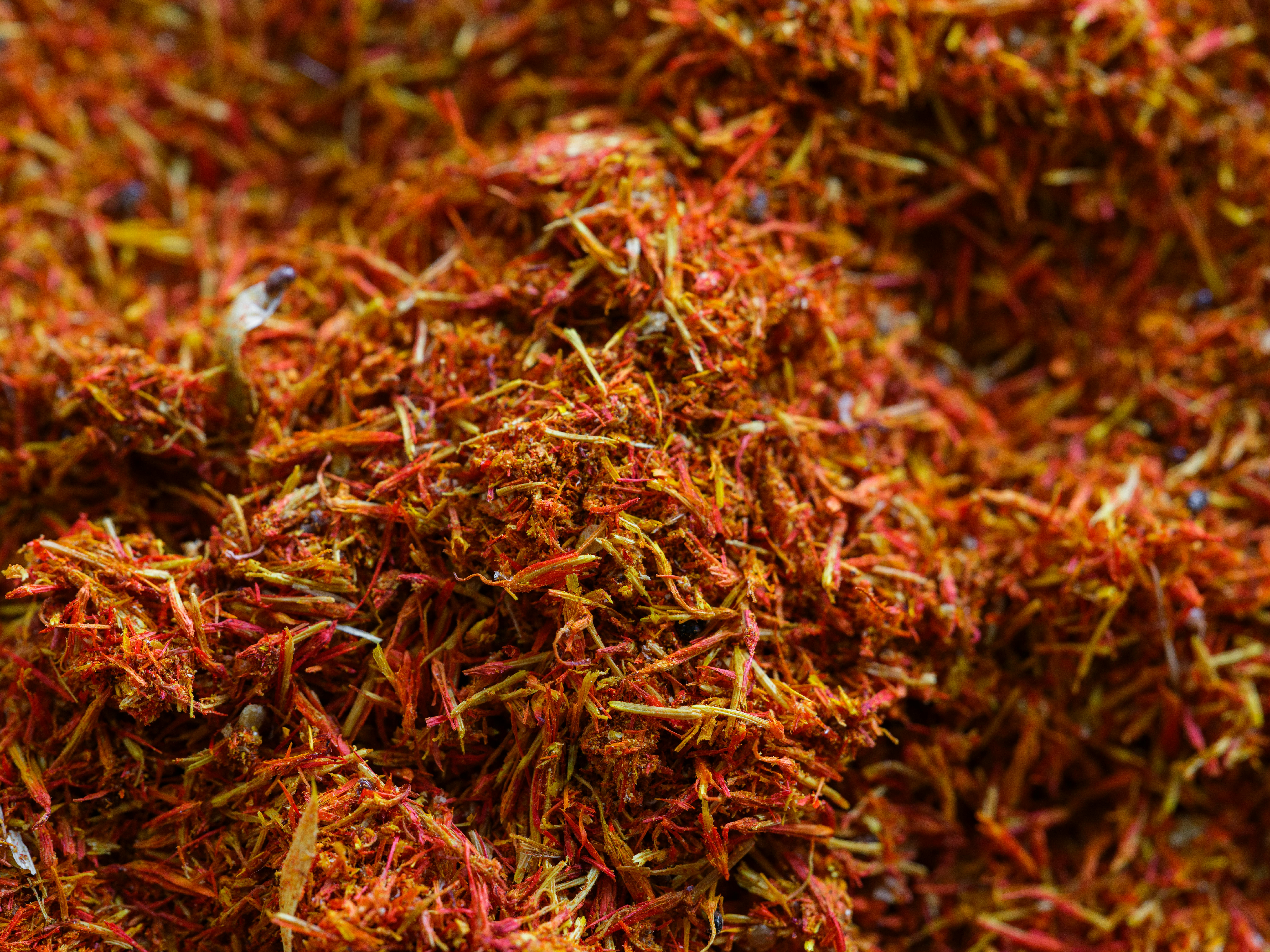
Saffron has always invited imitation because it is costly to produce and visually distinctive. Harvesting it requires hand-picking the crimson stigmas of Crocus sativus flowers, and vast numbers of blossoms are needed to produce even a small amount. That labor burden made saffron expensive for centuries, especially in Europe and the Middle East.
Its value was not just culinary. Saffron colored foods a rich golden-yellow, scented dishes with a floral, hay-like aroma, and carried medicinal and symbolic prestige. In elite kitchens, it signaled status as much as taste.
That combination of rarity, color, and cachet made saffron an obvious target for adulteration. Traders and sellers across different periods looked for cheaper ways to mimic its most visible trait: the color. Turmeric, with its strong yellow pigment, became one of the practical substitutes.
How turmeric was used to imitate it
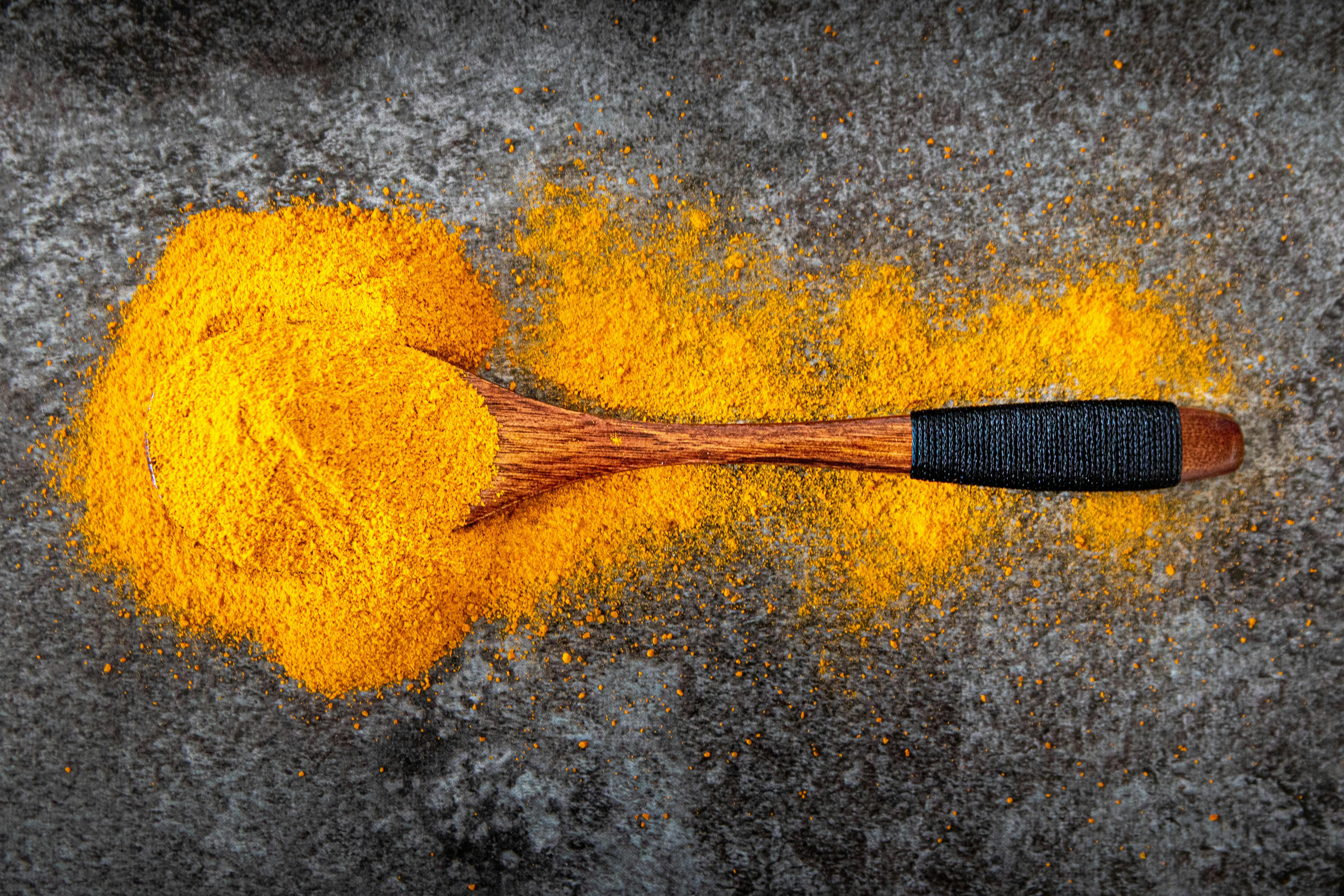
The deception worked because many buyers judged saffron quickly, often by appearance before aroma or flavor. Turmeric could be dried, ground, and blended into powders or preparations meant to resemble saffron's coloring power. In some cases, it was mixed with other plant matter to make the fraud less obvious.
Turmeric could not truly reproduce saffron's flavor. Saffron is subtle, aromatic, and slightly sweet-earthy, while turmeric is more bitter, rooty, and pungent. But in heavily seasoned foods, especially where color mattered more than nuance, the substitution could pass unnoticed.
Food historians have long noted that spice fraud was common where supply chains were long and regulation weak. Once a spice changed hands repeatedly between growers, merchants, and retailers, adulteration became easier to hide and harder to prove.
What this says about old food markets
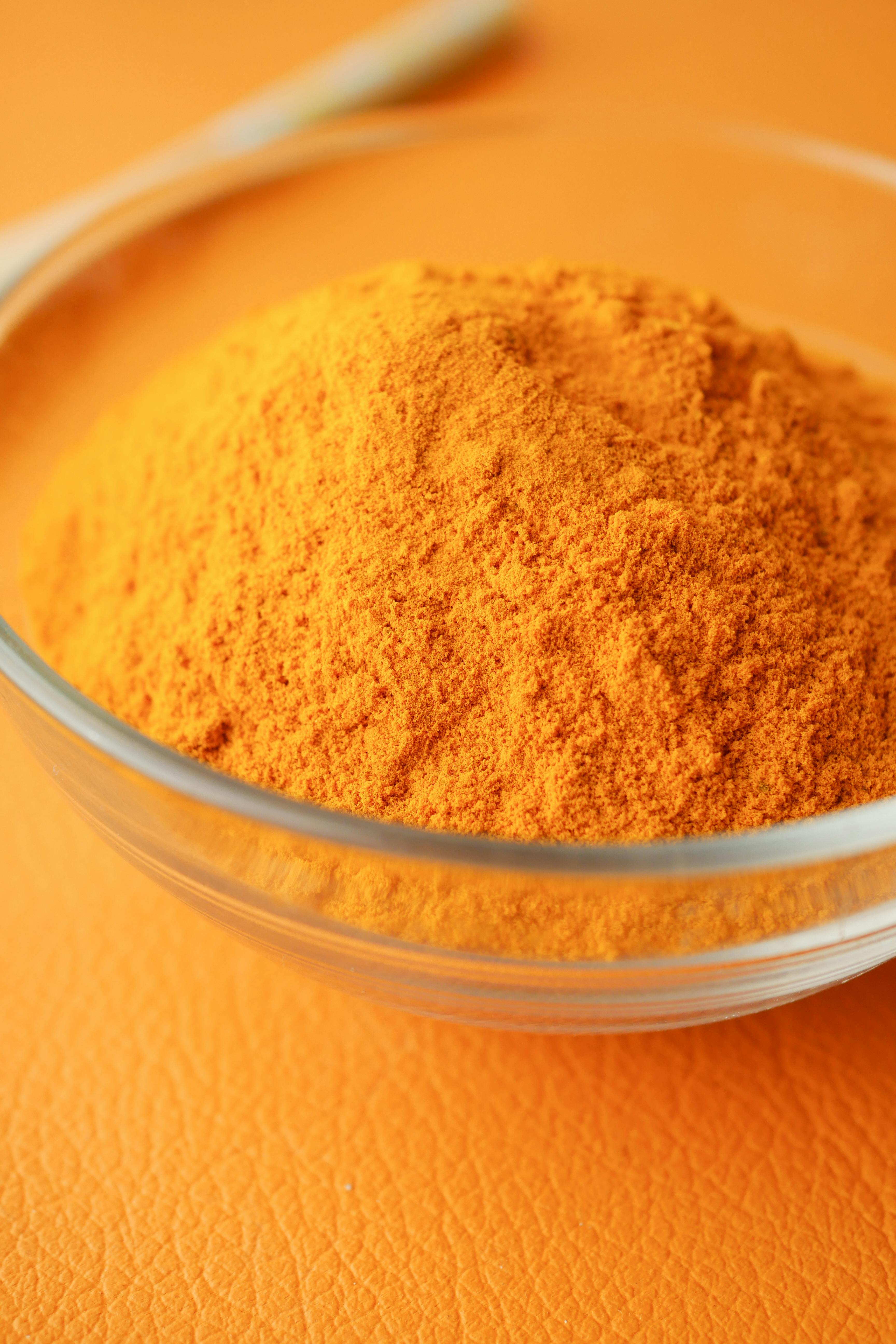
Seen broadly, turmeric's use as fake saffron reveals how premodern food markets operated under constant information gaps. Buyers often relied on trust, reputation, and incomplete inspection rather than laboratory testing. That made premium goods vulnerable to manipulation.
Spices were especially susceptible because they were dried, transported over long distances, and sold at high margins. Pepper, cinnamon, and saffron all faced adulteration in various forms. Turmeric simply happened to be an efficient tool for copying saffron's most marketable quality.
Authorities did try to intervene. Across parts of Europe, civic regulations and guild standards sometimes targeted fraudulent spice selling, according to historical accounts of medieval and early modern trade. But enforcement was uneven, and counterfeit practices persisted whenever profit outweighed risk.
Why turmeric was never just a counterfeit
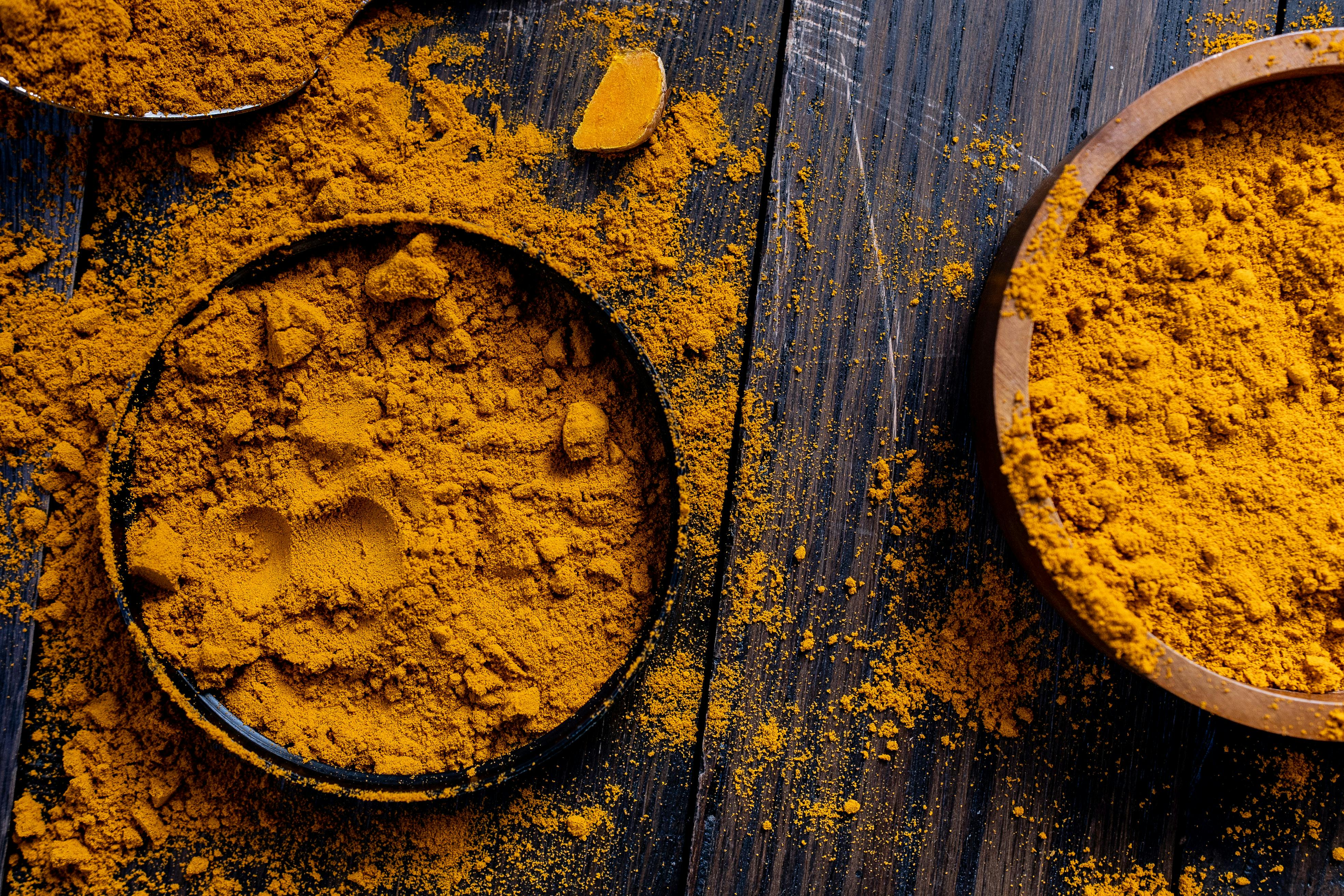
That older misuse should not obscure turmeric's authentic history. For centuries, it has been a legitimate ingredient in South Asian, Southeast Asian, and Middle Eastern cooking, valued for its earthy flavor, color, and preservative qualities. It was never merely a fake version of something grander.
Turmeric also had longstanding importance beyond the kitchen. It appeared in traditional medicine systems, ritual practices, textile dyeing, and household remedies. Its cultural depth was far richer than its role in adulteration suggests.
In India especially, turmeric has been central to daily life for generations. It seasons lentils, vegetables, rice dishes, and pickles, while also carrying ceremonial meaning. What looked like a cheap substitute in one market was, in another context, a respected staple with its own identity.
How turmeric became a modern food trend
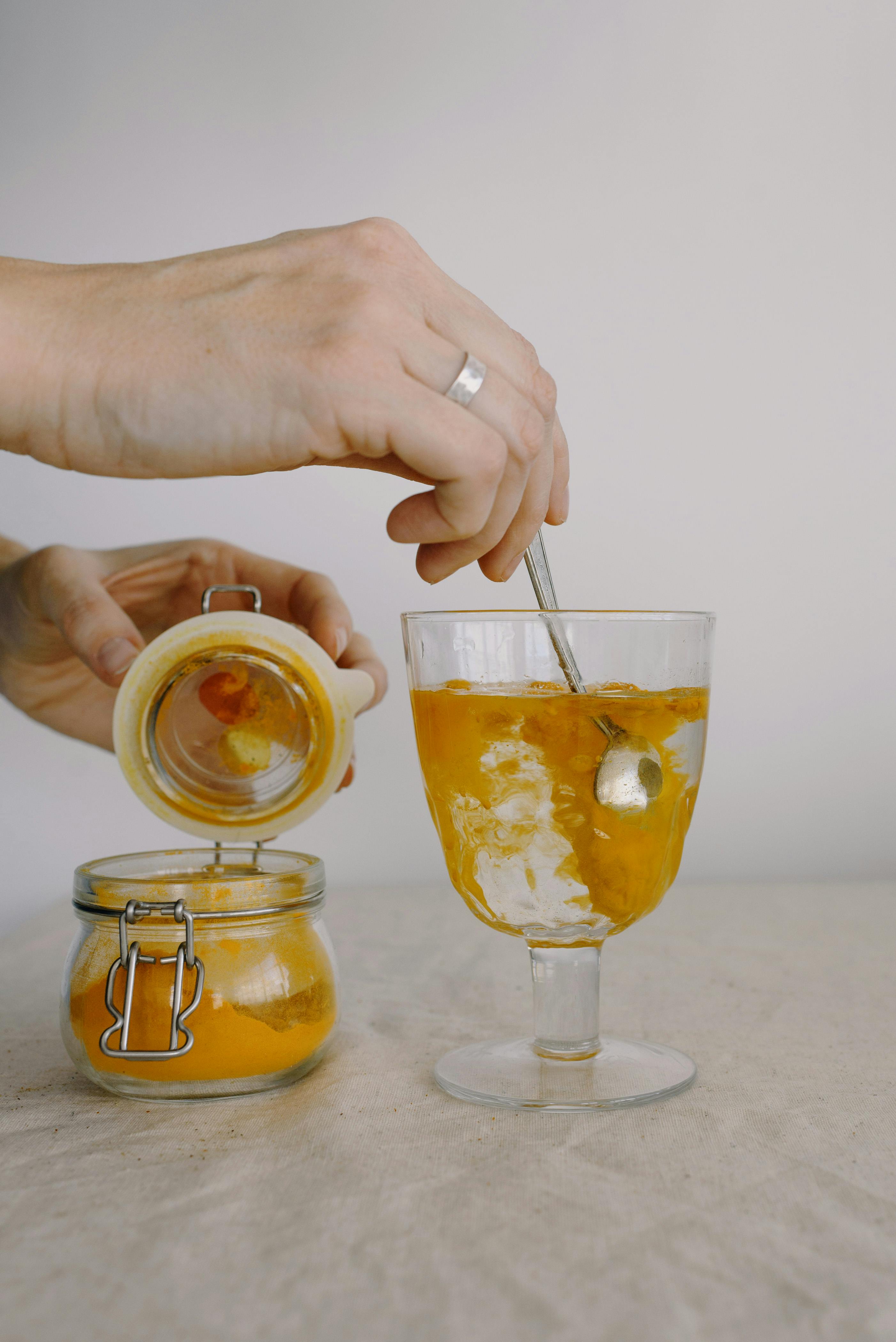
The modern transformation of turmeric came from a different set of forces: globalization, wellness culture, and social media aesthetics. Golden milk, turmeric teas, juices, and supplements helped recast it as a fashionable ingredient. Its vivid color, once useful in deception, became part of its marketing appeal.
Scientific interest added momentum. Researchers have studied curcumin, one of turmeric's best-known compounds, for possible anti-inflammatory and antioxidant effects. Health institutions generally stop short of treating turmeric as a miracle food, but the research was enough to fuel consumer enthusiasm.
Restaurants and packaged-food brands quickly adapted. Turmeric moved from traditional cuisines into smoothies, snack bars, broths, and café menus. What had once been a humble pantry spice, and at times a fraudulent coloring agent, became a premium product in its own right.
From imitation to identity
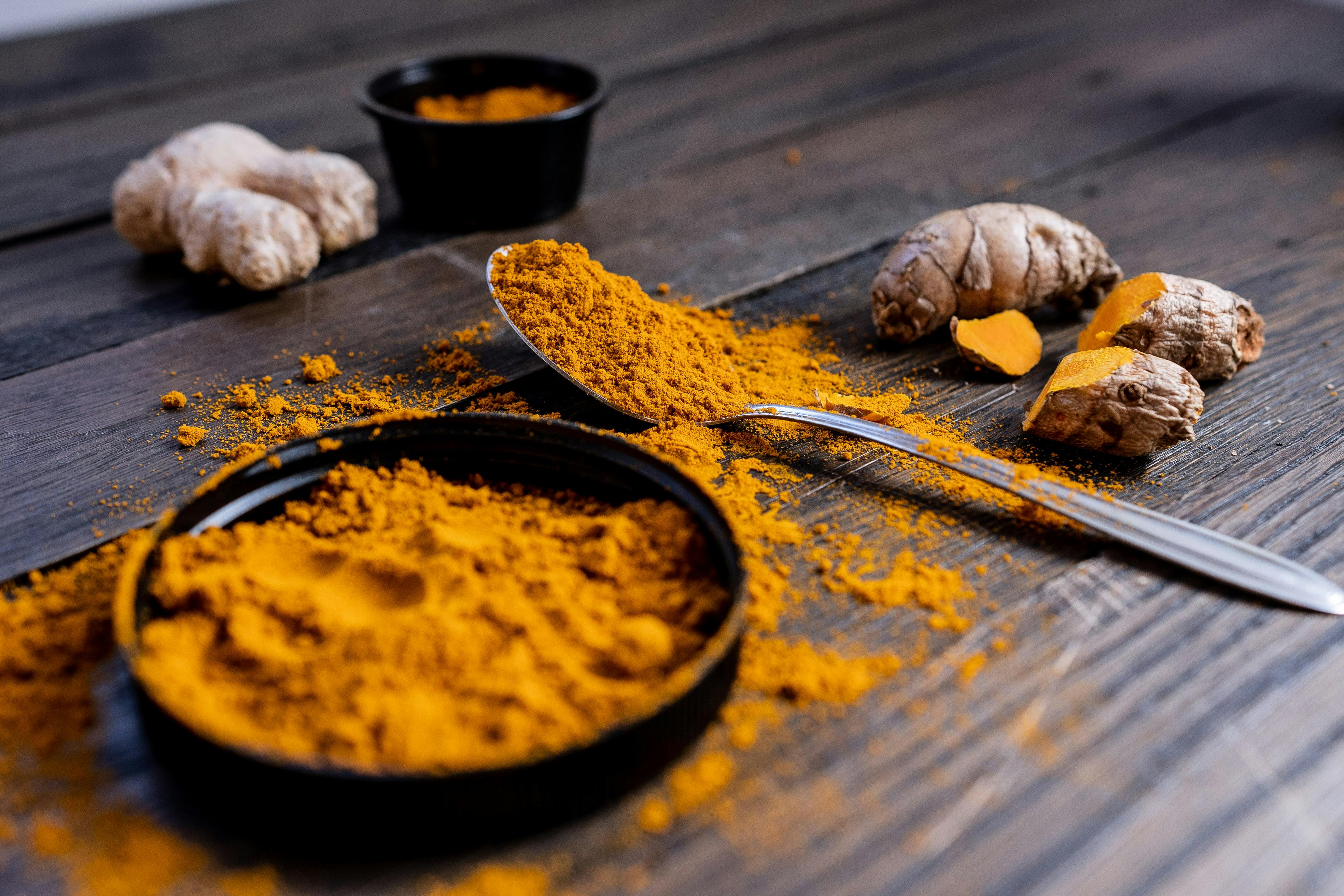
There is a certain irony in turmeric's reputation arc. An ingredient once used to impersonate a luxury spice eventually developed its own global prestige. That shift says as much about changing consumer values as it does about turmeric itself.
Today, people buy turmeric not because it resembles saffron, but because it offers a flavor, color, and story they recognize on its own terms. Its appeal now rests on authenticity, even if part of its historical record involved the opposite.
That history is worth remembering because food trends often flatten the past. Turmeric is not just a wellness symbol or a bright café ingredient. It is a spice with a long, complex journey through trade, culture, fraud, and finally independent fame.




Leave a Reply