
Kimchi has traveled a long way from crocks buried for winter storage to glossy jars in supermarket refrigerators and endless recipe videos online. These six scenes show how a preserved vegetable dish became one of the world's most recognizable Korean foods.
Kimjang, the communal making season
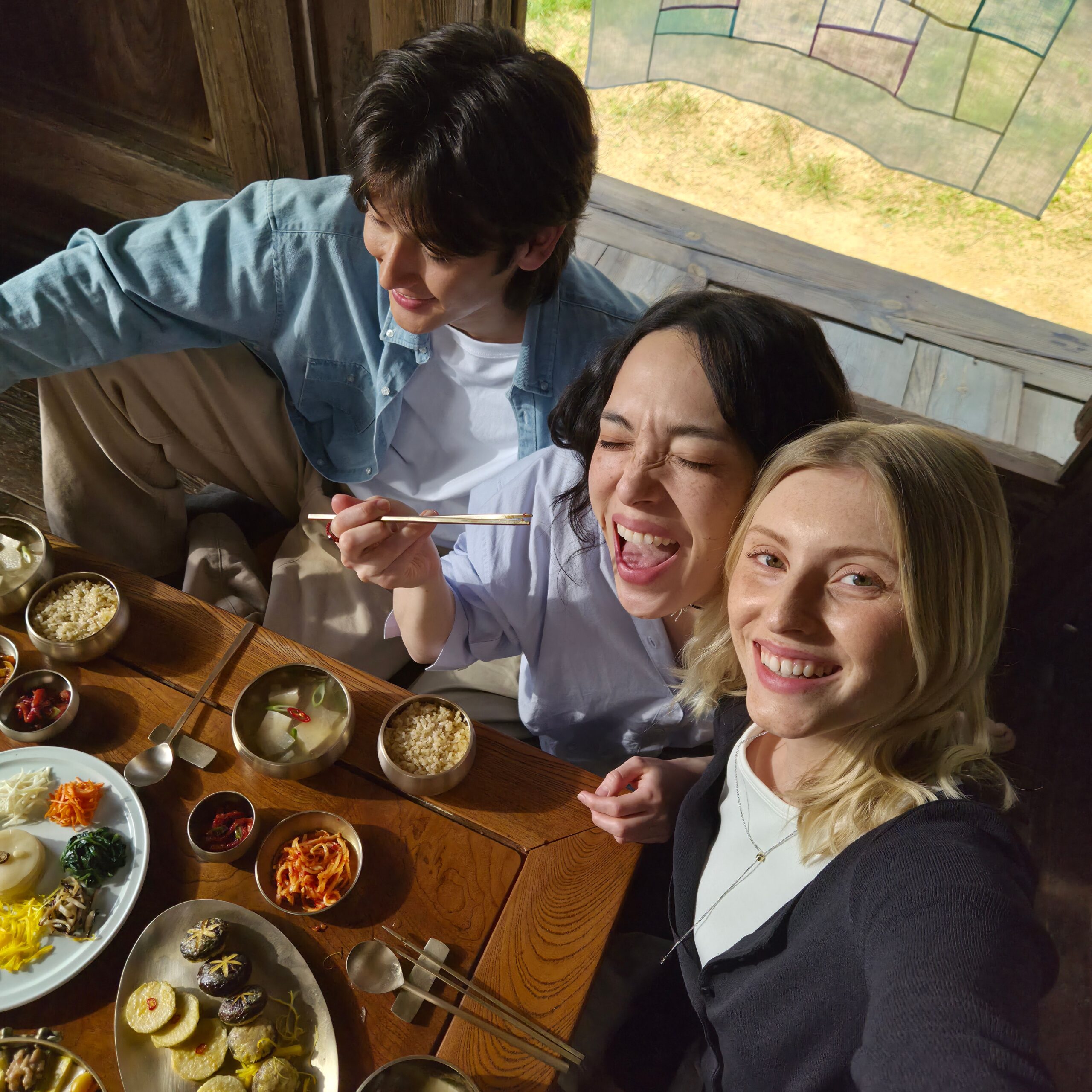
Kimchi begins not with a jar, but with a yearly ritual called kimjang, when families and neighbors gather to prepare large batches for winter. UNESCO added kimjang to its Representative List of the Intangible Cultural Heritage of Humanity in 2013, recognizing it as a social practice built around sharing labor, knowledge and food.
A photo of kimjang captures more than cabbage and red pepper flakes. It shows how kimchi has long been tied to seasonality, household planning and community care. The dish's modern popularity can make it seem like a trendy condiment, but kimjang reveals its older role as a practical and deeply social food, passed down through hands-on work.
Onggi jars and fermentation

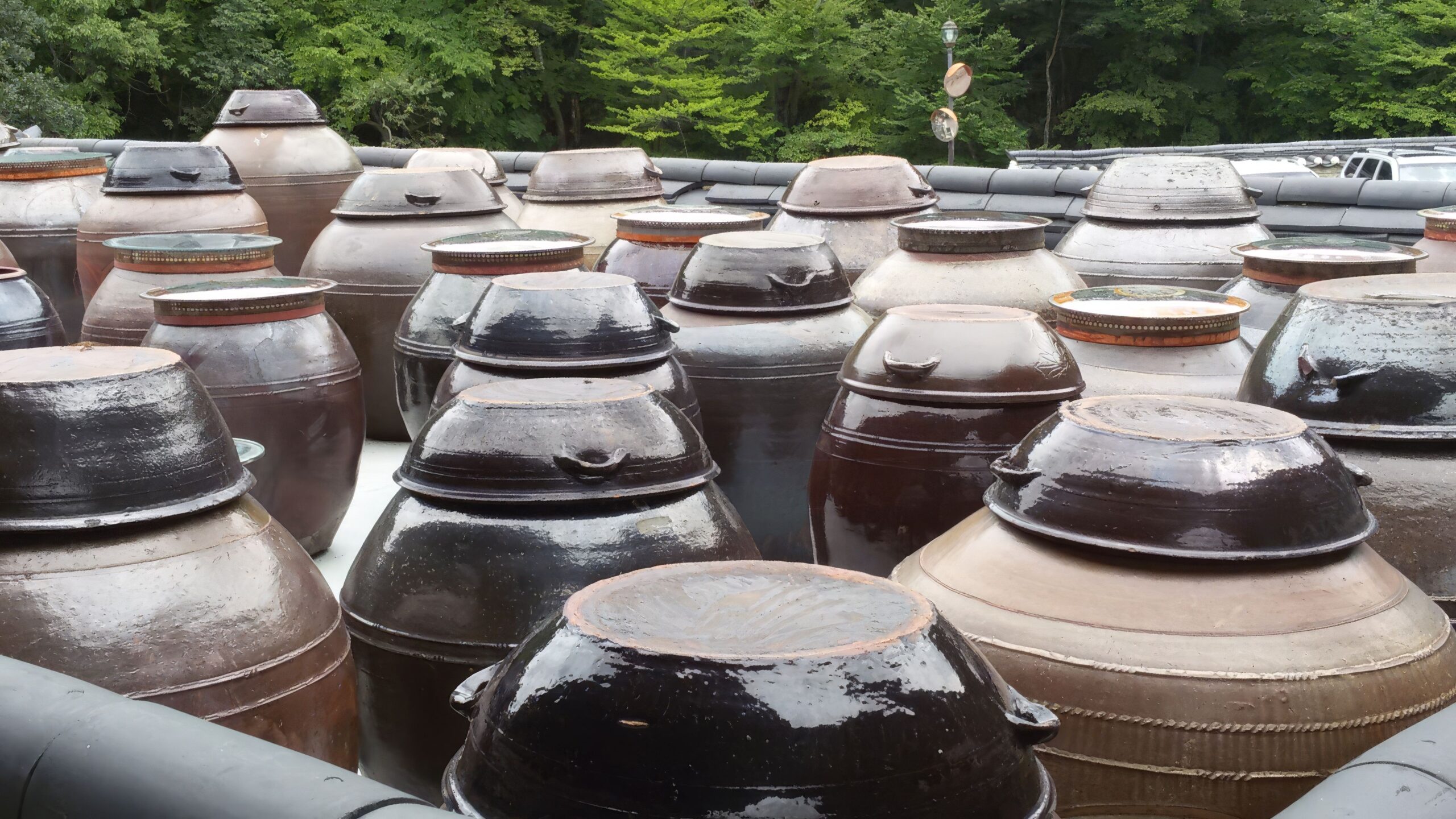
One of the clearest images of traditional kimchi culture is a row of onggi, the earthenware jars used to ferment and store food. Their porous structure helps support the slow exchange of air and moisture, which made them useful for preserving kimchi, soy sauce and soybean paste before modern refrigeration changed everyday kitchen life.
That matters because kimchi's flavor comes from time as much as ingredients. As vegetables ferment, beneficial bacteria, especially lactic acid bacteria, transform the texture and taste, creating the sour, savory character many people now seek out. A close image of onggi makes the science visible through an old tool, showing that kimchi's complexity starts long before it reaches a plate.
Baechu kimchi becomes the global face
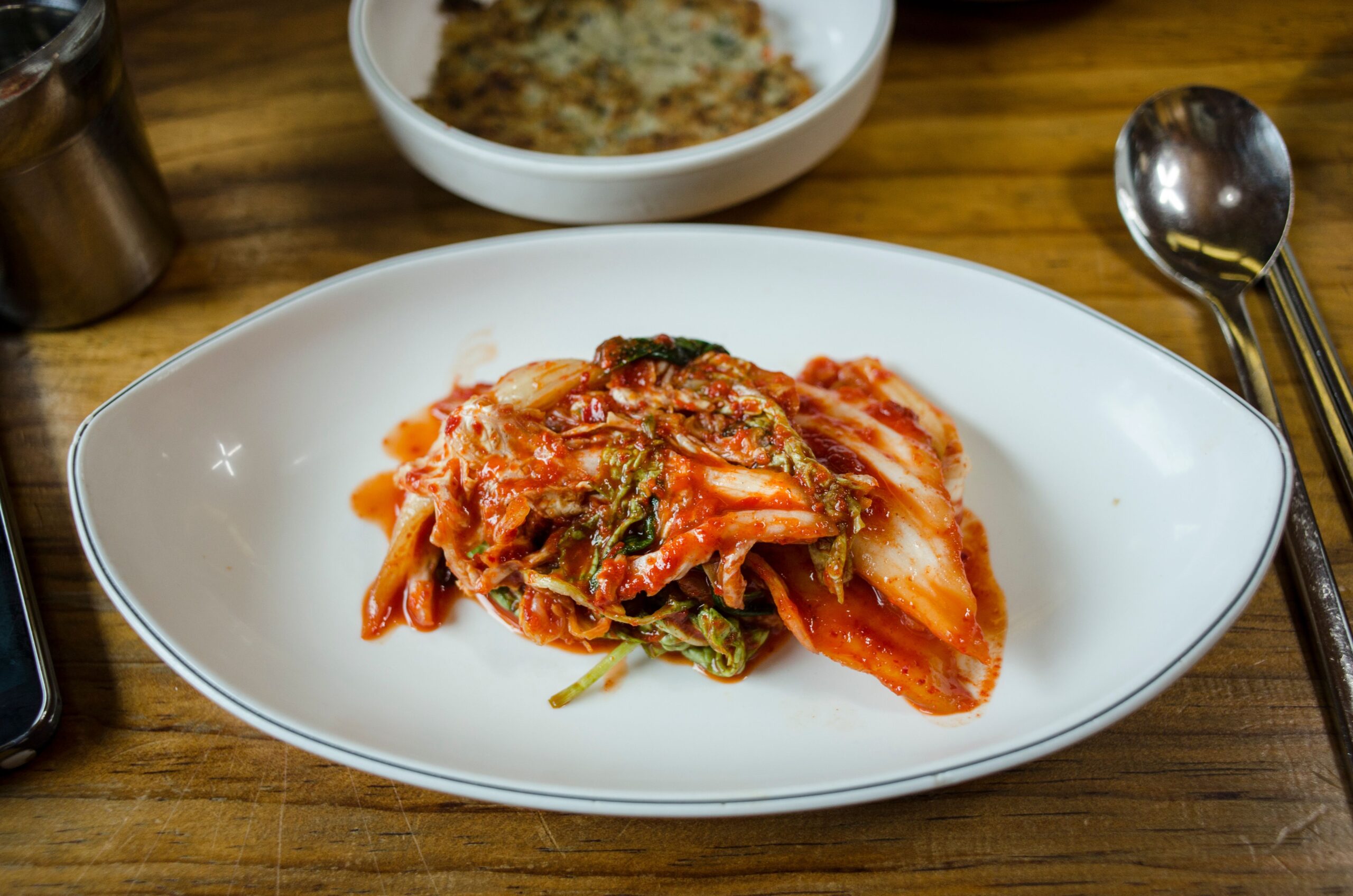
There are hundreds of kinds of kimchi in Korea, made with napa cabbage, radish, cucumber, mustard leaves and more. Yet one style, baechu kimchi, the napa cabbage version most familiar outside Korea, became the global standard image of the dish, partly because it is visually distinctive and widely served in homes, restaurants and packaged products.
That visual dominance shaped international understanding. For many diners, kimchi means bright red folded cabbage and little else, even though regional and seasonal variation has always been central to the food. A strong photo of baechu kimchi works well in this gallery because it captures the version that crossed borders most successfully, while also hinting at the much broader kimchi tradition behind it.
The refrigerator that changed daily life
Kimchi's modernization is easier to picture through an appliance than through a recipe. In South Korea, the kimchi refrigerator became a specialized household product designed to keep temperature and humidity more stable than a standard fridge, helping preserve flavor and texture while making large-scale home storage easier in urban apartments.
This was a quiet but important shift. As people moved away from older storage methods such as outdoor jars, kimchi adapted to city life without disappearing from the daily table. A photograph of a kimchi refrigerator or neatly stored containers inside one represents a turning point, where tradition met consumer technology and helped keep a heritage food central in a fast-changing society.
Kimchi on global menus
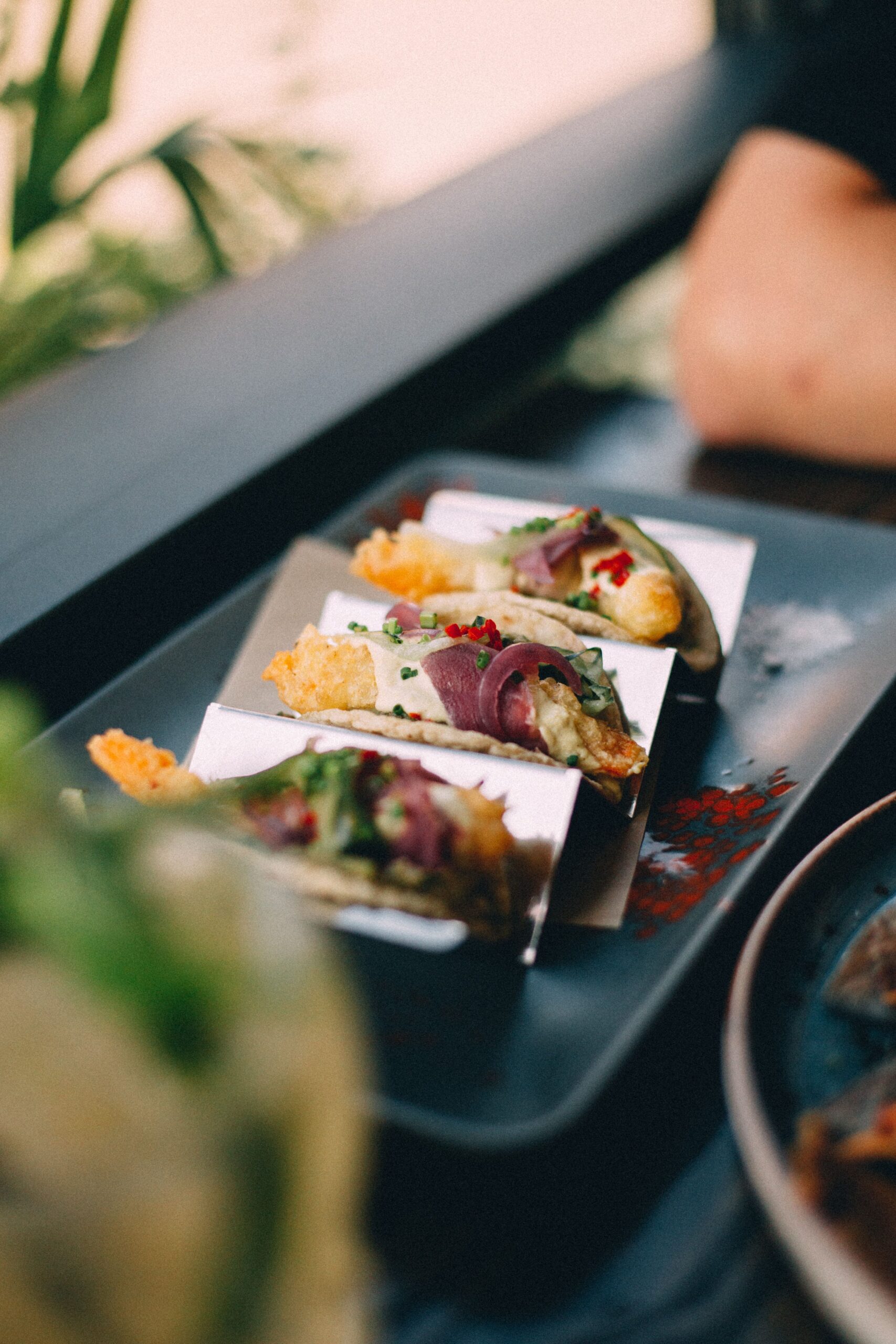
Kimchi's international rise became especially visible through restaurant food. Chefs began pairing it with tacos, grilled cheese, fried rice, burgers and grain bowls, using its acidity and heat to cut through rich flavors. In that setting, kimchi often moved from being a side dish with rice to a flavor accent that signaled boldness, fermentation and Korean influence.
This menu shift helped many first-time eaters approach kimchi in familiar formats. It also changed the food's image, making it feel flexible rather than fixed. A photo of kimchi in fusion cooking captures this transition clearly, showing how one traditional preparation entered global casual dining, not by staying exactly the same, but by proving it could work across very different dishes.
The social media jar

Today, kimchi's newest transformation often happens on a phone screen. Short videos show home fermenters packing jars, creators tasting extra-sour batches and influencers layering kimchi into noodles, toast and stew. The visual appeal is obvious, bright color, dramatic texture and the satisfying process of mixing and packing vegetables by hand.
Social media did not invent kimchi, but it accelerated how quickly styles, recipes and brand preferences spread beyond Korean communities. The viral version of kimchi can sometimes flatten its history, yet it also introduces millions of viewers to fermentation and Korean foodways. A final image of stacked retail jars or a creator filming homemade kimchi neatly closes the story, linking heritage, commerce and internet culture.



Leave a Reply