
The return of Tim Hortons' Orange Sprinkle Donut is drawing attention for more than its bright look. Back across Canada, the limited time donut once again ties a familiar coffee shop treat to fundraising for Indigenous organizations and to wider conversations about truth and reconciliation.
The donut is back across Canada

Tim Hortons says the Orange Sprinkle Donut has returned across Canada, putting the campaign back in front of a wide national audience. That matters because Tim Hortons remains a huge daily stop for many Canadians, with nearly 4,000 restaurants across the country, according to the company.
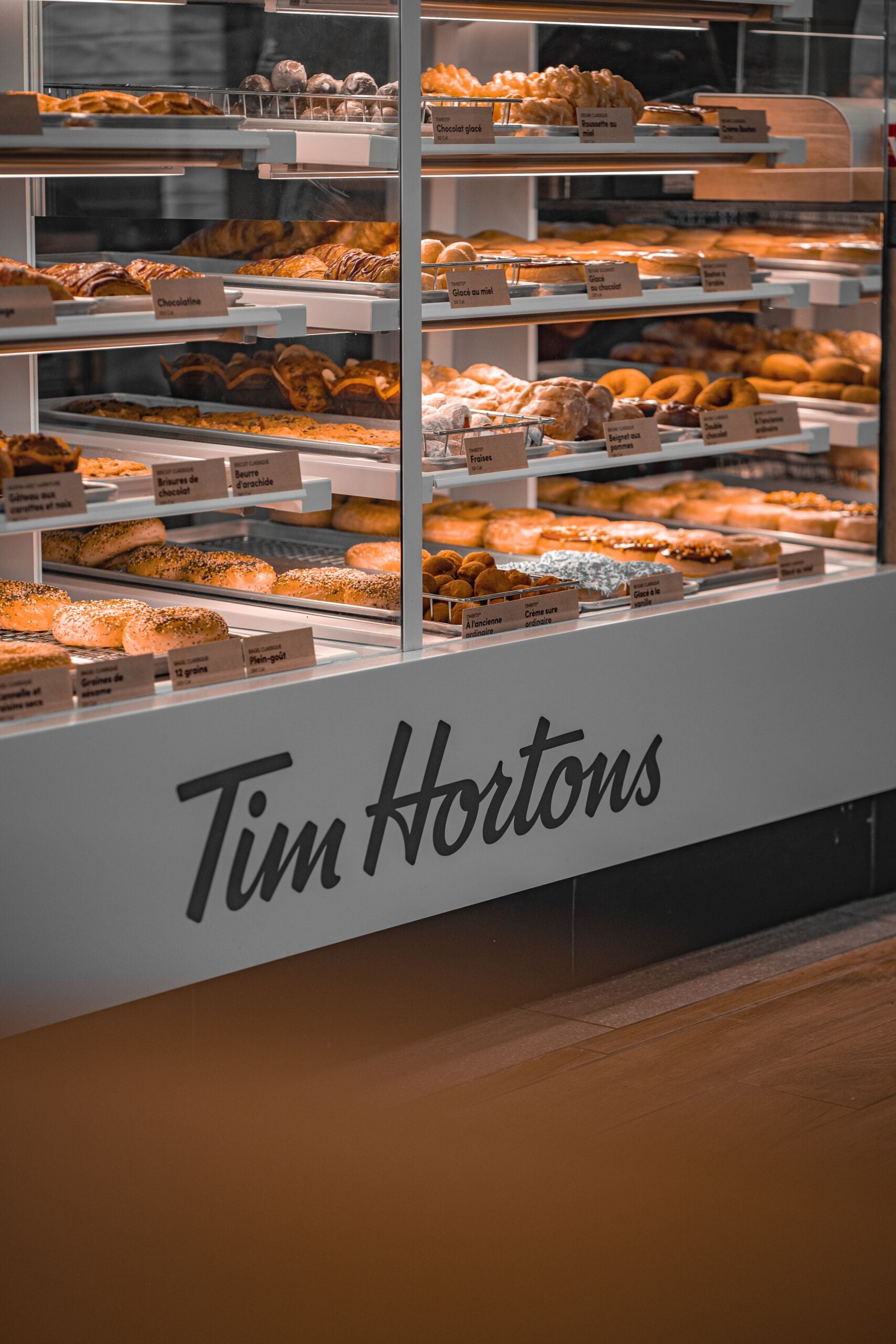
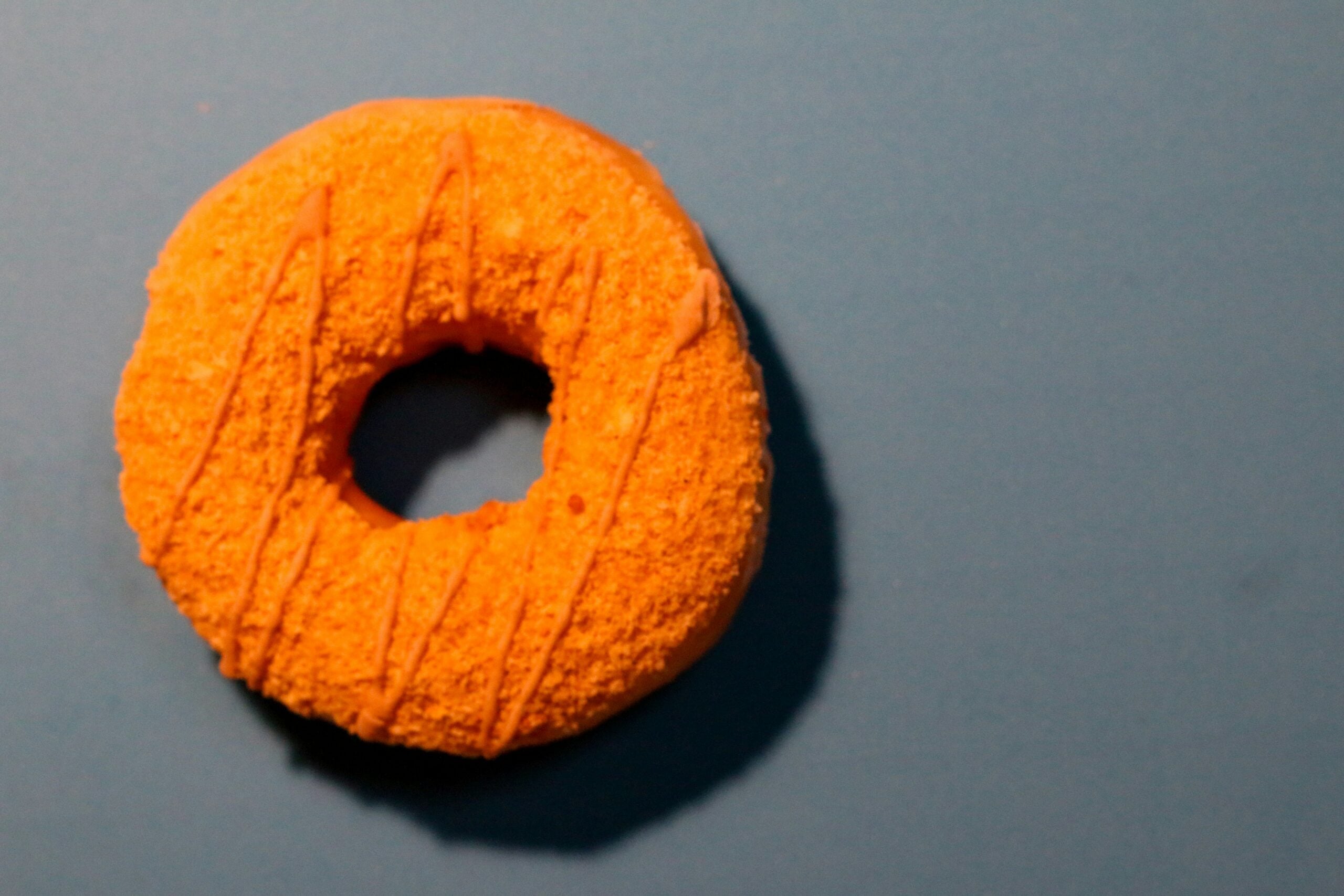
The product itself is easy to recognize in a display case. Its orange icing and sprinkles make it visually distinct, which helps turn an ordinary purchase into a public symbol tied to a larger cause.
This year's return also marks the sixth year of the Orange Sprinkle Donut campaign, according to Tim Hortons Chief Marketing Officer Hope Bagozzi. For a product that began as a specific fundraising idea, that staying power shows how the campaign has moved beyond a one year gesture.
It started with Indigenous restaurant owners
One of the most important details behind the donut is where it came from. Tim Hortons says the Orange Sprinkle Donut was developed in 2021 by a group of Indigenous Tim Hortons restaurant owners to raise much needed funds for Indigenous organizations.
That origin gives the campaign a different weight than a standard brand promotion. It was not presented simply as a themed product, but as an initiative shaped by people within the Tim Hortons system who wanted to support communities directly.
In practical terms, that also helps explain why the campaign has kept its focus. The donut's purpose has remained tied to fundraising and awareness, rather than drifting into a broader seasonal marketing message.
Every sale supports Indigenous organizations

The clearest reason for the excitement around the donut is the donation model. Tim Hortons says 100% of proceeds from Orange Sprinkle Donut sales will be donated to Indigenous organizations, a detail that turns each purchase into a direct contribution.
The named recipients are the Orange Shirt Society, the Gord Downie & Chanie Wenjack Fund, the Indian Residential School Survivors Society, and Ulnooweg Education Centre. In Quebec, proceeds also support the New Pathways Foundation.
That list shows the campaign is not concentrated in just one type of work. The organizations named by Tim Hortons support education, healing, youth opportunity, and public awareness, giving the fundraiser reach across several areas connected to reconciliation and community support.
The campaign has already raised over $5.3 million
The scale of the campaign helps explain why its return keeps generating interest. Tim Hortons says the Orange Sprinkle Donut campaign has raised over $5.3 million for Indigenous organizations since 2021.
That figure suggests the campaign has become one of the company's more visible purpose driven annual efforts. It also shows the impact of a simple, low cost purchase repeated at scale through a chain with a national footprint.
Bagozzi said that result would not be possible without the generosity of guests and the dedication of restaurant owners and team members. In other words, the campaign's reach depends on both customer participation and the people behind the counter making it happen in communities across Canada.
The donut also helps spark conversation
Several partner organizations describe the campaign as more than a fundraiser. Phyllis Webstad, CEO and Co-Founder of the Orange Shirt Society, said the initiative is also an opportunity to spark conversations, increase awareness, and support the ongoing journey of truth and reconciliation.
That broader purpose appears again in comments from other partners. The Gord Downie & Chanie Wenjack Fund said support from the donut campaign helps bring learning and action into classrooms through its Legacy Schools program.
The Indian Residential School Survivors Society also connected the campaign to September 30, describing it as a time to learn, reflect, and take meaningful action. In that sense, the donut functions as both a visible symbol and a funding tool.
Why this return resonates with Canadians

Part of the public reaction comes from familiarity. Tim Hortons has been part of Canadian daily life for decades, beginning with its first restaurant in Hamilton, Ontario, in 1964, and growing into the country's largest quick service restaurant chain.
When a brand with that kind of reach links a simple menu item to a cause, the campaign can travel fast. People do not need to learn a new system or seek out a special event, they encounter it in a place they already visit.
The Orange Sprinkle Donut's return lands in that exact space between routine and meaning. It is still a donut at the counter, but this year, as in years past, it also carries a clearly stated purpose backed by specific organizations and measurable fundraising results.




Leave a Reply