
Some menu items never really disappear from public memory. Tim Hortons Melts are proving exactly that now that the chain has officially brought them back.
Why the return matters right now
This is more than a routine menu update. Tim Hortons says the Melts comeback ranks among the most-requested returns in the brand's recent history, which immediately turns a simple product relaunch into a story about customer loyalty and pent-up demand.
That matters in a restaurant industry where major chains are under pressure to keep regulars engaged without overcomplicating operations. Returning a familiar item is often less risky than launching something entirely new, especially when the product already has emotional recognition built in.
The timing also fits broader fast-food behavior. Consumers have become more selective with discretionary spending, and recognizable comfort food tends to perform well when people want something satisfying, quick, and predictable.
In that environment, bringing back Melts is a practical move as much as a nostalgic one. It gives Tim Hortons a way to spark conversation, drive repeat visits, and remind customers that the brand still listens when demand becomes impossible to ignore.
What made Melts so memorable in the first place
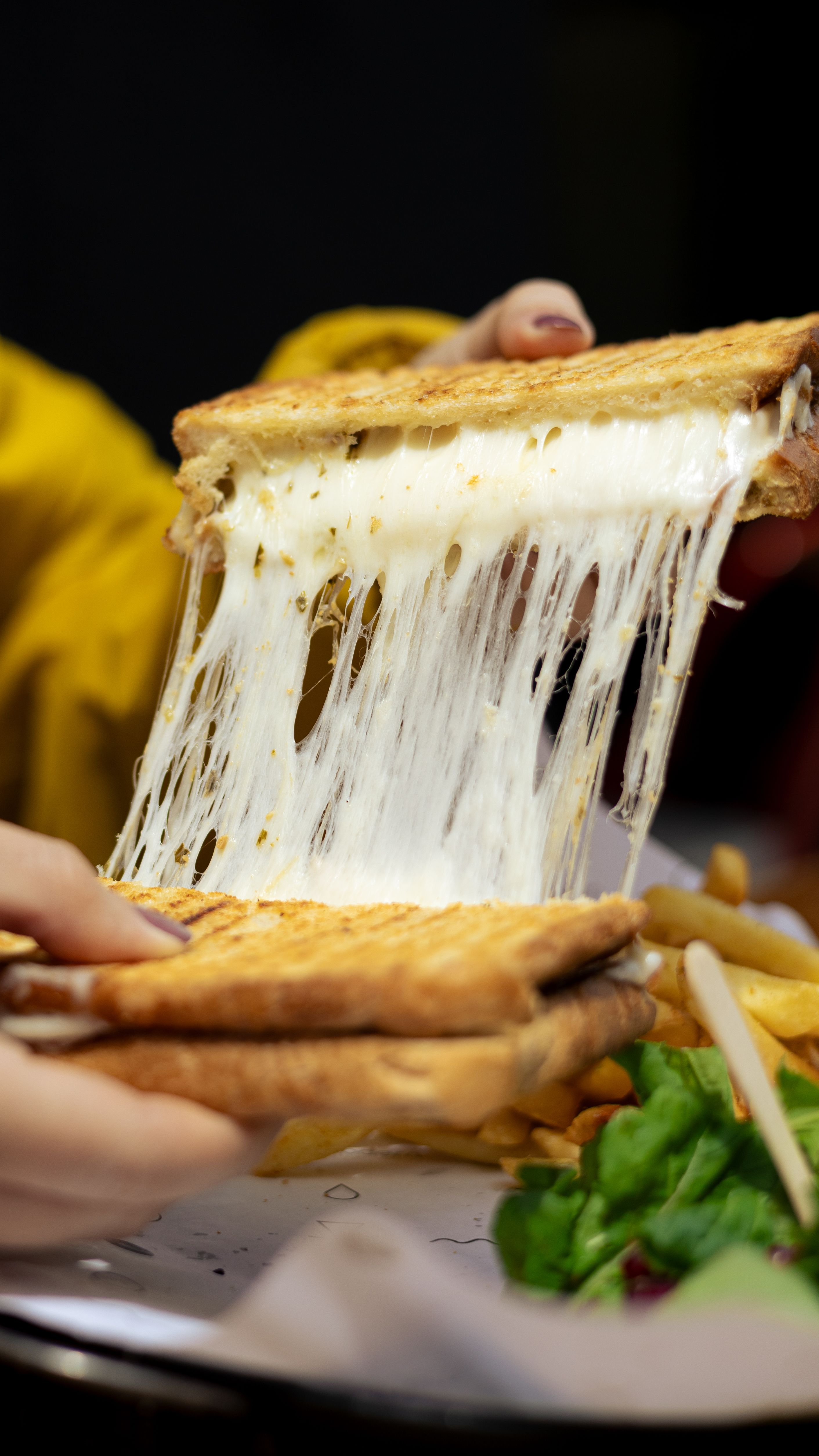
The appeal of a Melt is straightforward, and that simplicity is part of its strength. It combines warm bread, melted cheese, and savory fillings in a format that feels more substantial than a snack but easier and faster than a full sit-down sandwich experience.
For many Tim Hortons customers, Melts stood out because they fit neatly into everyday routines. They worked as a lunch option, an afternoon pickup, or a quick meal on the go, giving the chain a portable comfort-food product with broad appeal.
Menu memory is powerful in quick service. People often remember how a discontinued item made their routine easier, not just how it tasted, and that kind of usefulness can turn ordinary products into cult favorites over time.
That helps explain why Melts stayed top of mind. The product hit a sweet spot between convenience, familiarity, and indulgence, which is exactly the combination that tends to generate repeat requests long after an item leaves the board.
How customer demand shapes menu decisions

Restaurants track far more than sales when evaluating what to bring back. Social media comments, app feedback, in-store requests, and broader brand sentiment all help chains identify which discontinued products still carry weight with customers.
When a company publicly says a return was heavily requested, that usually signals sustained demand rather than a short-lived online campaign. In other words, Tim Hortons likely saw enough consistent interest to justify the operational effort of bringing Melts back into the menu mix.
That process reflects a wider industry trend. Fast-food chains increasingly use customer nostalgia as a measurable business tool, testing whether emotional attachment can translate into traffic, higher check averages, and renewed brand attention.
The strategy often works best when the product is easy to understand and easy to order. Melts fit that model well, which gives Tim Hortons a stronger chance of turning excitement into actual purchases instead of brief social buzz.
Why nostalgia is a serious business strategy
Nostalgia marketing is not just about sentiment. In food service, it can lower the barrier to purchase because customers already know what they are getting, which reduces hesitation and makes the return feel instantly relevant.
That familiarity is especially valuable at a time when chains are competing aggressively on value, speed, and reliability. A revived item can cut through clutter more effectively than a brand-new launch that needs extra explanation or customer education.
Tim Hortons also benefits from the emotional halo surrounding a comeback. When people hear that a favorite item is back, they often share the news with friends or revisit the brand themselves, creating organic word-of-mouth momentum that paid advertising alone cannot fully replicate.
Seen that way, the Melts return serves two purposes at once. It satisfies existing fans while also giving casual customers a fresh reason to check the menu again, which is exactly the kind of dual impact restaurant brands aim for.
What this could mean for Tim Hortons going forward
A successful relaunch can influence more than one product line. If Melts perform strongly, Tim Hortons may gain confidence in revisiting other retired menu items that still carry recognition and goodwill among longtime customers.
It could also help the company refine how it balances innovation with familiarity. Chains need newness to stay interesting, but they also need dependable anchors that reassure customers and support habitual visits across breakfast, lunch, and snack occasions.
Operationally, comebacks offer a useful test. They reveal whether demand is broad enough to sustain repeat orders after the initial excitement fades, which is often the true measure of whether nostalgia can become lasting sales.
For Tim Hortons, that makes Melts an important signal. Strong performance would show that listening to customer requests is not just good public relations, but a practical path to smarter menu planning and stronger brand engagement.
The bigger lesson behind the comeback
At its core, this story is about how modern restaurant brands build trust. Customers notice when a company responds to repeated requests, and that responsiveness can strengthen the relationship between a chain and the people who visit it regularly.
Tim Hortons is tapping into something simple but effective here. People want food that is convenient, familiar, and satisfying, and they appreciate when brands bring back items that once fit seamlessly into their daily lives.
That is why the return of Melts feels bigger than one sandwich-style product. It reflects a broader shift toward customer-led menu decisions, where listening closely can be just as important as creating the next trend.
If the comeback delivers on taste, value, and consistency, it may become a textbook example of how a fast-food chain can turn nostalgia into measurable business success while giving fans exactly what they asked for.




Leave a Reply