
A popular collectible has quickly turned into a customer service issue. Tim Hortons is now working through refunds after a mug recall raised fresh questions about product safety and communication.
Why the mugs were recalled
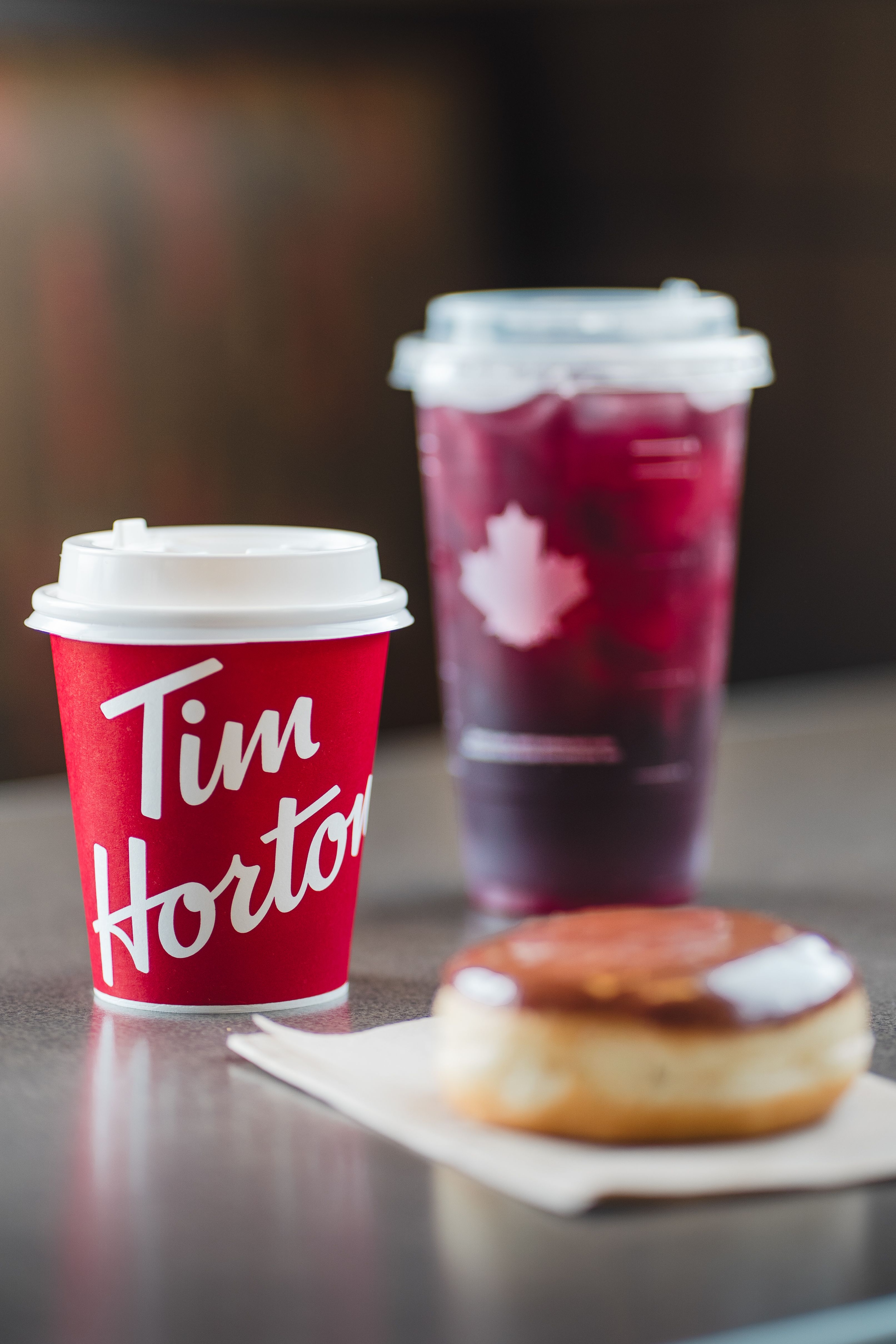
At the center of the issue is a product that many customers bought as a seasonal keepsake rather than an everyday cup. The recalled Tim Hortons mugs were pulled after concerns emerged that they may not meet expected safety standards for consumer use. In cases like this, companies typically act when testing, customer complaints, or internal reviews point to a possible risk.
What matters most is the nature of the concern. Product recalls involving drinkware often relate to cracking, overheating, chemical exposure, or burn hazards, all of which can affect ordinary use at home or on the go. Even when no widespread injuries are reported, brands usually move quickly once a defect could create a preventable safety problem.
For consumers, the recall is a reminder that even simple household items can become the subject of a formal safety action. Mugs may seem low risk, but if a glaze, handle, or material fails under heat, the result can be serious enough to justify a broad refund campaign.
What Tim Hortons has said so far
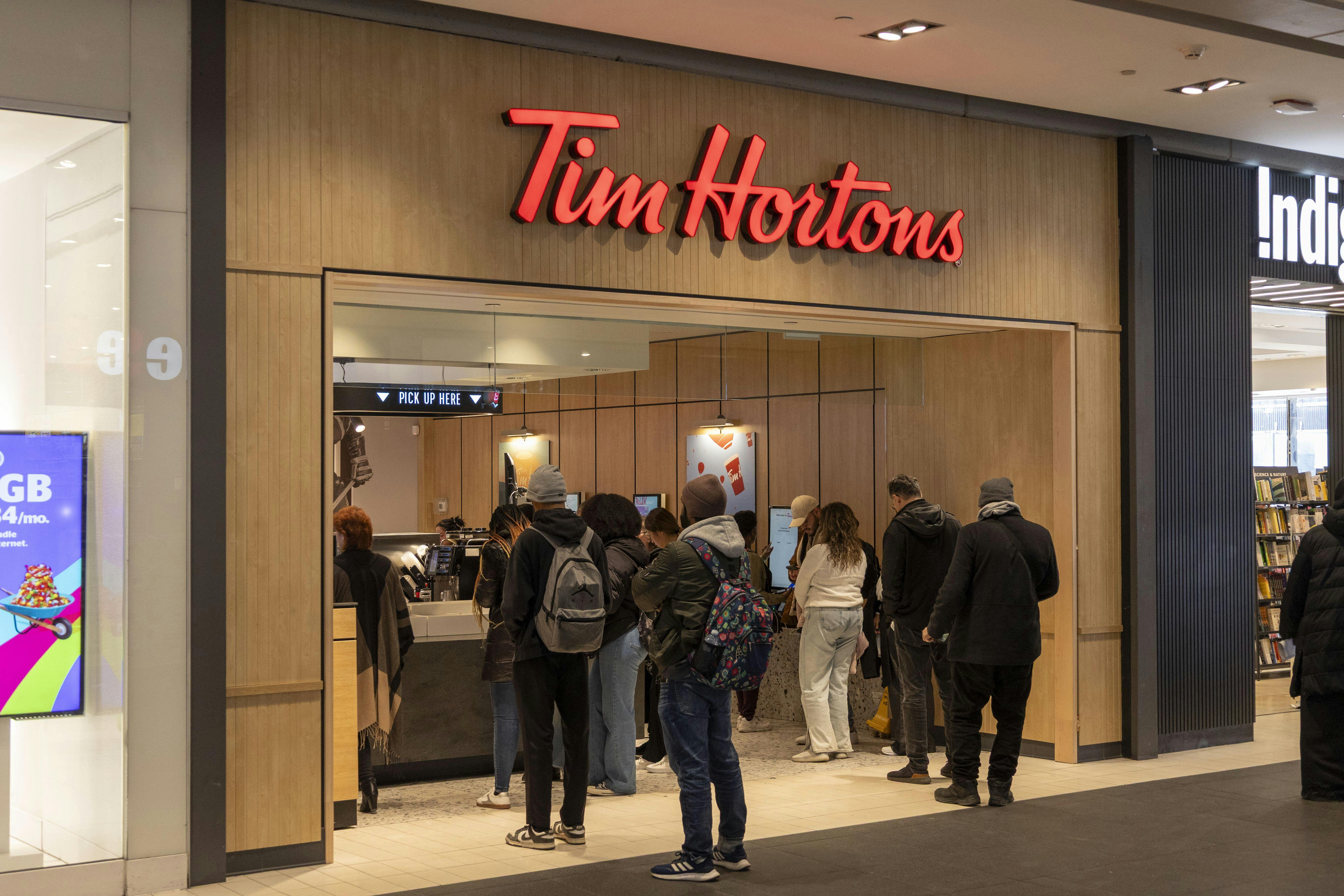
The company's response has focused on refunds and customer reassurance. Tim Hortons has acknowledged the recall and moved to compensate affected customers, signaling that the issue is large enough to require a coordinated response rather than isolated store-level handling.
That matters because major chains often face criticism not only for the defect itself, but for how clearly they explain the remedy. A straightforward refund offer helps limit confusion and shows the company is trying to reduce inconvenience for people who purchased the mugs in good faith.
So far, the message appears centered on practical next steps rather than lengthy technical detail. That is common in retail recalls. Brands usually aim to give customers a simple path forward first, while regulators and internal teams continue reviewing the exact cause, scope, and timeline behind the problem.
How customers can get a refund
For most customers, the key question is simple: what do I need to do now? In recall situations like this, the usual process involves returning the item to a participating location or following company instructions for proof of purchase, identification of the recalled product, and refund eligibility.
Many retailers do not require a receipt for widely publicized recalls, especially when the item is clearly identifiable by design, release period, or product markings. Still, customers are wise to keep any packaging, transaction records, or app receipts until the refund is completed, since those details can help speed up the process.
Consumers should also pay attention to official guidance about whether the mug should be used, stored, or transported in a specific way before return. If the recall involves breakage or heat-related risk, companies often advise customers to stop using the product immediately and handle it carefully.
Why this recall matters beyond one product

There is a bigger story here than a single mug. Tim Hortons sells more than coffee. It sells routine, nostalgia, and branded merchandise that customers often connect with national identity, gift-giving, and limited-time promotions. A recall touches all of those emotional points at once.
That is why merchandise problems can have an outsized impact on brand trust. A food and beverage chain depends heavily on familiarity and reliability. If a customer begins to question the safety of a branded item, that concern can spill over into broader perceptions about quality control and oversight.
Retail experts often note that transparent recalls can actually protect a company's reputation over time. The damage usually grows when a business appears slow, vague, or defensive. By moving toward refunds, Tim Hortons has a chance to contain frustration and show that corrective action matters more than short-term embarrassment.
What shoppers should watch for next

The next phase will likely depend on how efficiently refunds are processed and whether more details emerge about the defect. Customers should watch for updated statements from Tim Hortons, notices in stores, and any guidance from consumer product safety authorities if the scope of the recall expands.
It is also worth paying attention to whether the recall affects one specific design, a limited production run, or a broader merchandise line. Those distinctions matter because they help customers determine whether only a single collectible mug is involved or whether similar items should also be checked.
If response times lag or instructions vary by location, that can become the next challenge for the company. In large recall events, consistency is almost as important as speed. People generally accept inconvenience better when the rules are clear and the remedy is the same everywhere.
The bottom line for Tim Hortons customers

For now, the safest takeaway is straightforward. If you own one of the recalled Tim Hortons mugs, stop using it and follow the company's refund instructions as soon as possible. Waiting rarely helps in recall situations, especially when the concern involves a product used with hot drinks.
Customers should rely on official company communications and recognized safety notices rather than social media speculation. Recall rumors can spread quickly, and incomplete posts often leave out the exact model, sale period, or return method, which creates unnecessary confusion.
In the bigger picture, this episode shows how even a small promotional item can create a large operational issue for a major brand. The real test now is not only the recall itself, but how smoothly Tim Hortons resolves it for the thousands of customers now seeking answers and refunds.




Leave a Reply