
It sounds like culinary folklore, but poutine's beginning really is that strange. One of Canada's most iconic dishes appears to have started from an improvised accident, not a carefully planned recipe.
A Dish Born From Convenience, Not Culinary Ambition

Poutine emerged in rural Quebec in the late 1950s, and nearly every origin story begins with a roadside snack bar. The most widely repeated version centers on Warwick, Quebec, where restaurant owner Fernand Lachance reportedly tossed cheese curds into a bag of hot fries at a customer's request. His reaction, often paraphrased as calling it a mess, helped shape the legend.
What matters is not just who did it first, but why it happened at all. The original combination was less about invention than convenience. Fresh cheese curds were already common in Quebec, fries were cheap and filling, and diners wanted something fast, hot, and satisfying after work.
In that sense, poutine was not "created" in the polished restaurant meaning of the word. It was assembled from what was on hand in a working-class environment. Many food historians note that this kind of improvisation is how a large number of lasting regional dishes begin.
The Cheese Curds Were the Real Wild Card

Here is the unusual twist at the center of poutine's story: the cheese curds were not initially treated as part of a composed, elevated dish. They were a local dairy product, sold fresh and eaten casually, often the same day they were made. Their famous squeak, prized by poutine fans today, comes from their extreme freshness.
In Quebec, cheese curds were abundant because of the province's strong dairy culture. Small communities had easy access to them, which made them a natural add-on at casse-croûtes, the snack bars that shaped much of the region's roadside food culture. They were practical, local, and inexpensive.
That is what makes poutine's origin so wild. One of its defining ingredients was not introduced as a chef's signature flourish. It was simply a nearby product that happened to work, texturally and economically, with hot fries.
Gravy Came Later and Changed Everything
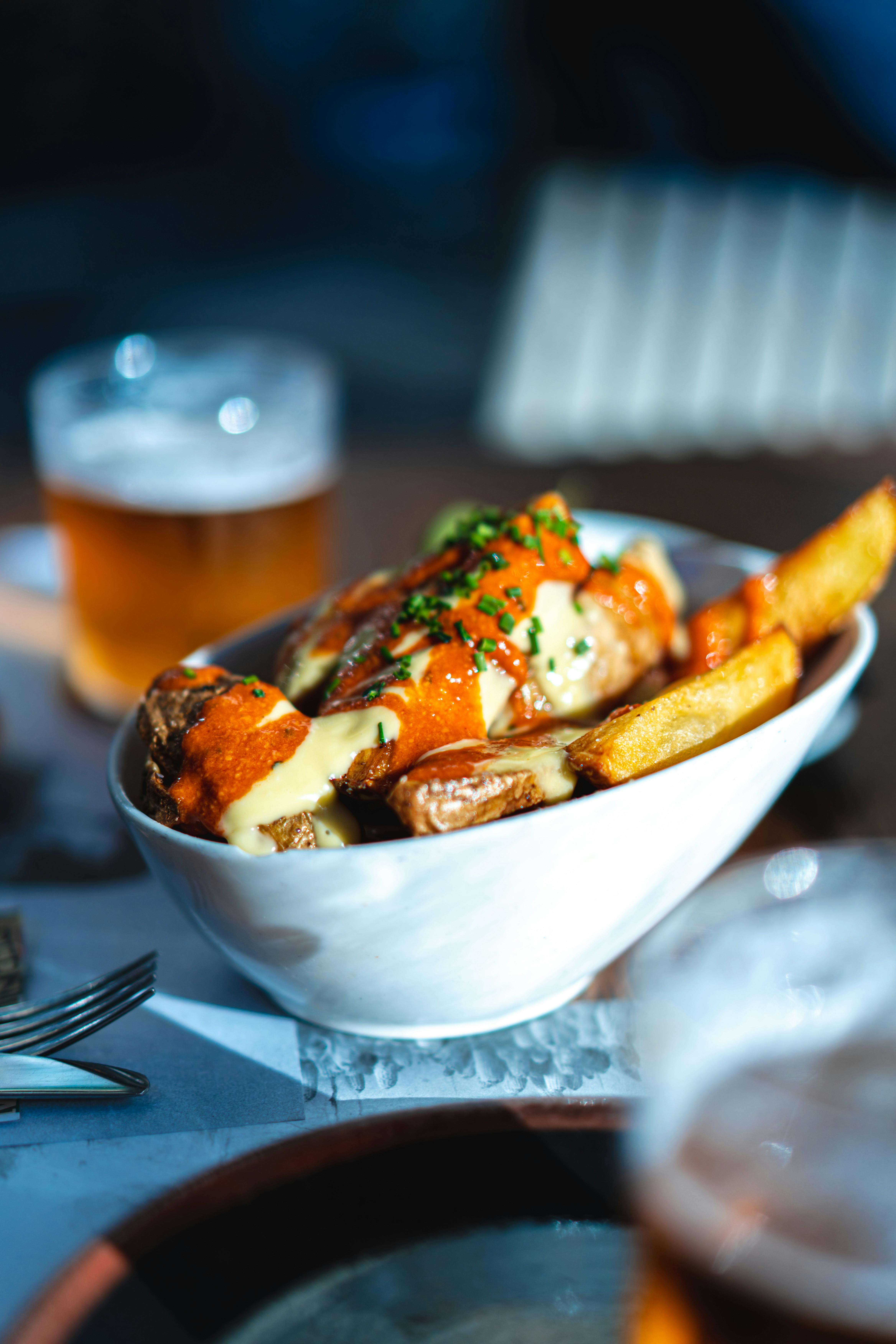
At first, early versions of poutine were often just fries and curds. The gravy, now essential in the public imagination, appears to have been added soon after because it solved a practical problem. It kept the fries warmer, softened the curds slightly, and turned a loose snack into a more unified dish.
This addition also helped poutine travel. A plate of fries and curds might seem random to outsiders, but gravy gave the dish a familiar framework. It connected poutine to broader North American diner food while preserving its distinctly Quebec identity through the curds.
Restaurant owners quickly understood the value of that change. The sauce made the dish feel fuller, richer, and easier to sell. In food history, small practical adjustments often become the decisive step between local curiosity and enduring classic.
From Quebec Snack Bars to National Symbol

For years, poutine was dismissed by some as low-status food. It was linked to truck stops, late-night diners, and rural Quebec rather than fine dining. That class association shaped its reputation, but it also explains its staying power. Poutine was built for ordinary people, not for culinary prestige.
By the 1980s and 1990s, the dish had spread far beyond its original region. Chains and independent restaurants across Canada began serving it, sometimes with altered gravies or shredded cheese, though purists rejected those substitutions. The authentic version remained rooted in fries, fresh curds, and brown sauce.
Its rise mirrored a larger cultural shift. Foods once mocked as unfashionable began to be reclaimed as markers of place and identity. Poutine became one of the clearest edible symbols of Quebec's influence on Canadian culture.
Why Authenticity Still Matters So Much
Ask devoted poutine fans what makes the dish real, and the answer usually begins with the curds. They must be fresh enough to retain their bite and signature squeak even under hot gravy. Without that texture, many argue, the dish loses the quality that made it distinctive in the first place.
The fries matter too. Traditional poutine uses sturdy fries that can handle heat and moisture without collapsing immediately. The gravy should unify, not drown, the plate. These standards are not snobbery so much as recognition that poutine depends on balance between crisp, soft, salty, and rich.
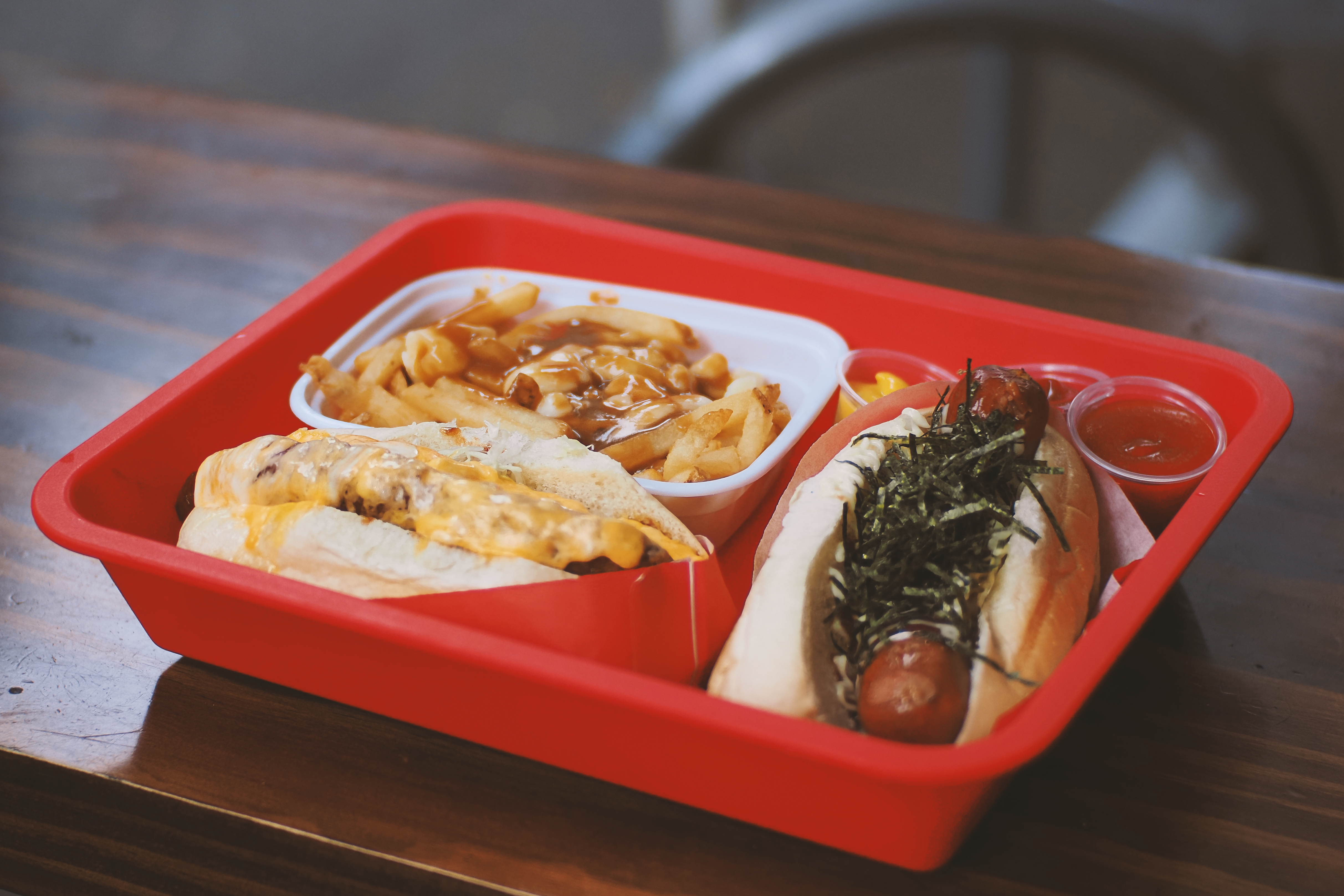
Food scholars often point out that authenticity debates emerge when a dish becomes culturally important. Poutine now sits in that category. People argue over it precisely because it is no longer just a snack. It is heritage, memory, and regional pride served in a takeout box.
Poutine's Strange Beginning Is Exactly Why It Endures
The most memorable foods are often the least formal in origin. Poutine did not come from a palace kitchen, a culinary school, or a carefully branded food company. It came from a place where speed, appetite, local ingredients, and improvisation mattered more than presentation.
That rough beginning is part of its power. It still feels democratic, even when served in upscale restaurants with foie gras or braised meats. At its core, poutine remains a dish shaped by everyday life in Quebec, where practical choices unexpectedly produced something iconic.
Its origin story feels wild because it overturns how people imagine famous foods are born. Poutine was never meant to be elegant, and in a sense it was barely meant to be a dish at all. That is exactly why it became unforgettable.




Leave a Reply