
Canada grows a lot of soybeans, but much of their value still leaves the country. One Ontario company believes that should change, starting with one of the most sensitive food categories in the market.
Why this idea matters now
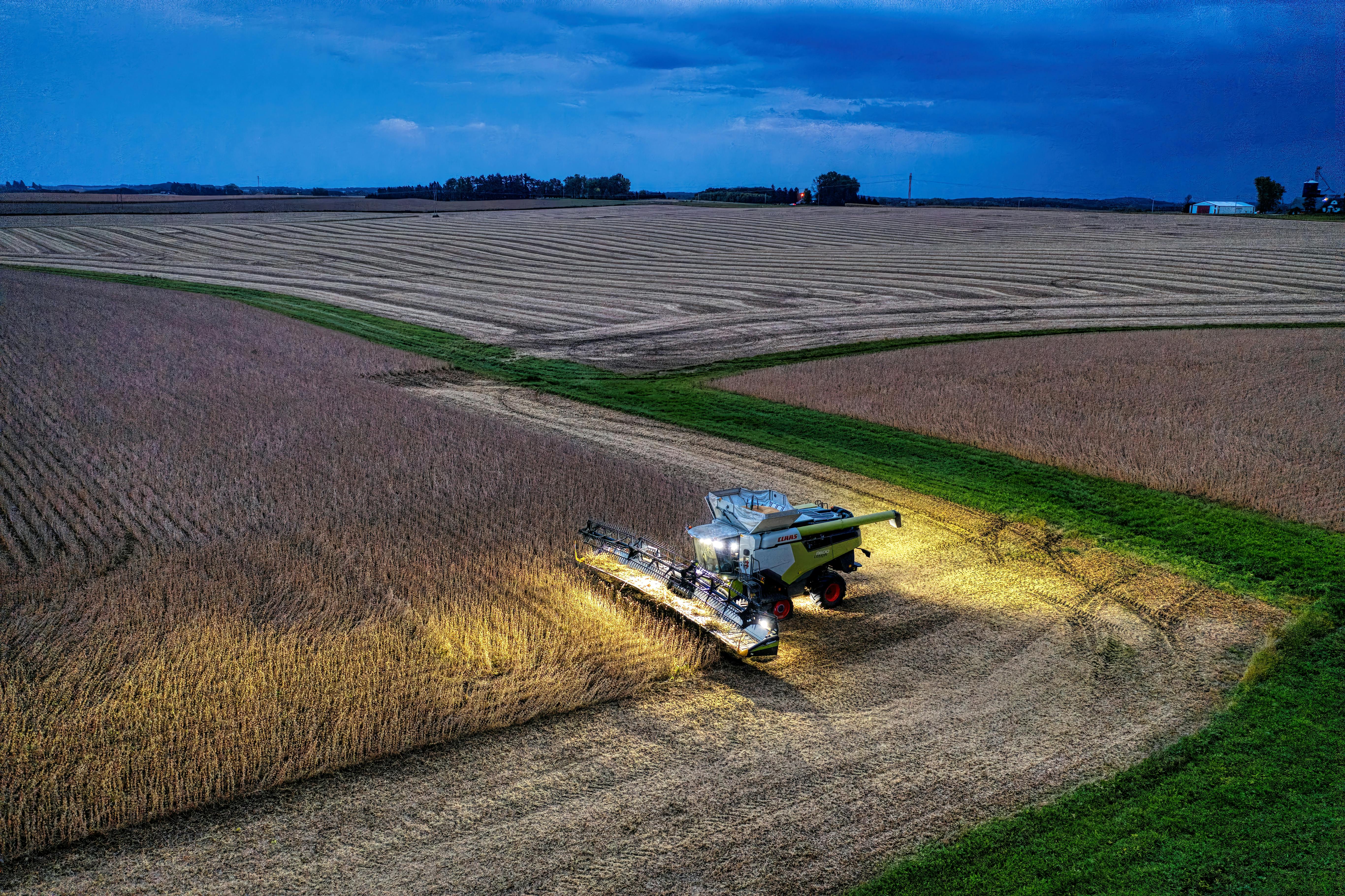
At the center of this story is the gap between what Canada grows and what Canada manufactures. Ontario farmers produce large volumes of soybeans every year, yet many beans are exported in raw or lightly processed form, leaving the higher-margin ingredient business to foreign manufacturers.
That matters because infant formula is not just another grocery product. It is tightly regulated, nutritionally precise, and strategically important after years of supply disruptions exposed how vulnerable families can be when production is concentrated in too few places.
The company's pitch is simple but ambitious: use Canadian soybeans to make specialized ingredients for formula here at home. Instead of shipping out a crop and buying back expensive finished ingredients later, the goal is to capture more of the processing value in Ontario.
For parents, that may sound like an industrial story, but it quickly becomes personal. More domestic ingredient production could support supply resilience, create traceability from farm to factory, and reduce dependence on overseas processing networks that can be interrupted by trade shocks or plant shutdowns.
What ingredient makers are trying to produce

The real opportunity is not in selling commodity soy flour. It is in producing refined soy protein ingredients that can meet the strict standards required for infant nutrition, where purity, consistency, digestibility, and allergen controls are all under intense scrutiny.
Soy-based infant formula has long served a specific segment of the market. Pediatric guidance generally reserves it for particular needs, but it remains an established option, which means manufacturers need reliable access to carefully processed soy protein isolates and related inputs.
Creating those ingredients is technically demanding. Manufacturers must remove unwanted compounds, control flavor, manage anti-nutritional factors, and produce a protein profile that performs consistently in blending, mixing, and final formula production.
That complexity is exactly why the economics are attractive. A soybean sold as a bulk export earns one level of return, but a soybean transformed into a specialized food ingredient can generate far more value, supporting skilled jobs in food science, engineering, quality assurance, and advanced manufacturing.
Why Ontario is a logical place to do it
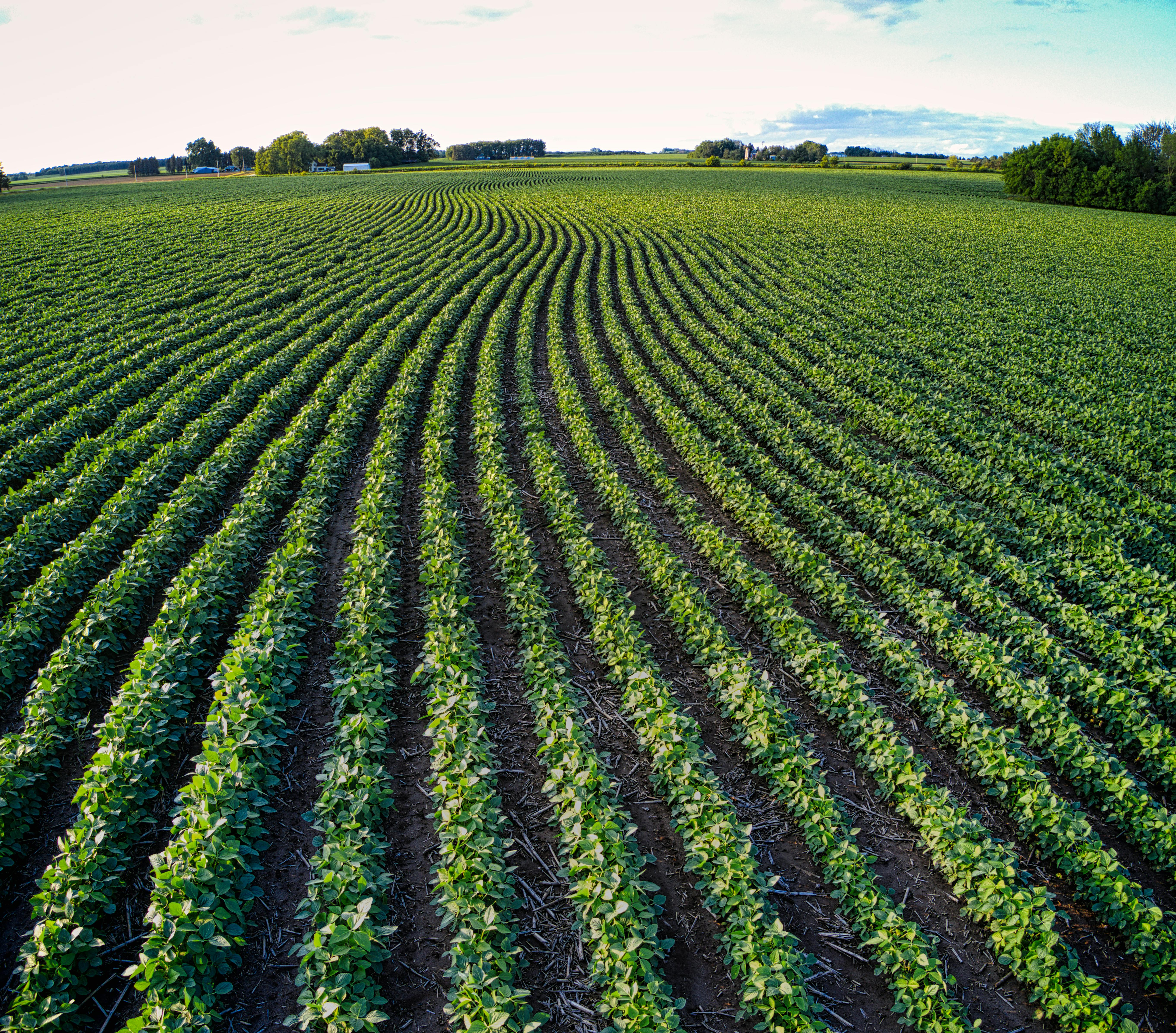
This plan makes sense partly because Ontario already has the raw materials. The province is one of Canada's main soybean-growing regions, supported by established farm networks, grain handling systems, and processors that understand both domestic and export markets.
Geography also helps. Southern Ontario sits close to major North American food manufacturing corridors, giving ingredient makers access to customers, transportation links, and a large cluster of research institutions with expertise in agriculture, food processing, and protein innovation.
Canada has been talking for years about moving up the value chain in agriculture. Rather than relying mainly on bulk exports, policymakers, farm groups, and processors have pushed for more domestic crushing, refining, fractionation, and ingredient manufacturing.
This soybean-to-formula effort fits squarely inside that bigger strategy. It is not simply about one company finding a niche. It is about proving that Canadian crops can anchor a more sophisticated food-processing sector that serves both domestic consumers and export buyers.
The business case goes beyond baby formula
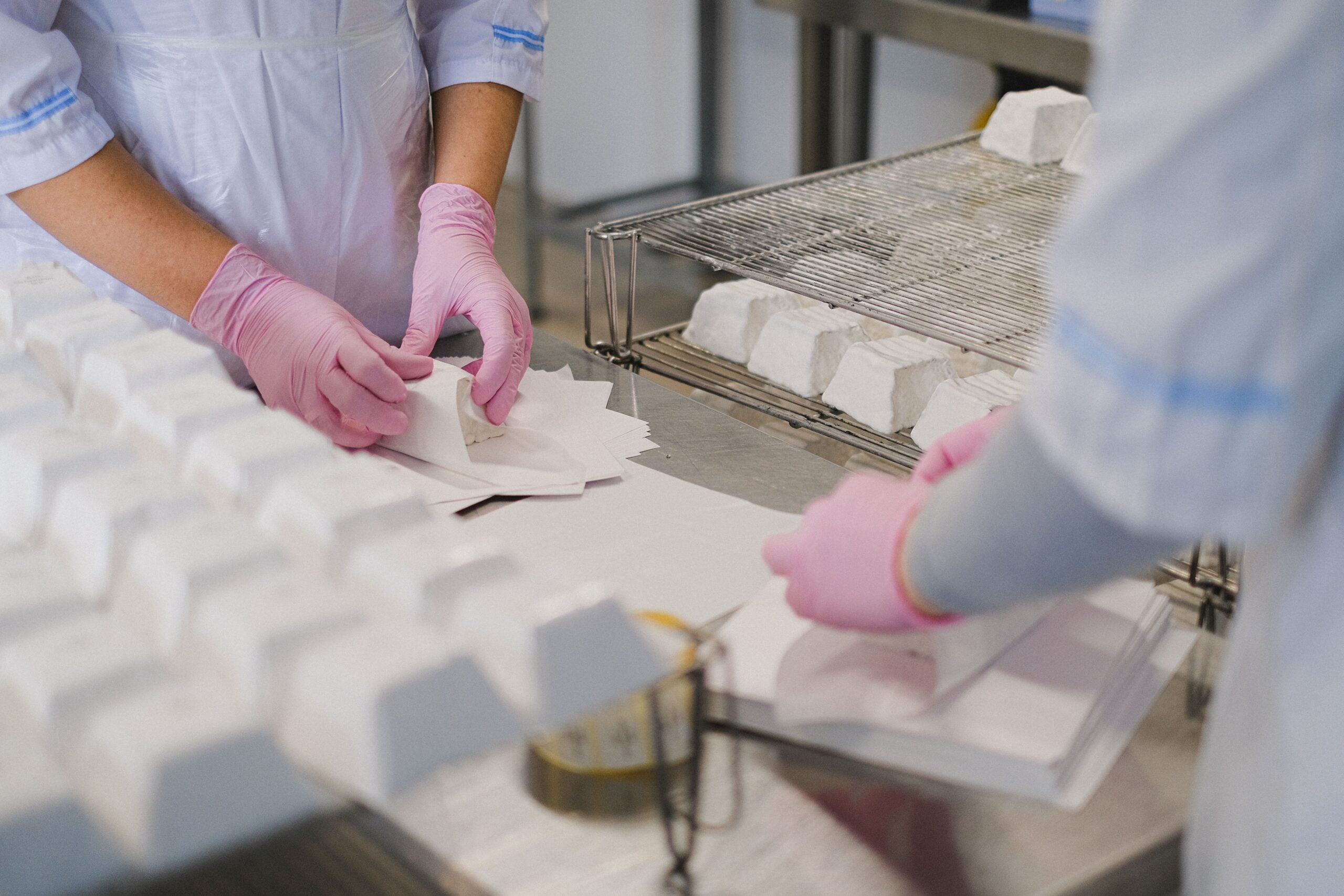
Infant formula may be the headline, but the broader commercial logic is much bigger. Once a company develops the capability to isolate and refine high-grade soy proteins, it can potentially sell into medical nutrition, clinical foods, beverages, and specialized functional food categories.
That diversification matters because formula markets are demanding and heavily regulated. A processor that builds a plant around those standards may gain credibility in other premium ingredient segments where customers are willing to pay more for consistency, safety, and verified sourcing.
There is also a national economic argument. Canada has often exported crops and imported finished goods, a pattern that limits how much income, technology development, and manufacturing expertise stays in the country.
Keeping more processing at home can strengthen rural economies and industrial clusters at the same time. Farmers gain another potential domestic buyer, while nearby communities benefit from investment in facilities, logistics, laboratory services, and skilled technical employment.
The challenges are real and highly specific
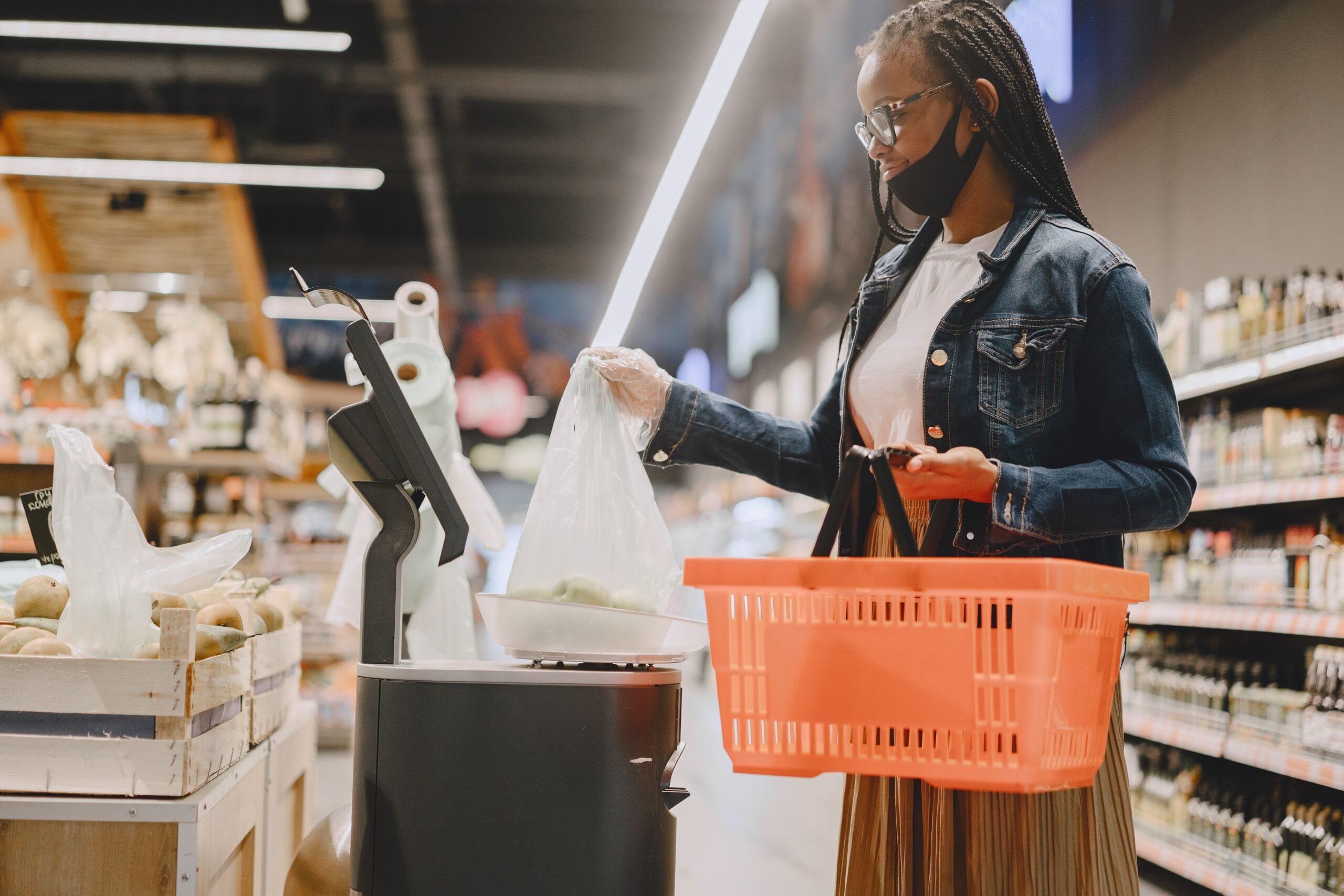
None of this will be easy. Infant formula ingredients face some of the toughest manufacturing requirements in food, and any company entering the space must satisfy exacting standards for quality systems, contamination control, traceability, and regulatory compliance.
There is also the question of scale. Building an ingredient business for formula requires significant capital, specialized equipment, and long customer qualification cycles, since major food manufacturers do not switch critical suppliers quickly or casually.
Soy itself brings additional complications. Companies must carefully manage allergen labeling, consumer perceptions, and evolving nutrition guidance, while ensuring their ingredients meet compositional and safety expectations in Canada and potentially in foreign markets as well.
Competition is another hurdle. Global ingredient suppliers already serve formula manufacturers and often operate at large scale, so an Ontario company will need a sharp advantage, whether in traceability, proximity, sustainability, or the ability to offer dependable North American supply.
What success could mean for Canada

If this effort works, the payoff could extend well beyond a single factory gate. It would show that Canadian agriculture can support not just crop production, but advanced ingredient manufacturing in one of the most demanding areas of the food system.
That would be meaningful at a time when governments and industry are rethinking food security. Recent shortages and supply bottlenecks made clear that resilience depends not only on growing food, but also on having the domestic capacity to process critical ingredients.
For Ontario, success would reinforce the province's position as both a farming powerhouse and a food-manufacturing hub. For Canada, it would offer a practical example of how to convert raw agricultural strength into higher-value industrial capability.
Most of all, it would signal a shift in mindset. Instead of seeing soybeans mainly as exports, this company sees them as the foundation for a homegrown ingredient business that could keep more innovation, profit, and strategic control inside Canada.



Leave a Reply