
Funeral sandwiches are not fancy, and that is part of the point. This old church basement favorite, usually made with soft rolls, ham, cheese, and a buttery mustard topping, was built to feed a crowd with comfort and very little fuss.
The church cookbook classic
Long before recipe videos and party food trends, funeral sandwiches spread through community and church cookbooks. The name came from their role at post funeral luncheons, especially in parts of the Midwest and South, where families and congregations gathered after a service to share simple food.
The recipe fit that moment perfectly. It could be assembled ahead, baked in a large pan, and cut into neat portions without much last minute work. It was warm, filling, and familiar, which mattered more than novelty when people were feeding a room full of grieving guests.
That practical history helps explain why the dish stayed around. It was never just about thrift or convenience. It was also about hospitality, the kind that values ease, abundance, and a plate that almost everyone will recognize.
The tray that defines the dish
At its core, the recipe is a baked slider casserole. Many versions use a package of small sweet rolls, often split as one slab, then layered with deli ham and Swiss cheese before the tops go back on.
What makes it distinct is the topping. Melted butter is usually mixed with mustard, Worcestershire sauce, dried onion or onion powder, and sometimes poppy seeds, then spooned or brushed over the rolls before baking. In the oven, the tops turn glossy and lightly crisp while the filling softens and melts together.
That balance is the whole appeal. You get sweet bread, salty ham, nutty cheese, and a tangy finish in one bite. It tastes like a party snack, but it carries the heartiness of a hot sandwich.
Why it works at a luncheon
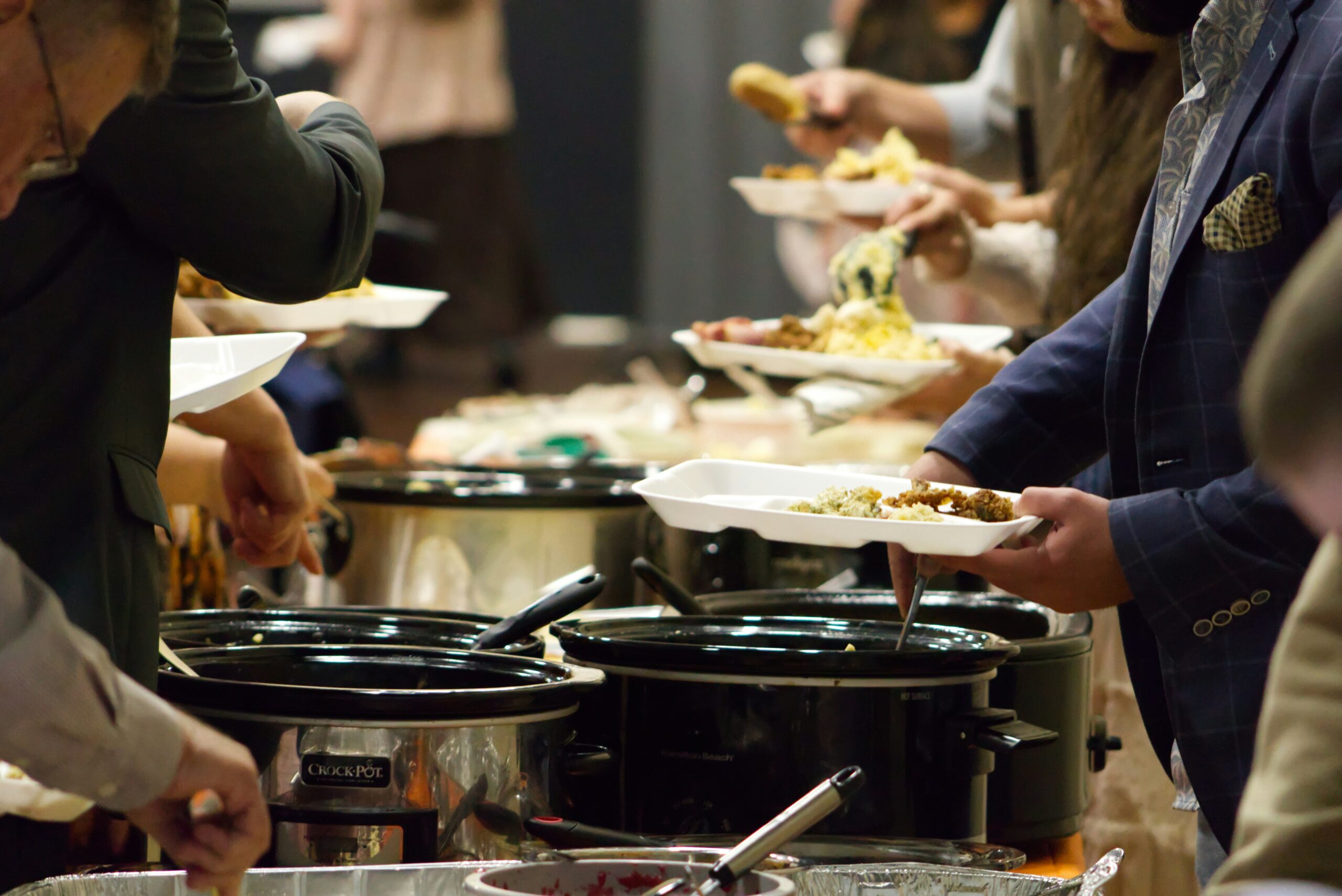
Some foods look better than they hold, but funeral sandwiches were designed for real serving conditions. They can sit in a pan, travel reasonably well, and feed many people quickly. For a luncheon after a service, that matters more than elaborate presentation.
They also suit a mixed age crowd. Children tend to like the soft bread and melted cheese, while older guests know the flavor profile from potlucks, showers, and holiday buffets. A tray can be served with fruit salad, potato chips, pickles, or a vegetable casserole without competing for attention.
There is also an emotional logic to the dish. At gatherings shaped by loss, people often gravitate toward foods that feel steady and recognizable. Funeral sandwiches offer exactly that, which helps explain their staying power.
The comeback beyond funerals
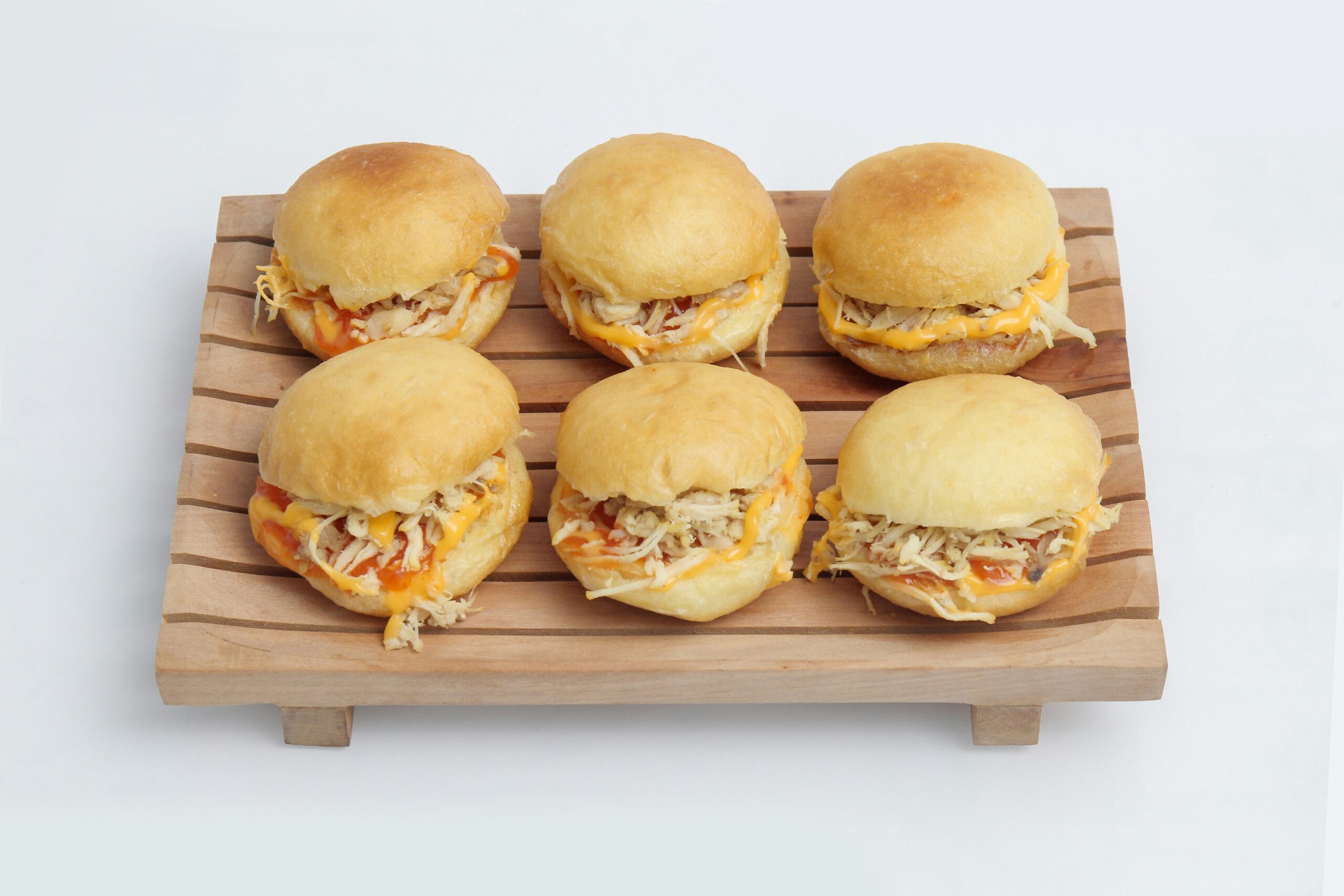
The return of the recipe has a lot to do with how people cook now. Dishes that are affordable, make ahead friendly, and easy to share are getting fresh attention, especially for game days, baby showers, holiday mornings, and casual family parties.
Social media has helped introduce the recipe to people who did not grow up with it. Many know it simply as baked ham and cheese sliders, but the structure is the same. In some versions, cooks swap turkey for ham, cheddar for Swiss, or add a little horseradish for extra bite.
Even with those updates, the original spirit survives. This is still a crowd dish, not a chef showpiece. Its comeback says a lot about what home cooks value right now: dependable flavor, low stress prep, and recipes that make generosity feel easy.
The details that make it good
A strong version depends on proportion more than complexity. Too much sauce can make the rolls soggy, while too little leaves the top dry and forgettable. The best trays keep the bread soft inside, with just enough butter mixture to season the surface and edges.
Cheese placement matters, too. Putting cheese above and below the ham helps hold the filling together once it melts. Covering the pan for part of the baking time can warm the centers evenly, then uncovering near the end helps the tops brown.
Resting the tray briefly after baking is another useful detail. It gives the melted cheese a moment to settle, so the sandwiches slice more cleanly. That small pause can make a pan look much neater on a buffet table.
Why the recipe still endures
Funeral sandwiches endure because they solve several problems at once. They are economical, widely liked, simple to scale up, and tied to occasions where feeding people is a form of care. Few recipes cover all of that so gracefully.
They also tell a bigger story about American home cooking. The most lasting dishes are often not the flashiest ones, but the foods linked to memory, community, and repetition. A pan of warm sandwiches can carry all three.
That is why this old fashioned luncheon recipe keeps returning. It meets the moment at funerals, but it also fits plenty of ordinary gatherings. In both settings, it offers the same quiet promise: there will be enough, and it will taste like home.




Leave a Reply