
Mushrooms are often praised for their health benefits. But one compound associated with some mushroom exposures has raised serious concerns about brain health.
The claim behind the 50% figure

At first glance, a "50% decline in brain function" sounds like a simple, settled fact. It is not. Headlines like this usually compress a far more technical finding about lower performance on memory, attention, or processing-speed tests in a specific group studied under very specific conditions.
In research on toxic mushroom exposure, scientists do not measure "brain function" with a single dial. They look at neurocognitive outcomes such as recall, reaction time, executive function, and changes seen after poisoning or long-term exposure to harmful compounds. A 50% decline may refer to relative performance on one measure, not half of the entire brain's capacity.
That distinction matters. According to toxicology and neurology literature, severe mushroom poisoning can produce confusion, seizures, liver failure, and delayed neurological injury. In such cases, poor cognitive scores can reflect both direct toxin effects and secondary damage from organ failure, inflammation, or oxygen deprivation.
Which mushroom compound is most likely involved
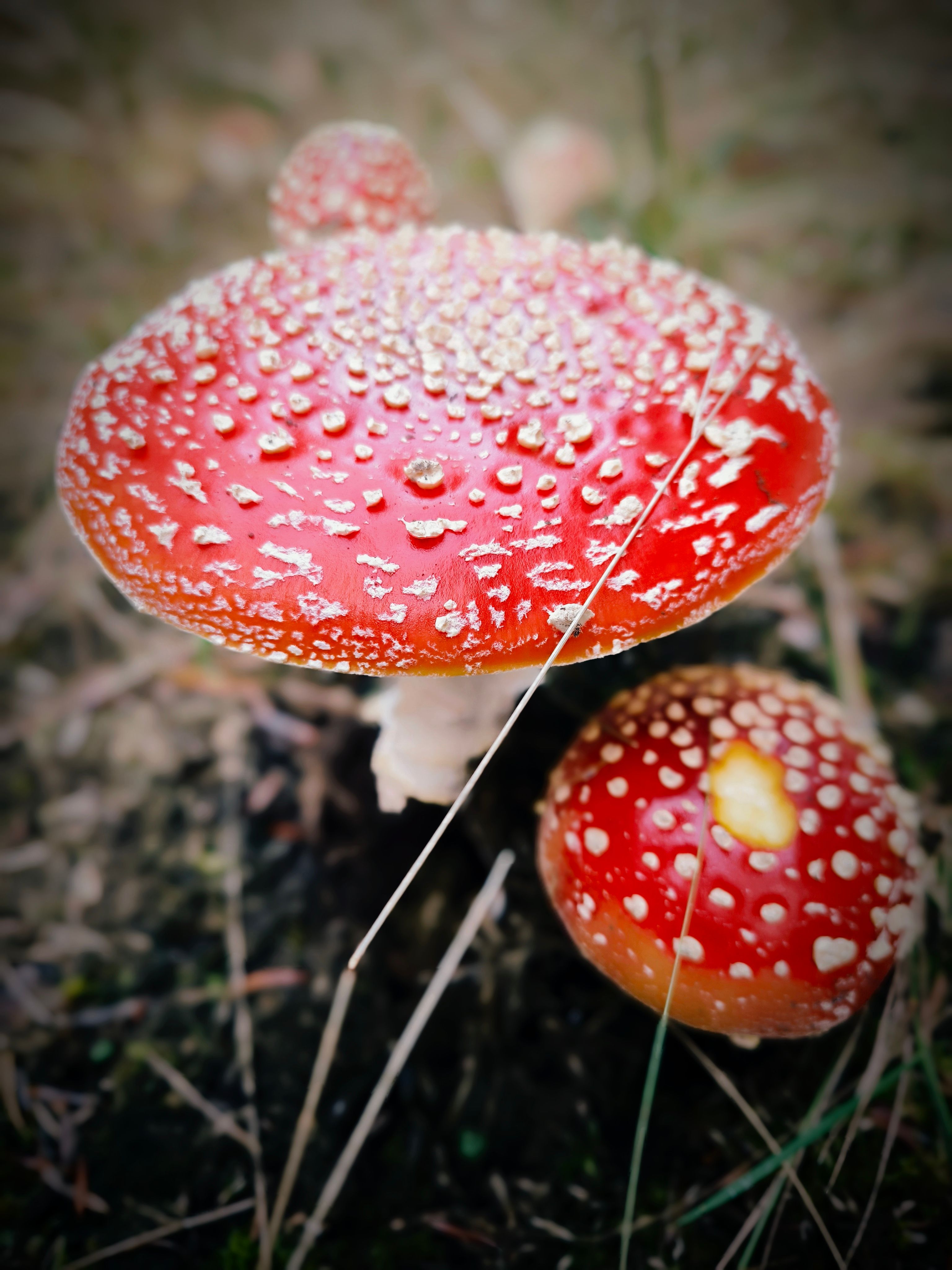
The most concerning mushroom compounds are not the trendy molecules found in culinary varieties. They are potent toxins such as amatoxins, gyromitrin-derived metabolites, muscarine, ibotenic acid, and muscimol, depending on the species involved. Each acts differently, and each carries a different pattern of risk.
Amatoxins, found in deadly Amanita species including the death cap, are especially feared because they can shut down RNA polymerase II, a key part of cellular protein production. That can trigger catastrophic liver injury, followed by multi-organ stress that may affect the brain. Neurological decline in these cases is often part of a larger medical emergency.
Other compounds can act more directly on the nervous system. Ibotenic acid and muscimol, associated with Amanita muscaria and related species, alter signaling in the brain and can cause delirium, agitation, drowsiness, and distorted perception. While many people recover, severe cases can still become dangerous, especially in children, older adults, or people with other illnesses.
How researchers measure cognitive decline

Here is where nuance becomes essential. Scientists usually define decline through standardized testing, comparing one group's performance with another's or comparing a patient's scores before and after exposure. The resulting numbers can sound dramatic even when they describe changes in a narrow domain rather than overall intelligence.
For example, a study might find that exposed individuals scored about 50% lower on a memory recall task or showed a substantial reduction in attention span during acute toxicity. That does not automatically mean permanent damage. In some cases, the deficit improves as the toxin clears and the person recovers medically.
Still, temporary impairment should never be dismissed. Acute toxic encephalopathy can be serious, and prolonged confusion may signal deeper injury. Neurologists also consider whether a person suffered complications such as low blood pressure, metabolic collapse, or liver-related encephalopathy, all of which can sharply worsen mental performance beyond the toxin's direct effect.
Why dosage, species, and health status change the risk
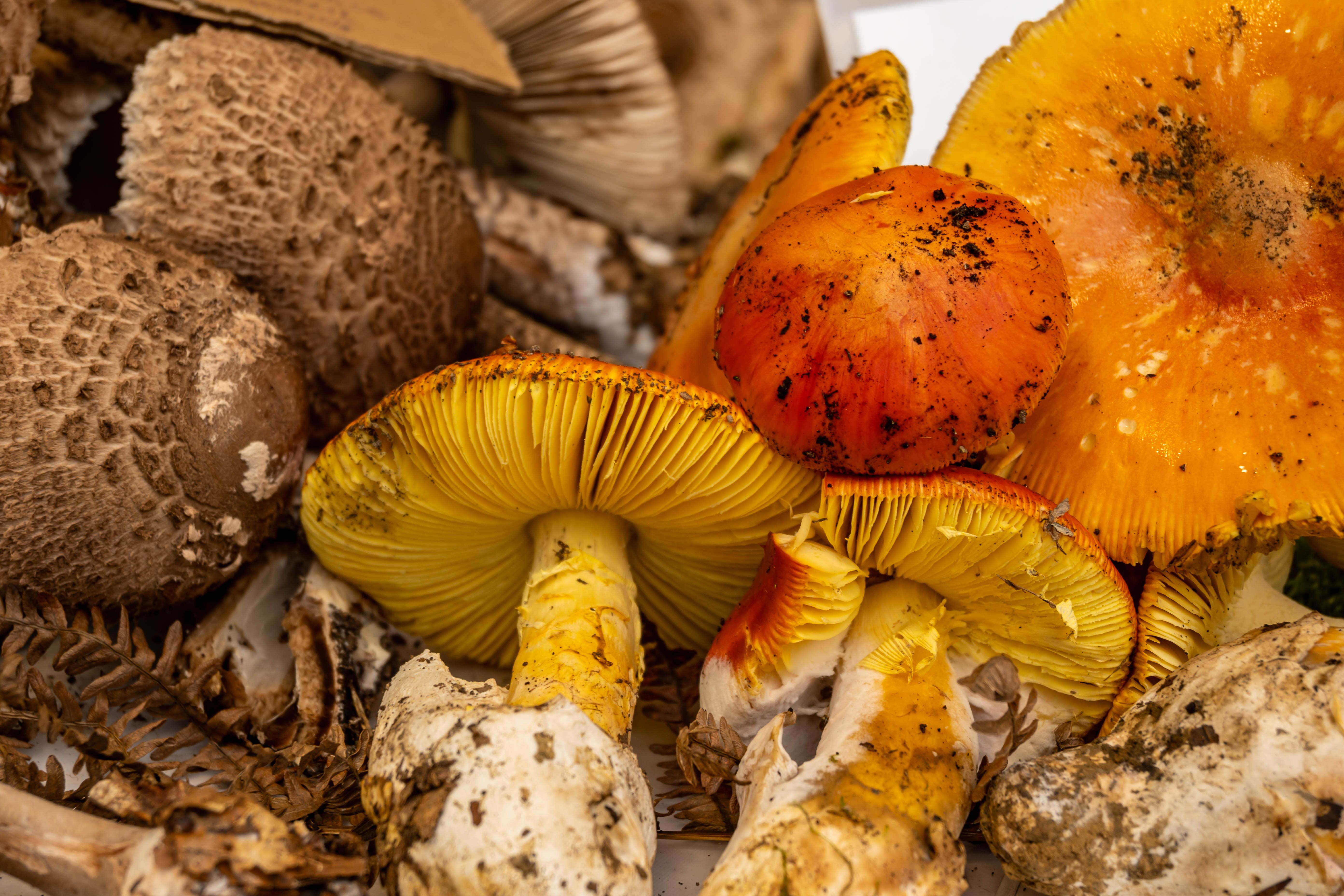
Not all mushrooms are dangerous, and not all dangerous mushrooms behave the same way. A tiny amount of one species may be deadly, while a larger amount of another may mainly cause gastrointestinal distress. Correct identification is therefore one of the biggest factors separating a harmless meal from a toxic event.
Dose is only part of the picture. A child, an older adult, or someone with liver disease may deteriorate much faster after exposure than a healthy adult. Hydration status, time to treatment, and whether alcohol or other substances were also consumed can influence both severity and recovery.
Real-world poison center data show this clearly. Many mushroom exposures cause nausea and vomiting but resolve with supportive care. Others progress after a deceptive calm period, especially with amatoxin poisoning, where early symptoms may fade before liver injury escalates. That delay is one reason experts warn against waiting at home to "see what happens."
What this means for edible and medicinal mushrooms

This is the key point many readers worry about most. The findings tied to toxic mushroom compounds should not be automatically applied to supermarket mushrooms like button, shiitake, oyster, or portobello. Those foods have been widely studied and are generally considered safe when properly handled and cooked.
The same caution applies to medicinal mushroom supplements, though with an important caveat. Supplements can vary in purity, concentration, labeling accuracy, and contamination risk. Independent testing has occasionally found misidentified species, heavy metals, or inconsistent amounts of active compounds, which means quality control matters as much as the ingredient name.
Psychoactive mushrooms deserve separate mention because psilocybin is a different compound from the toxins involved in deadly poisonings. Research settings have explored psilocybin for depression and other conditions, but unsupervised use still carries risks, including panic, impaired judgment, and accidental ingestion of the wrong species. Misidentification is one of the most preventable dangers.
What to do if mushroom poisoning is suspected

Speed saves lives in suspected mushroom poisoning. If someone develops vomiting, confusion, severe sleepiness, sweating, hallucinations, yellowing of the skin, or worsening weakness after eating a wild mushroom, seek emergency care immediately. Poison control guidance can help, but it should not replace urgent evaluation when symptoms are significant.
If possible, keep a sample of the mushroom, take clear photos, and note when it was eaten and when symptoms began. That information can help toxicologists and mycologists narrow the species and choose the best treatment path. Do not rely on internet folklore, home remedies, or visual guesswork from a field guide alone.
The bottom line is simple. A mushroom-related compound can indeed be linked to striking declines in measured cognitive performance, but the context is usually toxic exposure, not ordinary mushroom consumption. The real lesson is not to fear all mushrooms. It is to respect how dangerous the wrong species can be.




Leave a Reply