
Canada does not look like a place where American travelers would suddenly eat very differently. The menus are familiar, the brands overlap, and the portions can seem reassuringly North American at first glance. But once people start ordering the local defaults, the calorie math often changes fast.
The main reason is not mystery ingredients or dramatic cultural differences. It is that many Canadian comfort foods lean harder into cheese, gravy, cream, butter and large servings, so visitors can end up eating more energy dense meals than they realize.
Kraft Dinner
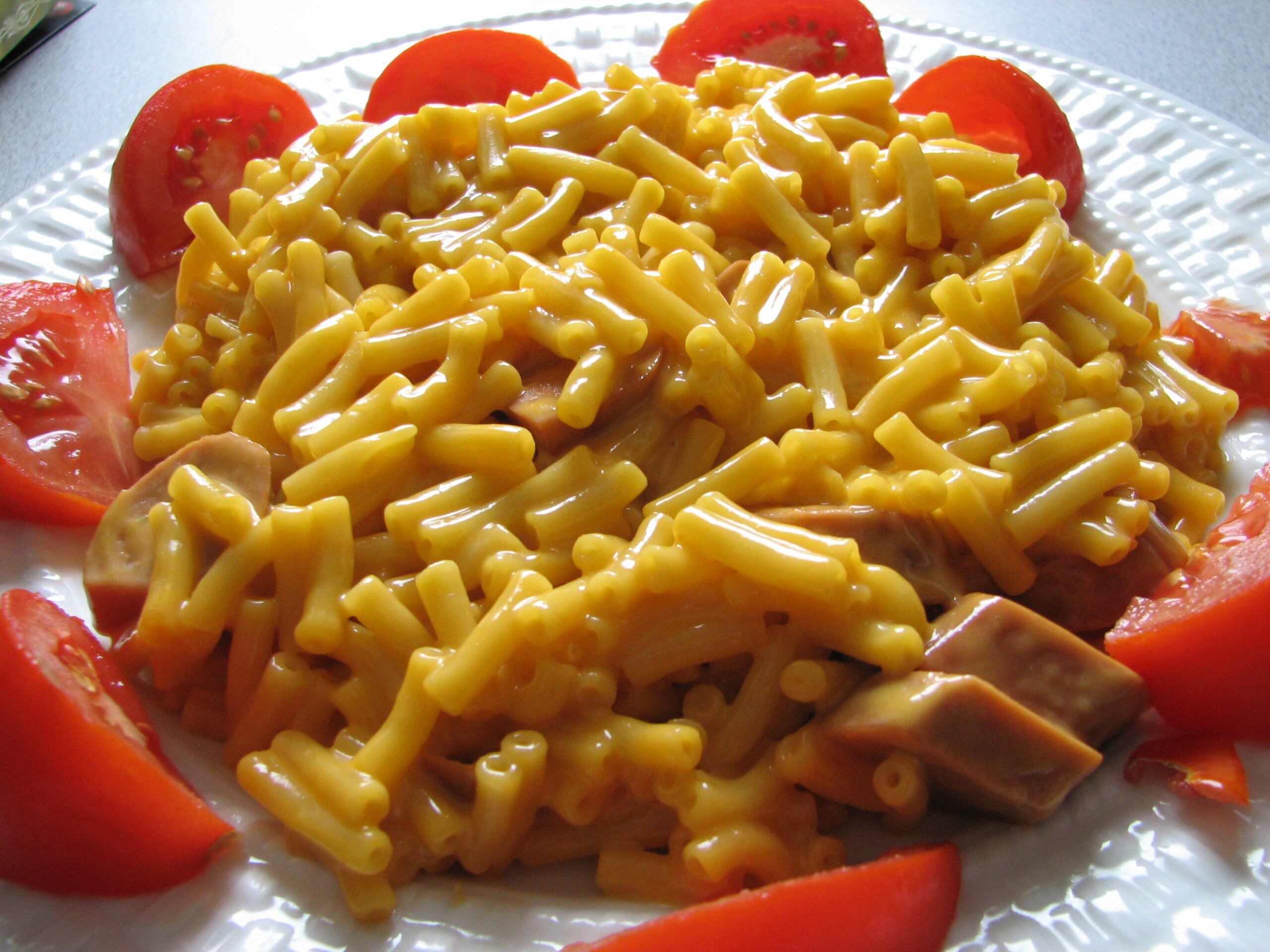
One of the clearest examples is Kraft Dinner, the blue box staple that many Canadians simply call KD. According to the figures provided, Canadian KD has 960 calories per box, while the American version has 1,080. That means the Canadian box is not actually the higher calorie one, even though many travelers assume the opposite when they compare comfort food habits across the border.
What matters more is how KD fits into Canadian eating culture. It is often treated as a full comfort meal, and it is frequently enriched with butter, milk and extra cheese. In practice, the bowl people eat can feel much richer than a plain boxed pasta dinner suggests, especially when it is paired with hot dogs, bacon or other add-ins.
Poutine
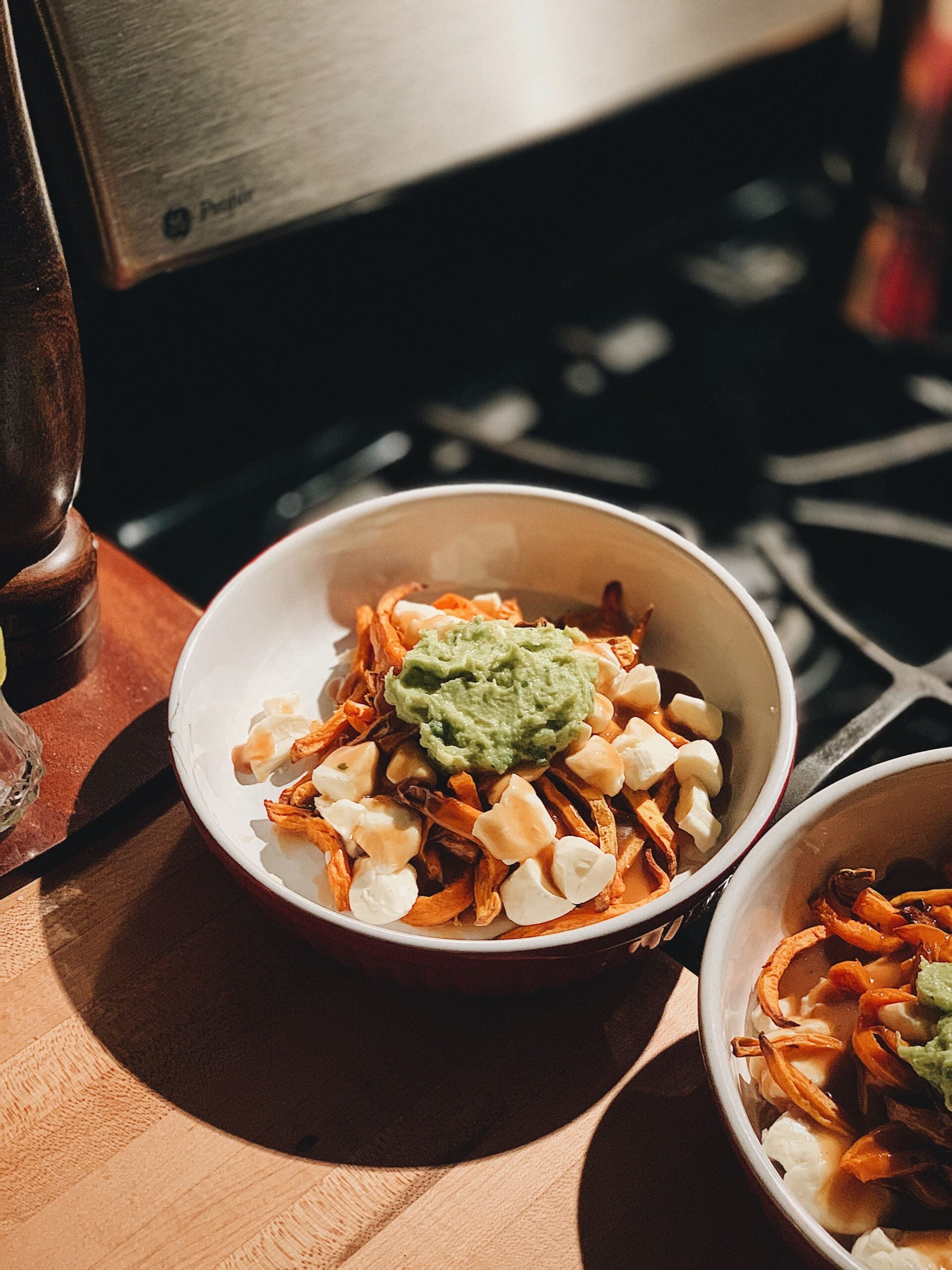
If one dish explains the Canadian tendency toward indulgence, it is poutine. At its most basic, it combines french fries, cheese curds and gravy, which already creates a meal built from starch, fat and salt. In many restaurants, that base is then expanded with pulled pork, bacon, extra cheese or creamy sauces.
For American tourists, poutine often reads like a side dish because it starts with fries. In reality, it can land more like a full plate of comfort food. The combination of crisp potatoes, melted curds and rich gravy is satisfying in a way that encourages people to keep eating well past the point where a lighter snack would have ended.
Diner breakfasts
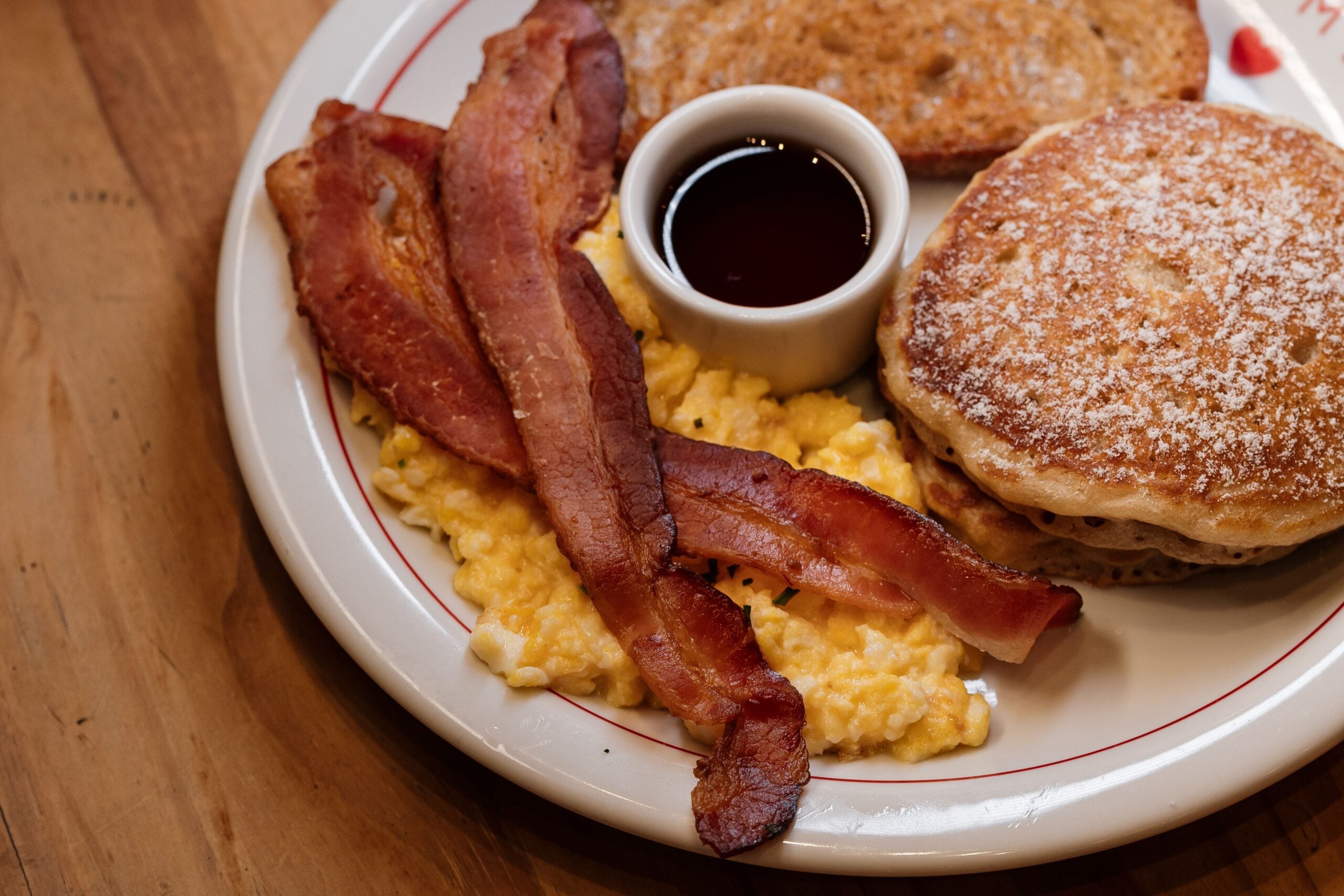
Breakfast is where many visitors first notice the difference in portion style. Canadian diners often serve broad plates loaded with eggs, toast, home fries, sausage, bacon and pancakes, and the price can feel surprisingly reasonable for how much arrives. When the same budget buys a larger meal, people tend to finish more food.
The richness matters as much as the size. Home fries are commonly cooked on a well seasoned grill, toast gets a generous layer of butter, and pancakes are rarely served dry. Add syrup, cream for coffee and breakfast meats, and a meal that sounds ordinary on paper becomes a dense start to the day.
Creamy sauces and comfort cooking
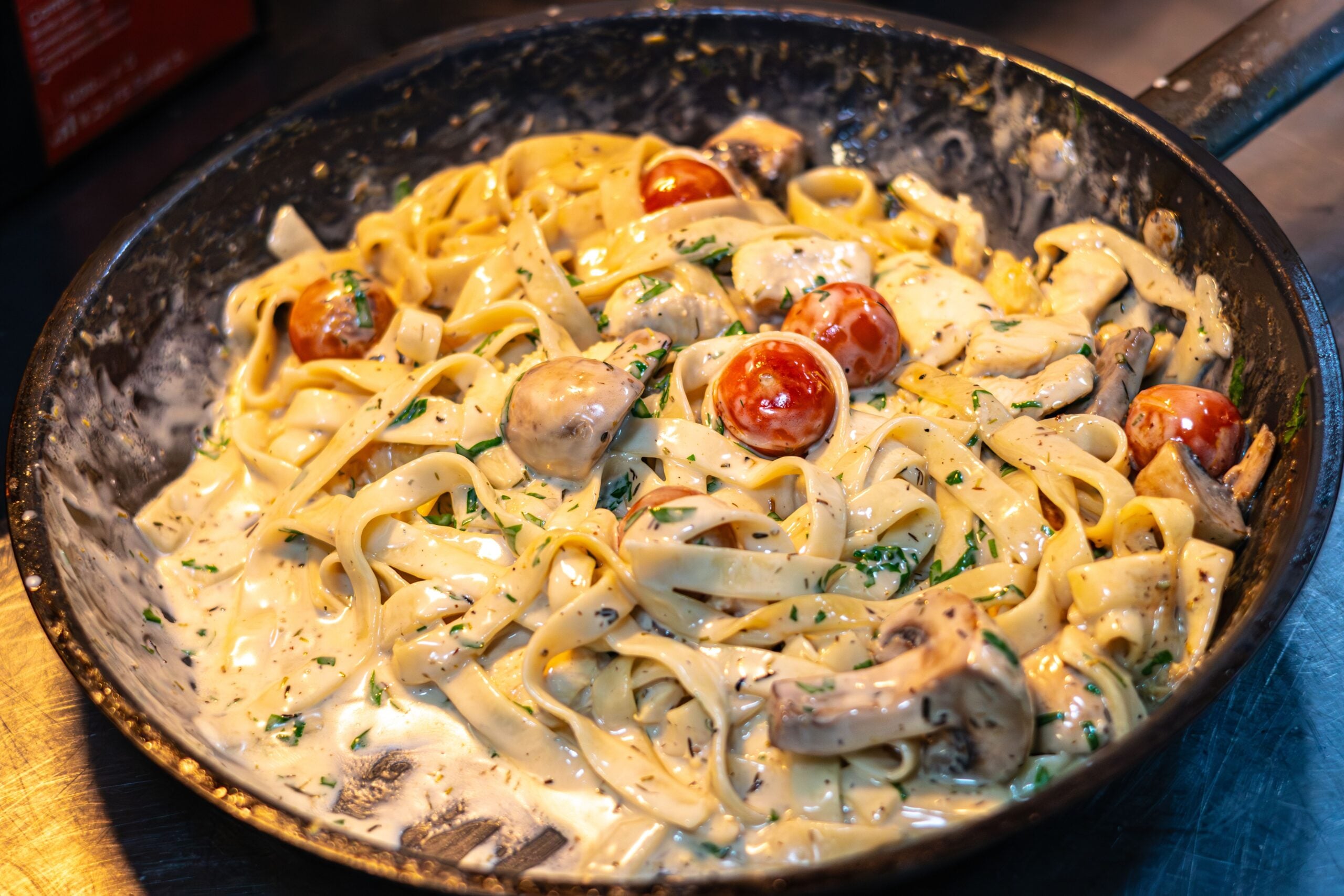
A big part of the weight gain story is not one famous dish, but a pattern. Canadian comfort cooking often leans into cream sauces, butter based finishes and cheese heavy casseroles. In pubs, diners and family restaurants, it is common to see pastas, hot sandwiches and baked dishes built to feel warming and substantial.
That matters because richness can hide in foods people do not flag as splurges. A chicken dish might come with a cream sauce by default. Vegetables may be glazed with butter. Soup can be thickened, topped with cheese or served with rich bread on the side. Travelers who think they are ordering a balanced plate may still end up with a very calorie dense meal.
Fries, gravy and side upgrades
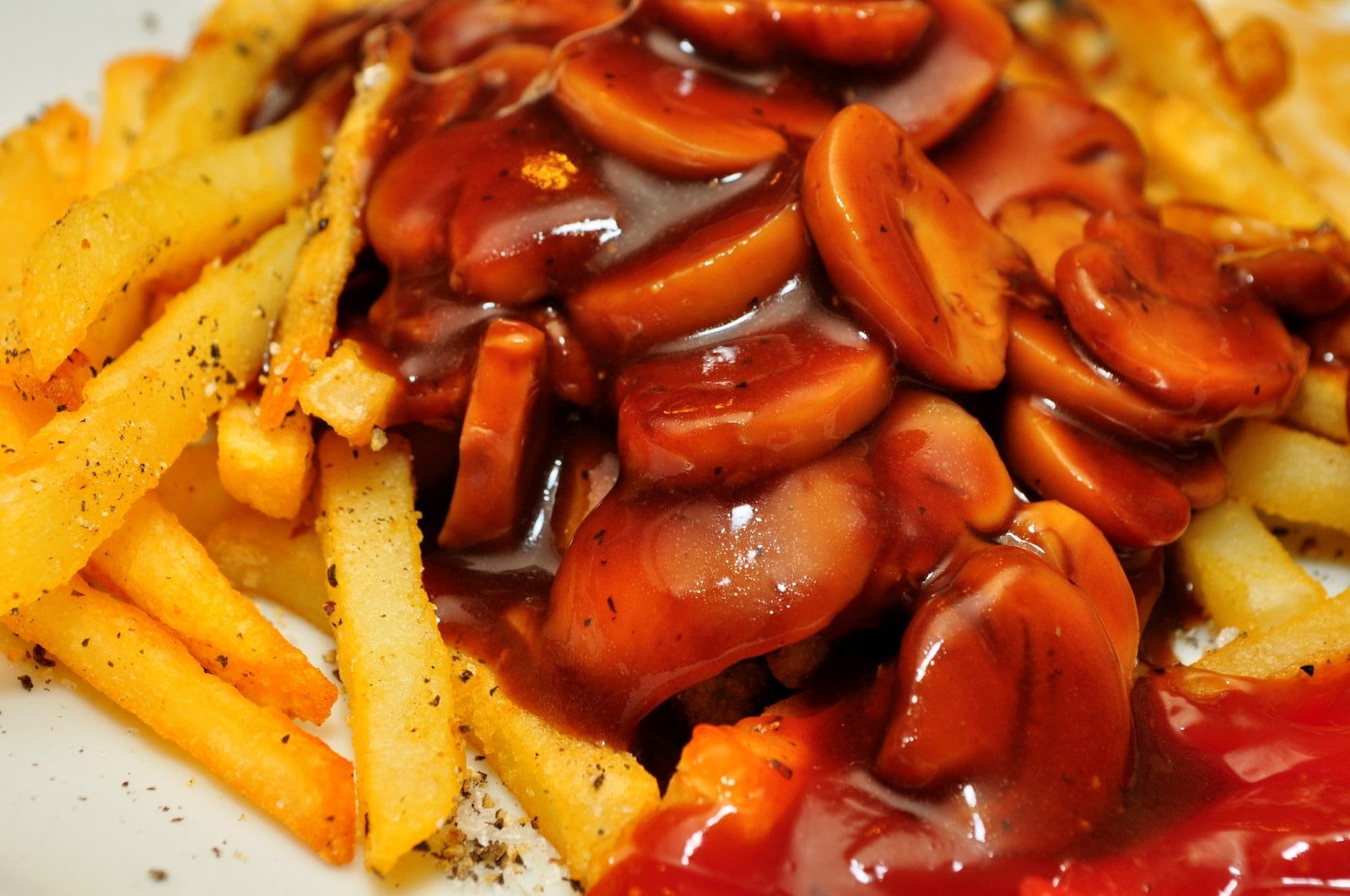
Sides also work differently in many Canadian meals. Fries are a standard default, and gravy is a common add-on that feels normal rather than extravagant. Once gravy, cheese or extra sauce enters the picture, a sandwich or burger meal can turn from familiar fast casual food into something much heavier.
This is one reason tourists can gain weight without feeling like they overindulged. They may not be ordering dessert or seeking out oversized novelty foods. Instead, they are eating meals where the baseline side is richer, the toppings are heavier and the overall plate carries more calories than a similar order back home.
Familiar food that eats richer
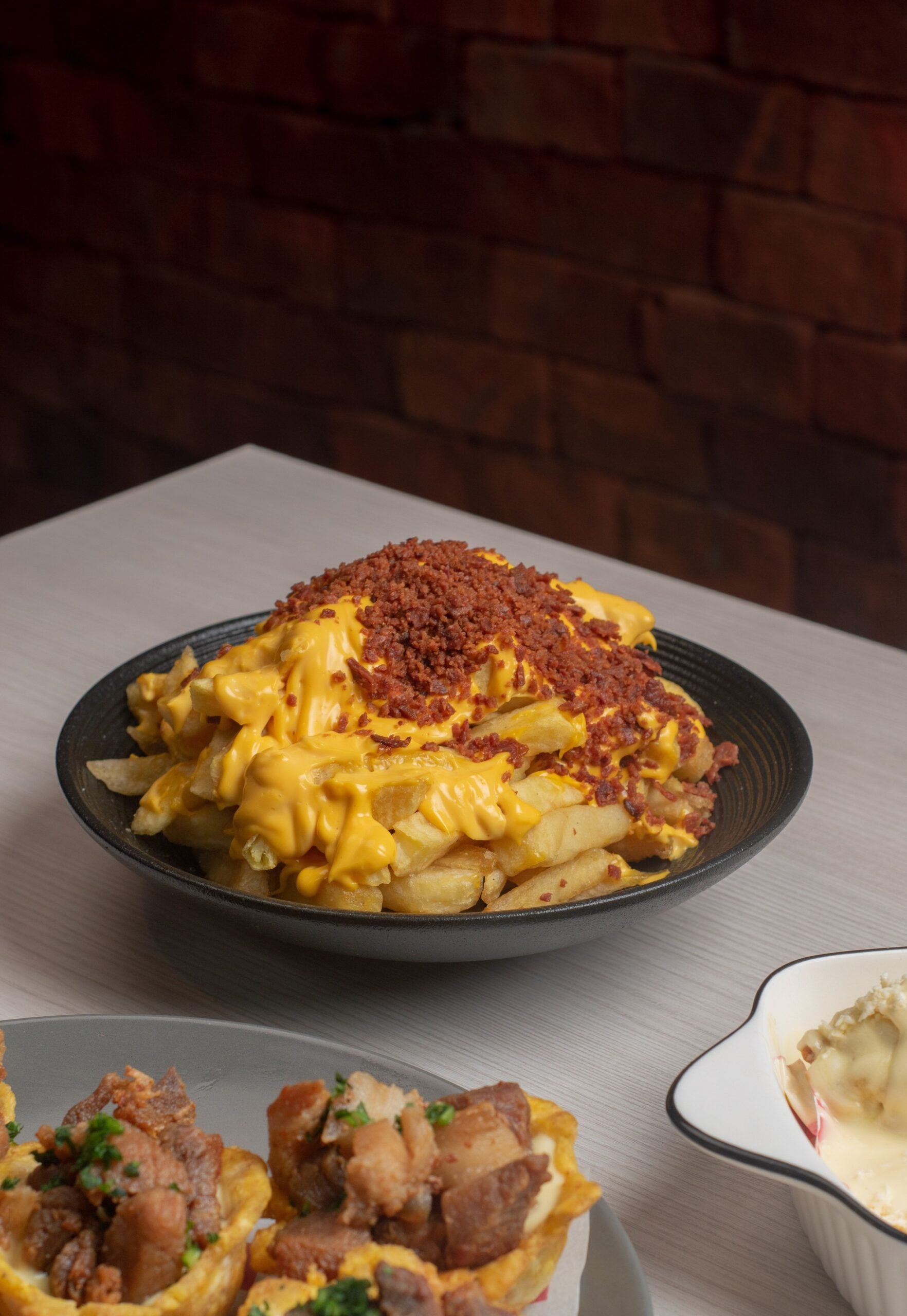
The most important point is that Canada often serves familiar food in a richer register. The issue is not that every single item is larger or that every brand is higher in calories. In fact, the KD comparison shows that assumptions can be wrong when people focus on one package instead of the broader food culture.
American tourists gain weight in Canada because the default comfort level is turned up. Butter, cream, gravy, cheese and generous diner plates show up again and again, often at prices that encourage people to order freely. The food feels recognizable, but the eating experience is more indulgent by default, and that is where the extra pounds can begin.




Leave a Reply