
School lunches tell a bigger story than nostalgia alone. In Canada, the lunch packed in 1980, the convenience wave that followed later in the decade, and the polished bento boxes of 2026 each reflect changing ideas about health, time, and what families could actually afford.
The classic 1980 lunchbox
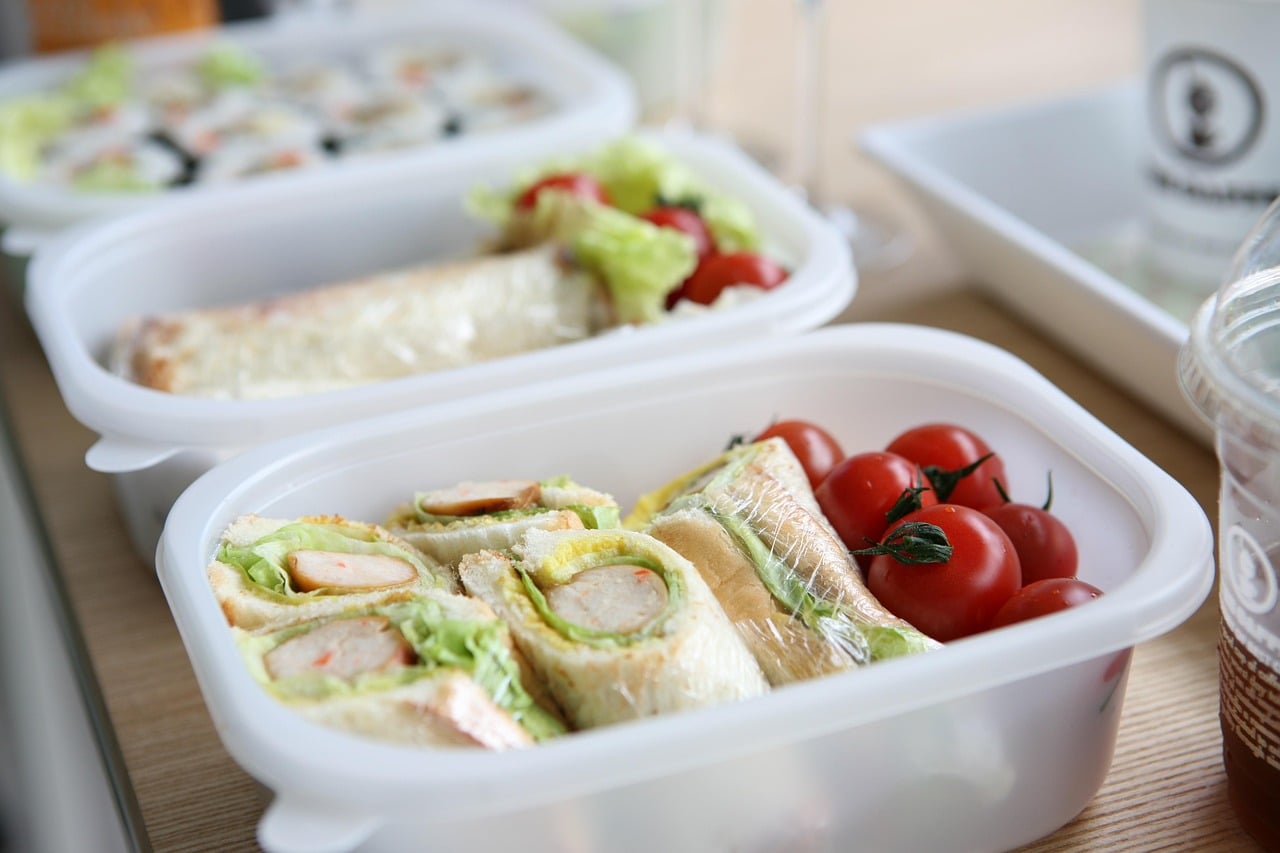
The 1980 lunch was practical before it was trendy. Many Canadian kids headed to school with a homemade sandwich on white bread, a piece of fruit, a homemade cookie, and a thermos of milk or juice.
That meal was usually carried in a hard metal lunchbox decorated with pop culture favorites such as Star Wars or The Dukes of Hazzard. The packaging looked fun, but the food inside was remarkably plain.
Nutritionally, plain often worked in its favor. A homemade sandwich and fruit offered familiar ingredients and portion control, and the cookie was usually just one treat, not several snack foods competing for space in the box.
White bread, but still a balanced meal
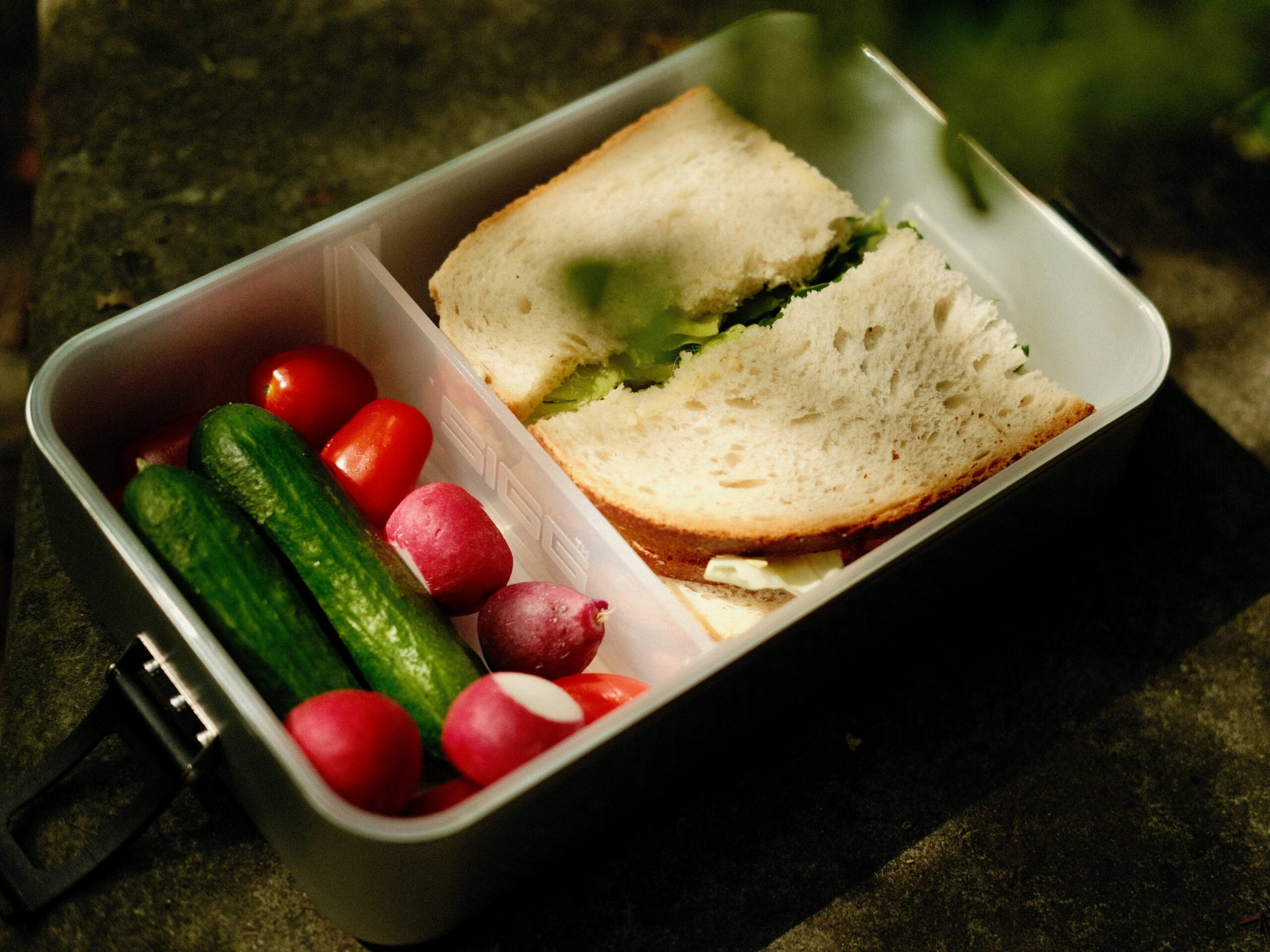
White bread is often treated as the weak point in older lunches. That criticism is fair in part, since whole grain bread generally offers more fiber, but the full lunch matters more than one ingredient in isolation.
A sandwich made at home usually meant parents controlled the filling, the spread, and the amount. Add fruit and a milk thermos, and the lunch could include carbohydrates, some protein, and a more predictable level of sugar than later packaged options.
That is the key surprise in this comparison. Even with white bread, the 1980 lunch was built from basic foods rather than ultra processed snack items, and that gave it a stronger nutritional foundation than many people assume.
The late 1980s convenience turn
By the late 1980s, the lunchbox changed fast. Processed convenience foods moved in, promising speed, shelf stability, and bright kid friendly branding that made homemade lunches look old fashioned.
Fruit Roll-Ups, Handi-Snacks, Capri Sun pouches, and Hostess Pudding Pies became familiar names. For parents, these foods saved prep time. For kids, they added novelty, sweetness, and a sense that lunch had become part snack aisle, part treat bag.
This shift mattered because it changed the structure of the meal. Instead of a sandwich, fruit, and drink built around a few recognizable staples, many lunches now leaned more heavily on refined grains, sweetened products, and individually packaged desserts.
The vanished Pudding Pie era
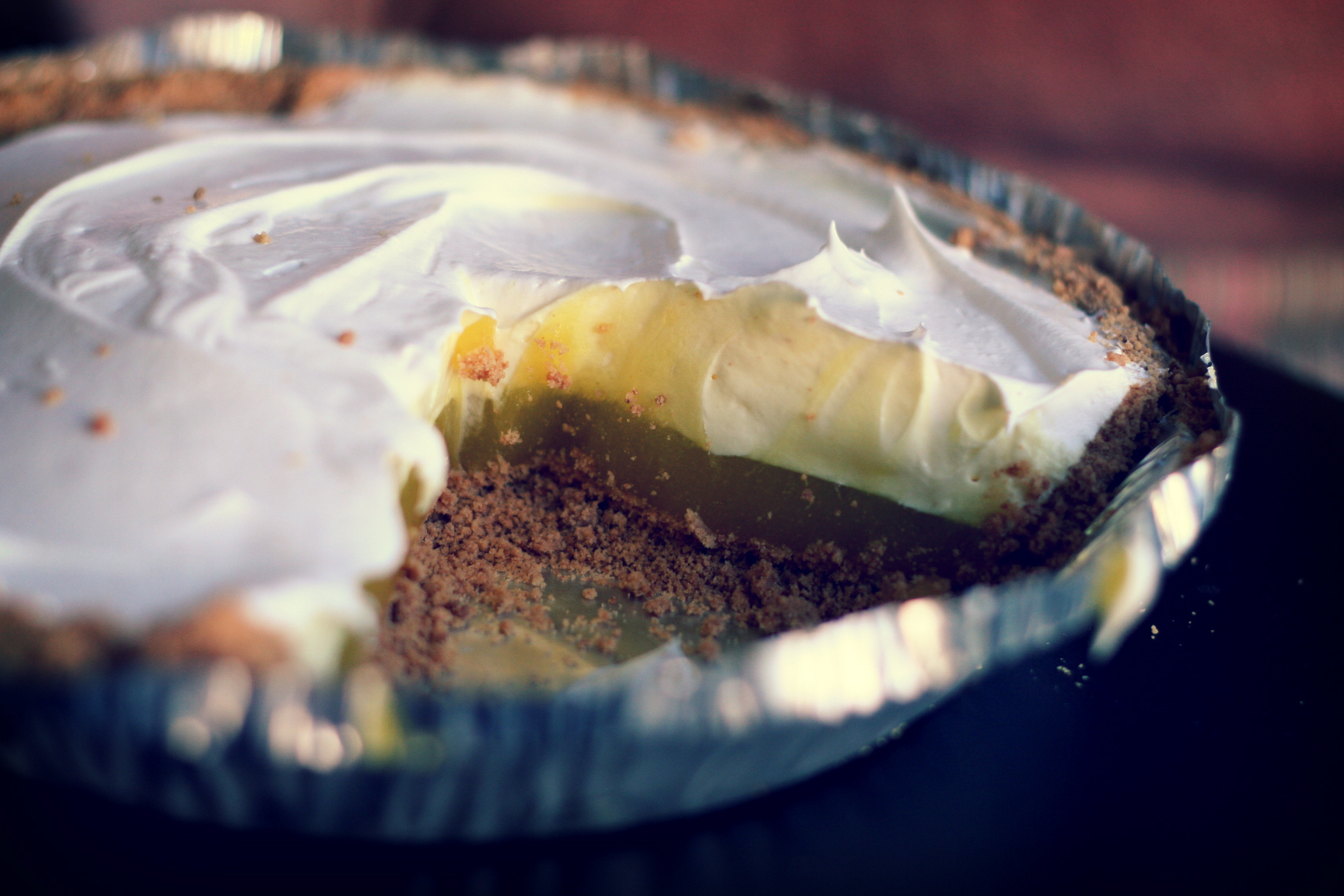
Few snacks capture that period better than the Hostess Pudding Pie. In Canada, it became a memorable after school and lunchbox treat, with a chocolate shell and a creamy pudding filling that many adults still remember clearly.
Its appeal was not subtle. It was rich, sweet, portable, and felt more like dessert than a side item tucked beside a sandwich. That was exactly the point, and exactly why it stood apart from the simpler homemade cookie it often replaced.
Today, the product has completely vanished, but the broader pattern remains familiar. When dessert style snacks become routine lunch items, they push the meal farther away from nourishment and closer to convenience driven indulgence.
The 2026 return to whole foods
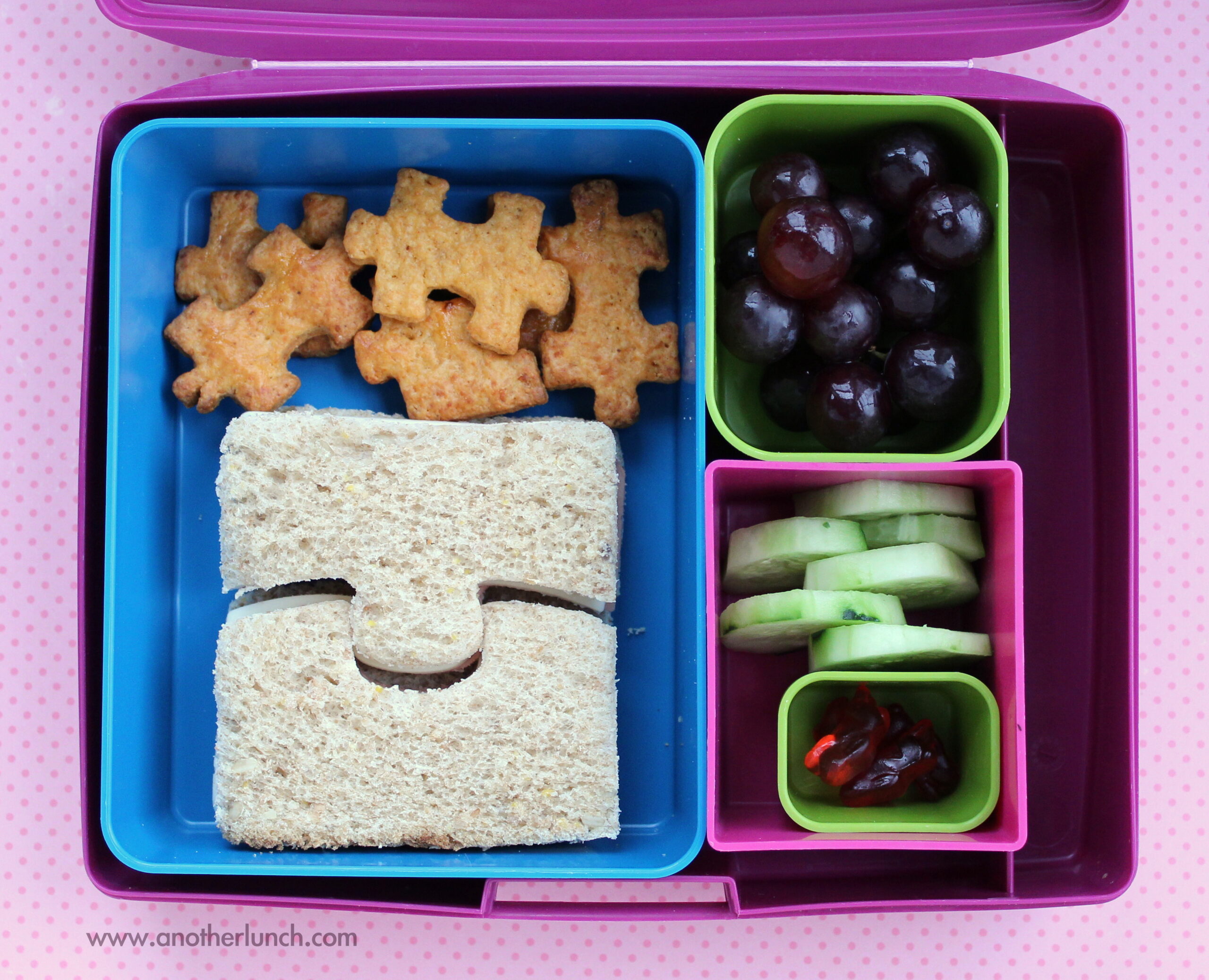
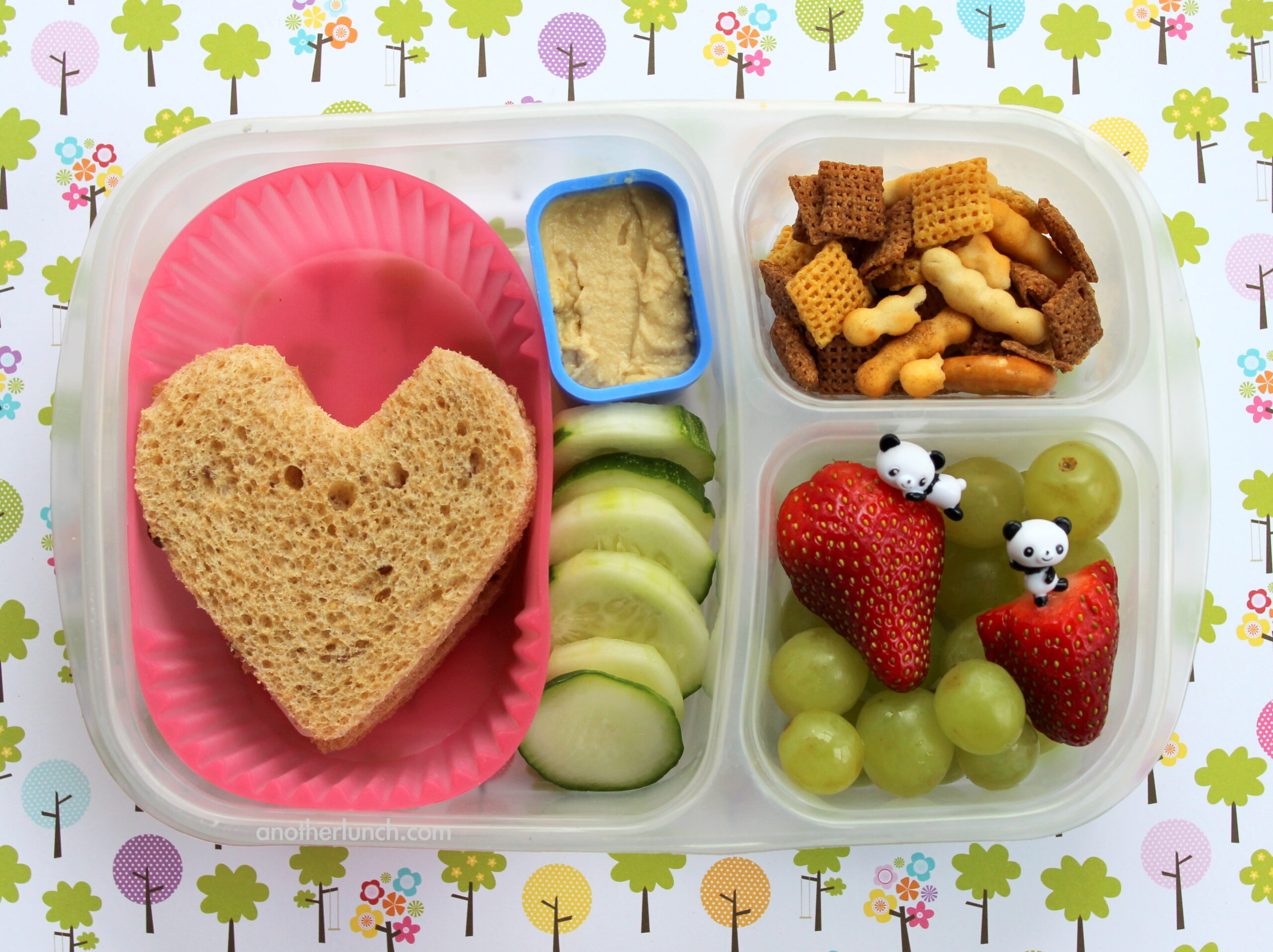
By 2026, many Canadian lunches have swung back toward foods that look closer to the 1980 model. Bento boxes, hummus, and cut vegetables signal a renewed interest in whole foods and more balanced midday meals.
This modern version often photographs beautifully and can be genuinely nutritious. Families now pay closer attention to added sugar, ingredient lists, and variety, and lunch containers themselves are designed to separate foods neatly and reduce waste.
Still, the comeback is incomplete. Alongside carrots and hummus, many lunch bags are filled with pre packaged bars, puffs, bites, and squeezable snacks marketed as wholesome, even when their health halo can exceed their real nutritional value.
Why the old lunch wins
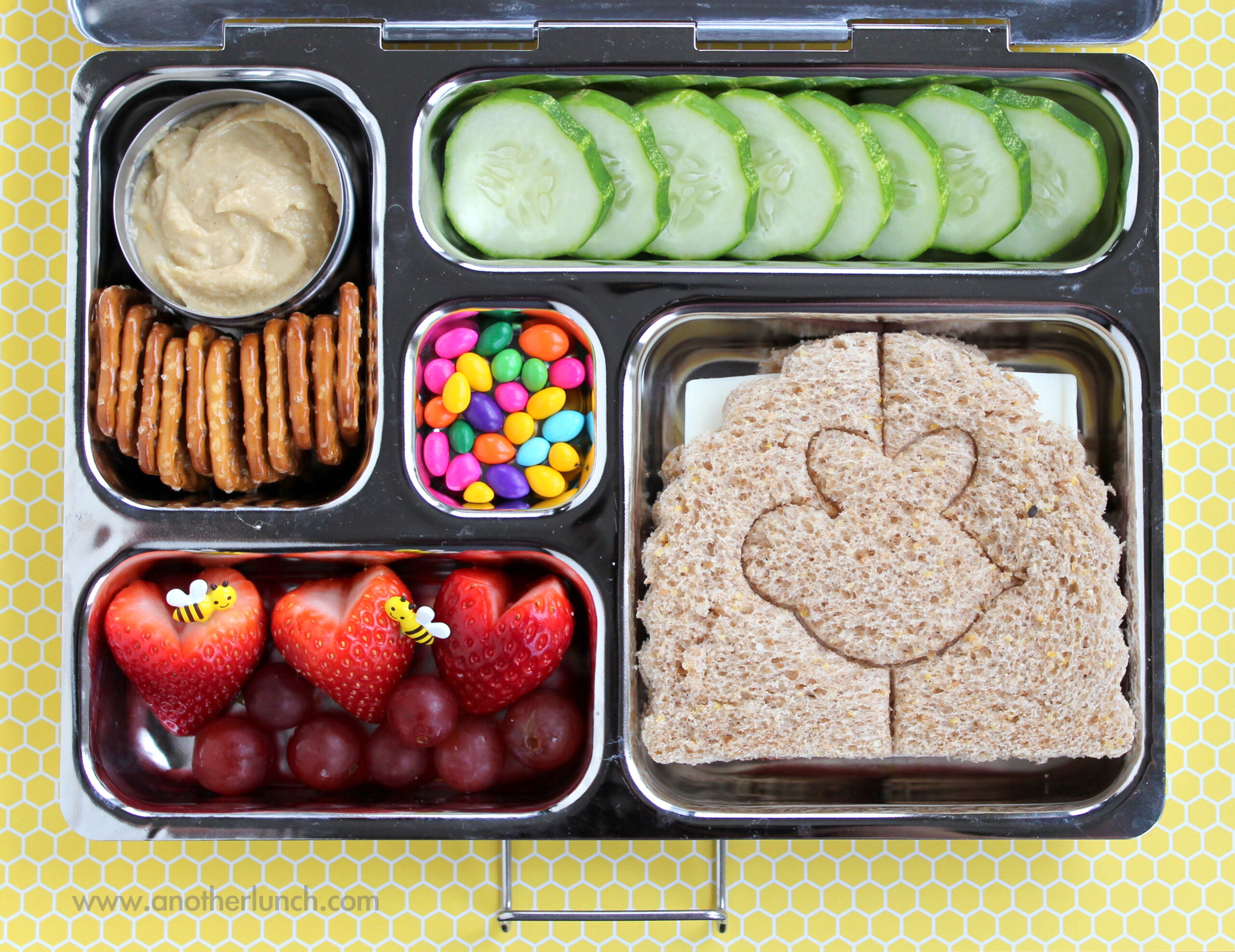
The most surprising takeaway is not that 2026 lunches are worse across the board. It is that the simple homemade 1980 lunch was often nutritionally superior to both the processed convenience version that followed and many expensive modern alternatives.
Homemade sandwiches, fruit, and a single cookie delivered a clearer balance and usually fewer highly processed extras. They were also generally cheaper than today's branded better for you snacks, which can raise costs without improving the overall meal very much.
That does not make every 1980 lunch ideal, and it does not make every 2026 lunch overhyped. It simply shows that basic homemade food, even in a Star Wars lunchbox with white bread and a thermos, was healthier than it gets credit for.




Leave a Reply