
Macaroni and cheese has long held a special place on Canadian tables, but the dish Canadians ate in 1975 was not quite the same as the one many make now. The biggest shift is not just convenience, it is the cheese itself, from fuller cheddar flavour in older versions to smoother, more processed sauces today.
Kraft Dinner became a Canadian staple
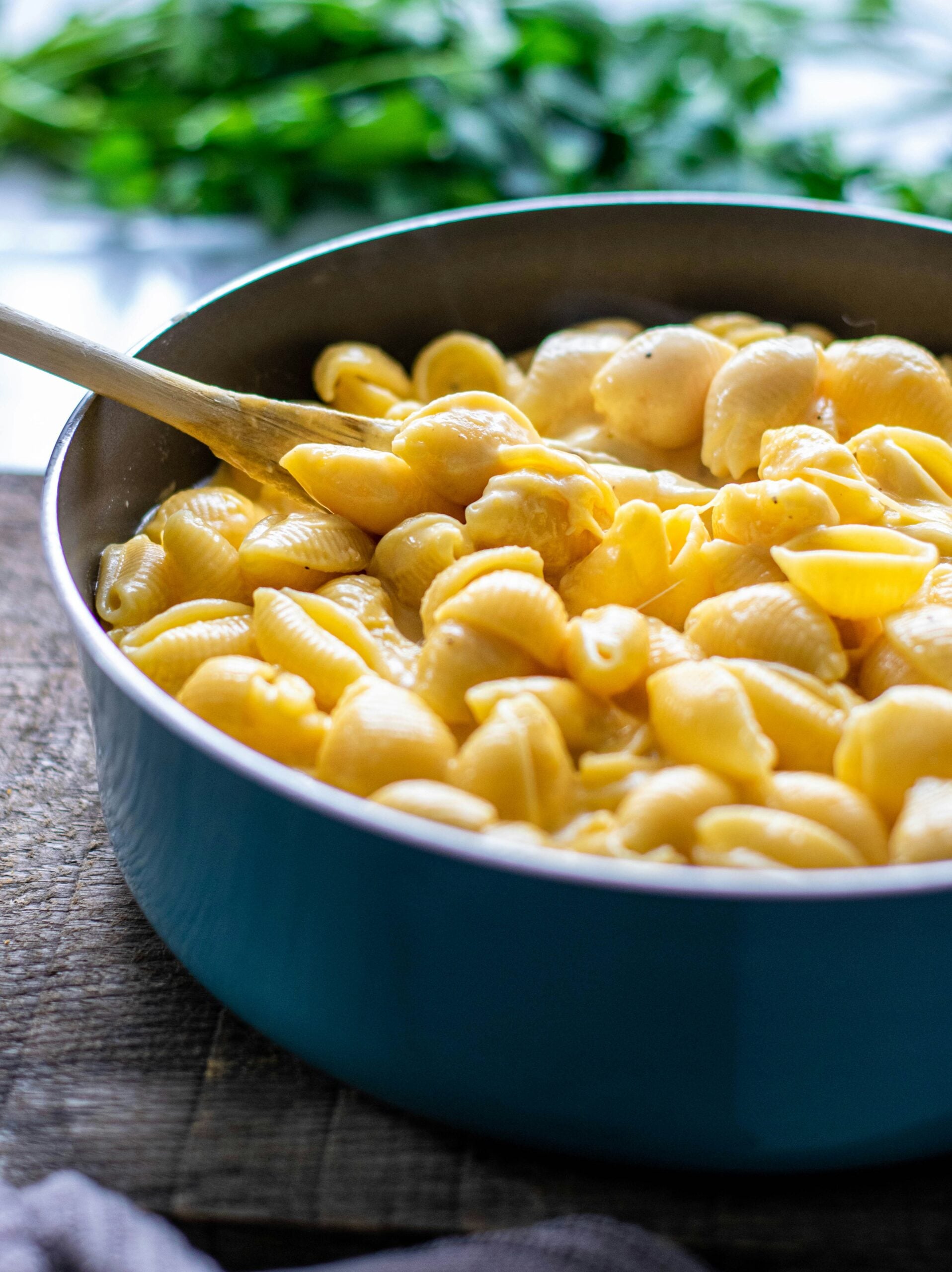
One reason macaroni and cheese matters so much in Canada is Kraft Dinner's early rise. It was introduced in 1937 with the promise that it could feed a family of four for 19 cents, a message that landed during an era when thrift mattered. The box offered a filling meal built around pasta and a packet of cheese mix, and it quickly became a pantry regular.
By 1971, Kraft controlled 50% of cheese production in Canada, which helps explain how deeply its products shaped home cooking. A box of Kraft Dinner was not just a quick supper, it was part of a broader food system built on processed dairy and national distribution. In practical terms, that made macaroni and cheese one of the most familiar weeknight meals in the country.
The 1975 homemade version used a real sauce
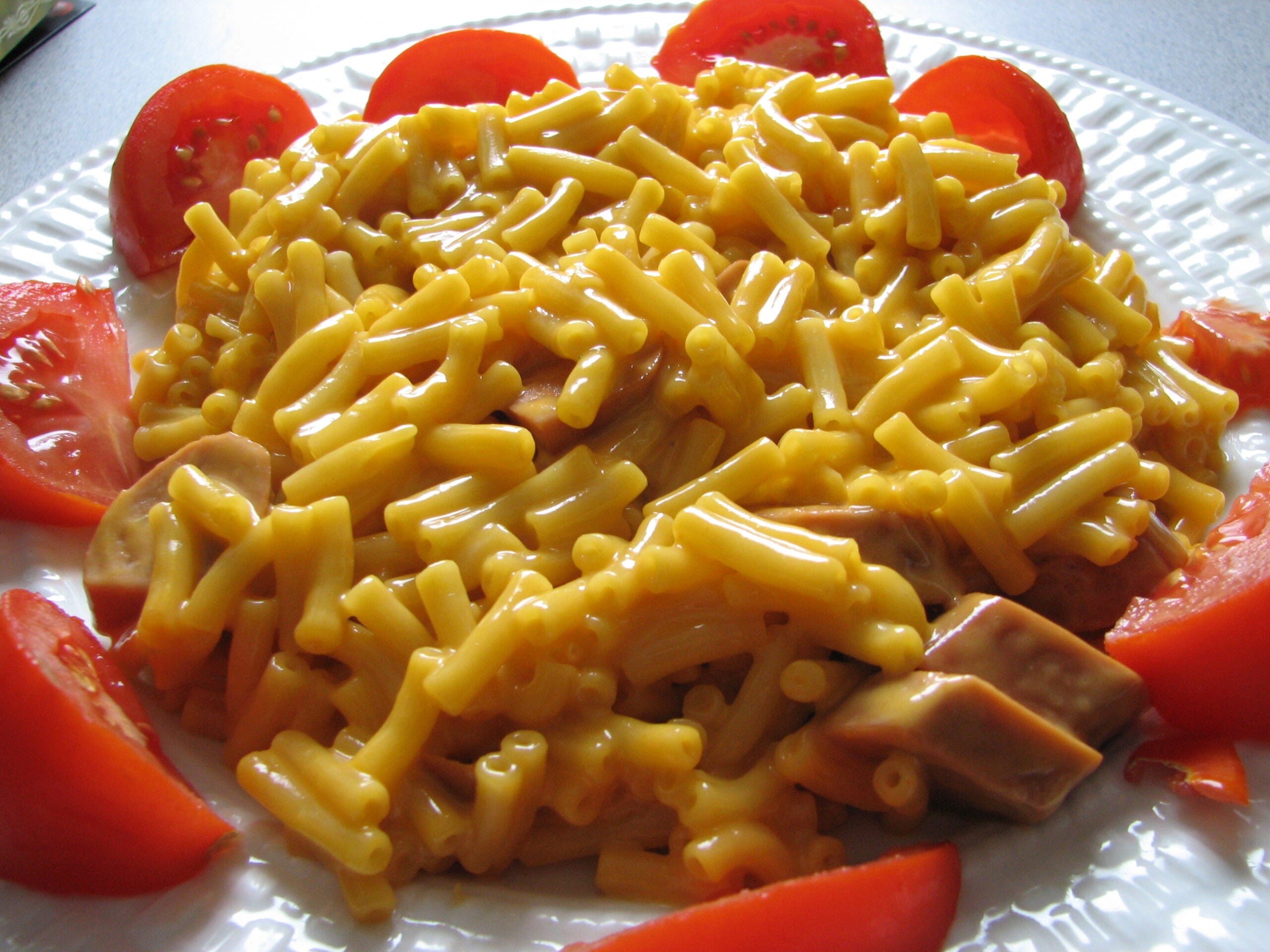
In many Canadian kitchens in 1975, the more serious macaroni and cheese was still made from scratch. The usual method started with a béchamel, a white sauce made by cooking butter and flour together, then whisking in milk until it thickened. Once that base turned silky, grated cheddar was stirred in to make a proper cheese sauce.
That approach produced a dish with a different texture from boxed macaroni. Instead of a thin coating, the pasta sat in a richer sauce with clear dairy flavour and a deeper cheddar finish. In Canada, where cheddar was central to home cooking, this version reflected actual cheese rather than a powder built mainly for shelf life.
Canadian Kraft Dinner was not the same as the U.S. version
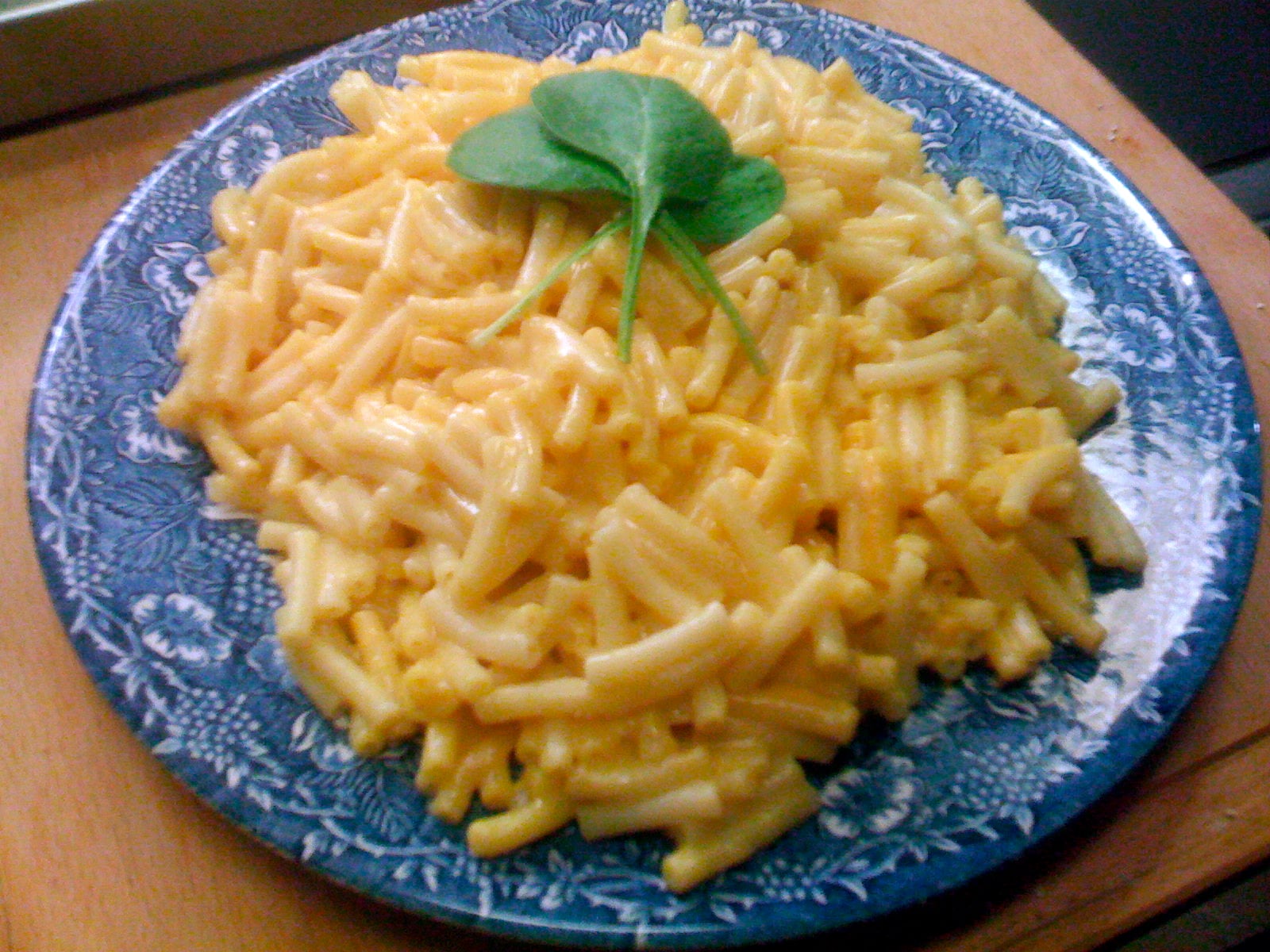
A detail that often surprises people is that the Canadian version of Kraft Dinner included real cheddar cheese and butter, ingredients absent from the American version. That difference matters because it helps explain why many Canadians remember a stronger cheese taste than shoppers in the United States did. Even within a boxed format, the Canadian product had a closer link to dairy ingredients.
At the same time, earlier versions appear to have contained more real cheese than current ones. That means nostalgia is not only about childhood memory or branding. Part of it likely comes from the fact that the product itself was once closer to what people thought cheese sauce should taste like.
Today's sauce is smoother but less cheese forward
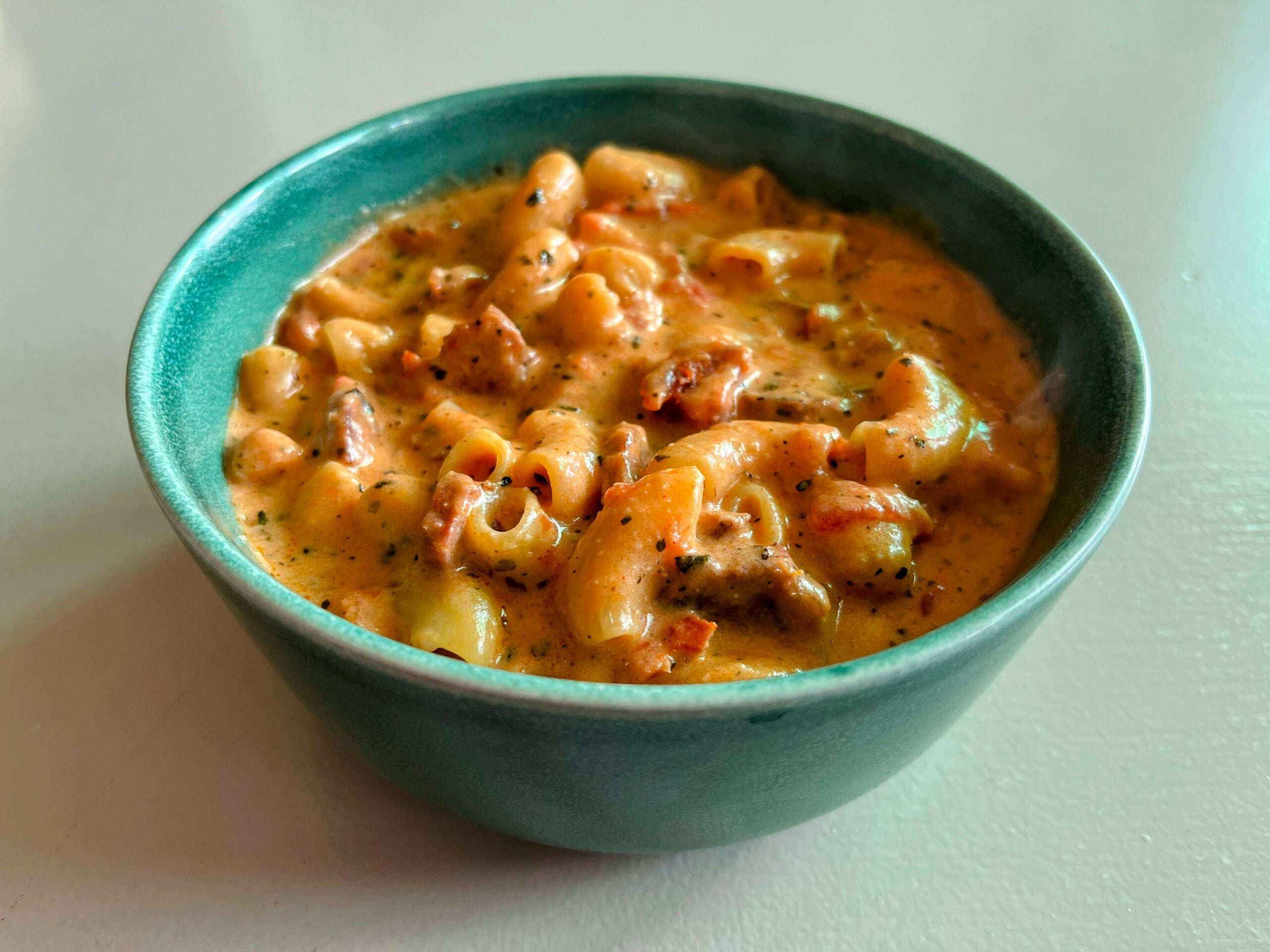
Modern boxed macaroni and cheese is engineered for speed, consistency and a texture people can count on every time. The tradeoff is that today's Kraft Dinner sauce is most likely more whey than cheese, with Kraft products incorporating unripened and low-grade cheese. Those ingredients help create a uniform sauce, but they do not deliver the same depth as a pan full of melted cheddar.
That shift changes both flavour and identity. Older macaroni and cheese tasted more like a cheese dish built around pasta. Many current versions taste more like a seasoned convenience food, creamy and familiar, but less tied to the sharp, unmistakable character of Canadian cheddar.
Baked macaroni was a full meal in 1975
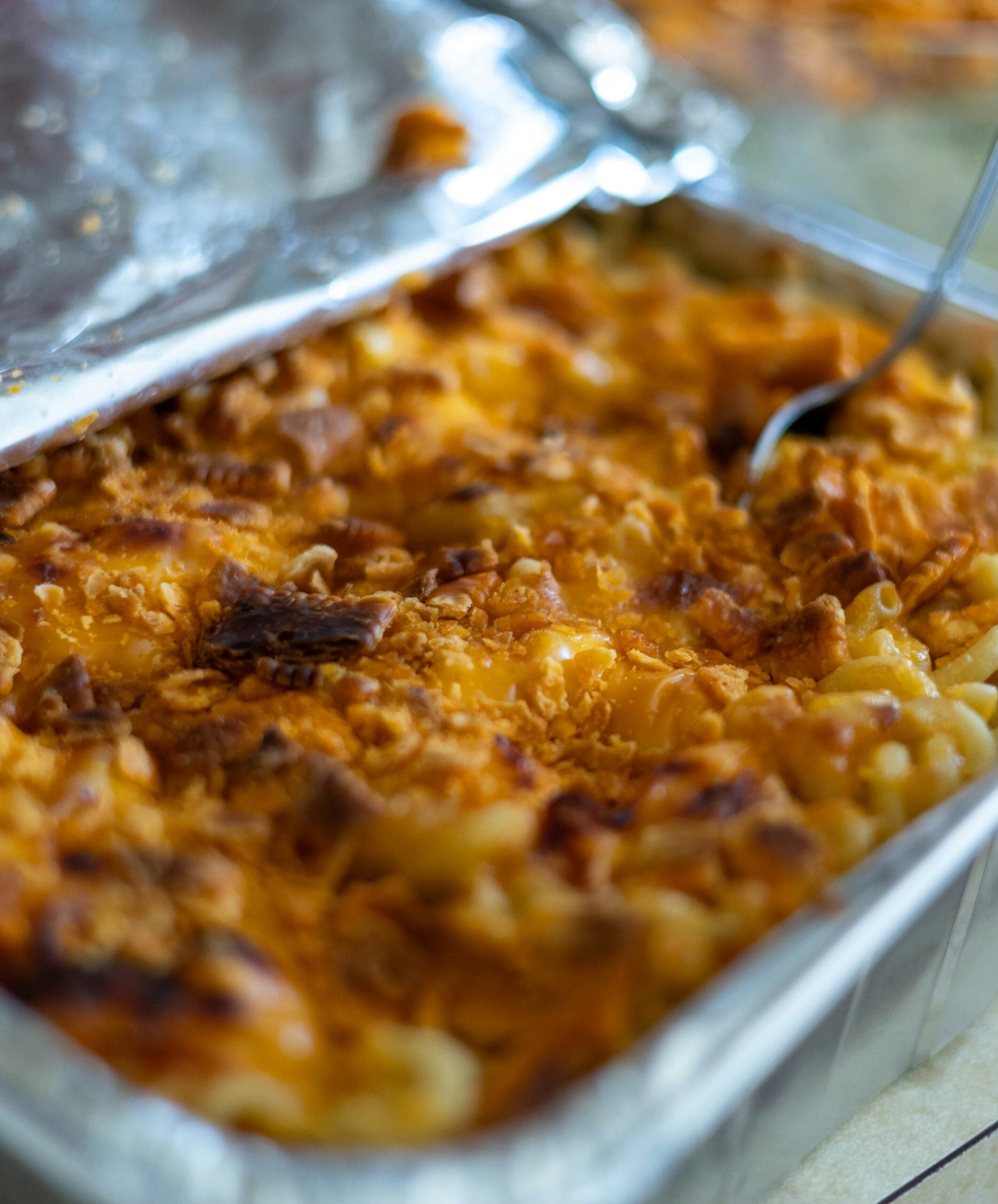
The homemade Canadian version from 1975 was often more than stovetop pasta with sauce. Once the macaroni and béchamel were combined, the dish could be spooned into a baking dish, topped with more cheddar or crumbs, and baked until browned. That extra step created contrast, crisp edges on top and a soft, creamy middle underneath.
It also turned macaroni and cheese into a centrepiece rather than a side thought. A baked pan carried a sense of occasion, even on an ordinary night, because it took planning, dairy, and a real oven finish. Compared with that, today's most common versions are faster, but they rarely have the same structure or depth.
The real difference is ingredient quality
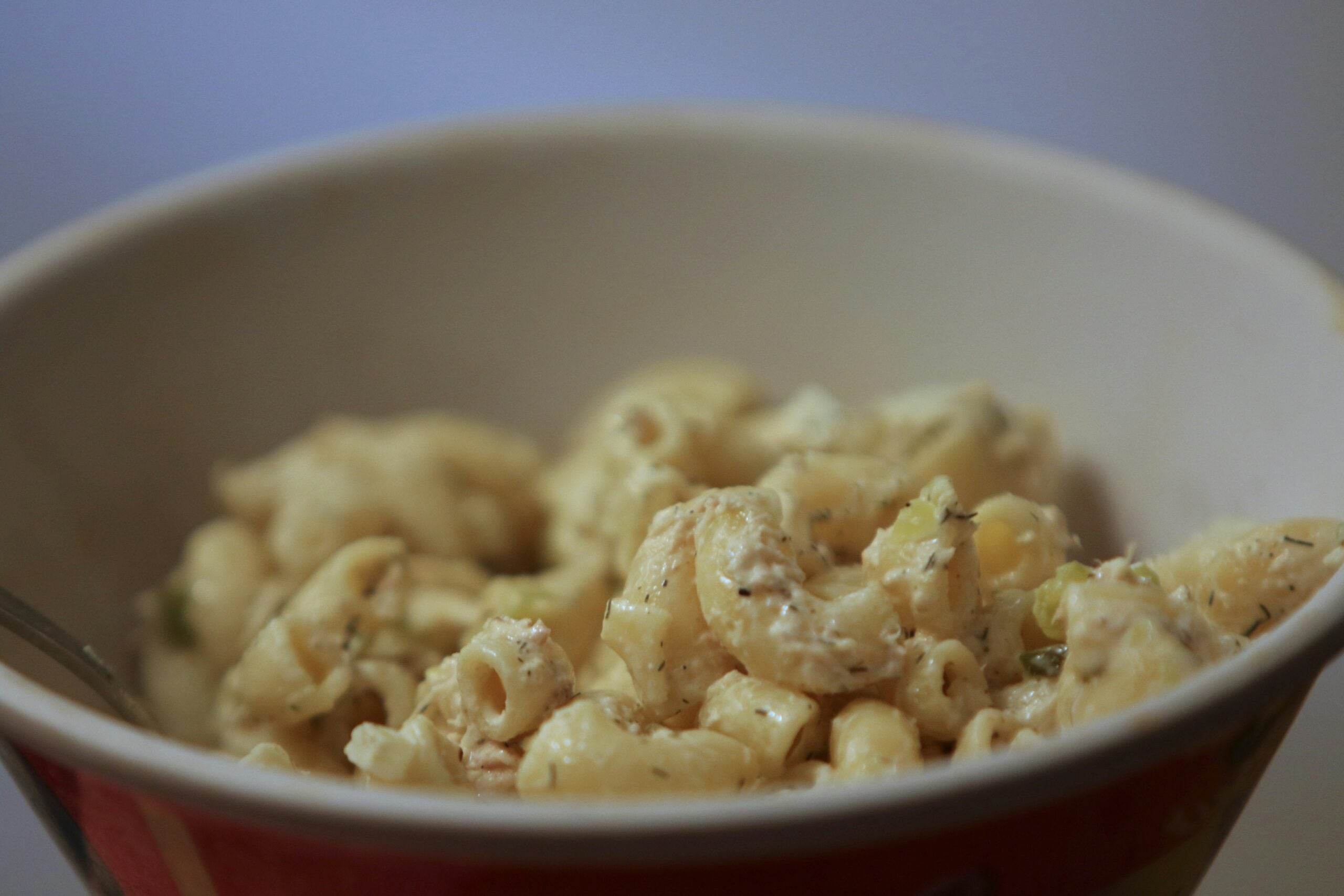
If there is one clear takeaway, it is that the 1975 homemade béchamel version with real Canadian cheddar was genuinely superior on ingredient quality alone. Butter, milk, flour and cheddar created a sauce people could see, smell and adjust in the pot. It was simple food, but it relied on recognizable ingredients doing the work.
Today's macaroni and cheese still wins on convenience, cost control and speed. Yet the older Canadian style points to what has been lost, a stronger cheddar presence, a thicker homemade sauce, and a dish that tasted unmistakably of real cheese. In that sense, the comparison is less about nostalgia than about composition.




Leave a Reply