
Step back a century and discover a dining experience unlike today's. From hearty comfort foods to surprisingly modest prices, a 1925 restaurant menu offers a fascinating glimpse into how Canadians once gathered around the table.
Menus Were Surprisingly Short and Straightforward
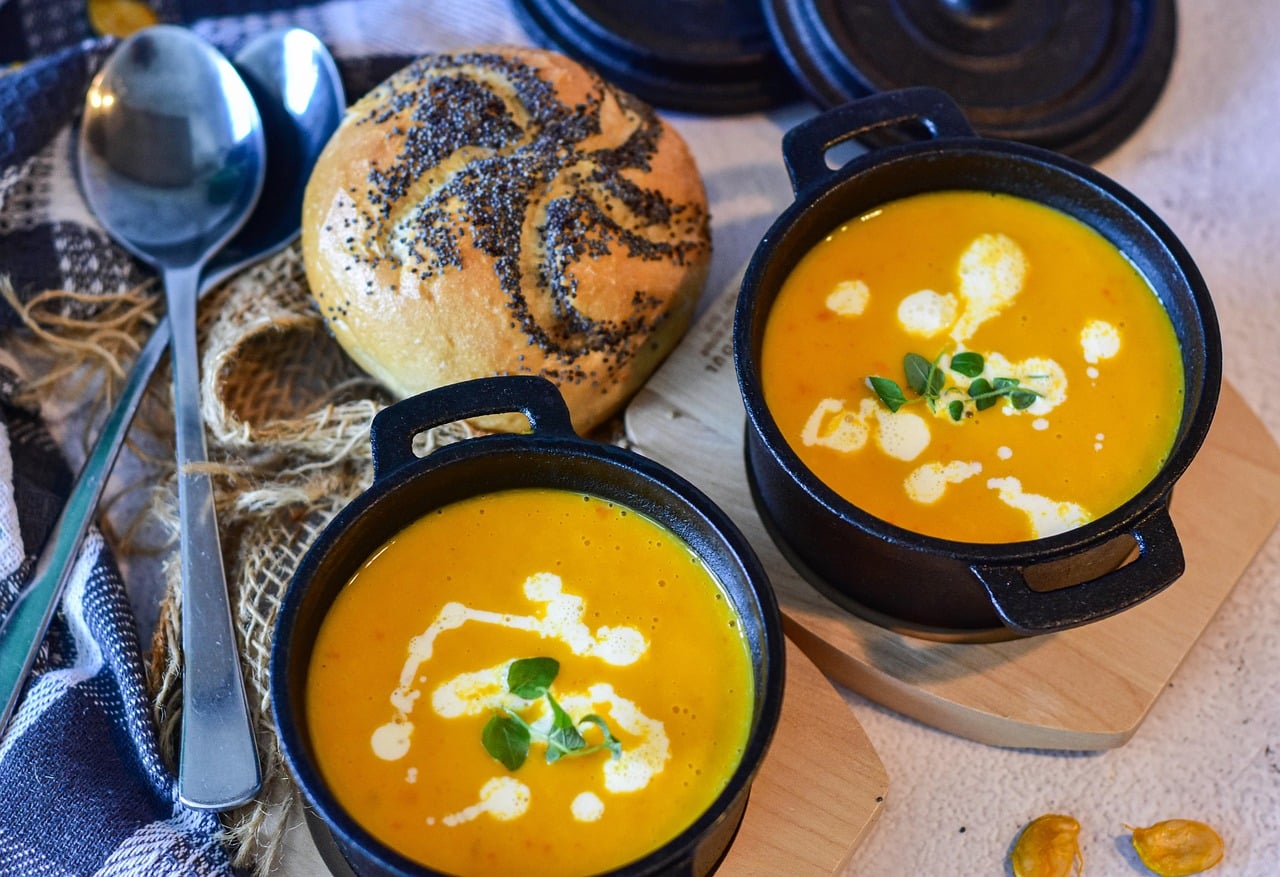
A restaurant menu in 1925 looked very different from what Canadians see today. Instead of pages filled with dozens of appetizers, specialty drinks, and customizable meals, most menus offered a relatively small selection of carefully prepared dishes. Restaurants focused on serving a limited number of dependable favourites rather than trying to satisfy every possible taste.
Meals were typically organized into simple sections such as soups, fish, meats, vegetables, desserts, and beverages. Rather than lengthy descriptions, menu items were often listed by name alone because diners were already familiar with many of the classic recipes.
This simpler approach also reflected how restaurants operated. Smaller menus allowed kitchens to prepare fresh food efficiently while reducing waste, making it easier to maintain consistent quality throughout the day.
Classic Comfort Foods Filled Most Plates
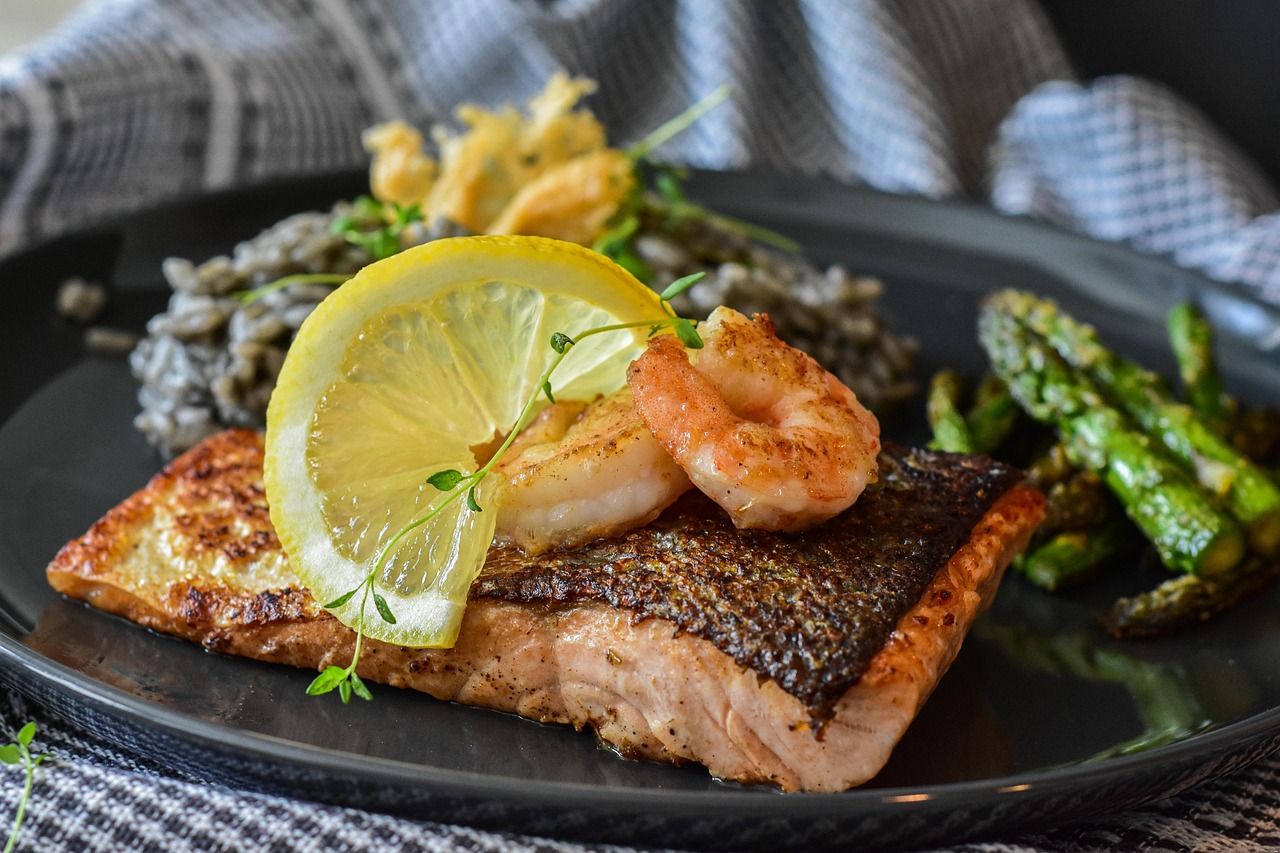
The dishes found on a 1925 menu emphasized hearty, filling meals. Roast beef, baked ham, pork chops, stews, grilled fish, chicken, and seasonal vegetables appeared regularly, often accompanied by potatoes, bread, or gravy. These meals reflected the ingredients that were widely available and familiar to Canadian diners.
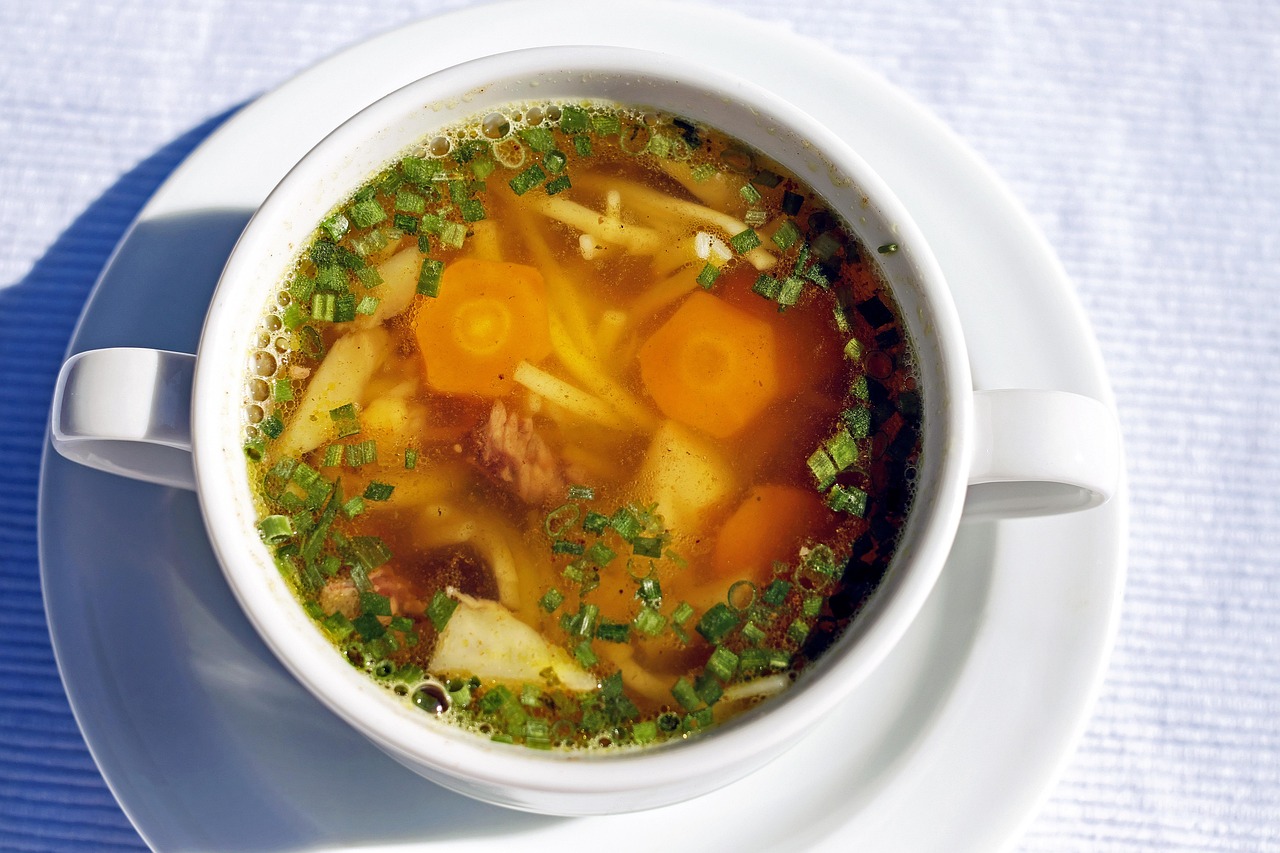
Soups played an important role as well. Chicken broth, consommé, vegetable soup, and cream-based soups commonly appeared as starters before the main course. Fresh bread and butter were standard companions to many meals.
Desserts tended to be traditional rather than elaborate. Fruit pies, puddings, cakes, ice cream, and seasonal fruit rounded out the menu, providing comforting finishes instead of the highly decorated desserts that are popular today.
Seasonal Ingredients Shaped the Menu
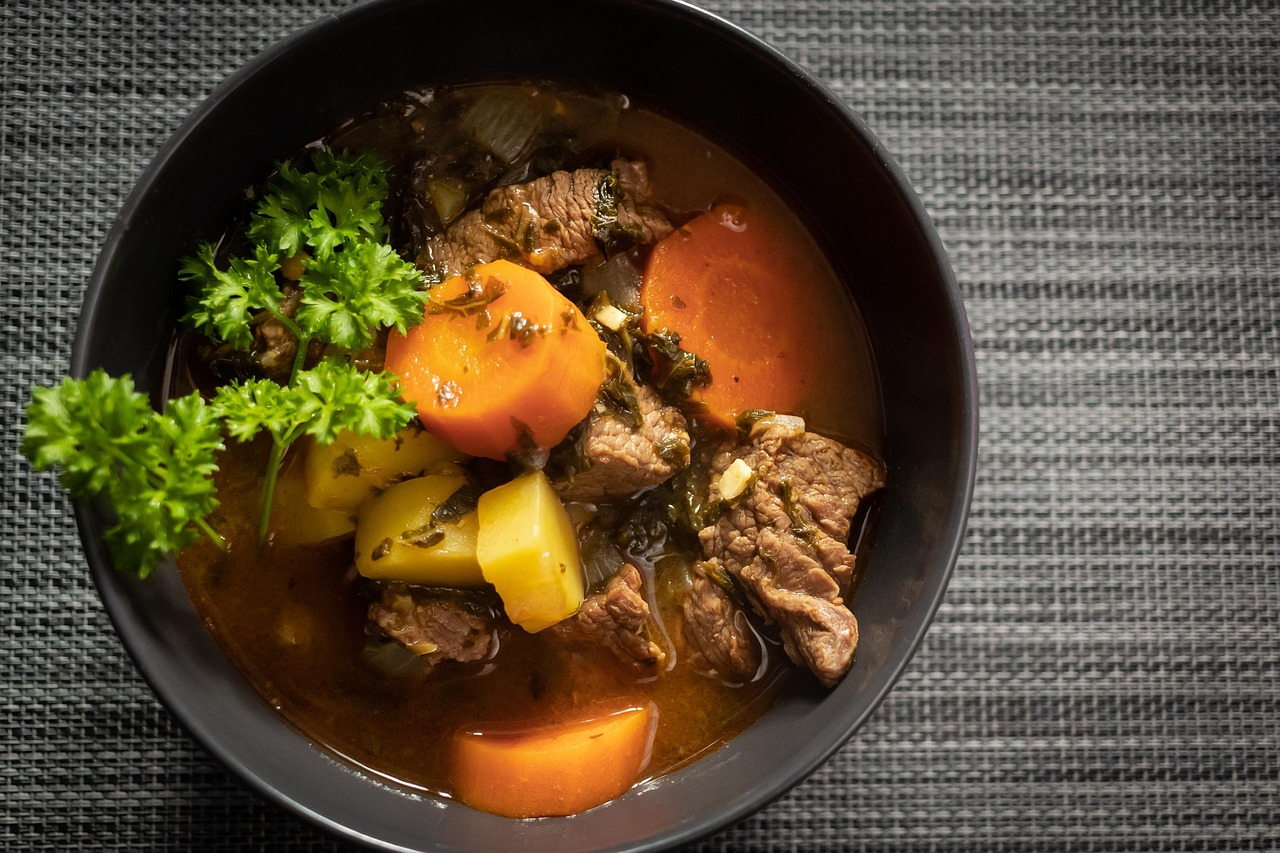
Restaurants in 1925 relied heavily on ingredients that were available locally or during a particular season. Without today's advanced refrigeration and year-round global imports, menus naturally changed throughout the year depending on harvests and regional food supplies.
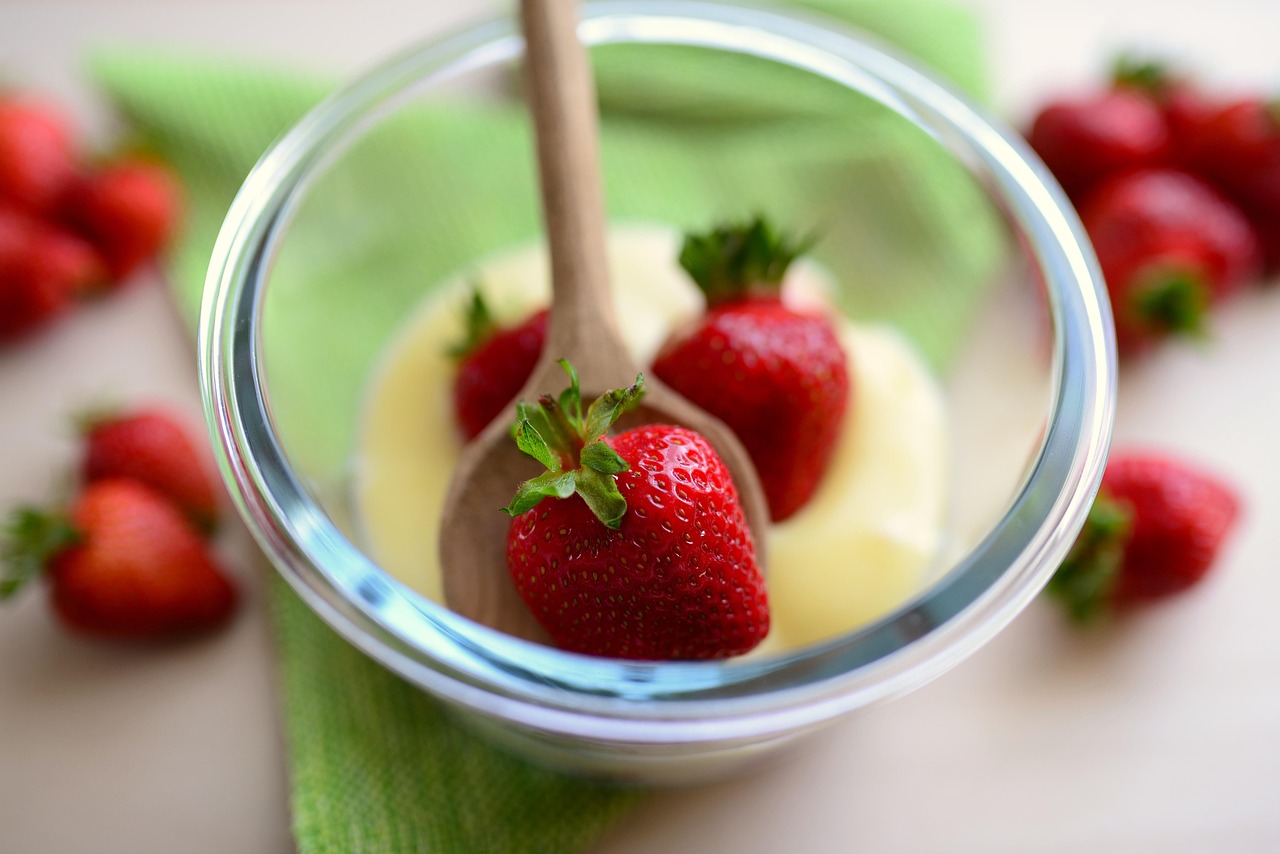
Fresh berries appeared during summer, root vegetables dominated colder months, and seafood was often more common in coastal communities. Chefs planned meals around what farmers, fisheries, and local suppliers could provide rather than importing ingredients from around the world.
This seasonal approach meant diners experienced menus that evolved with the calendar. Instead of expecting strawberries or asparagus year-round, customers looked forward to enjoying them only when nature provided them.
Prices Look Tiny by Today's Standards
One of the first things people notice on vintage menus is how inexpensive everything appears. A complete meal that cost only a few cents or around a dollar in 1925 can seem astonishing when compared with today's restaurant prices.
However, those prices should be viewed in historical context. Average wages were much lower than they are today, and a dollar had far greater purchasing power than it does now. What appears cheap by modern standards represented a more meaningful expense for many families at the time.
Looking at old menus offers an interesting reminder of how both food prices and the overall cost of living have changed over the past century, reflecting inflation and major shifts in Canada's economy.
Dining Was Often More Formal
Eating at a restaurant in 1925 was usually a more formal experience than it is today. Many establishments expected guests to dress neatly, table service was standard, and meals were often enjoyed at a slower pace rather than being eaten quickly.
Printed menus frequently featured elegant typography and French culinary terms, especially in hotels and upscale restaurants. Multi-course meals were more common in fine dining, with soups, fish, meat, vegetables, and desserts served in sequence.
The atmosphere reflected the customs of the era. Dining out was considered an occasion, encouraging conversation and leisurely meals instead of the fast-paced service many people expect today.
Vintage Menus Offer a Window Into Canadian History
A 1925 menu reveals much more than what people liked to eat. It provides insight into Canada's agriculture, transportation, economy, and everyday life during the early twentieth century. The dishes available reflected local farming, fishing, and seasonal production rather than global food trends.
Many traditional recipes found on those menus continue to influence Canadian cooking today. Roast dinners, meat pies, soups, puddings, and fruit desserts remain familiar comfort foods, even if modern versions have evolved over time.
That is why vintage menus continue to fascinate historians, collectors, and food lovers alike. They preserve a snapshot of how Canadians dined a century ago while reminding us that good food has always been rooted in simple ingredients, thoughtful preparation, and shared meals.


Leave a Reply