
Magnesium is one of those nutrients many people do not think about until they are not getting enough. A surprising fruit can help close that gap in a simple, flavorful way.
Why passion fruit stands out for magnesium
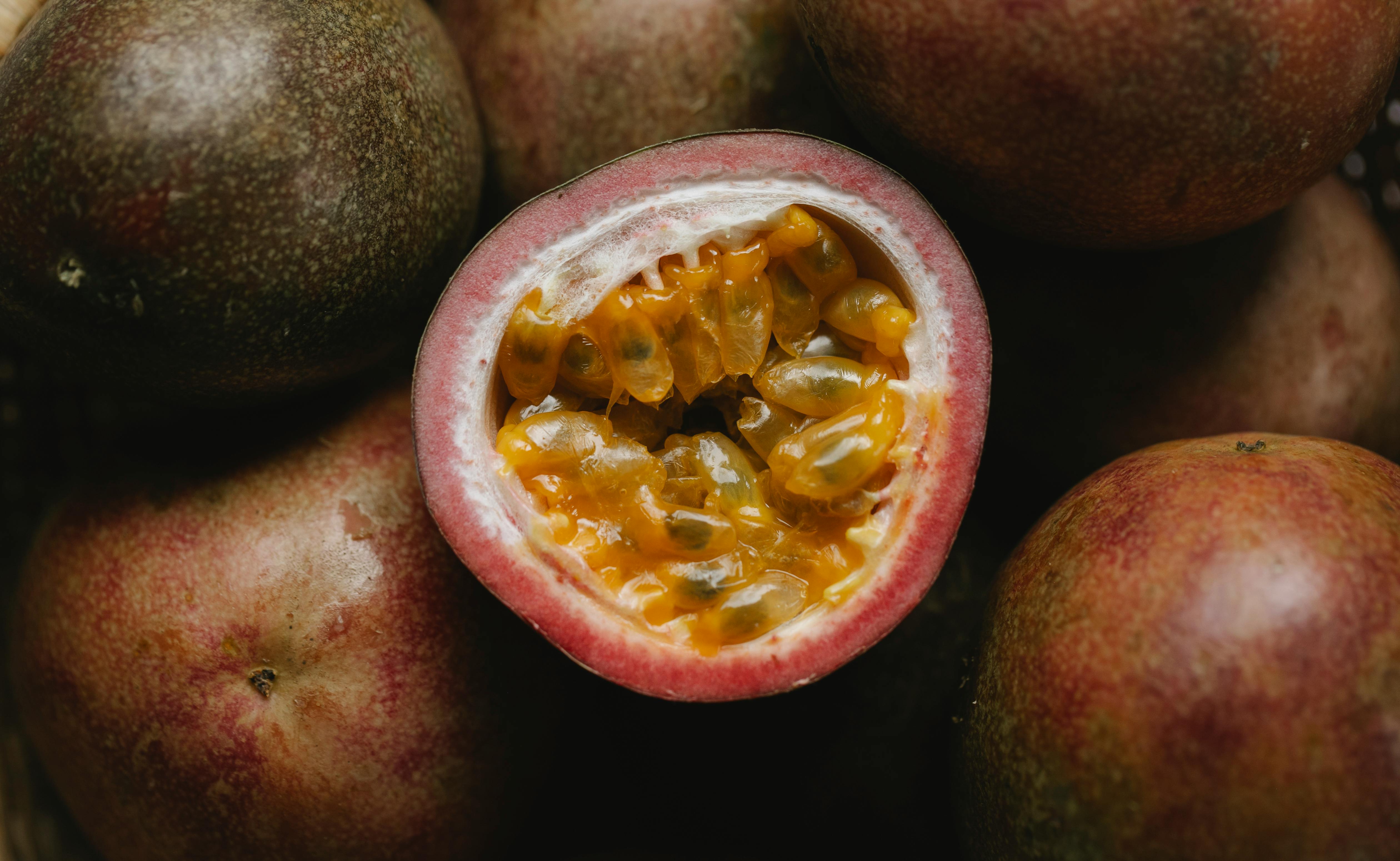
Passion fruit is small, but its nutrition profile is impressive. A 1-cup serving of the purple variety provides a meaningful amount of magnesium, along with fiber, vitamin C, and plant compounds that support overall health.
Magnesium matters because it helps regulate muscle function, nerve signaling, blood sugar balance, and blood pressure. It is also involved in hundreds of enzyme reactions in the body, which is why too little can affect energy, sleep, and recovery.
While seeds, nuts, beans, and leafy greens are often the headline magnesium foods, fruit usually gets less attention. Passion fruit is notable because it offers magnesium in a category where levels are often modest, making it a useful addition rather than a miracle fix.
Why more people may need magnesium than they realize
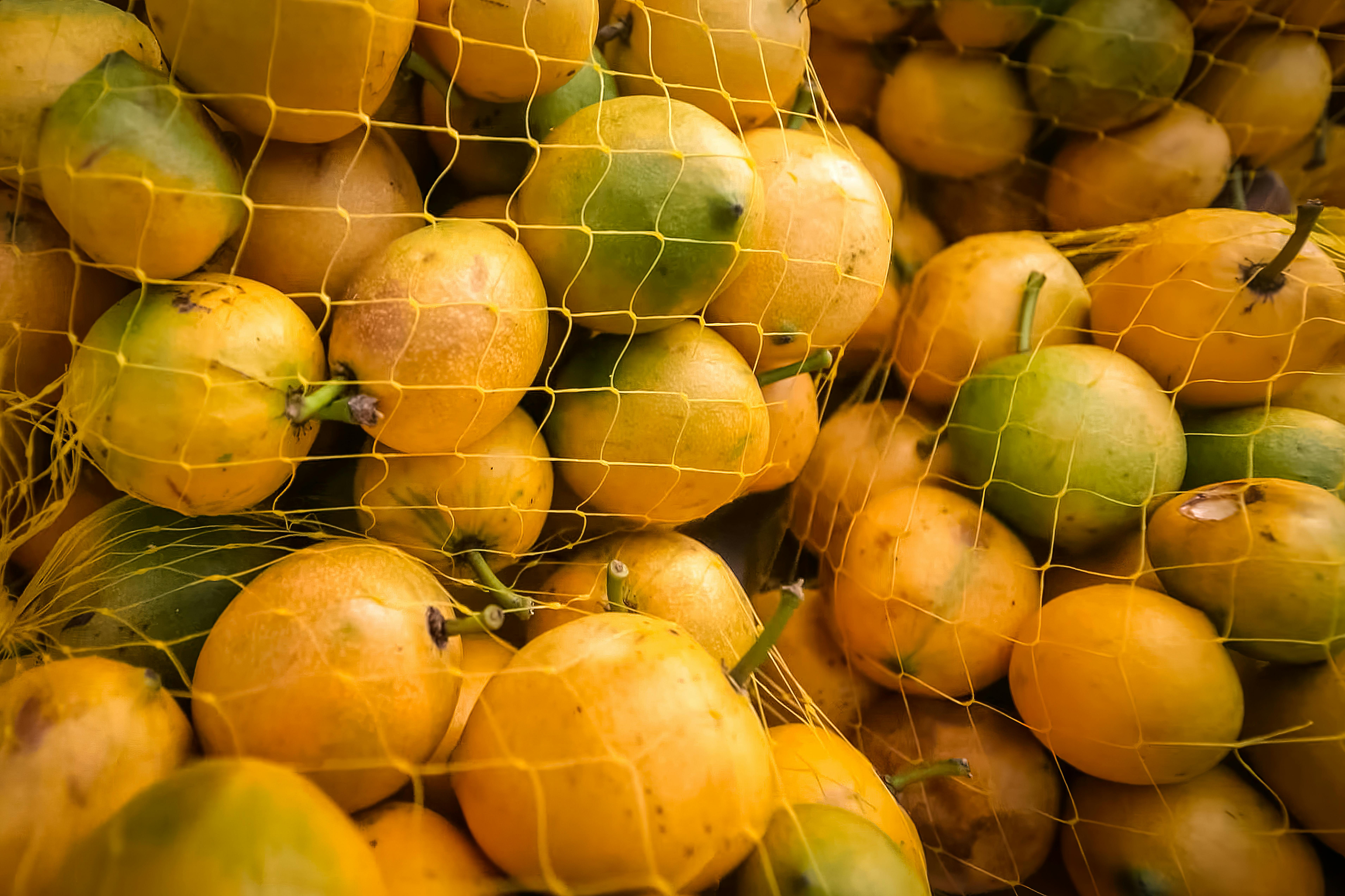
Low magnesium intake is more common than many people assume. Dietary surveys have shown that a significant share of adults fall short of recommended intake, especially older adults, teenagers, and people whose diets rely heavily on ultra-processed foods.
The signs of low intake are not always dramatic at first. Some people may notice muscle cramps, fatigue, headaches, poor sleep, or general weakness, though symptoms can also overlap with many other health issues.
Certain groups may have higher needs or greater losses. People with gastrointestinal disorders, type 2 diabetes, alcohol use disorder, or those taking some medications, including certain diuretics and acid-reducing drugs, may be more vulnerable to low magnesium status.
What else passion fruit brings to the table

This fruit does more than contribute magnesium. It is rich in fiber, particularly from its edible seeds, which can help support digestive health, fullness, and better blood sugar control after meals.
Passion fruit also contains vitamin C, a nutrient tied to immune support and collagen production. In addition, its bright pulp contains carotenoids and polyphenols, compounds studied for their antioxidant and anti-inflammatory potential.
That combination makes passion fruit nutritionally efficient. Instead of chasing a single nutrient, you get a package that supports several areas of health at once, which is usually the smartest way to build a balanced eating pattern.
The best ways to eat it and pair it well
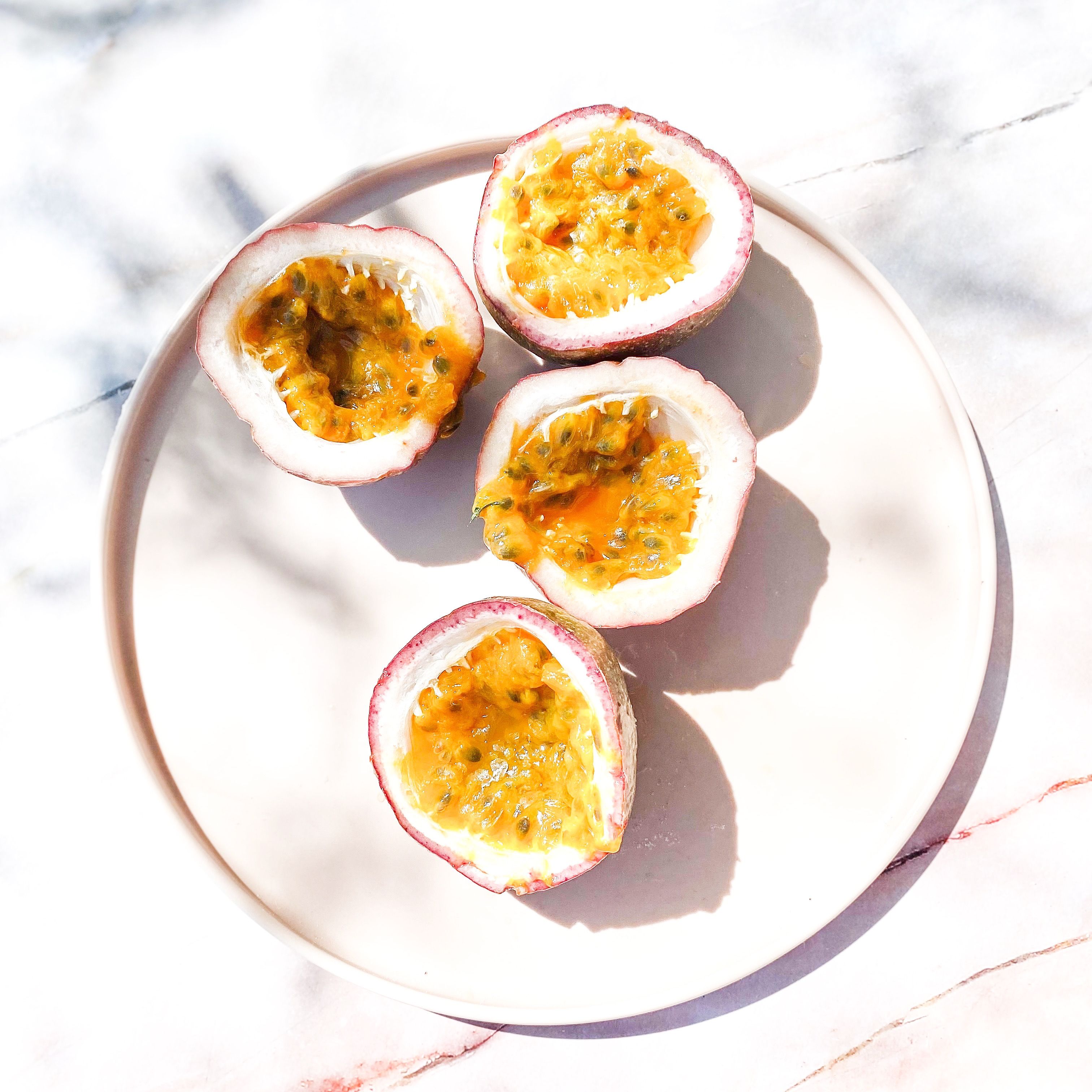
Passion fruit has a tart-sweet flavor and a spoonable center filled with juice and crunchy seeds. The easiest way to eat it is to cut it in half and scoop out the pulp, seeds included.
It also works well stirred into plain yogurt, spooned over oatmeal, or blended into smoothies with banana, mango, or orange. Pairing it with foods that also contain magnesium, such as pumpkin seeds, chia seeds, or almonds, can raise the total magnesium content of a meal.
For a more savory use, the pulp can brighten salad dressings, sauces, or grain bowls. Its acidity and fragrance make it especially useful when you want bold flavor without relying on excess salt or heavy sweeteners.
How it compares with other magnesium-rich foods

It is important to keep expectations realistic. Passion fruit can help increase magnesium intake, but it is not likely to provide as much as top-tier sources like pumpkin seeds, almonds, spinach, black beans, or whole grains.
That said, comparison is not the whole story. Many people struggle to eat enough legumes or leafy greens consistently, while fruit can feel easier and more appealing, especially at breakfast or as a snack.
In that sense, passion fruit can play a valuable supporting role. Think of it as one smart piece of a broader magnesium strategy built around variety, consistency, and meals that are enjoyable enough to repeat.
A practical way to add more magnesium without overthinking it

Nutrition advice works best when it feels realistic. If you enjoy tropical flavors, adding passion fruit a few times a week is a manageable step that can improve both nutrient intake and meal variety.
Fresh passion fruit is ideal, but frozen pulp without a lot of added sugar can also be useful when the fresh fruit is expensive or hard to find. Reading labels matters, since sweetened products can turn a healthy addition into more of a dessert topping.
If you have kidney disease or another condition that affects mineral balance, it is wise to ask a clinician before making major diet changes or using supplements. For most people, though, passion fruit is a flavorful, practical fruit that may be worth a place on the plate.




Leave a Reply