
A pinch of it seems ordinary now. In early Canada, that same spice could signal wealth, power, and access to global trade.
Why Nutmeg Became So Valuable
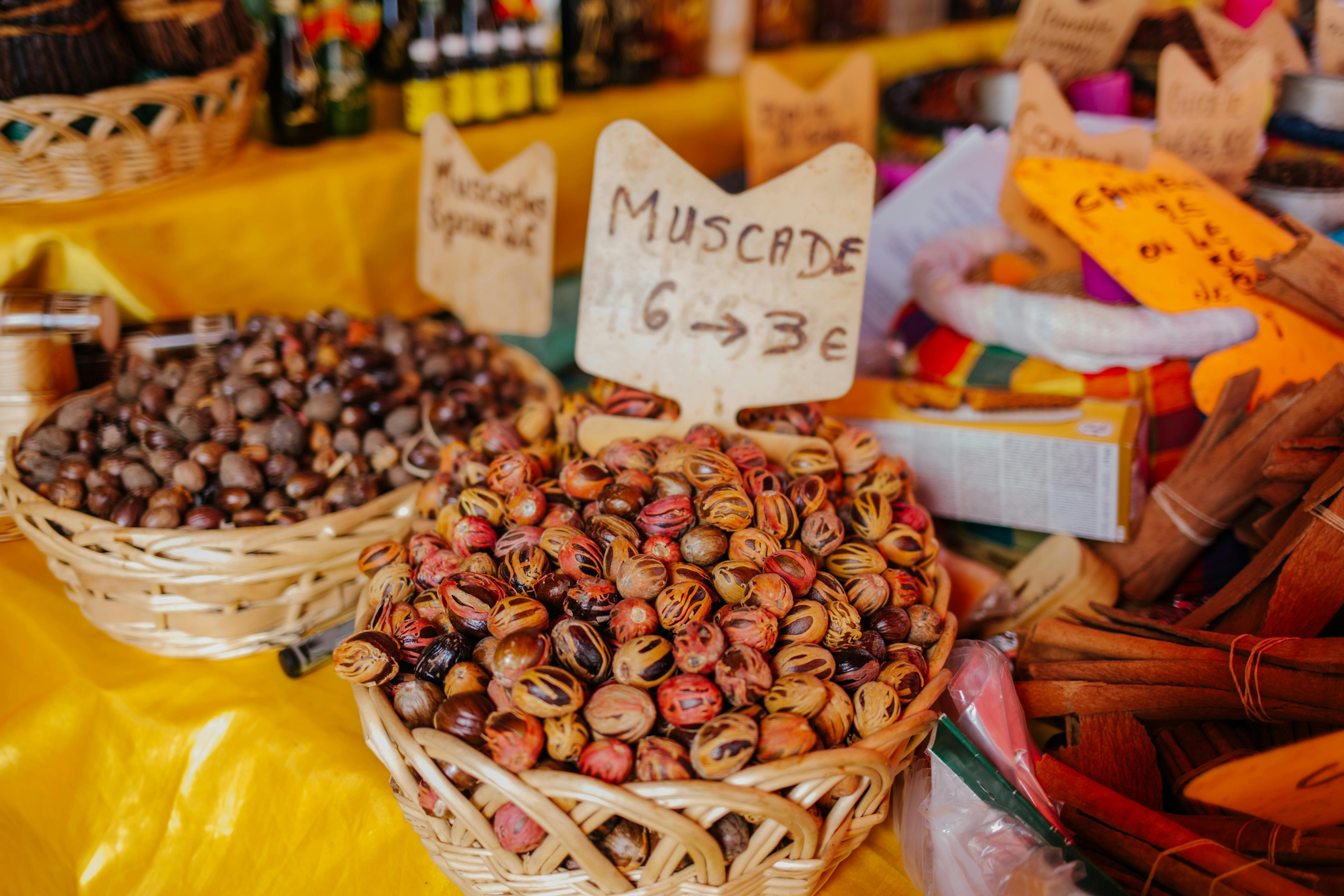
Nutmeg's value began with geography. For centuries, the spice grew naturally only in the Banda Islands of present-day Indonesia, making supply painfully limited and easy for colonial powers to control.
European merchants treated that scarcity as an opportunity. By the 17th century, Dutch traders had built a near-monopoly over nutmeg, tightly restricting cultivation and distribution. When a product comes from one remote place and passes through layers of imperial middlemen, its price can soar far beyond its weight.
In British North America, including what became Canada, imported luxuries carried even higher costs. Nutmeg had to cross oceans, survive wartime disruptions, and move through rough colonial transport networks. By the time it reached merchants in Quebec, Halifax, or Montreal, it was often priced like a prestige good rather than an everyday ingredient.
The Spice Trade Reached Canada Through Empire
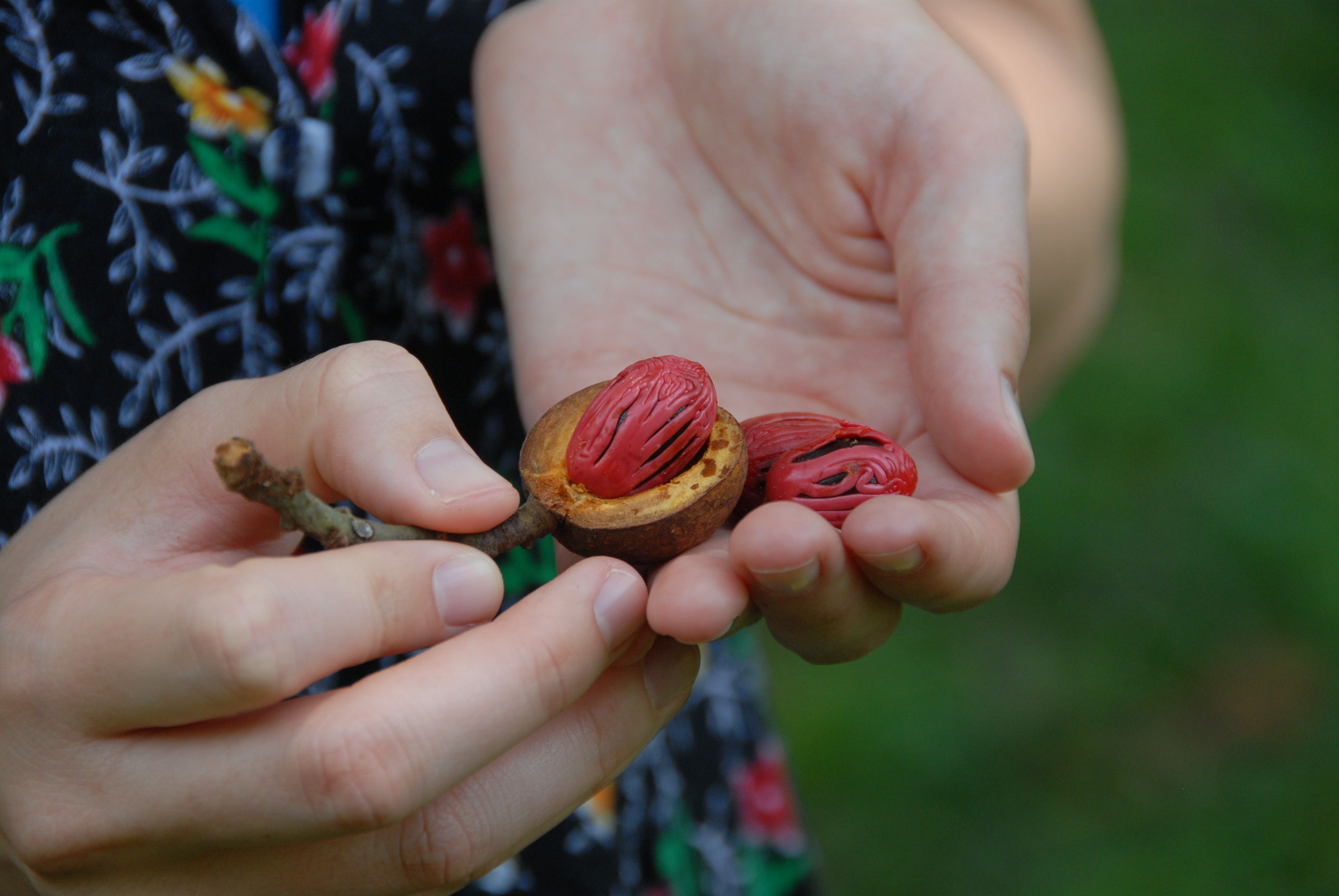
Canada did not produce nutmeg, but it sat inside the commercial system that moved it. French and later British colonial markets relied on Atlantic shipping routes that connected Europe, the Caribbean, and North American settlements with Asian goods.
That long chain made spices expensive in ways modern shoppers rarely consider. Cargo insurance, naval conflict, spoilage, tariffs, and merchant markups all inflated cost. A small amount of nutmeg could represent months of logistical effort and considerable financial risk.
Historians of colonial consumption often note that imported spices served as status markers in frontier societies. In a place where winters were long and local food options were limited, owning rare flavorings showed both refinement and purchasing power. Nutmeg's price was not only about taste. It was also about social meaning.
More Than Flavor: Medicine, Preservation, and Prestige

Nutmeg was prized for more than cooking. In early modern Europe and its colonies, people believed spices could warm the body, aid digestion, and help protect against illness. Those beliefs gave nutmeg added value in homes, apothecary shops, and elite households.
It also had practical culinary uses. Before refrigeration, cooks relied on salting, smoking, pickling, and strong seasonings to manage flavor and preserve food. Nutmeg appeared in puddings, meat dishes, punches, and baked goods, especially in households shaped by British food traditions.
Prestige mattered just as much as utility. Serving spiced dishes to guests suggested worldliness and means. Owning a nutmeg grater, often carried in pocket form by wealthier diners in Britain and North America, was itself a small statement of class.
Was It Truly Worth More Than Gold?

The phrase sounds exaggerated, but it reflects a real economic truth about relative value. At certain moments in the early modern spice trade, pound for pound, nutmeg and other rare spices could fetch astonishing prices in European markets, especially when scarcity peaked.
In colonial Canada, comparisons to gold were less about literal daily exchange and more about rarity, access, and markups. Gold had recognized monetary value, but nutmeg could become extraordinarily costly at the point of retail because it was a controlled imported luxury.
The bigger point is that value depends on context. A commodity that is common today can become immensely expensive when supply is restricted and demand is culturally amplified. Nutmeg's old price tells us as much about empire and consumer desire as it does about the spice itself.
How Nutmeg Lost Its Extraordinary Price
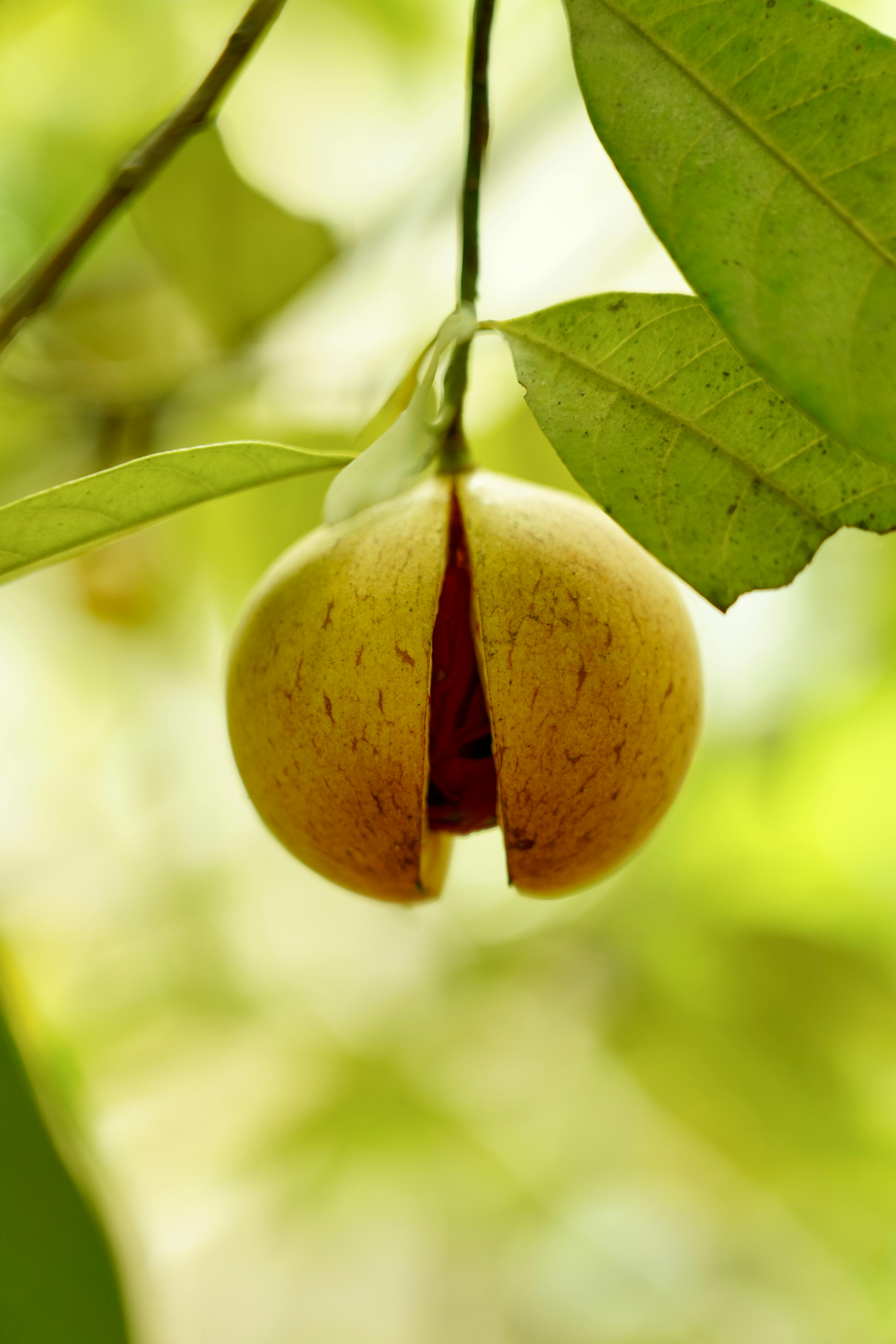
Nutmeg stopped being a near-mythic luxury once its monopoly cracked. The British eventually transplanted nutmeg trees to other colonies, weakening Dutch control and increasing global supply. As cultivation spread, prices gradually fell.
The 19th century brought larger shipping networks and more integrated trade. As global commerce expanded, formerly rare goods became available to broader populations. What had once been a tightly guarded spice moved closer to an ordinary pantry item.
Industrial food distribution finished the transformation. By the time modern grocery retail developed, nutmeg no longer belonged only to elites. It had become affordable enough to enter everyday baking, holiday drinks, and savory recipes across Canada.
What This Reveals About Canada's Food History

One spice can illuminate an entire economic world. Nutmeg's journey into Canadian kitchens shows how colonial diets were shaped not just by local farms and fisheries, but by global empires, forced trade systems, and elite consumer habits.
It also reveals how luxury becomes normal over time. Items once reserved for the wealthy often lose their aura when production expands and transport improves. Coffee, tea, sugar, and pepper followed similar paths, though each had its own political history.
Today, grating nutmeg over eggnog or custard feels simple and familiar. Yet that everyday act carries a long history of monopoly, distance, ambition, and status. In that sense, nutmeg is more than a spice. It is a record of how Canada was connected to the wider world.




Leave a Reply