
It is hard to imagine now, but salt was once treated with the kind of care we reserve for cash, jewels, or medicine. For much of history, this ordinary seasoning was so valuable that households and governments literally locked it away.
Why Salt Mattered So Much

Salt was never just about flavor. Long before refrigeration, it was one of the most reliable ways to preserve meat, fish, butter, and vegetables, making it essential for survival through winters, sea voyages, military campaigns, and years of poor harvest. A society with salt could store food longer, travel farther, and feed more people consistently.
Its importance stretched into human health as well. The body needs sodium to regulate fluids, support nerve function, and keep muscles working, even though people in the past did not describe it in modern scientific terms. They understood something simpler and more urgent: animals sought salt, people craved it, and communities without steady access to it were at a serious disadvantage.
That practical necessity is what gave salt unusual economic power. Unlike luxury items valued mainly for status, salt served rich and poor alike. When a product is both widely needed and difficult to obtain in some regions, it naturally becomes precious.
Why People Literally Locked It Up

The idea of locking up salt sounds dramatic, but in many periods it made perfect sense. Salt could be expensive, easy to steal, and vital enough that even small losses mattered to a household, monastery, estate, or ship. In places where it was taxed heavily or transported over long distances, every sack carried real financial weight.
Wealthy homes often stored valuable foodstuffs and imported goods in secure rooms, and salt regularly belonged in that category. In medieval and early modern Europe, storerooms and locked cupboards protected goods that were costly to replace. Salt was compact, tradable, and always useful, which made it an appealing target for theft.
Governments also guarded it carefully. State monopolies over salt appeared in several regions because rulers knew controlling salt meant controlling revenue and, indirectly, the food supply. When a commodity touches every table, regulating it becomes a source of enormous political power.
The Trade Routes Built Around Salt

Salt did not become precious in isolation. Entire trade systems grew around moving it from mines, salt pans, and coastal evaporation sites to inland populations that needed it. In the Sahara, caravans carried slabs of salt across punishing desert routes, exchanging them for gold and other goods in a trade that shaped West African economies for centuries.
In Europe, famous salt roads connected producing areas with major towns and markets. Cities such as Venice benefited from salt commerce, while Alpine and Central European mining regions built local wealth from extraction and transport. Salt was heavy but indispensable, so merchants who could move it efficiently held a strong commercial advantage.
China also treated salt as a strategic economic good for long stretches of its history. Imperial administrations managed production and taxation with remarkable sophistication. Historians often point to salt revenues as one of the foundations of state finance in several dynasties.
How Taxes Turned Salt Into a Symbol of Power

Few everyday goods have inspired as much anger over taxation as salt. Because everyone needed it, salt taxes hit nearly every household, often falling hardest on the poor. In France, the gabelle became one of the most hated taxes of the old regime, feeding resentment that contributed to broader public fury before the French Revolution.
In British-ruled India, the salt tax became a potent symbol of colonial control. Mahatma Gandhi's 1930 Salt March turned a simple mineral into a political statement understood around the world. By protesting the monopoly on something so basic, he exposed the unfairness of taxing a necessity.
This pattern appears again and again in history. Taxing luxury goods may annoy consumers, but taxing essentials invites outrage. Salt sat at the intersection of daily life and state authority, which is why it carried such symbolic force.
From Sacred Substance to Social Status Marker

Salt also carried meaning beyond economics. In many cultures, it symbolized purity, loyalty, hospitality, and preservation, which helps explain why it appeared in rituals, religious practice, and ceremonial exchange. To share salt could signal trust, while to waste it could suggest carelessness or bad fortune.
At the table, salt sometimes marked rank. The phrase "above the salt" comes from historic dining customs in which the placement of the salt cellar could reflect social standing. Important guests sat closer to the host and the prized salt container, while lower-ranking diners sat farther away.
That symbolism was reinforced by craftsmanship. Ornate salt cellars made from silver, crystal, or other fine materials appeared in elite households because the container reflected the value of what it held. When people decorate storage for a substance, it tells you that substance matters.
Why Salt Feels Ordinary Today
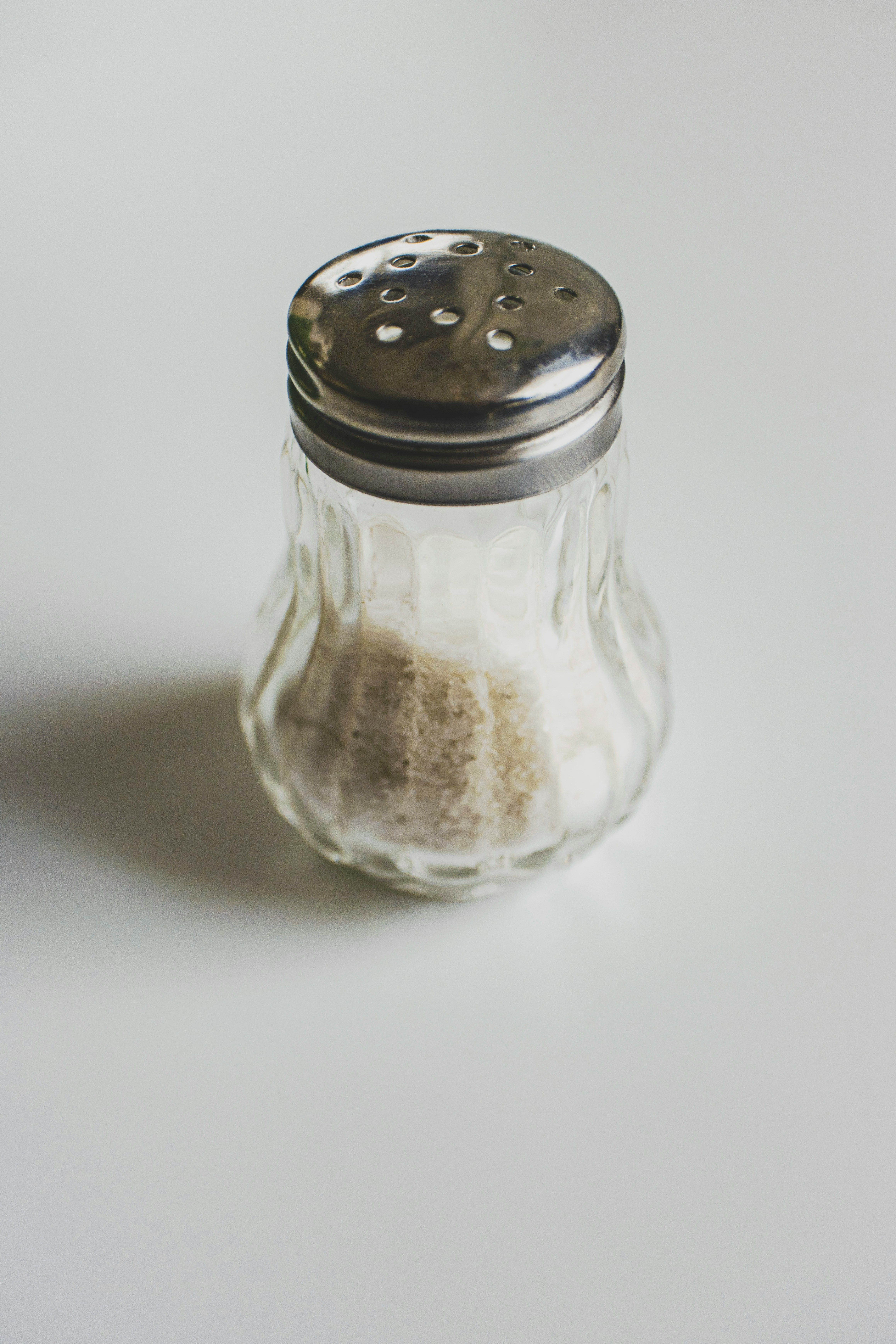
What changed was not salt's usefulness but its availability. Industrial mining, improved transportation, global trade, and modern food systems made salt abundant and cheap in many parts of the world. Once production scaled and supply chains matured, the mineral lost much of the rarity that had made it worth guarding so closely.
Refrigeration also reduced salt's role as the primary shield against spoilage. People still use it for curing, baking, seasoning, and food manufacturing, but they no longer depend on it in quite the same life-or-death way. Its prestige faded as its accessibility rose.
That is the real lesson in salt's history. Value is not only about what something is, but about what it allows people to do. For centuries, salt protected food, supported states, fueled trade, and shaped human habits, which is exactly why people once locked it up like treasure.




Leave a Reply