
A good cucumber salad does something few side dishes manage so effortlessly. It refreshes the plate, brightens heavier foods, and tastes just as welcome at lunch as it does at a backyard dinner.
Why cucumber salad works with so many meals
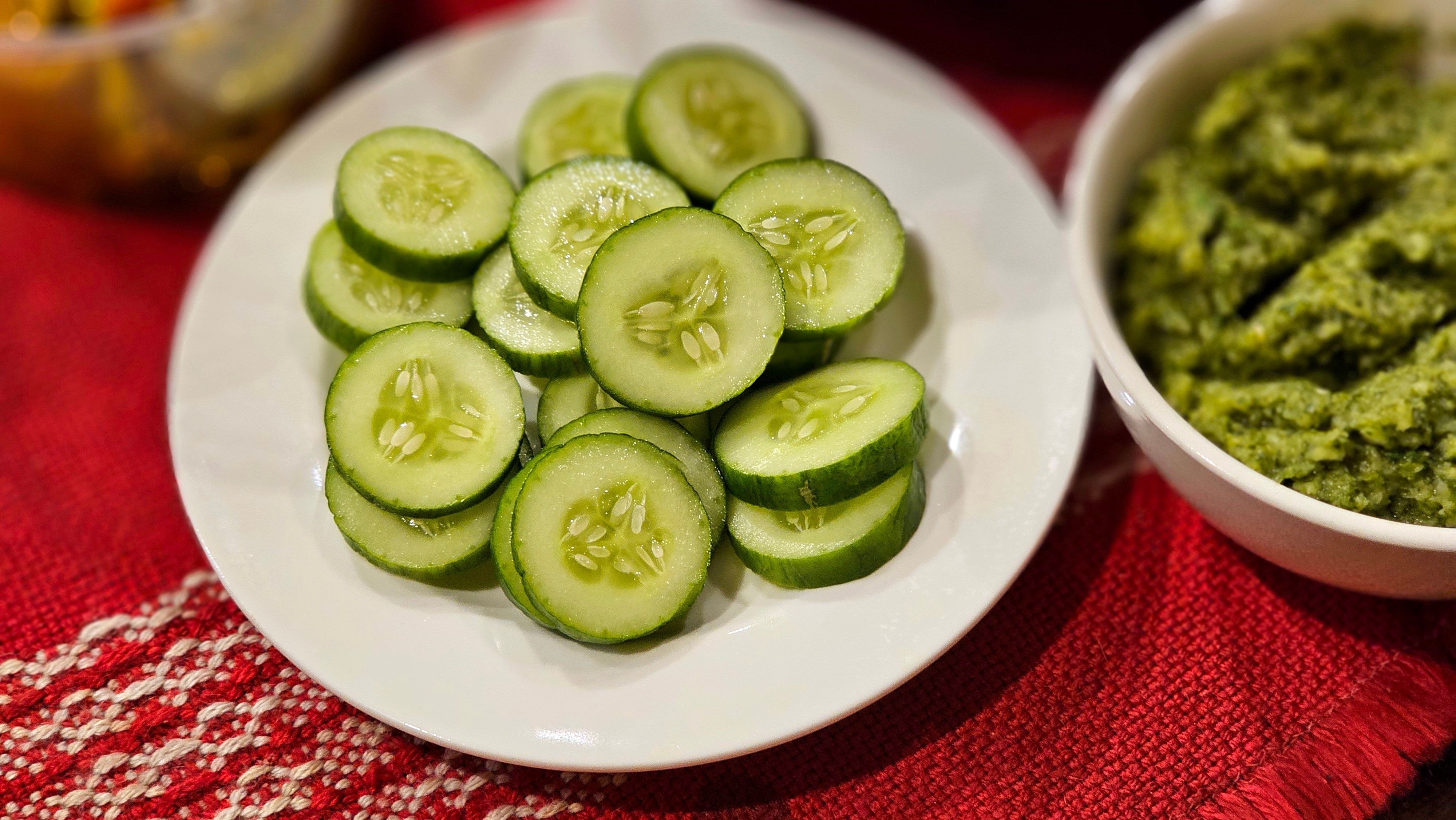
What makes cucumber salad unusually versatile is its structure. Cucumbers are high in water, low in fat, and mild in flavor, so they absorb dressings quickly without overpowering the main dish. That gives the salad a cooling role next to spicy foods, grilled meats, roasted chicken, or rich casseroles.
Texture matters just as much as flavor. A crisp cucumber bite adds contrast to soft rice, tender fish, creamy beans, and slow-cooked meats. In menu planning, chefs often look for contrast to keep a meal from feeling flat, and cucumber salad delivers that contrast with almost no effort.
Acidity is another reason it belongs on so many tables. A dressing built with vinegar or lemon sharpens the whole meal, helping salty, fatty, or smoky foods taste more balanced. That is why versions of cucumber salad appear alongside fried cutlets in Europe, barbecue in the American South, and yogurt-heavy dishes across the Middle East.
The ingredients that make the biggest difference
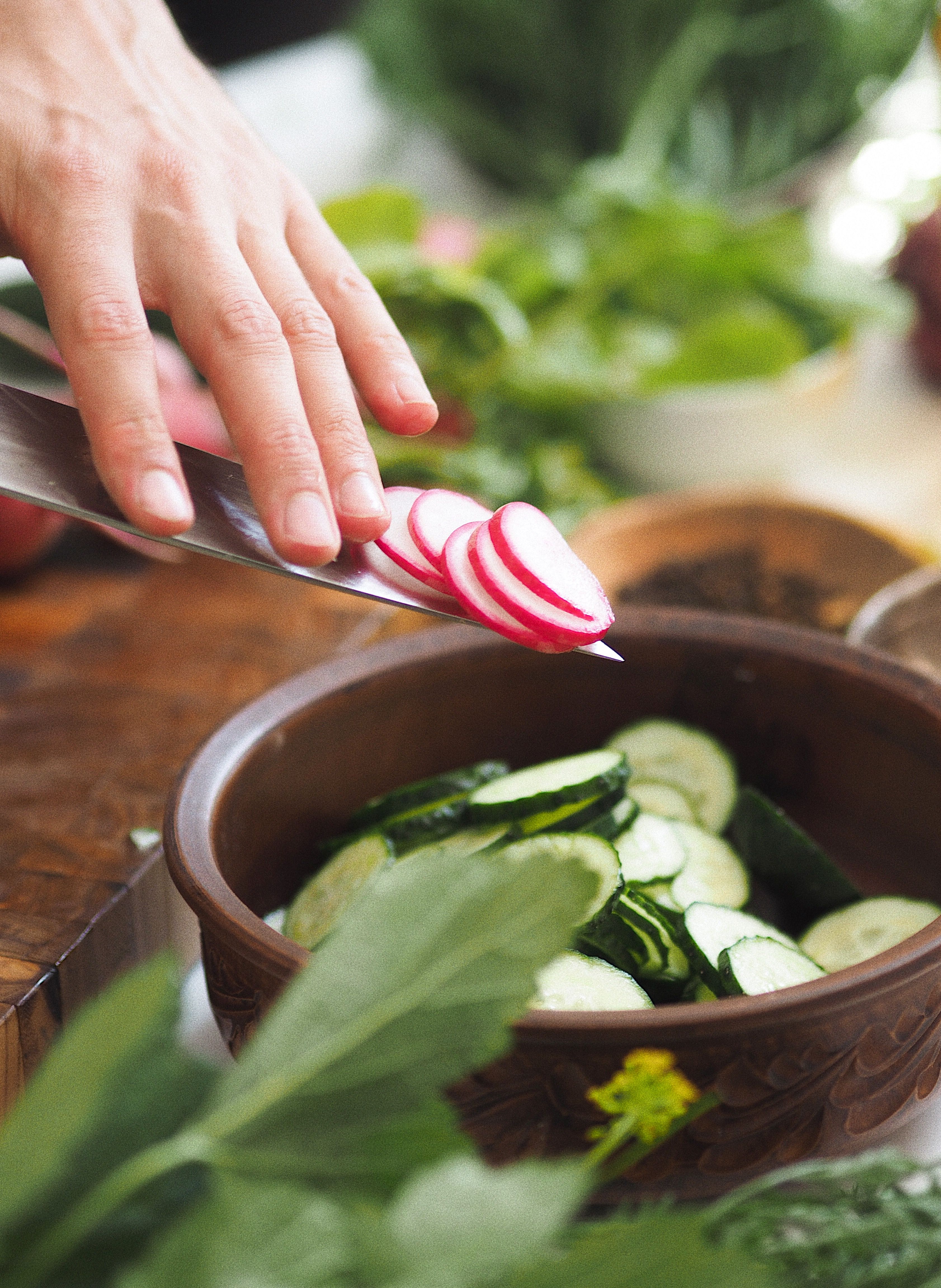
The first decision is the cucumber itself. English cucumbers are popular because they have thin skins, few seeds, and a clean, almost sweet flavor. Persian cucumbers are smaller and very crisp, while standard garden cucumbers work well if peeled partly and seeded when the center seems watery.
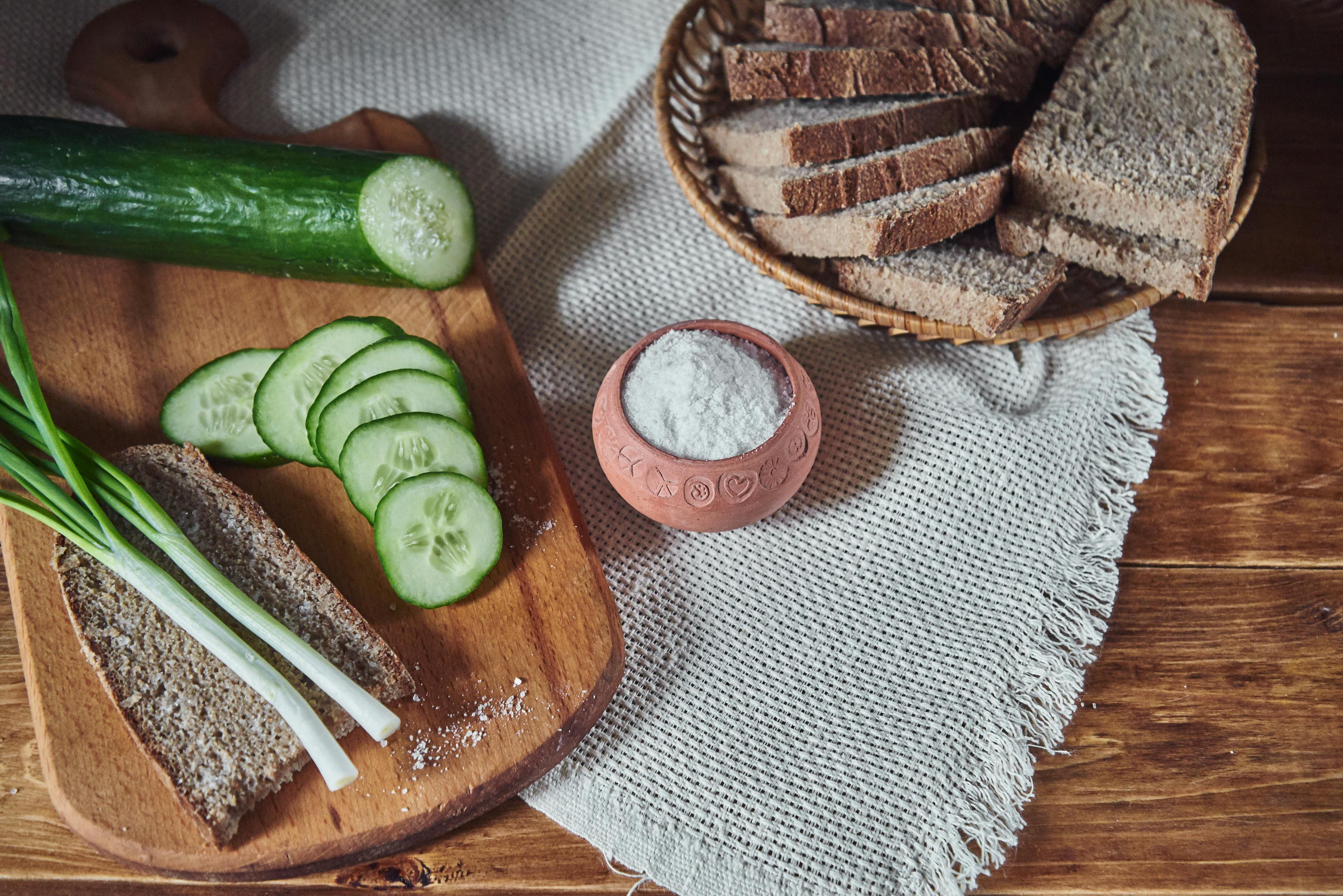
Salt is more important than many home cooks realize. Lightly salting sliced cucumbers and letting them rest for 15 to 20 minutes pulls out excess moisture, which keeps the dressing from turning thin and diluted. This step also concentrates flavor and preserves crunch, especially when the salad will sit before serving.
A strong but simple dressing usually works best. Rice vinegar, white wine vinegar, or lemon juice can provide the acid, while a small amount of sugar or honey softens sharp edges. Fresh dill, mint, parsley, red onion, garlic, and black pepper can all be added, but restraint matters because cucumber tastes best when not buried.
How to keep it crisp instead of watery
The biggest complaint about cucumber salad is that it turns soggy. That usually happens because cucumbers release water after slicing, especially when mixed with salt or acid. According to food science guidance used in professional kitchens, managing moisture early is the key to preserving both flavor and texture.
Slicing style affects the result more than people think. Thick coins stay firmer, half-moons feel substantial, and smashed cucumbers create rough edges that hold dressing well but soften faster. If the salad is meant for a buffet or make-ahead meal, thicker slices usually hold up better over time.
Timing is the final control point. Dress the cucumbers shortly before serving if you want maximum crunch, or let them marinate 10 to 15 minutes if you prefer more flavor penetration. For leftovers, storing the cucumbers and dressing separately is the most reliable method, especially in warm-weather cooking when salads sit out longer.
Flavor variations that fit different cuisines
One of the best things about cucumber salad is how easily it adapts. A Scandinavian-style version might use sour cream, dill, and a little vinegar for a cool, creamy finish that suits salmon or potatoes. A Japanese-inspired version often leans on rice vinegar, sesame seeds, and a touch of sugar for a cleaner, brighter profile.
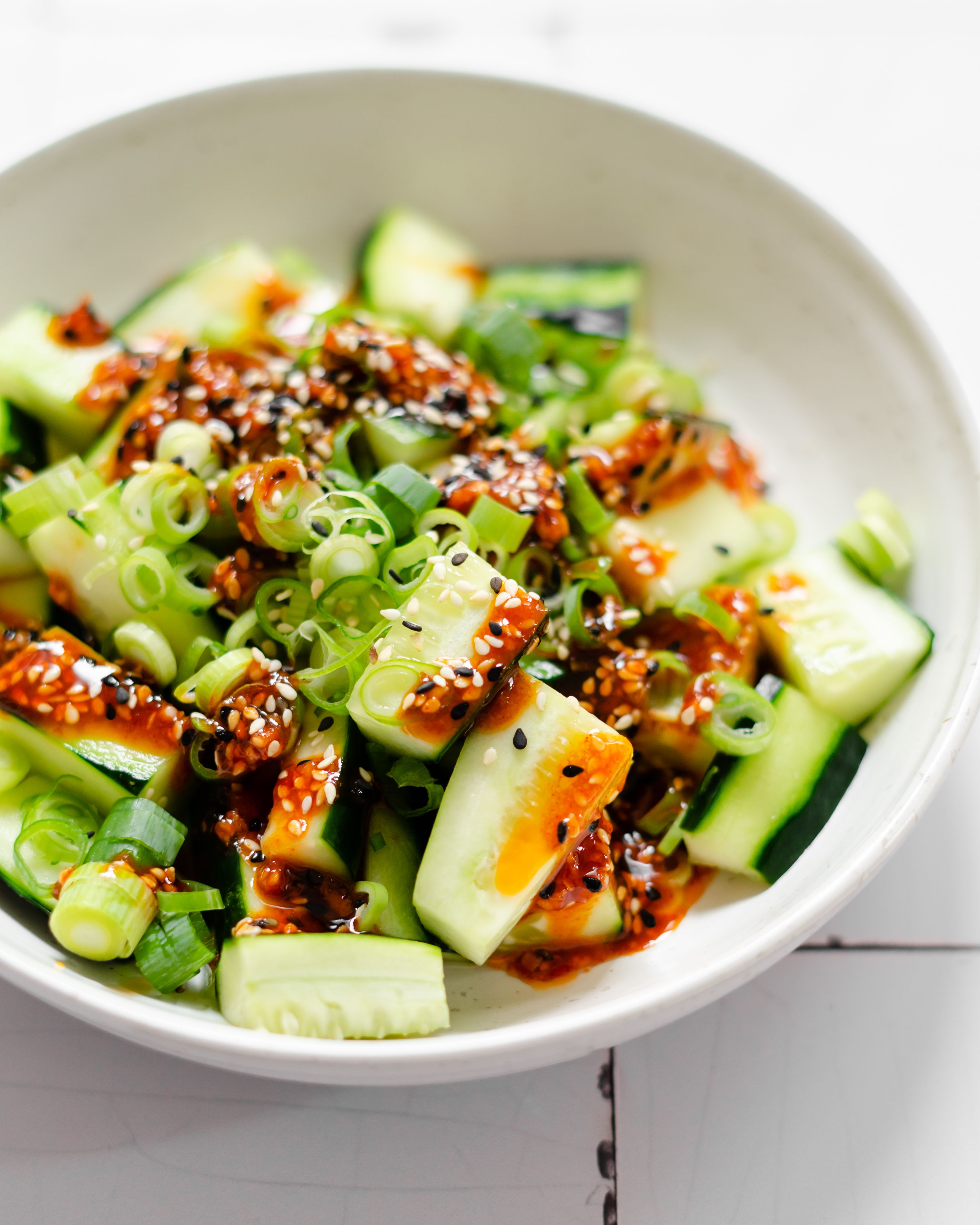
In Korean cooking, cucumber side dishes often bring heat and garlic into the mix. Gochugaru, sesame oil, scallions, and vinegar turn cucumbers into a sharper, more assertive companion for rice bowls and grilled meat. The result still feels refreshing, but it carries enough intensity to stand beside bold flavors.
Mediterranean versions often include tomato, feta, red onion, oregano, and olive oil. These additions make the salad heartier without sacrificing freshness. For Indian meals, cucumber can be folded into yogurt with cumin and herbs in a raita-style preparation, offering a cooling counterpoint to spiced lentils, curries, and roasted vegetables.
What to serve it with at home

At home, cucumber salad earns its place because it solves a common dinner problem. Many meals need one fresh element to feel complete, especially when the main dish is hot, browned, or rich. A bowl of chilled cucumbers can fill that role beside burgers, grilled chicken, pan-seared fish, sausages, or baked pasta.
It is also useful in seasonal cooking. In summer, it pairs naturally with corn, tomatoes, grilled shrimp, and picnic foods. In colder months, it can lighten heavier menus such as meatloaf, roast pork, or creamy soups, giving the plate some brightness when fresh produce options feel limited.
For gatherings, it is practical as well as appealing. The ingredient list is affordable, the preparation is simple, and the flavors are familiar to most guests. That makes cucumber salad a dependable potluck dish, especially when tailored with herbs, onions, or a creamy dressing to match the rest of the menu.
A simple formula that is easy to repeat
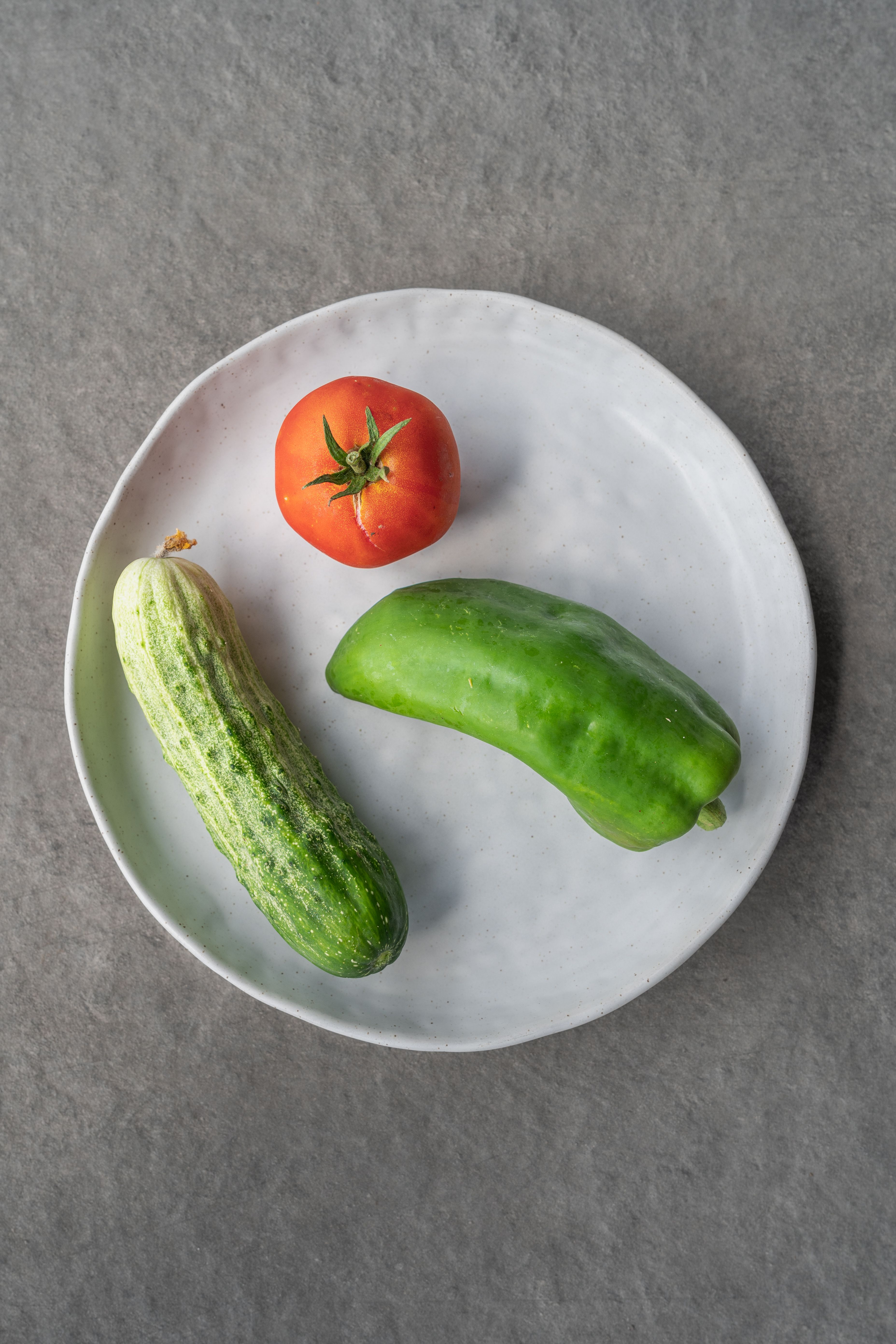
The most reliable cucumber salad follows a clear formula: crisp cucumber, measured salt, bright acid, a little sweetness, and one or two aromatic additions. That balance keeps the salad lively rather than bland or harsh. Once that base is understood, the recipe becomes flexible without becoming unpredictable.
A practical starting ratio for 2 large English cucumbers is 2 to 3 tablespoon vinegar, ½ teaspoon salt, 1 teaspoon sugar, and 2 tablespoon herbs or thinly sliced onion. From there, adjust to match the meal. More sugar suits spicy foods, more dill fits fish, and more garlic works well with grilled meats.
The reason this salad remains a classic is simple. It does not compete for attention, yet it improves almost everything around it. Few side dishes are this inexpensive, fast, and adaptable, and fewer still manage to feel so clean and satisfying with such ordinary ingredients.




Leave a Reply