
It sits in millions of kitchens and rarely raises suspicion. Yet one of the most common cooking oils may be the least impressive choice on your shelf.
Why soybean oil gets singled out

The oil most often criticized is soybean oil, a staple in packaged foods, restaurant fryers, salad dressings, and home kitchens. Its popularity comes from price, availability, and a neutral taste, not from outstanding nutritional quality. Because it is so common, many people assume it must be a smart everyday option.
What concerns experts is not that soybean oil is poisonous in normal amounts, but that modern diets contain far too much of it. It is especially high in omega-6 polyunsaturated fat, and while omega-6 fats are essential, excess intake compared with omega-3s may promote a more inflammation-prone dietary pattern. That imbalance is a major reason nutrition researchers keep a close eye on it.
Another issue is how refined soybean oil is typically made. Industrial extraction often involves high heat, chemical solvents, bleaching, and deodorizing. The final product is shelf-stable and cheap, but the process strips away much of the natural character people expect from a minimally processed fat.
The real problem is how we use it
The bigger story starts with quantity. According to data from the U.S. Department of Agriculture, soybean oil consumption has risen dramatically over the last century, largely because it became the backbone of processed food manufacturing. That means many people consume it several times a day without realizing it.
You are not just getting soybean oil from a bottle used for sautéing vegetables. It appears in chips, crackers, mayonnaise, frozen meals, fast food, baked goods, and countless restaurant dishes. In practical terms, that makes it easy for intake to become excessive before dinner is even served.
This pattern matters because overall dietary context shapes health outcomes more than any single ingredient. A person occasionally using soybean oil in a balanced diet is in a different position from someone whose meals are dominated by ultra-processed foods built around refined oils, added sugars, and sodium.
Heat, oxidation, and stability matter

A quiet weakness of many polyunsaturated oils is instability under high heat. Soybean oil contains a large amount of polyunsaturated fat, and those fats are more vulnerable to oxidation than monounsaturated fats found in oils like olive or avocado. Oxidation can create compounds that reduce flavor quality and may not be ideal for long-term health.
This becomes more important in deep-frying and repeated heating, where oil is exposed to air, high temperatures, and long cook times. In restaurant settings, oil may be used again and again, which increases degradation. That does not make every fried food dangerous, but it does weaken the case for soybean oil as a premium cooking fat.
Smoke point alone can mislead shoppers. An oil can have a decent smoke point yet still be heavily refined and less stable overall than expected. Stability depends on the full fatty acid profile, freshness, storage, and whether the oil is repeatedly reheated.
What the research actually suggests

Nutrition science is more nuanced than online claims suggest. Some studies have found that replacing saturated fat with polyunsaturated fats can improve cholesterol markers, and soybean oil can fit within that framework. So calling it the single worst oil in all situations would oversimplify the evidence.
Still, other research has raised concerns about excessive linoleic acid intake, oxidation byproducts, and the metabolic effects of highly processed dietary patterns rich in refined seed oils. Animal studies have sometimes suggested troubling signals, although animal findings do not automatically translate to humans. The strongest human evidence points less to panic and more to moderation and replacement.
In other words, soybean oil is best understood as an overused, low-quality default fat. It is not a toxin, but it is rarely the most beneficial option available. That distinction is important for anyone trying to make realistic, evidence-based kitchen decisions.
Better choices for everyday cooking

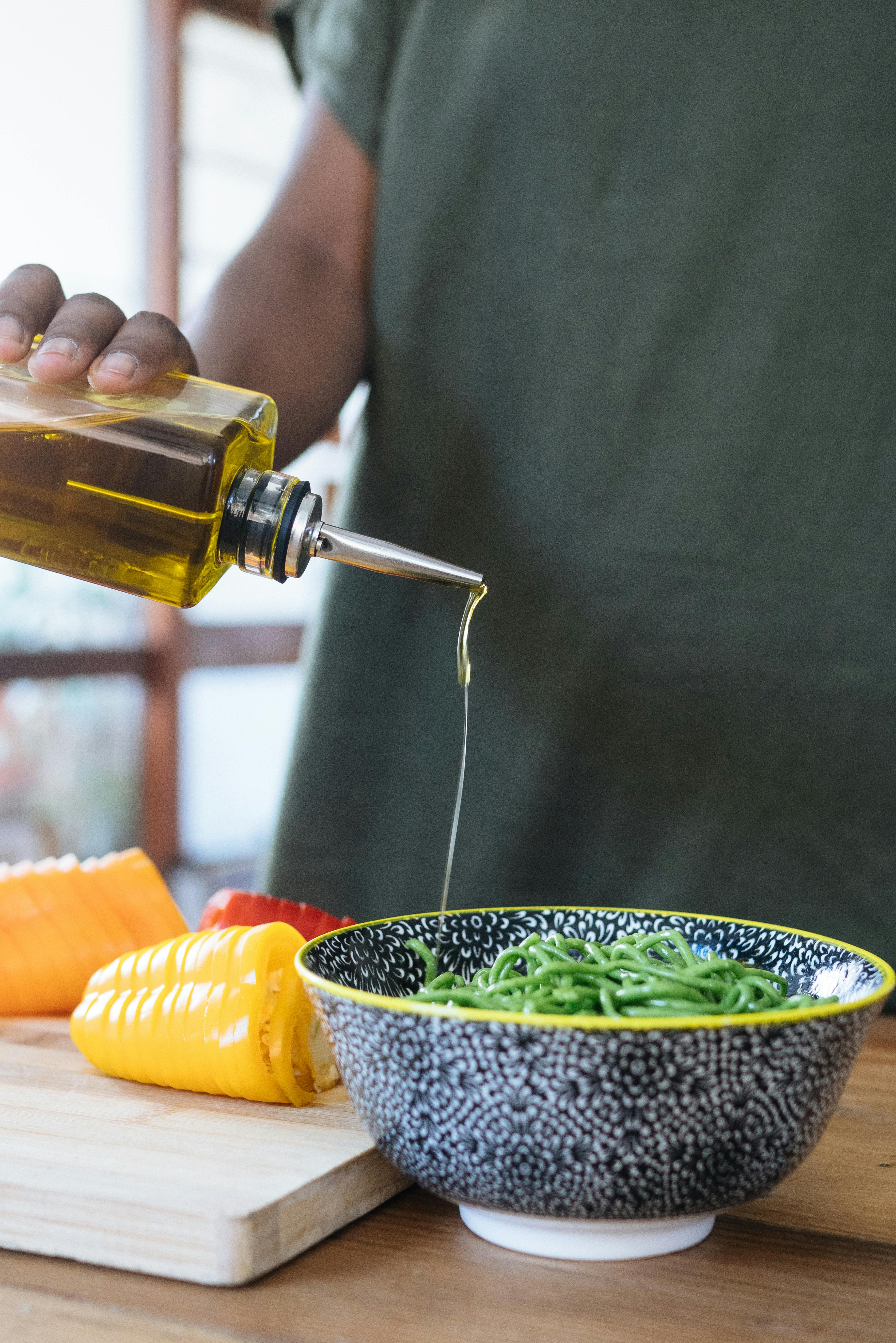
A smarter oil choice depends on what you are making. For low to medium heat cooking, extra virgin olive oil stands out because it is rich in monounsaturated fat and antioxidant compounds called polyphenols. Large population studies continue to associate olive oil use with better heart health outcomes.
For higher-heat cooking, avocado oil is often favored for its stability and mild flavor. Peanut oil can also work well for certain stir-fries, while refined olive oil is a practical middle ground for people who want better stability without a strong taste. Each option brings trade-offs in cost, flavor, and intended use.
Butter, ghee, and coconut oil are often marketed as more natural alternatives, but that does not automatically make them better for daily use. They are higher in saturated fat, so most health authorities still recommend using them more selectively than unsaturated oils.
How to clean up your kitchen without extremes

The easiest upgrade is not perfection. Start by reading ingredient labels and noticing how often soybean oil appears in the packaged foods you buy. Reducing ultra-processed snacks, takeout, and fried foods can lower intake faster than obsessing over the bottle near the stove.
Next, keep one or two purpose-driven oils at home instead of a large assortment. Extra virgin olive oil for dressings and everyday cooking, plus avocado oil for higher heat, covers most needs well. Store oils away from light and heat, and buy sizes you can finish while fresh.
Most important, avoid fear-based nutrition thinking. No single oil determines your health on its own, but replacing a heavily refined, overused oil with more stable and less processed options is a practical move. In a food environment flooded with cheap industrial fats, that small shift can add up.




Leave a Reply