
Most food recalls sound familiar at first glance. This one stands out because the danger was hidden in plain sight.
Why this recall caught so many shoppers off guard
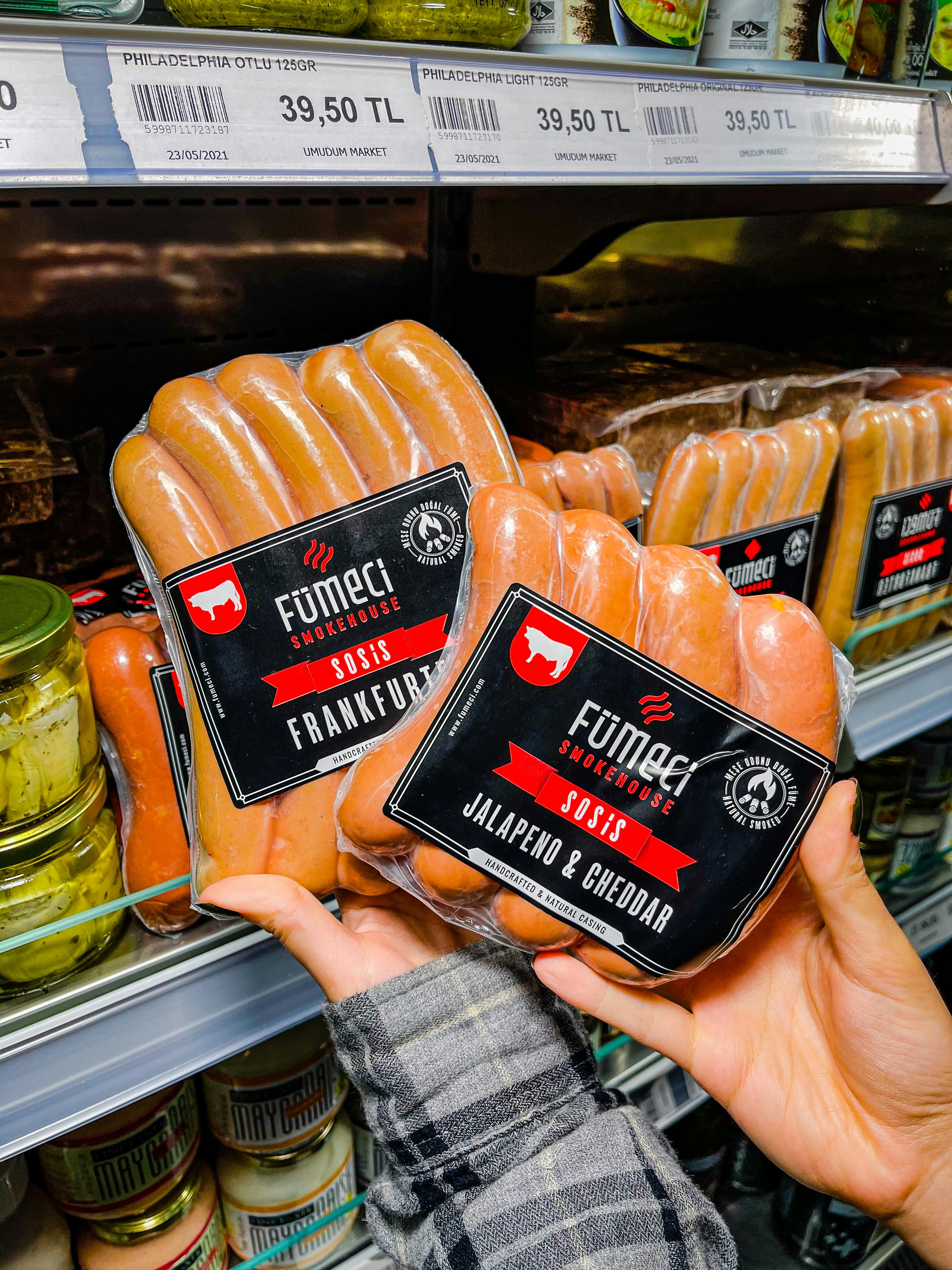
At first, many consumers assume sausage recalls involve bacteria such as Salmonella or Listeria. In this CFIA case, the concern was different and far less obvious to the average buyer scanning a package in the store.
The recall centered on an undeclared allergen, which is one of the most common reasons the Canadian Food Inspection Agency orders products off shelves. What makes these recalls so unsettling is that the food can look, smell, and taste completely normal while still posing a serious health threat.
For most shoppers, sausage seems like a straightforward product made from meat, spices, and preservatives. But modern food production often involves seasoning blends, fillers, dairy-based ingredients, or shared equipment, any of which can introduce allergens that are not clear from a casual glance.
That is why CFIA allergen recalls tend to draw strong attention. They reveal how much consumers rely on labels, and how dangerous even a small packaging or formulation mistake can become for people with food sensitivities.
The real issue was not freshness but labeling accuracy
The surprising part of this recall is that the product may not have been spoiled at all. According to standard CFIA recall practices, a product can be removed from sale simply because the label fails to disclose a priority allergen, even if the food itself remains otherwise market-ready.
That distinction matters. Food safety is not only about whether something is contaminated by microbes. It is also about whether the package tells the full truth about what is inside, especially for ingredients that can trigger severe reactions.
In Canada, allergens such as milk, soy, mustard, eggs, wheat, sesame, peanuts, tree nuts, fish, shellfish, and sulphites must be declared clearly. If even one of those substances is present but omitted from the label, regulators may classify the situation as an immediate consumer risk.
For healthy consumers without allergies, the issue may seem minor. For someone with a severe sensitivity, however, one missed ingredient statement can lead to hives, breathing distress, hospitalization, or in the worst cases, anaphylaxis.
How undeclared allergens end up in sausage products
One overlooked truth about processed meats is that they are rarely made from just meat and salt. Popular sausage lines often include binders, powdered seasonings, smoke flavorings, cheese components, and curing agents sourced from multiple suppliers.
A single spice mix can contain hidden milk proteins, soy derivatives, or wheat-based carriers. If a manufacturer changes suppliers, adjusts a recipe, or uses a reformulated seasoning without updating the final label, an undeclared allergen problem can appear quickly.
Cross-contact is another major factor. A plant may produce several varieties of sausages on nearby lines, including products with cheese, soy fillers, or specialty marinades. If cleaning and verification steps fall short, traces can move into another batch that was never meant to contain that allergen.
This is why regulators investigate both formulation records and manufacturing controls. The label error shoppers see on the shelf can sometimes point to a deeper breakdown in quality assurance behind the scenes.
Why CFIA recalls matter even when no illnesses are reported

Some shoppers ignore recall alerts if they do not hear about confirmed injuries. That is a mistake. CFIA recalls are often issued before widespread harm occurs, which is exactly how a preventive food safety system is supposed to work.
A missing allergen statement is not a technicality. Health Canada has long treated undeclared allergens as a major public health concern because reactions can happen within minutes and can escalate quickly without warning.
In many past recall cases across North America, products were pulled after internal testing, consumer complaints, or routine inspections revealed labeling gaps. The absence of reported illness does not mean the threat was small. It may simply mean the product was caught in time.
That preventive approach is one reason food regulation matters. When agencies act early, consumers have a chance to check their refrigerators, return products, and avoid a medical emergency that never should have happened.
What shoppers should do if they bought the affected sausage

The first step is simple: check the CFIA recall notice carefully against the product in your home. Match the brand, product name, package size, and best-before or lot coding, because similar items may remain safe while a specific batch is recalled.
If the product matches the recall, do not taste it to "see if it seems fine." Allergen risks cannot be detected by appearance or smell, and even a small amount can be dangerous for a sensitive person.
Consumers are generally advised either to throw the product away or return it to the place of purchase, depending on retailer guidance. Households should also clean any utensils, cutting boards, or storage areas that may have come into contact with the sausage.
Anyone who believes they experienced an allergic reaction after eating a recalled product should seek medical attention promptly. They should also report the incident, since consumer reports often help regulators trace the full scope of a recall.
The bigger lesson hidden inside this sausage recall

This recall is really about trust. Shoppers buy packaged foods with the expectation that the label reflects the product accurately, especially when a health risk could be life-altering for a child, an older adult, or anyone managing serious allergies.
It also highlights how food manufacturing has become more complex than many people realize. A sausage may look traditional, but its ingredient path can stretch across several suppliers, processing steps, and packaging decisions before it ever reaches a cooler case.
For brands, that means quality control must go far beyond taste and shelf life. It must include precise ingredient tracking, supplier verification, label review, and strong plant sanitation systems that reduce the chance of cross-contact.
For consumers, the lesson is equally clear. Recall notices deserve attention, even when the reason sounds unusual, because the most dangerous food hazard is sometimes the one no ordinary shopper would ever think to look for.




Leave a Reply