
Cheese is usually praised for taste, not digestion. But a new look at three British artisan cheeses suggests your cheeseboard may hold more microbial intrigue than expected.
Why scientists are looking at cheese differently

A 2026 study from the University of Reading examined how microbes changed as three Oxfordshire cheeses matured at Nettlebed Creamery. The team tracked bacterial communities and chemical shifts across aging, aiming to understand not just flavor, but possible health relevance too.
That matters because fermented foods are now central to gut-health research. Yogurt, kefir, kimchi, and sauerkraut get most of the attention, yet cheese has a dense fat-and-protein structure that may help shield useful microbes as they move through digestion.
Lead researcher Sabrina Longley noted that artisan cheeses are full of microbial life. According to the study, that living ecosystem is not random. It actively shapes aroma, rind, texture, and possibly how certain bacteria might reach the gut in meaningful numbers.
The three cheeses behind the findings

The research focused on three distinct styles, each with its own maturation pattern. One was a soft white rind cheese aged for a little over a week. Another was a washed rind semi-soft cheese matured for several weeks.
The third was a semi-hard cheese aged in hay for about nine months. That long maturation created a very different microbial environment, and the investigators found that bacterial diversity rose sharply as aging progressed, giving the mature cheese nearly four times as many species as earlier samples.
This matters because diversity is often a sign of complexity in fermented foods. In practical terms, each cheese became a different microbial package. Consumers were not just eating milk transformed into cheese, but a changing community of bacteria, molds, metabolites, fats, and proteins.
Which bacteria may actually help the gut
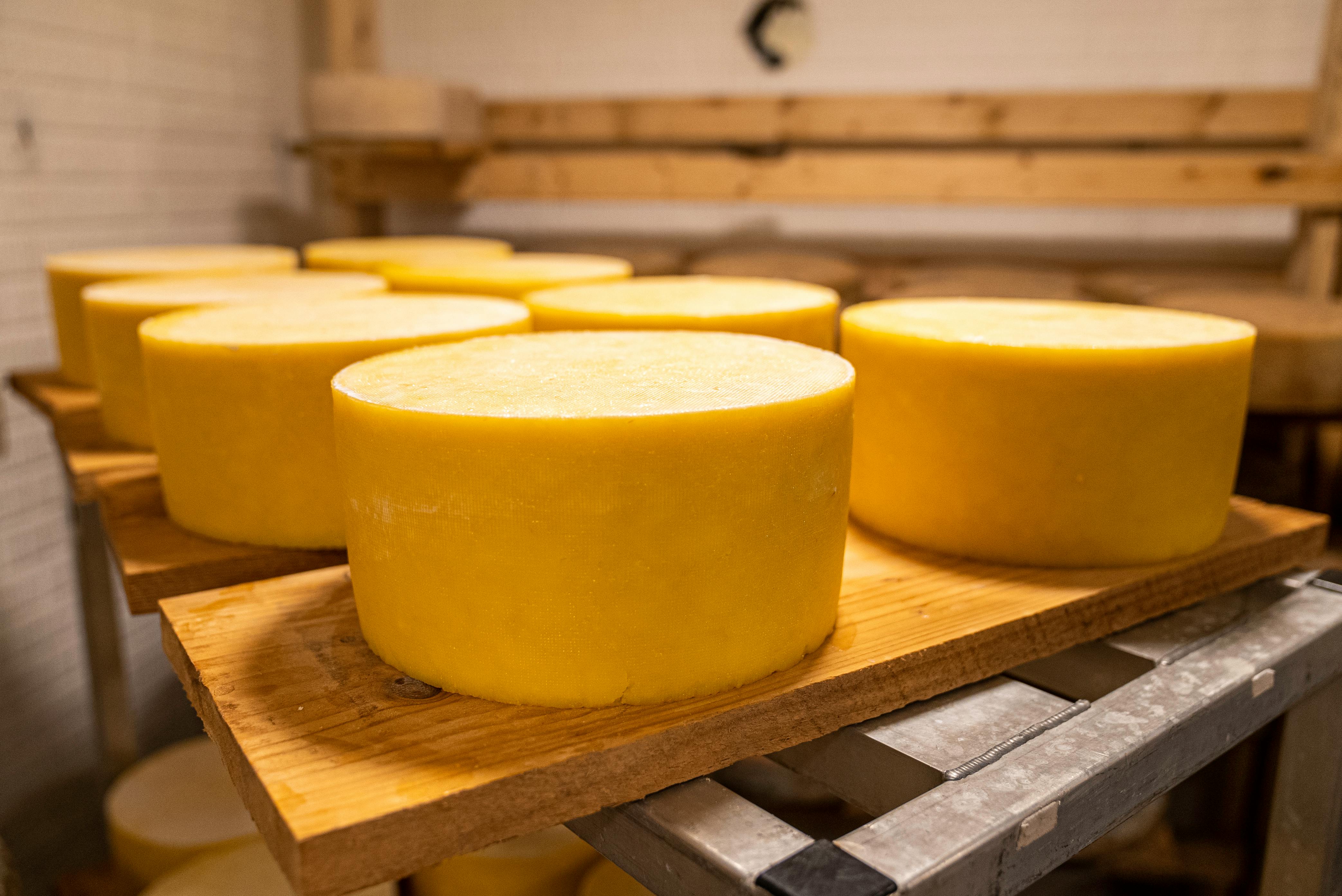
Several microbes identified in the cheeses already have recognized probiotic potential. Streptococcus thermophilus, widely used in yogurt making, stayed dominant in the semi-soft and harder cheeses throughout maturation, suggesting strong stability rather than a brief appearance during early fermentation.
Lactococcus lactis was found in all three cheeses from start to finish. That is notable because it is one of the workhorse bacteria in dairy fermentation and is often associated with desirable acid production, food preservation, and potential support for balanced gut microbial populations.
Two of the cheeses, the washed rind and hay-aged varieties, also contained Propionibacterium freudenreichii. This bacterium produces propionic acid, a compound linked in research to anti-inflammatory effects, reduced cholesterol synthesis, and possible appetite regulation, though human outcomes still require more direct testing.
The rind may offer more than extra flavor
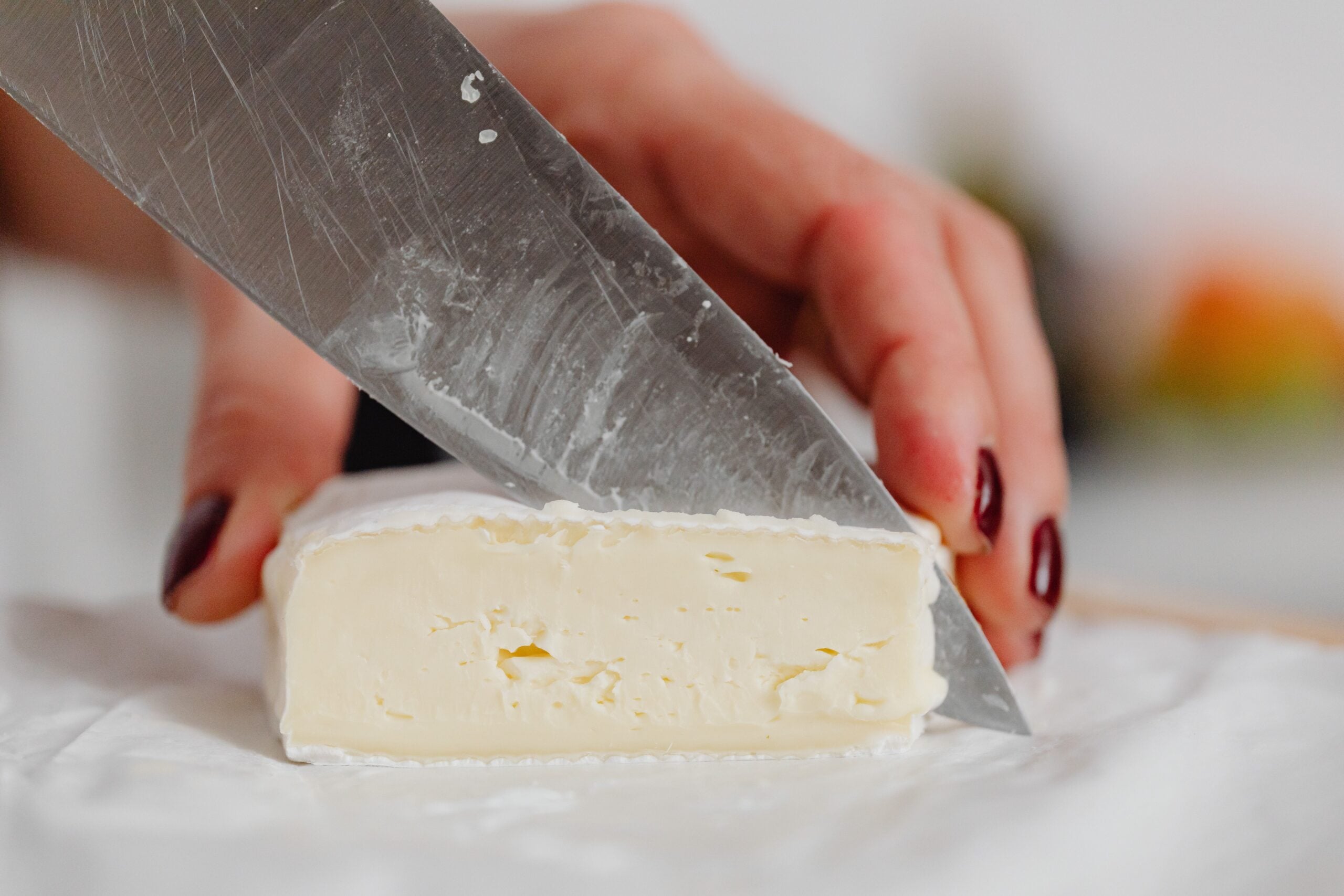
People who eat the rind may be getting something additional beyond earthy flavor and creamy texture. In the soft white rind cheese, Penicillium candidum forms the familiar outer coat that many cheese lovers associate with Brie- or Camembert-style ripening.
According to the researchers, this mold produces chitin. Chitin is a type of dietary fiber that may act as a prebiotic, meaning it could help feed beneficial microbes already living in the gut rather than supplying live bacteria itself.
That distinction is important. Probiotics are live organisms, while prebiotics nourish them. A cheese that potentially offers both, live bacteria within the paste and prebiotic material on the rind, becomes especially interesting from a nutrition science perspective.
A possible advantage for people sensitive to lactose

One of the most practical findings involved lactose. By the time the cheeses had fully matured, lactose was almost entirely absent. During fermentation and aging, lactic acid bacteria broke down most of the milk sugar that often causes digestive discomfort in lactose-sensitive people.
That does not mean every person with lactose intolerance will tolerate every aged cheese equally well. Sensitivity varies, portion size matters, and cheese also contains fat, salt, and proteins that can affect digestion differently from person to person.
Still, the near disappearance of lactose helps explain why some people find aged cheeses easier to handle than fresh dairy. It also adds a useful real-world angle to the gut-health conversation, beyond the narrower question of probiotic potential alone.
What this means for your plate right now

The most sensible takeaway is encouraging, but cautious. These cheeses contain microbes and microbial byproducts that look promising, yet researchers themselves stress that dietary intervention trials are still needed to see how these organisms behave inside the human gut after consumption.
So this is not a license to treat cheese as medicine. It is better understood as an example of how traditional foods can carry biological complexity that modern nutrition is only beginning to map carefully and measure in humans.
For everyday eaters, the message is simple. Well-made artisan cheese may offer more than pleasure and protein. In moderation, and especially as part of a varied diet rich in fiber-rich plant foods, these British cheeses could be a surprisingly smart addition.



Leave a Reply