
A clean rinse can make produce look safe. It cannot undo contamination that happened in the field, the soil, or the water used to grow it.
Why forever chemicals end up in produce
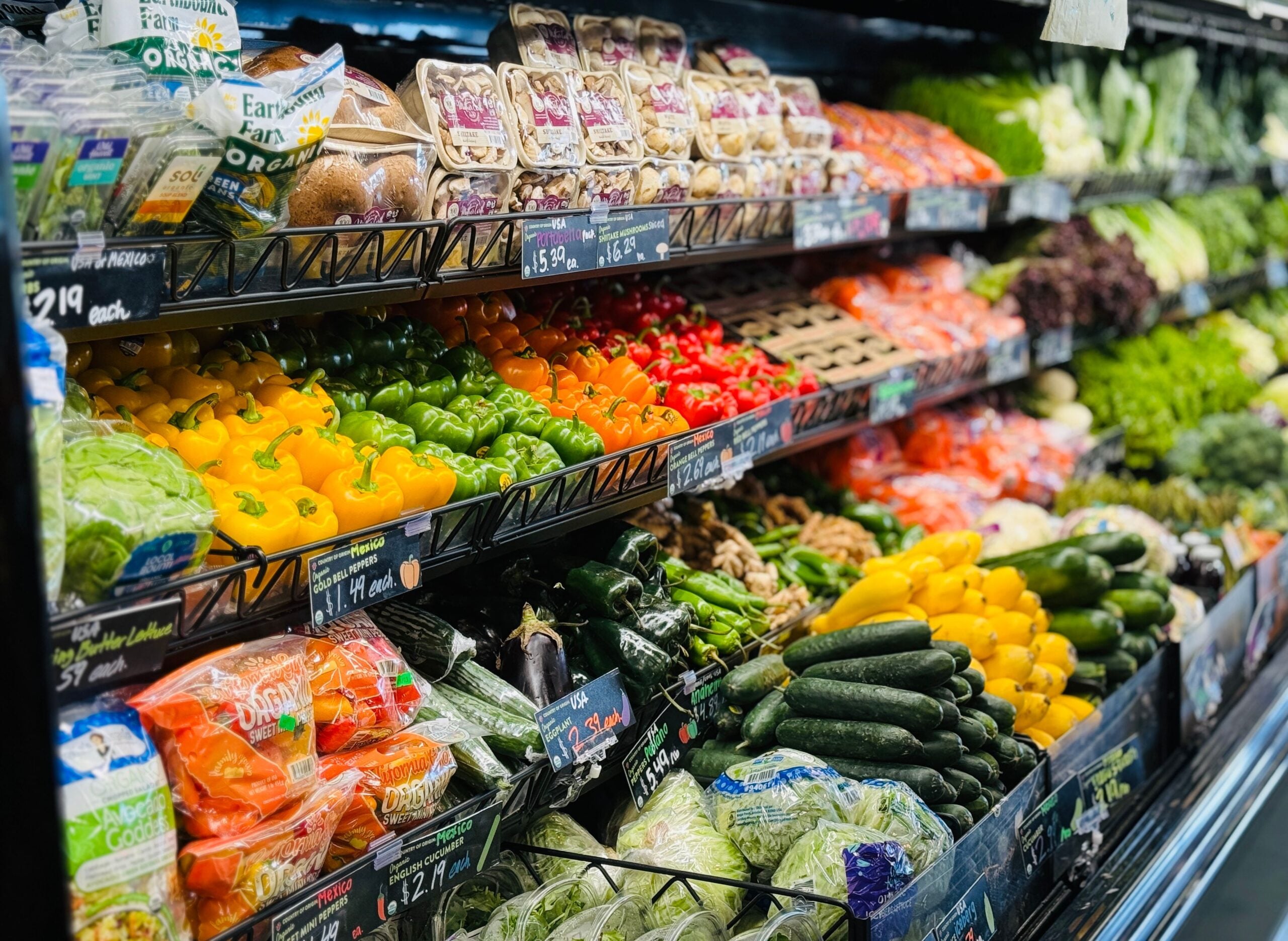
PFAS, short for per- and polyfluoroalkyl substances, are a large class of chemicals valued for resisting heat, grease, and water. That same durability is why they are called forever chemicals. According to the Environmental Working Group and multiple university studies, PFAS can persist in soil for years and move through irrigation water into crops.
The problem often starts far from the grocery store. Fields may be contaminated by biosolids, which are sewage sludge byproducts sometimes spread as fertilizer, or by industrial runoff and firefighting foam near airports and military sites. Once PFAS enter the growing environment, they can be absorbed through roots rather than simply settling on the surface.
That is why washing has limited value here. A sink rinse can remove grit and some surface contaminants, but it cannot pull chemicals back out of plant tissue. In other words, if contamination is internal, the produce may still contain PFAS after it looks perfectly clean.
Leafy greens are among the biggest concerns
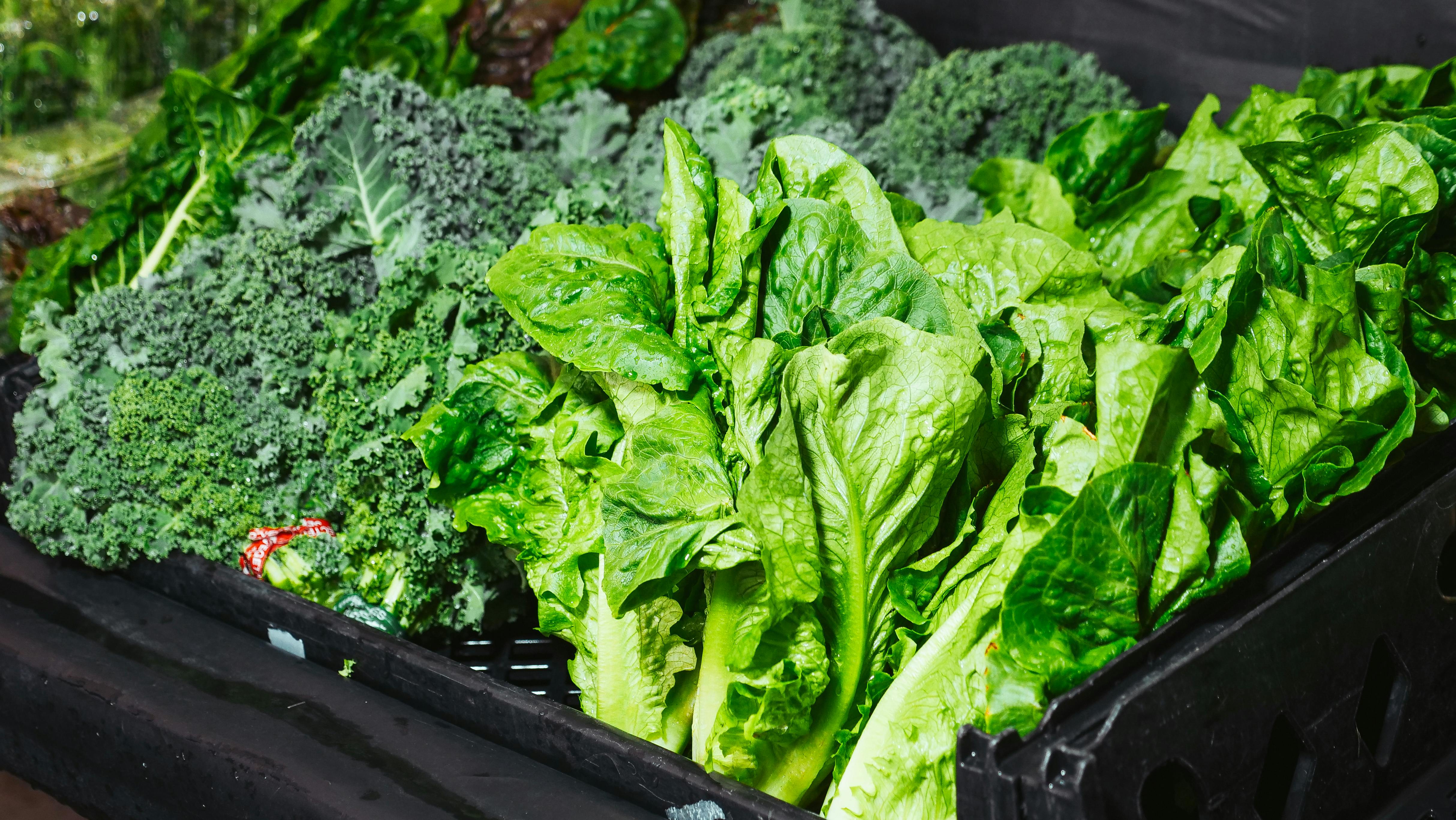
Lettuce, kale, spinach, and similar greens often show up in PFAS discussions because they grow quickly, have high water demand, and are eaten in large quantities. Several studies have found that leafy vegetables can accumulate certain PFAS compounds when grown in contaminated soil or irrigated with tainted water.
Leafy greens also have a lot of surface area, which can collect dust or waterborne residue. But the larger issue is uptake through the plant itself. Researchers in Europe and the United States have observed that some short-chain PFAS move readily from soil into leaves, making greens a notable exposure route.
This matters because greens are often marketed as everyday health foods. People may eat them raw in salads or blend them into smoothies, which means there is no cooking step that might reduce other contaminants. PFAS, however, are highly stable, so even heat does little to solve the problem.
Root vegetables can absorb contamination from soil
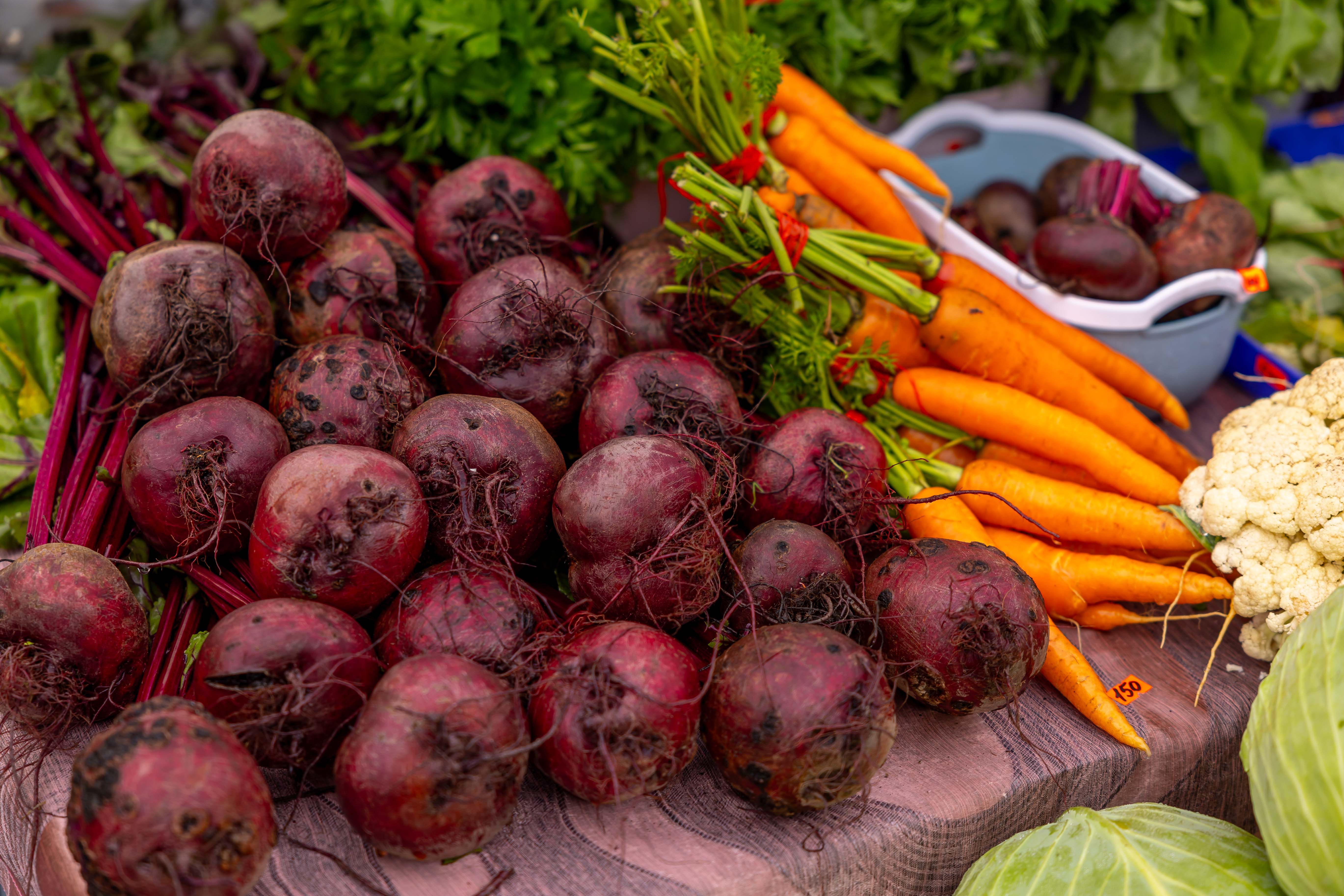
Carrots, radishes, turnips, potatoes, and beets grow directly in the medium where PFAS can linger the longest. When soil has been contaminated over time, root vegetables may absorb these chemicals as they develop underground. That makes them especially relevant in agricultural areas with a known history of sludge application or industrial pollution.
A 2024 body of research on crop uptake showed that roots can accumulate PFAS differently depending on the chemical chain length and soil conditions. Some compounds stay concentrated in the roots, while others move upward into stems and leaves. The exact pattern varies, but the risk is real enough that environmental agencies now monitor agricultural land more closely.
Peeling may slightly reduce exposure in some cases if residues are concentrated near the outer layer. Still, peeling is not a guaranteed fix when uptake occurred throughout the edible portion. Washing root vegetables remains important for hygiene, but it is not a reliable defense against forever chemicals.
Strawberries and other fruits can be affected too
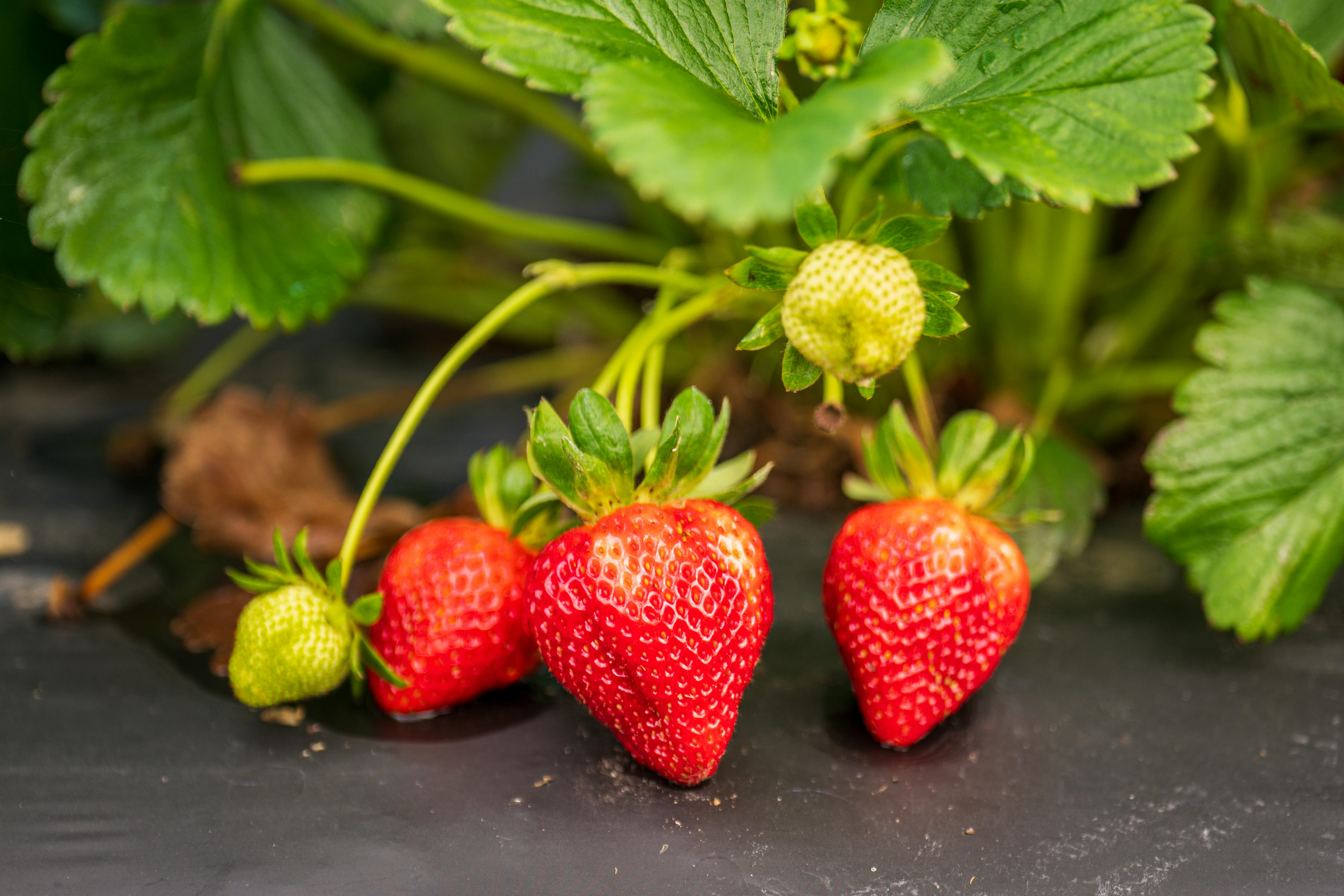
Fruit is not automatically safer. Strawberries have drawn attention because they are frequently grown with significant irrigation and are already watched closely for pesticide residues, yet PFAS contamination can also enter through water and soil rather than direct spraying onto the fruit.
In areas where water supplies have tested positive for PFAS, berries may take up contamination through the plant system. Some farm investigations and state-level testing efforts have found PFAS in produce grown near contaminated sites, including fruiting crops. The levels are not uniform everywhere, but location matters far more than many shoppers realize.
Other fruits and vegetables with high water uptake, including tomatoes and cucumbers, may also be affected under the wrong conditions. The key point is that contamination is tied less to the food category itself and more to the growing environment. Produce from a clean field and water source presents a different risk profile than produce from a polluted one.
Why washing, soaking, and scrubbing are not enough

It is tempting to think a longer soak or a produce wash can solve the issue. For PFAS, that expectation does not match the chemistry. These compounds are not like loose soil or bacteria sitting on the surface. Many are taken up internally through roots and distributed into plant tissues as the crop grows.
Even vigorous scrubbing mainly affects the outside. That may help reduce ordinary dirt and some external residue, but it does not remove what has been incorporated into the flesh or leaves. Consumer Reports and public health experts have repeatedly emphasized this distinction when discussing PFAS in the food supply.
Cooking is not a dependable fix either. Forever chemicals are valued precisely because they are stable under conditions that break down many other substances. So while proper washing is still essential for food safety overall, it should not be mistaken for a complete solution to this specific contamination problem.
How shoppers can lower their risk without giving up produce

The most practical step is variety. Eating a wide range of fruits and vegetables reduces the chance of repeated exposure from one contaminated source. It also avoids overreliance on a single high-risk item grown in one region. Nutrition experts are clear that produce still belongs in a healthy diet despite this concern.
When possible, pay attention to local water quality reports, farm advisories, and state testing announcements. Some regions have identified farms or fields affected by PFAS, especially near military bases, airports, landfills, and industrial corridors. Buying from producers who are transparent about soil and water testing can help.
For policymakers, the larger solution is upstream control. That means stricter limits on PFAS in biosolids, drinking water, and industrial discharge, along with better crop testing and farm remediation. For consumers, the takeaway is simple: keep washing your produce, but understand that clean-looking food is not always chemically clean.




Leave a Reply