
High blood pressure rarely announces itself, yet it quietly raises the risk of heart attack, stroke, and kidney disease. The encouraging news is that daily routines can meaningfully improve your numbers.
Build meals around foods that protect your arteries

What you put on your plate influences blood pressure more than many people realize. Diets centered on vegetables, fruit, beans, whole grains, nuts, and lean proteins tend to support healthier blood vessels and better sodium balance.
A practical place to start is sodium. Many adults consume far more than they think, largely from packaged foods, deli meats, restaurant meals, breads, sauces, and soups. Reading labels and choosing lower-sodium options can make a measurable difference within weeks.
Potassium-rich foods also matter because they help counter sodium's effects. Bananas get attention, but potatoes, yogurt, spinach, beans, tomatoes, and avocados are also useful choices. The broader pattern matters most, not a single "superfood."
Make movement part of the week, not an occasional event

Exercise helps blood vessels stay more flexible and can reduce the workload on the heart. Many clinicians recommend at least 150 minutes of moderate activity weekly, which can be broken into manageable sessions that fit real schedules.
Brisk walking is one of the most accessible options because it requires little equipment and can be done almost anywhere. Cycling, swimming, dancing, and low-impact aerobics can offer similar benefits when done consistently.
Small decisions add up. Taking the stairs, parking farther away, walking during phone calls, or doing 10-minute activity breaks after meals can help build momentum. For many people, consistency matters more than intensity at the beginning.
Treat stress like a health factor, not just a mood issue

Stress does not cause every case of hypertension, but chronic tension can push blood pressure higher and make healthy habits harder to maintain. Poor sleep, rushed meals, and emotional eating often travel with stress and amplify the problem.
Simple calming practices can help interrupt that cycle. Slow breathing, meditation, prayer, gentle stretching, yoga, and even a quiet walk outside may lower stress hormones and create short-term dips in blood pressure.
Real-world success often comes from repetition, not perfection. A person who spends five minutes breathing deeply before work each day may benefit more than someone who tries a long routine once a month. Regularity is powerful.
Rethink alcohol and tobacco with blood pressure in mind

Alcohol and smoking can both work against blood pressure control. Smoking temporarily tightens blood vessels and damages artery walls over time, while heavier drinking can raise blood pressure and add empty calories that contribute to weight gain.
Quitting tobacco is one of the strongest moves for heart health at any age. Many people need support through nicotine replacement, counseling, prescription treatment, or a structured quit plan, and that is a sign of strategy, not weakness.
With alcohol, moderation matters. Some people benefit from cutting back to fewer drinks per week, while others are advised to avoid it altogether depending on medications, liver health, or other risks. A clinician can help tailor that advice.
Check your numbers at home and learn what they mean
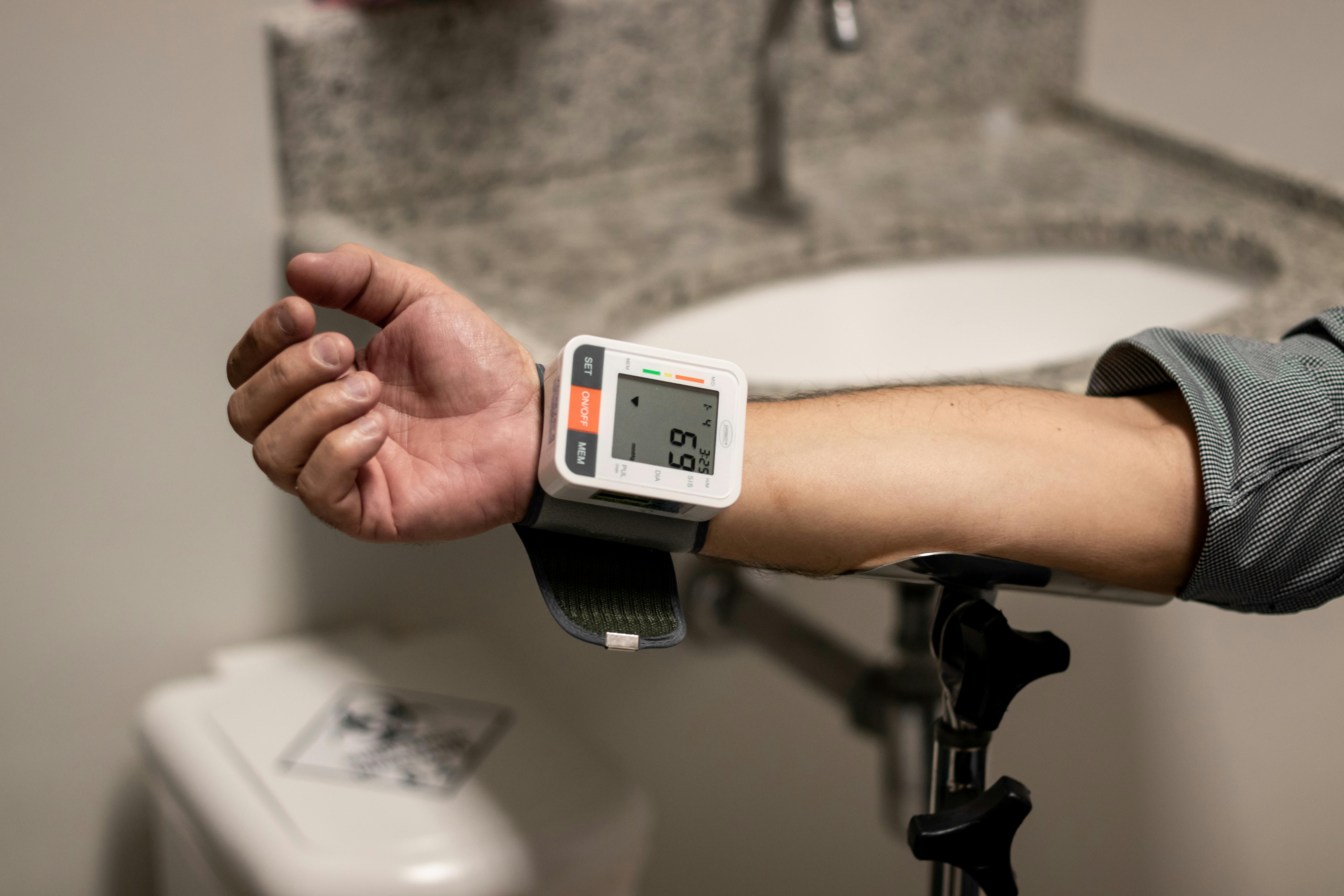
Home blood pressure monitoring turns a vague concern into useful information. Readings taken at home can reveal patterns, show whether lifestyle changes are helping, and reduce the "white coat" effect that sometimes appears in medical offices.
For more accurate numbers, sit quietly for five minutes, keep your feet flat on the floor, and use a properly fitted upper-arm cuff. Avoid caffeine, smoking, and exercise for about 30 minutes beforehand when possible.
Track results at the same times each day and bring the log to appointments. Doctors often look for trends rather than reacting to one isolated reading. That bigger picture helps guide treatment decisions with more precision.
Think of blood pressure control as a daily system

The most effective approach is rarely one dramatic change. Blood pressure improves when several modest habits work together, including smarter meals, regular movement, lower stress, less alcohol, no tobacco, and consistent monitoring.
Weight loss can help too, especially when it comes from sustainable routines rather than extreme diets. Even modest reductions may improve blood pressure, blood sugar, and sleep quality, creating a ripple effect across overall health.
If your readings stay high, do not wait too long to get medical advice. Lifestyle habits are powerful, but some people also need medication or evaluation for underlying causes. The goal is steady control, not perfection.




Leave a Reply