
Some meals become local legends because they are elaborate. In Newfoundland, many became memorable for the opposite reason: they were practical, affordable, and built to feed families through hard weather and long workdays.
Jiggs dinner
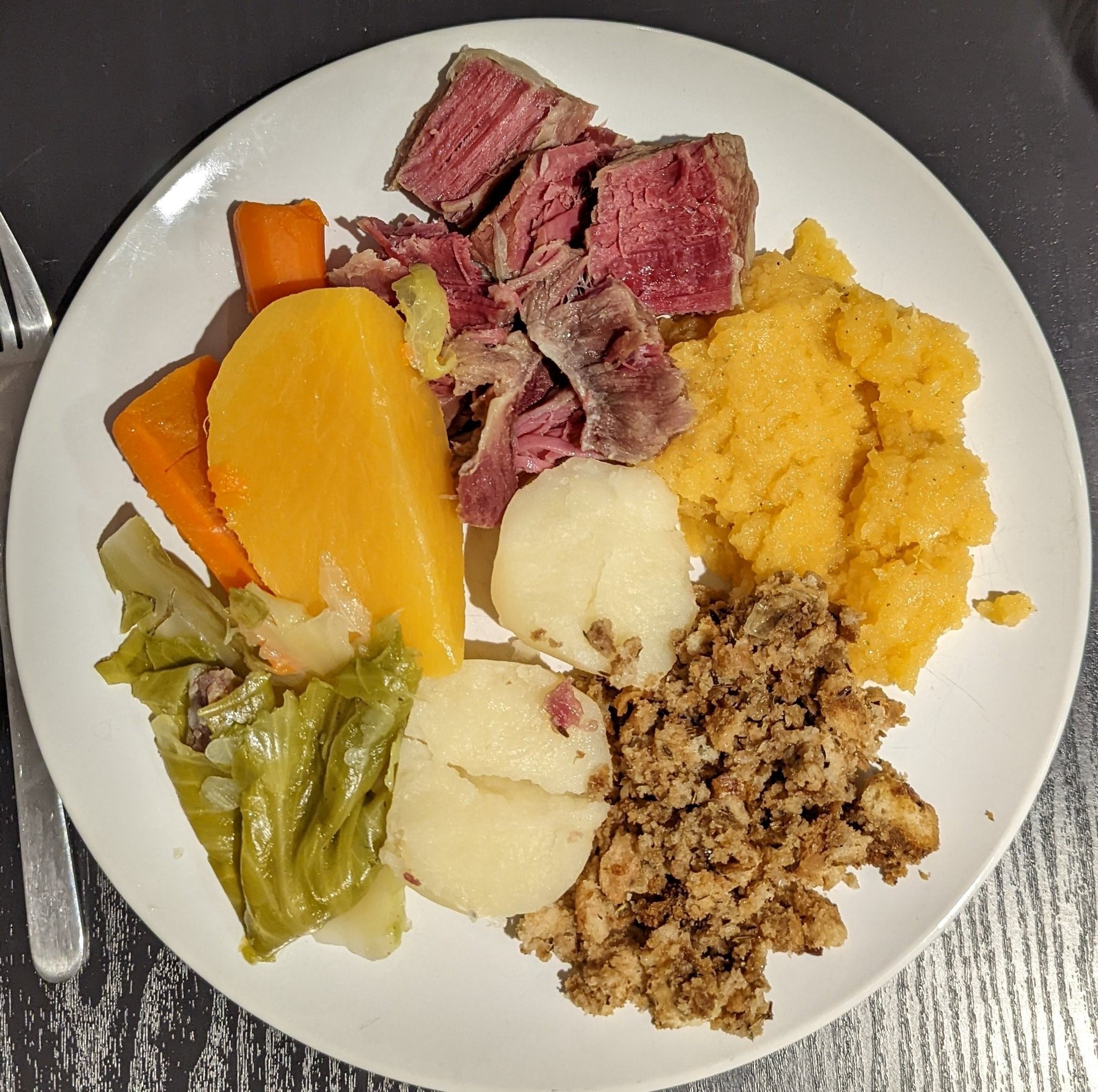
If one dish captures the old Sunday table in Newfoundland, it is Jiggs dinner. The meal usually centers on salt beef, boiled vegetables such as cabbage, carrot, turnip and potato, and split peas cooked into a pudding. In many homes, it was the kind of dinner that could fill every plate without requiring expensive ingredients.
Its roots reflect both Irish influence and local necessity. Salt beef kept well, which mattered in a place where preservation was once essential, and root vegetables stored through cold months. What looks plain on the plate carries a bigger story about thrift, storage, and the habit of making one pot feed a large household.
Fish and brewis
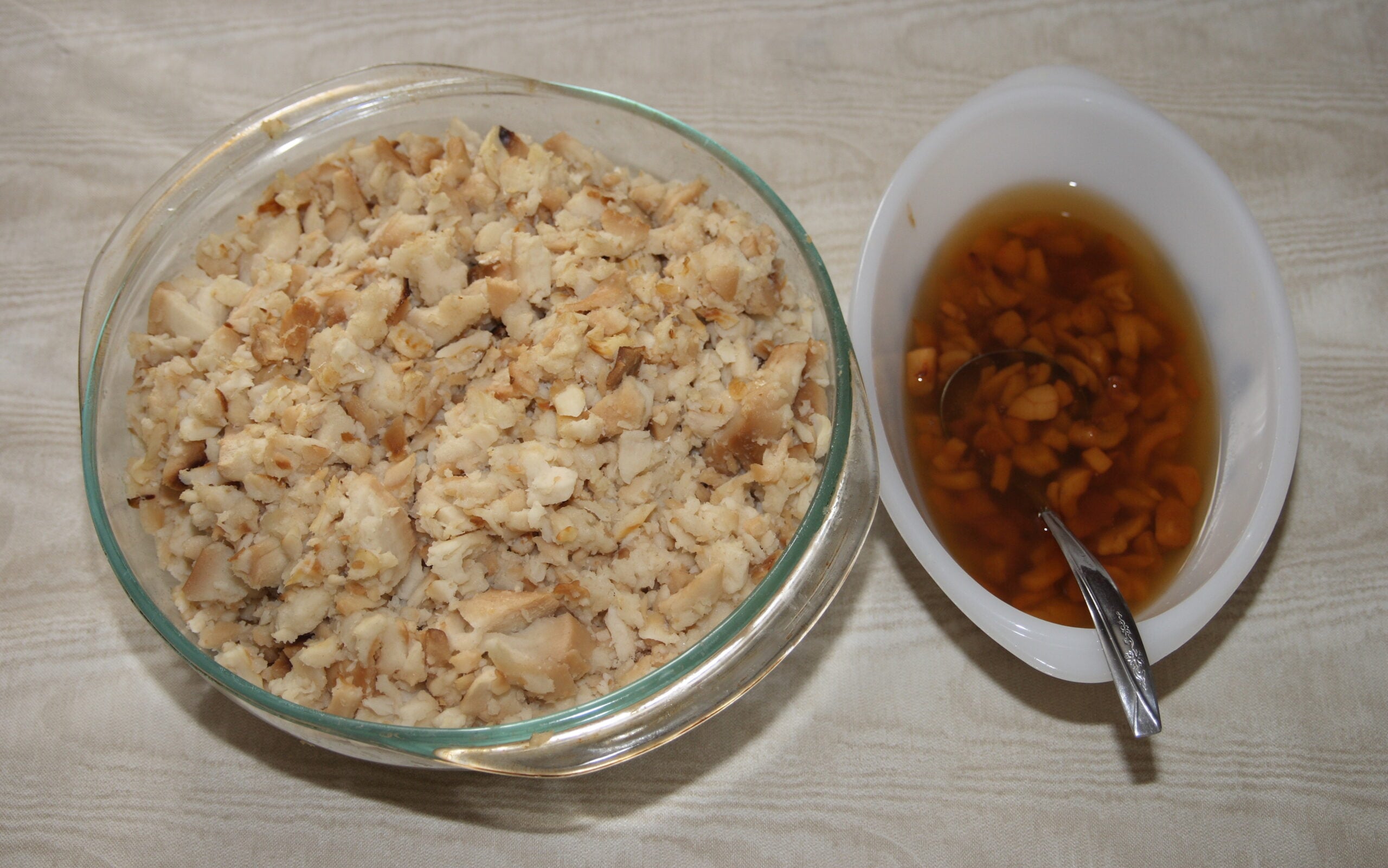
Few meals say Newfoundland more clearly than fish and brewis. The dish is made with hard bread, often soaked overnight, and salt cod that is softened and cooked before being served together. A topping called scrunchions, small pieces of salted pork fat rendered until crisp, adds the richness that the base ingredients do not have on their own.
This was food shaped by the saltfish trade and by pantry logic. Hard bread lasted, salt cod lasted, and together they formed a meal families could depend on. It was never designed to impress guests, but to turn preserved staples into something hearty, hot, and deeply familiar.
Pea soup and doughboys
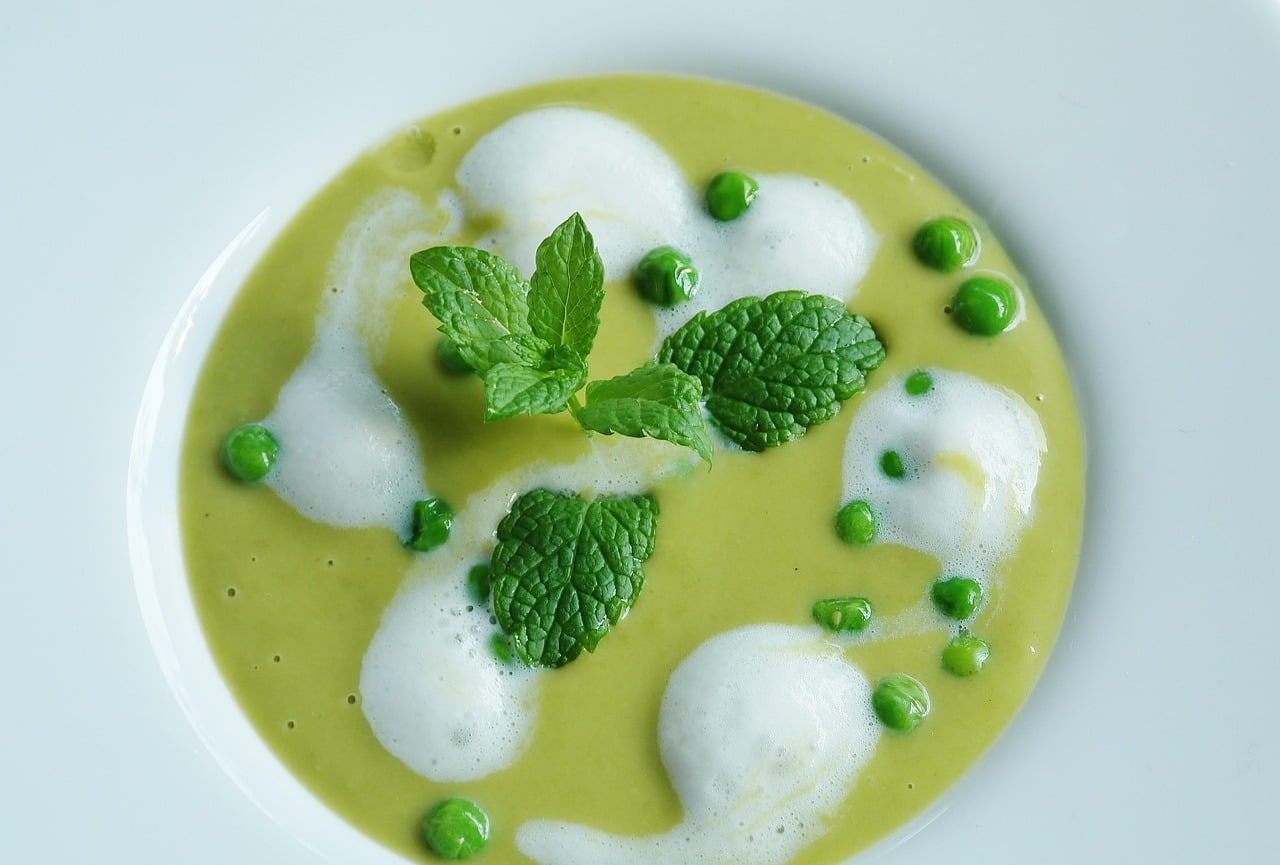
Pea soup and doughboys show how far a cook could stretch a pot with a few reliable staples. Split peas, water or broth, and bits of salt meat formed the base, while doughboys, simple dumplings dropped into the pot, made it more substantial. The result was thick, warm, and especially welcome in cold weather.
The meal mattered because it was economical and filling, not because it looked special. Split peas stored well and cooked into a hearty soup, while dumplings turned the same pot into a fuller supper. For many Newfoundland families, that combination of thrift and comfort is exactly why the dish lasted.



Leave a Reply