
Some of the most familiar foods of the 1960s would raise eyebrows in today's grocery aisle. What once looked convenient, festive, or wholesome is now, in many cases, banned outright or controlled by strict modern rules.
Bright red maraschino cherries

The maraschino cherry was a symbol of mid-century entertaining. It topped cocktails, desserts, gelatin salads, and party canapés, often with a color so vivid it barely looked natural. That signature look came from artificial coloring that consumers rarely questioned at the time.
One dye associated with that intense shade was Red Dye No. 3, also called erythrosine. Regulators later focused on evidence linking the additive to thyroid cancer in lab animals. According to the FDA, that concern eventually drove action against its use in certain food applications.
That does not mean all maraschino cherries disappeared overnight. It means the most controversial coloring methods became unacceptable under modern safety standards. A garnish that once represented cheerful sophistication now serves as a lesson in how cosmetic appeal can outlast scientific caution for far too long.
Early margarine made with trans fats
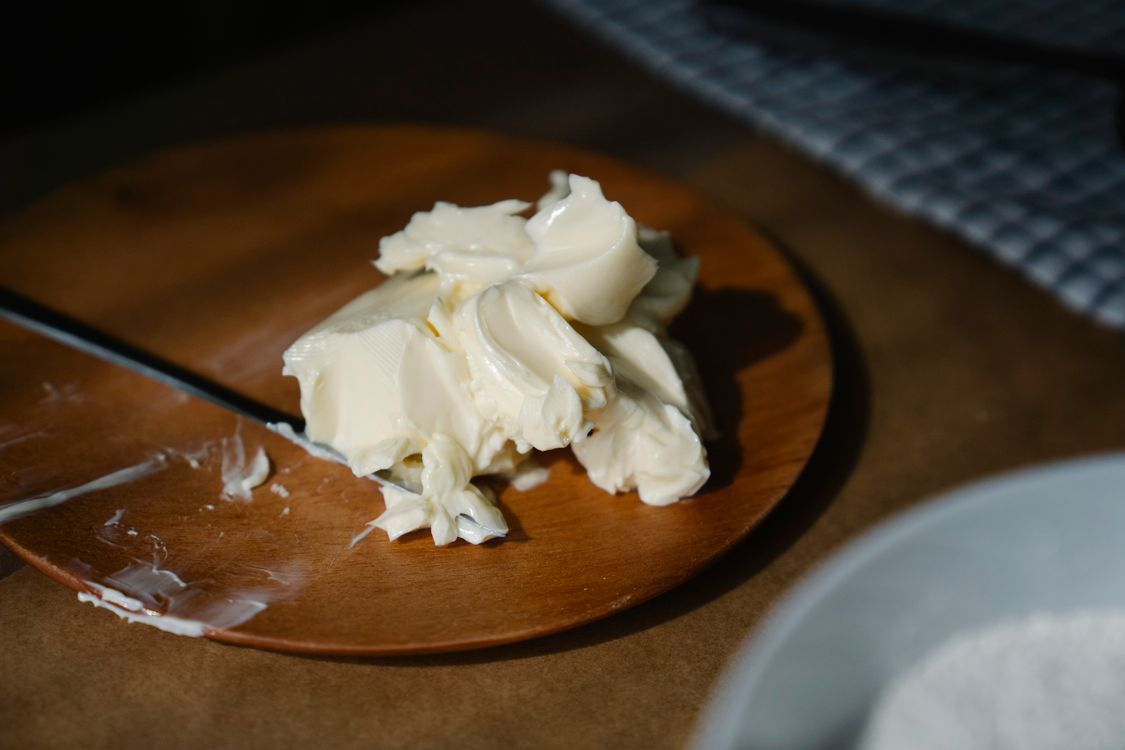
In the 1960s, margarine was sold as a smart, modern substitute for butter. It was inexpensive, spreadable, and often promoted as a heart-conscious option for families trying to follow new nutrition advice. For many households, it became a refrigerator staple.
The problem was the type of fat used in many early formulations. Partially hydrogenated oils created trans fats, which later became one of the most criticized ingredients in the modern diet. Decades of evidence showed that trans fats can raise LDL cholesterol, lower HDL cholesterol, and increase the risk of heart disease.
Regulators eventually moved hard against artificial trans fats. In the United States, the FDA determined that partially hydrogenated oils were no longer generally recognized as safe. Modern margarine still exists, but the version many 1960s families spread on toast was fundamentally different from what is sold today.
Candy cigarettes aimed at children

Candy cigarettes were not a dinner ingredient, but they were undeniably a staple of childhood treats in the period. Packaged to resemble real cigarette brands, they let children imitate adult smoking habits at a time when cigarettes were woven into everyday life and advertising.
The backlash came less from toxicity than from symbolism and public health messaging. Critics argued that products like these normalized smoking and introduced children to tobacco culture through play. As anti-smoking campaigns grew stronger, candy cigarettes came to look less like harmless novelty and more like marketing by imitation.
In many places, they were removed, renamed, or tightly controlled. Some became "candy sticks" with less realistic packaging. The shift shows how food regulation can be driven not only by chemistry but also by concern over behavior, especially when a product appears to train children into unhealthy adult habits.
Chlorinated chicken imports

For decades, chemical rinses were used in parts of the poultry industry to reduce surface contamination on chicken. To many producers, chlorine washing looked like a practical safety tool. To critics, it looked like a way to manage the symptoms of poor production standards rather than fix the source.
That distinction became central in Europe. The European Union banned imports of chlorinated chicken in 1997, not because chlorine itself was uniquely exotic or mysterious, but because regulators objected to the broader farming and hygiene practices behind its use. Animal welfare concerns also shaped the policy.
This is an important example of a food that may remain common in one market while being restricted in another. The debate is not just about one wash step. It is about whether end-of-line decontamination should compensate for lower standards earlier in the food chain.
Traditional haggis containing sheep lung
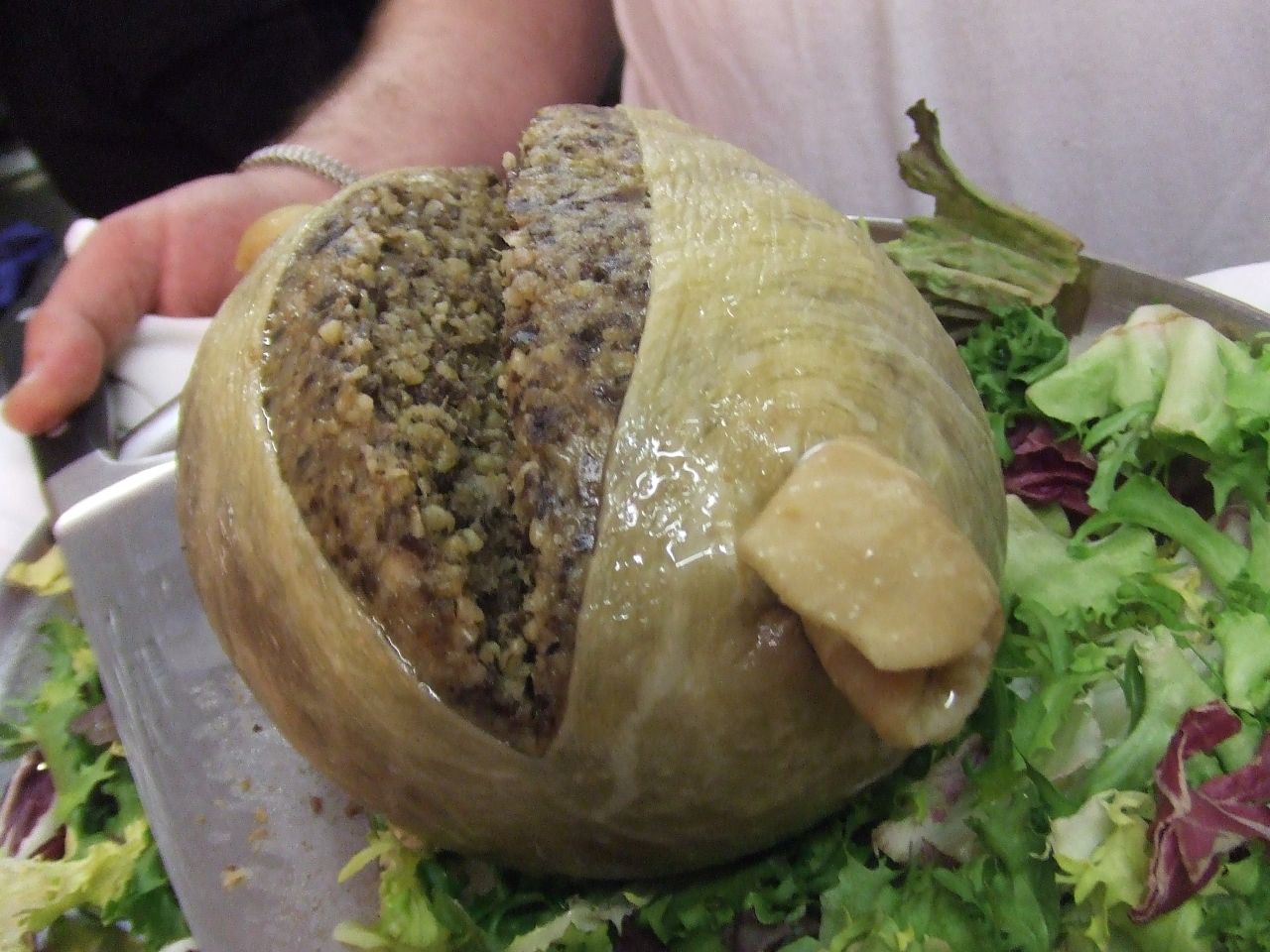
Haggis remains a treasured part of Scottish culinary culture, but traditional haggis presents a legal problem in the United States. The classic recipe uses sheep offal, including lung, which is not permitted in food products under long-standing American rules.
That means the ban is highly specific. Haggis itself is not universally condemned as dangerous in its country of origin, and it remains widely eaten in the UK. The issue is that one traditional ingredient does not comply with U.S. food safety regulations governing edible animal parts.
For consumers, this often comes as a surprise because the food's reputation is tied more to taste and tradition than to enforcement law. Yet it shows how a classic staple can become effectively banned in one country while remaining ordinary in another, purely because regulatory definitions differ.
Redfish after overfishing concerns
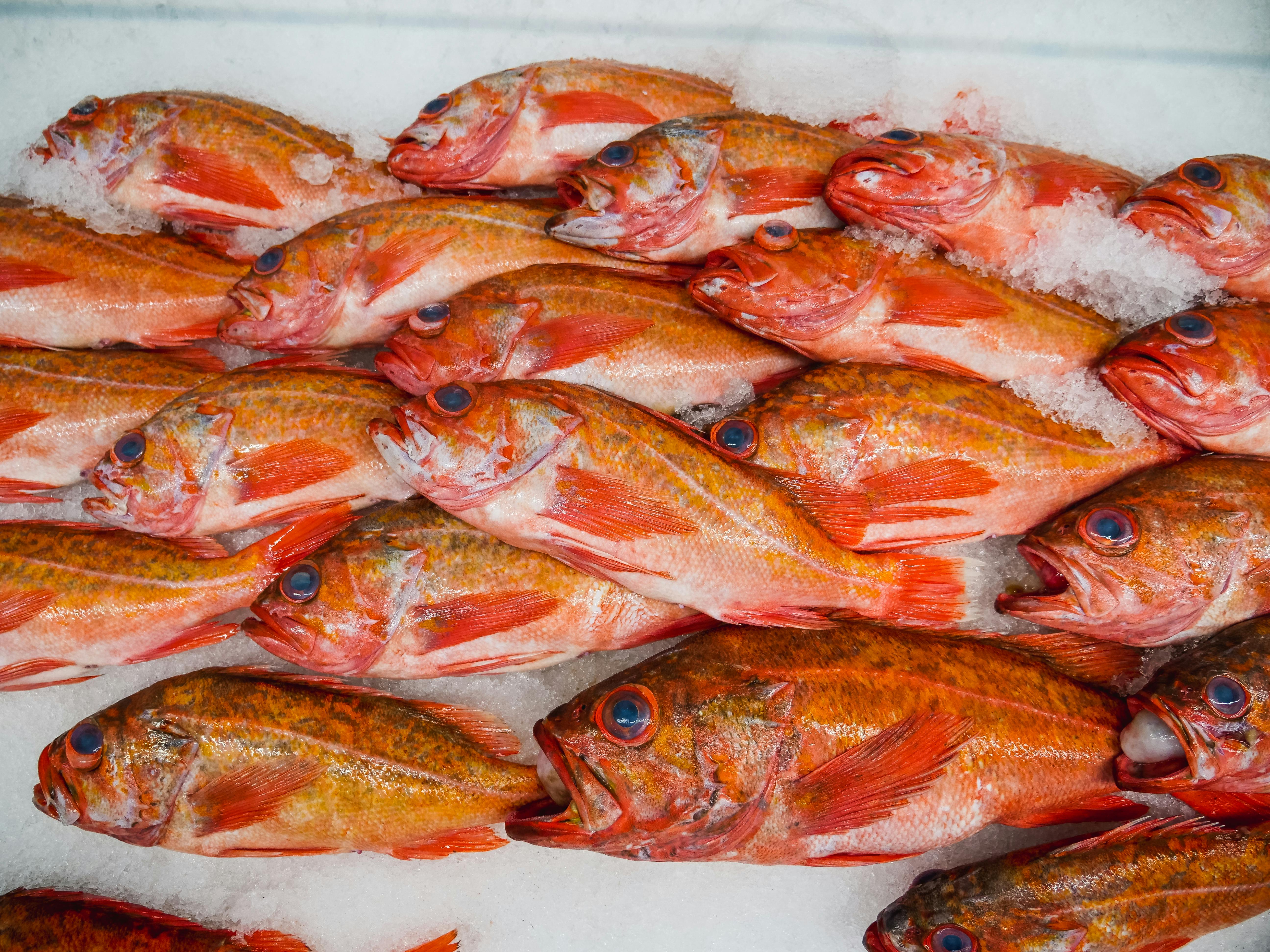
Not every restricted staple vanished because of additives or contamination. Redfish is a powerful reminder that environmental pressure can remove a beloved food from regular kitchens just as effectively as a safety scare can. In the 1980s, demand surged, especially after blackened redfish became famous.
The popularity was so intense that fish stocks were hit hard. U.S. authorities responded with strict limits and a ban on commercial harvesting in certain contexts to protect the species. What had been a celebrated menu item suddenly became a case study in how quickly overconsumption can destabilize a fishery.
This kind of restriction is different from a chemical ban, but it matters just as much. A food can become scarce or prohibited not because it is unsafe to eat, but because continued access would destroy the resource itself. Sustainability, in effect, became the new form of protection.
Foie gras and animal welfare laws
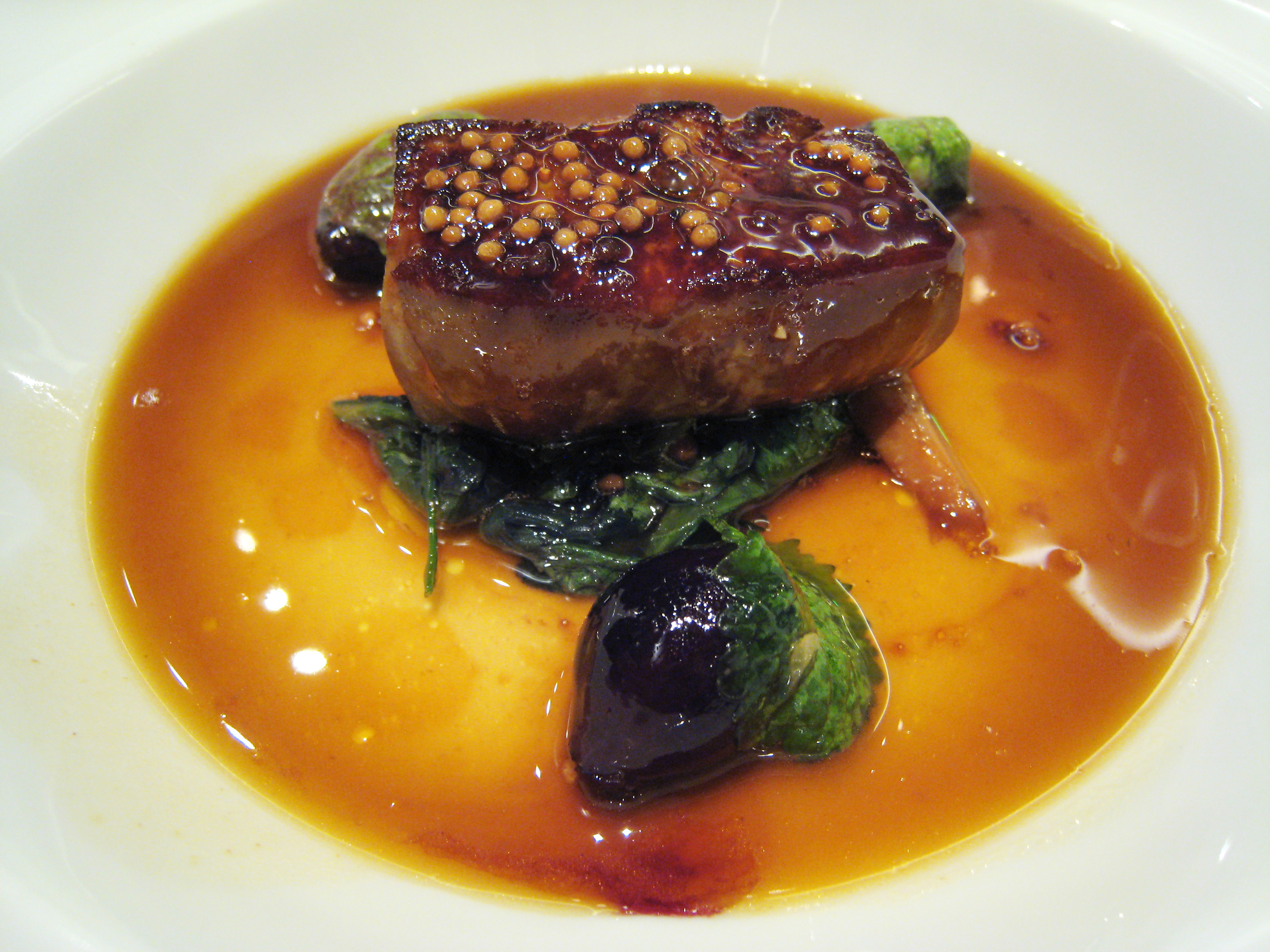
Foie gras has long been framed as a luxury product, but modern objections focus on how it is produced. Traditional foie gras involves force-feeding ducks or geese to enlarge their livers, a practice many animal welfare advocates and lawmakers consider cruel.
That has led to a patchwork of bans and restrictions. Production has been prohibited in some places, including the UK, where force-feeding for foie gras production has been banned under animal welfare law. In other regions, sale bans and legal battles have repeatedly resurfaced.
The controversy matters because it broadened the logic of food restriction. The concern here is not contamination, dyes, or packaging. It is ethics. A food once prized for refinement is now at the center of a much larger argument about whether culinary tradition can justify methods the public increasingly rejects.
Artificially dyed pickled eggs

Pickled eggs have deep roots as a practical preserved food, but the brightly dyed versions that stood out in jars were products of a more showy era. Artificial colors helped create striking reds, yellows, and neon tones that made them eye-catching in shops, pubs, and home spreads.
Some of those color additives later came under scrutiny for possible allergic reactions, behavioral concerns in children, or carcinogenic risks, depending on the dye involved. The broader lesson was that decorative coloring was often treated as harmless until toxicology and exposure science became far more sophisticated.
Today, intensely colored pickled eggs have not vanished entirely, but the rules around synthetic dyes are much tighter. Labels are clearer, approved additives are narrower, and certain older colorants are gone. What used to be sold for visual fun now faces the full force of modern ingredient review.
Formaldehyde in preserved instant foods

It sounds almost impossible now, but trace use of formaldehyde-related preservation methods was once associated with some food products in parts of the world, including certain shelf-stable instant foods. At the time, preserving texture and extending shelf life were seen as major technological wins.
Modern toxicology gives that idea a very different meaning. Formaldehyde is recognized as hazardous, and food systems now treat its presence as unacceptable except where it may occur naturally at very low levels in some foods. Intentional use as a preservative is strictly prohibited.
This issue illustrates how the convenience revolution sometimes ran ahead of common sense. The very foods marketed as easy solutions for busy households could hide the most troubling industrial compromises. Today, instant noodles and similar products remain popular, but the preservation chemistry behind them is far more tightly controlled.
Asbestos-filtered alcoholic drinks

Asbestos is now so strongly associated with disease that many people are startled to learn it once had food-related industrial uses. Yet in earlier decades, asbestos could be used as a filtration aid in some beverage production processes, including alcohol manufacturing.
The risk came from inhalation exposure and possible contamination concerns tied to handling and processing. As the medical evidence around asbestos-linked cancers became overwhelming, industries that once considered it practical moved away from it. By the 1980s, its use in these settings was being phased out.
This is one of the starkest examples of old manufacturing logic colliding with modern health knowledge. Consumers ordering beer or other drinks in past decades rarely imagined the filtration system behind the product. Today, asbestos in any food or beverage context is unthinkable, and rightly so.
Beef on the bone during the BSE crisis
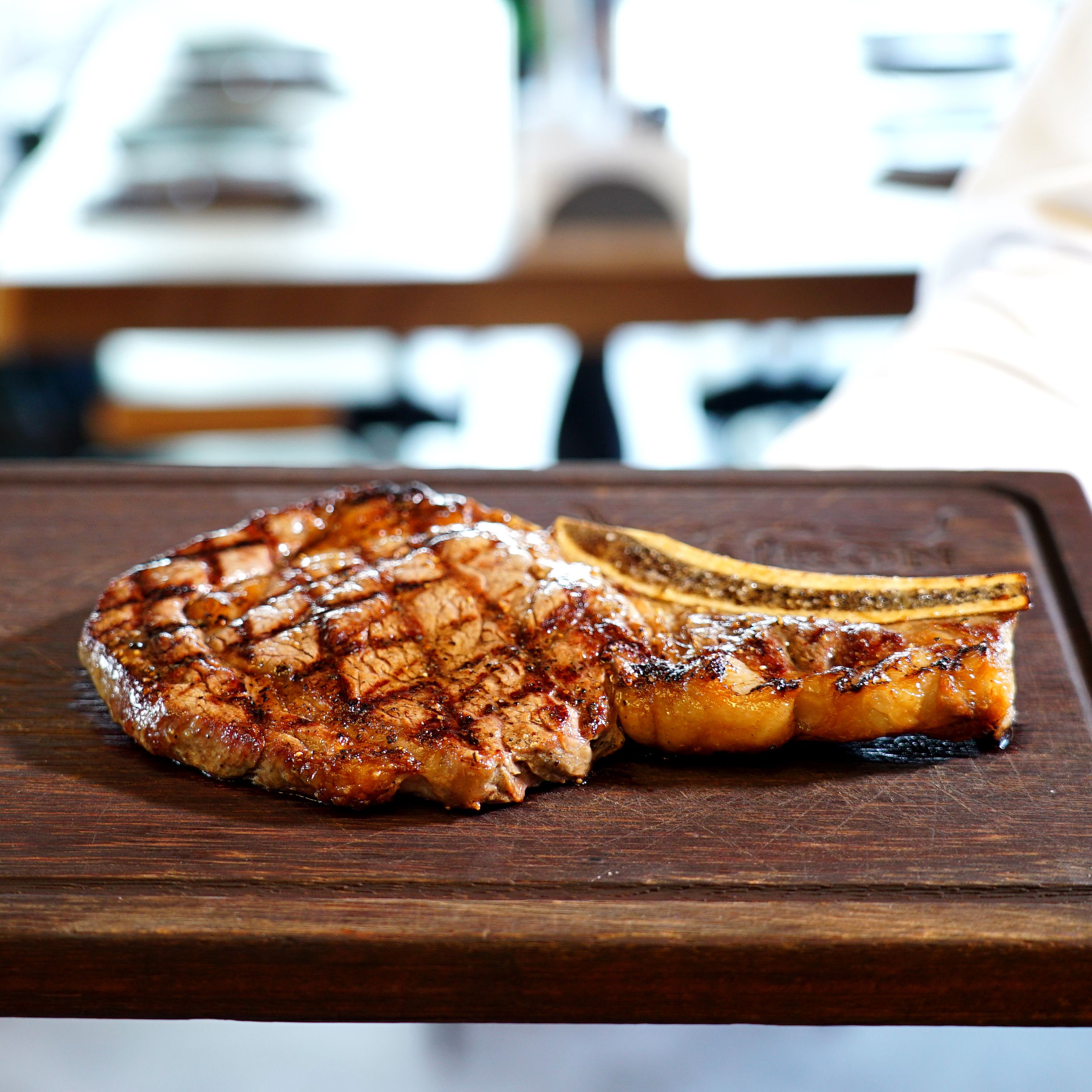
Beef on the bone was once central to the image of the family roast. In Britain especially, carving meat straight from the bone carried a sense of tradition and comfort. That changed dramatically during the BSE crisis, commonly known as mad cow disease.
In 1997, the UK government temporarily banned the sale of beef on the bone because of fears about variant Creutzfeldt-Jakob disease and the possibility that infectious material could remain in nervous tissue close to the bone. The measure was controversial, but it reflected a period of intense public alarm.
The restriction was later lifted, yet the episode remains important. It showed how a food deeply tied to routine family life could be reclassified almost overnight as a possible hazard. Trust in regulators, farmers, and the food chain itself was tested in full view of the public.
Dyed butter colored with risky pigments

Butter color has long influenced how consumers judge quality. In earlier decades, especially when natural seasonal variation made butter paler, manufacturers sometimes turned to added coloring to keep it looking rich and golden. That visual consistency had strong selling power.
The issue was not all coloring in general, but the kinds of pigments once used. Some older dyes, including substances derived from coal tar chemistry, later raised serious health concerns involving toxicity and possible carcinogenicity. As food laws tightened, these colorants were phased out or prohibited.
Modern butter may still be adjusted for appearance, but under stricter rules and with more carefully evaluated additives. The old approach reflected a broader 1960s habit of treating cosmetic enhancement as harmless. In reality, making food look better often meant introducing compounds that would never survive present-day review.
Artificially sweetened canned fruit
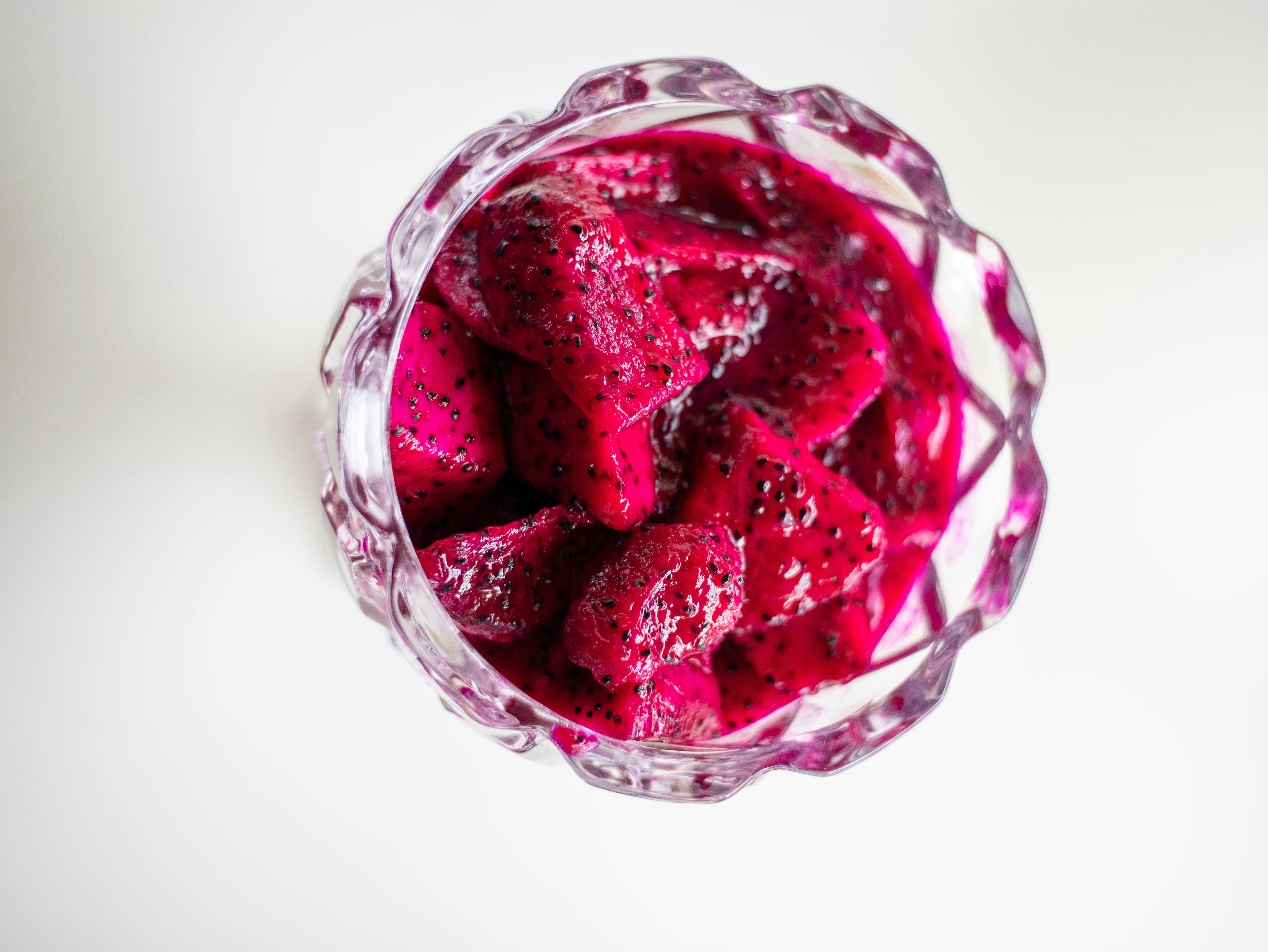
Diet culture did not begin in the 1980s. By the 1960s, many consumers were already being sold the promise of sweetness without guilt, and canned fruit packed in artificially sweetened syrup fit neatly into that market. It looked practical, modern, and waistline-friendly.
What changed was the evidence base. Early artificial sweeteners were repeatedly reexamined as scientists tested links to cancer risk, metabolic effects, and broader consumption concerns. Some sweeteners were restricted, reformulated, or removed, while others remained legal but under defined usage limits and labeling requirements.
That means artificially sweetened canned fruit did not disappear in a single wave. Instead, it evolved as specific additives fell in and out of favor. The bigger lesson is that "diet" branding often outran the science, leaving shoppers to discover years later that low-calorie did not automatically mean low-risk.
Raw milk cheese under tighter control
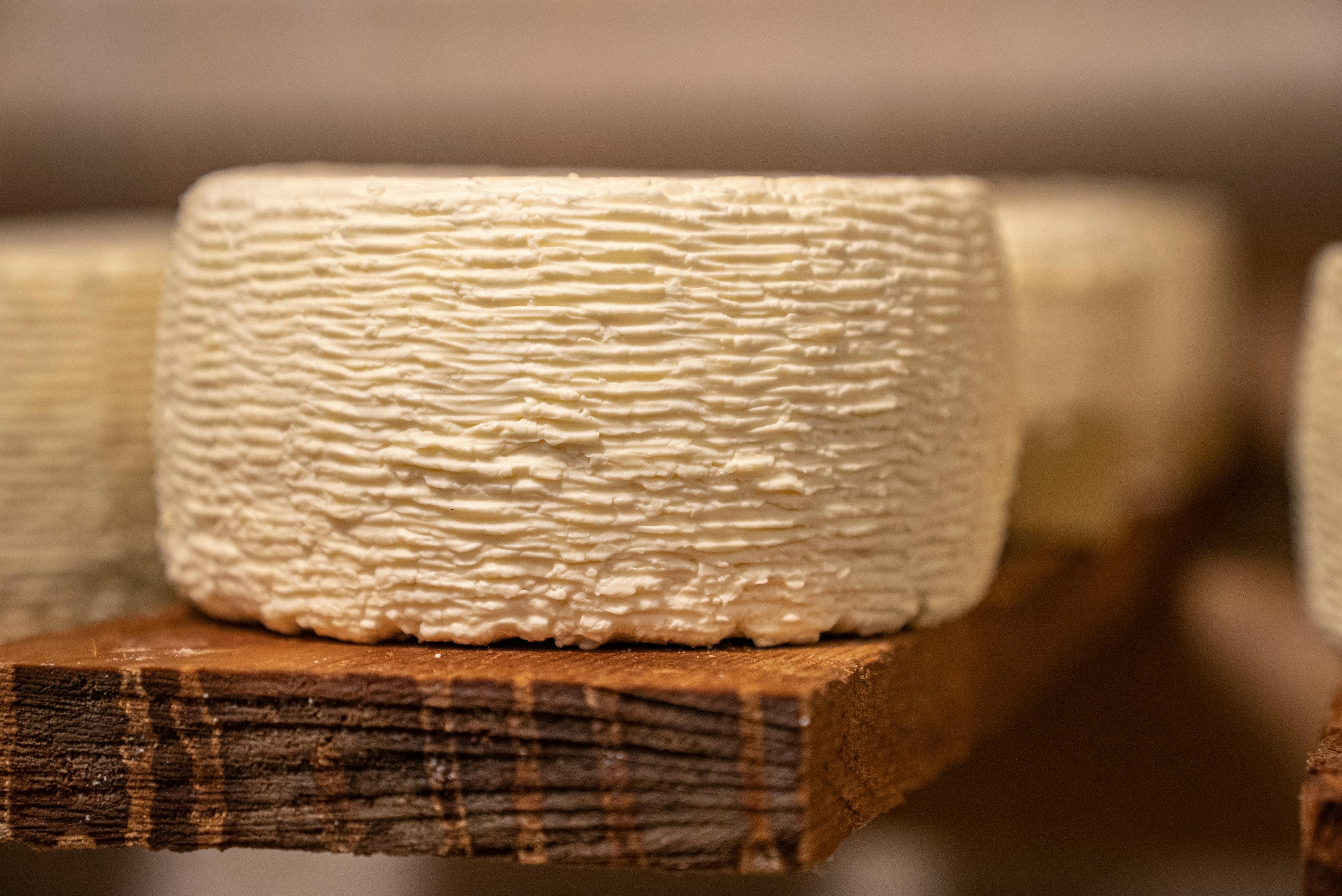
Cheese made from raw, unpasteurized milk has always had defenders who praise its flavor and tradition. In earlier decades, it circulated with fewer constraints than today. But modern food safety systems treat raw milk products with far more caution because of the pathogens they can carry.
E. coli, Listeria, Salmonella, and Campylobacter all helped reshape the regulatory landscape. In many countries, raw milk cheese is still legal only under specific aging, production, and hygiene rules, while some products face import barriers or stricter local oversight than pasteurized equivalents.
This is not a total ban in every market, but it is certainly a world away from casual mid-century handling. Consumers today encounter warning labels, controlled production standards, and clearer distinctions between artisanal value and microbiological risk. The romance of raw milk now sits alongside a very hard scientific reality.
Unregulated shellfish from weak cold chains

Shellfish were once sold and served with much less consistent temperature control than today. In the 1960s, the average consumer knew far less about algal toxins, bacterial contamination, and the importance of strict cold-chain management for oysters, prawns, mussels, and clams.
Modern restrictions target every stage of that chain. Harvest waters are monitored, lots may be closed after contamination events, refrigeration rules are tighter, and traceability systems are stronger. These measures exist because shellfish can concentrate dangerous organisms and toxins while still appearing perfectly normal.
Unlike some outdated foods, shellfish themselves were not banished from the table. What changed was the tolerance for casual handling. A platter that once looked fresh enough by sight and smell alone is now subject to microbiological standards that would have seemed excessive decades ago but are plainly necessary.
Brominated vegetable oil in citrus drinks

Cloudy citrus drinks were a hallmark of postwar food technology, and brominated vegetable oil, or BVO, played a functional role by helping flavoring oils stay suspended instead of separating. For years, that made it a quiet but common ingredient in soft drinks.
Over time, safety concerns grew around bromine accumulation in the body and its possible connection to neurological, skin, and other health problems. Different countries moved at different speeds. The UK moved away from BVO early, while in the United States the FDA finalized a ban much later, in 2024.
Its long regulatory journey captures a recurring theme in food history. Additives often remain in circulation not because they are proven ideal, but because it takes years of scientific review, political pressure, and industry adjustment to finally remove them from products people once drank without a second thought.




Leave a Reply