
Spinach gets most of the attention, but it is not the iron champion many people assume. If you want to raise your iron intake through food, these 12 options deserve a place on your shopping list.
Lentils
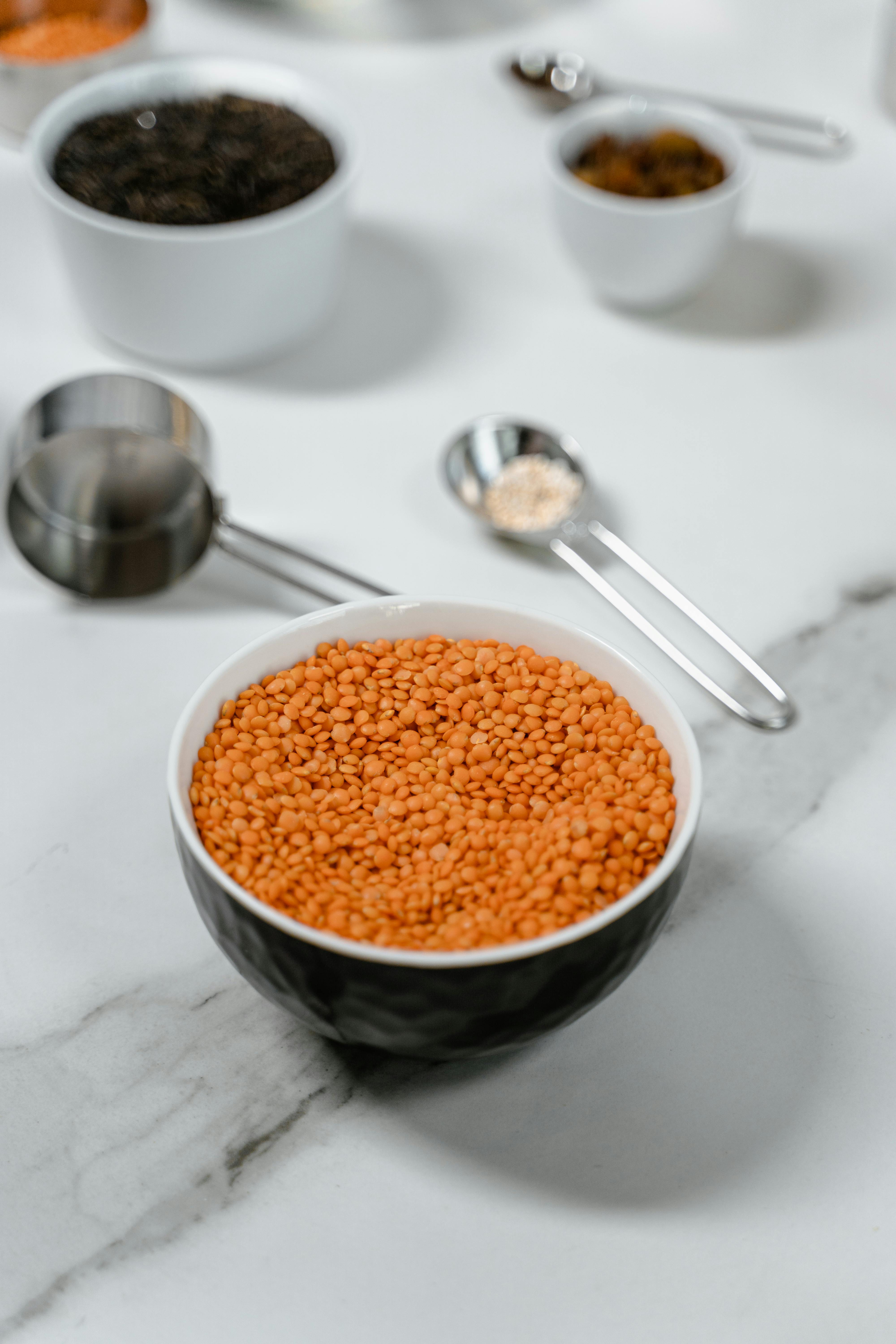
Few pantry staples work harder than lentils. They are inexpensive, easy to cook, and naturally rich in iron, with cooked lentils typically providing more iron per serving than the same amount of spinach. They also deliver plant protein, fiber, and folate, which makes them especially useful in everyday meals.
What makes lentils practical is how often they fit into real life. They can become soup, curry, salad, or a simple side dish in under an hour, and red lentils cook even faster. For people trying to improve iron intake without relying on meat, lentils are often one of the first foods dietitians recommend.
There is one important detail with plant-based iron. Lentils contain non-heme iron, which the body does not absorb as efficiently as the heme iron found in animal foods. Pairing them with vitamin C-rich ingredients such as tomatoes, lemon juice, or bell peppers can improve absorption and make the meal work harder nutritionally.
Pumpkin seeds

Pumpkin seeds are tiny, but their iron content is impressive. Ounce for ounce, they can outpace spinach while also supplying magnesium, zinc, and healthy fats. That mix gives them value beyond iron alone, especially for people looking for nutrient-dense snacks rather than another leafy green at dinner.
Their biggest advantage is convenience. Unlike vegetables that need washing, trimming, and cooking, pumpkin seeds are ready to eat. A small handful can be added to yogurt, oatmeal, grain bowls, or trail mix, which makes consistent intake far more realistic for busy households.
Seeds also illustrate an important nutrition principle. Iron-rich foods do not have to come in large portions to matter. Small additions throughout the day can raise total intake in a meaningful way, particularly when paired with fruit like strawberries or orange slices that support better iron absorption.
Oysters
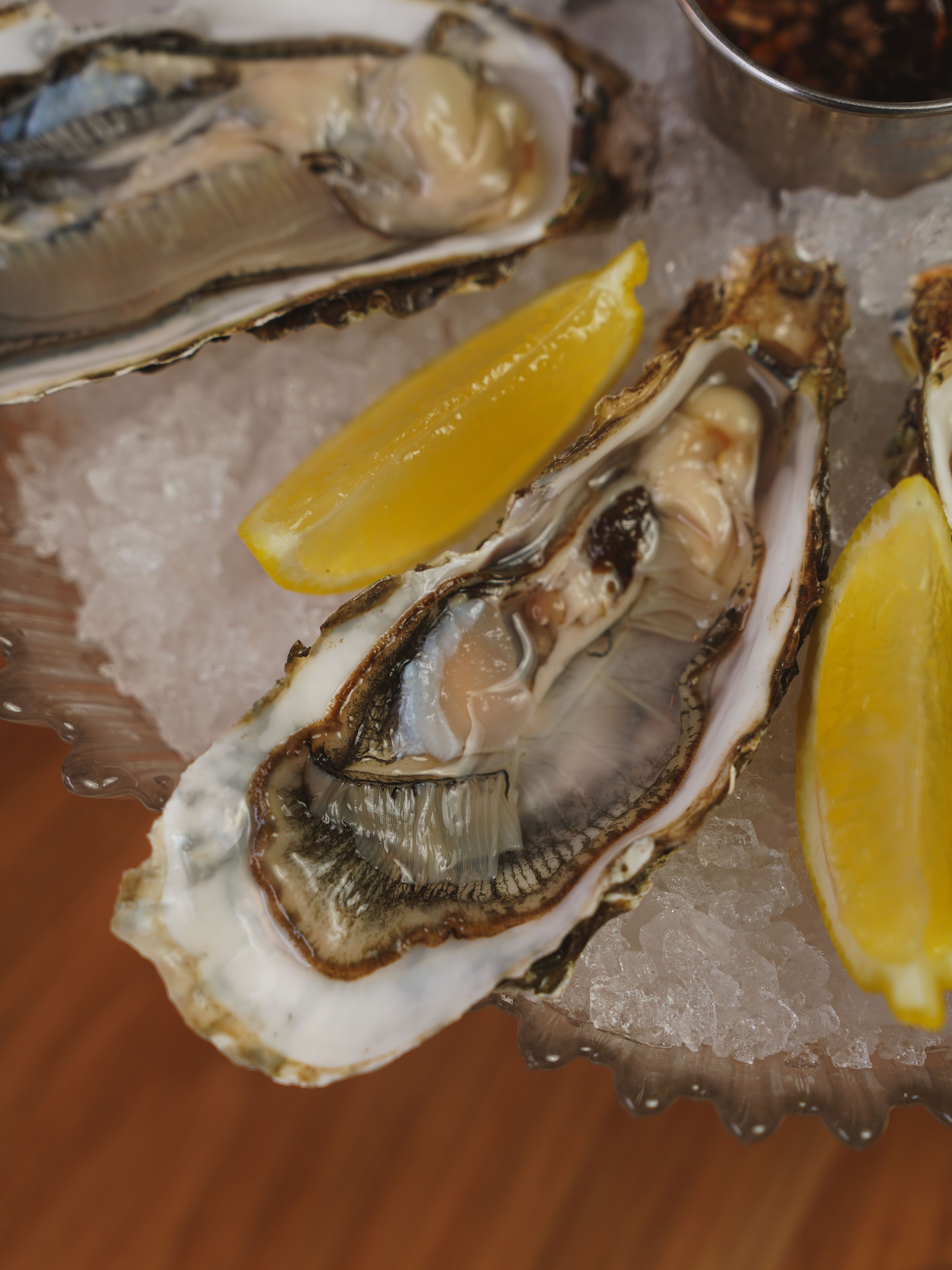
When people think about iron, seafood is often overlooked. Oysters are one of the strongest examples of why that is a mistake, because they can provide substantially more iron than spinach in a modest serving. They also contain vitamin B12, zinc, and high-quality protein, making them one of the most nutrient-packed shellfish options available.
Another reason oysters stand out is the form of iron they provide. As an animal food, they contain heme iron, which is typically absorbed more efficiently than plant-based iron. That makes oysters especially relevant for people with higher iron needs, including some women of childbearing age, athletes, and those recovering from low iron levels.
Preparation matters, of course. Fresh oysters are not an everyday staple in every kitchen, but canned or cooked oysters can still offer a practical option. In chowders, pasta dishes, or seafood stews, they bring both mineral density and a depth of flavor that spinach alone cannot match.
White beans
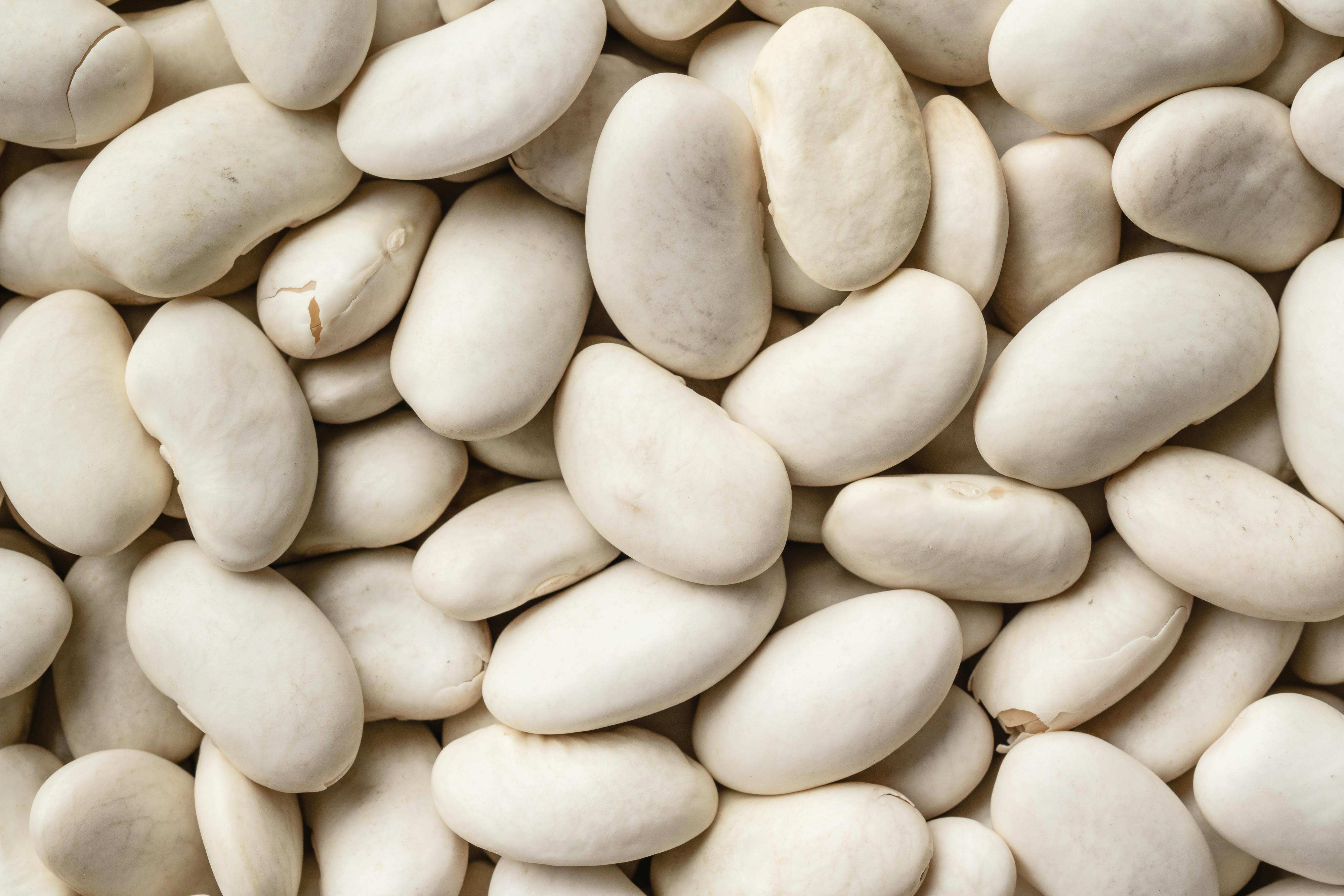
White beans are quiet overachievers. They do not receive the same praise as trendy superfoods, yet they provide more iron than spinach in a generous cooked serving while also delivering fiber and slow-digesting carbohydrates. That combination helps support fullness, digestive health, and steady energy across the day.
They are also remarkably adaptable. White beans can be folded into soups, mashed into spreads, tossed into salads, or simmered with herbs and olive oil for a simple side. Their mild flavor makes them useful for people who want better nutrition without dramatically changing the way they already eat.
Like other legumes, white beans contain non-heme iron. That means a little planning goes a long way. Serving them with tomato-based sauces, citrus dressings, or even a side of roasted peppers can improve absorption, turning a humble bean dish into a more effective iron-supporting meal.
Tofu
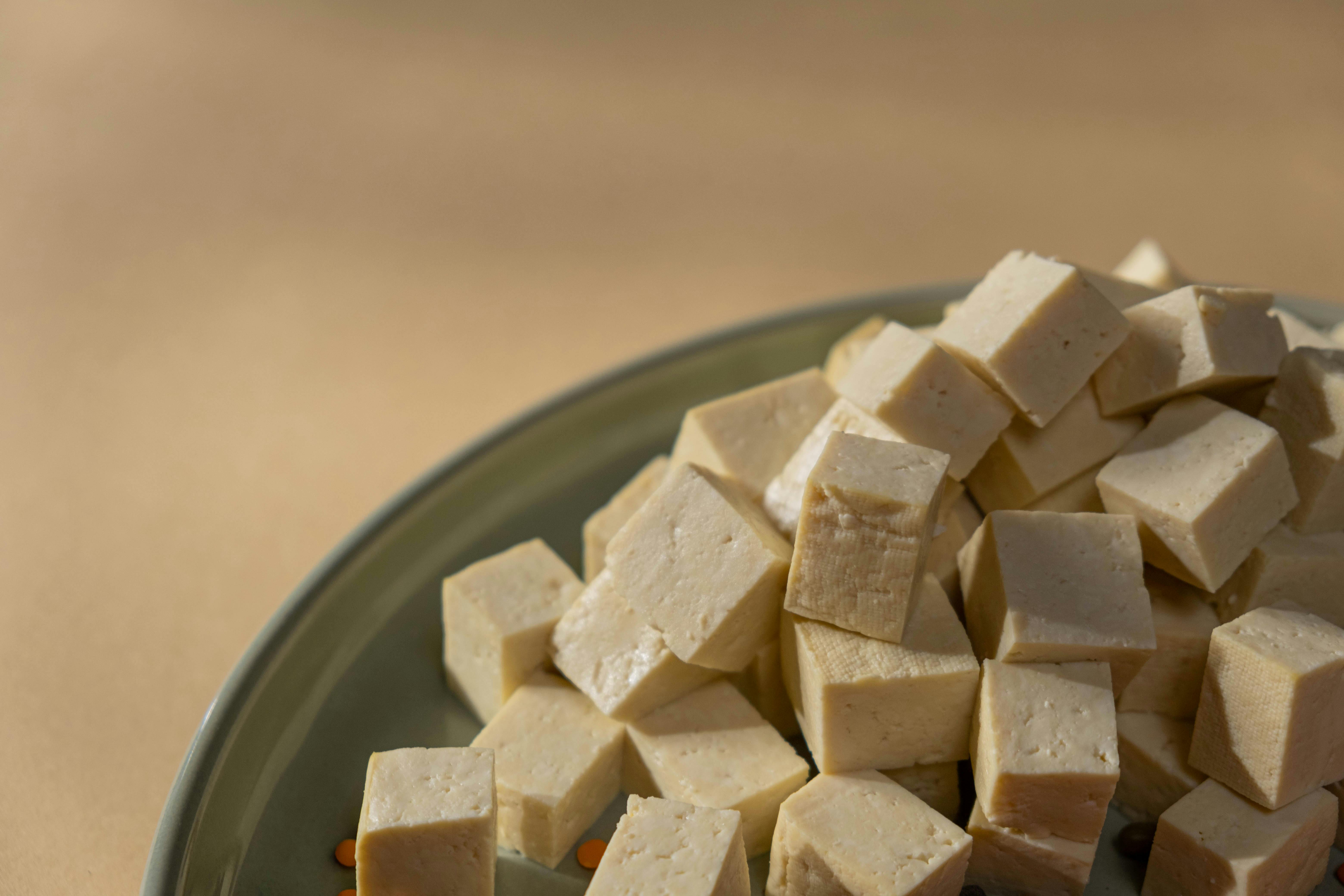
Tofu often gets labeled as a meat substitute, but that description sells it short. Firm tofu can provide more iron than spinach in a serving, while also offering complete protein, calcium in many varieties, and a texture that adapts to almost any cuisine. It is one of the most useful foods for people who want a plant-forward diet without sacrificing nutritional value.
Its real strength is versatility. Tofu can be grilled, baked, stir-fried, scrambled, or blended into sauces, so it fits breakfast, lunch, or dinner with ease. Because it takes on the flavor of marinades and seasonings so well, it appeals even to people who were initially skeptical about soy foods.
There is also a broader nutritional lesson here. Iron intake improves when healthy foods become regular habits, not rare projects. Tofu succeeds because it is easy to use repeatedly. Add it to a stir-fry with broccoli and red peppers, and you get an iron-rich meal supported by vitamin C at the same time.
Beef liver

Few foods can rival beef liver for sheer nutrient density. Gram for gram, it contains far more iron than spinach and provides that iron in the highly absorbable heme form. It is also loaded with vitamin A, vitamin B12, folate, and copper, which explains why it has long been valued in traditional diets.
Its reputation is mixed mostly because of taste. Liver has a strong, distinctive flavor that many people either love or avoid, but preparation can make a major difference. Thin slices cooked with onions, blended into meat mixtures, or incorporated into pâté are common ways to make it more approachable.
From a health perspective, beef liver is powerful but should be eaten thoughtfully. Because it is very high in vitamin A, extremely frequent large servings are not necessary. In moderate portions, though, it remains one of the most efficient whole-food ways to boost iron intake without relying on supplements alone.
Sardines

Sardines prove that canned foods can still be nutritional standouts. These small oily fish provide more iron than spinach in a practical serving and also bring omega-3 fats, calcium when the bones are eaten, and vitamin D. That combination supports not just blood health but also bones, heart function, and inflammation balance.
One reason sardines are so useful is shelf stability. Fresh iron-rich foods are great, but they are not always available when dinner needs to happen quickly. Sardines can be kept in the pantry and added to toast, pasta, salads, or grain bowls, making them a dependable backup with serious nutritional value.
They also offer good value for money. Compared with many fresh seafood options, sardines are often affordable and widely available. For households trying to eat more nutrient-dense meals on a budget, they are a realistic option that delivers far more than their modest price and size suggest.
Chickpeas

Chickpeas bring more to the table than hummus. A solid serving can provide more iron than spinach, along with fiber, plant protein, and important minerals that support overall metabolic health. Their appeal lies in how easy they are to include in meals without special cooking skills or expensive ingredients.
In practical terms, chickpeas work across many eating styles. They can be roasted for a crunchy snack, simmered in stews, mashed into spreads, or tossed straight from the can into salads. That flexibility matters because dietary improvements tend to last only when foods are simple enough to use regularly.
There is also a smart pairing strategy here. Chickpeas combine well with iron-supportive ingredients such as lemon, parsley, tomatoes, and red peppers. In Mediterranean and Middle Eastern cooking, those combinations appear naturally, which is one reason these cuisines often succeed at building balanced, nutrient-rich meals from basic staples.
Dark chocolate

Dark chocolate is the food on this list that surprises people most. Depending on the cocoa content, it can contain more iron than spinach in a relatively small amount. It also supplies copper, magnesium, and antioxidant compounds called flavanols, which have been studied for their role in vascular and metabolic health.
That said, context matters. Dark chocolate is not a free-pass health food, because it can also contain significant calories, added sugar, and fat. The more useful takeaway is that a small portion of high-cocoa chocolate can contribute to iron intake while fitting into a balanced diet, not that it should replace core nutrient sources.
Quality makes a difference here. Bars with higher cocoa percentages tend to offer more minerals than sweeter milk chocolate products. If someone enjoys chocolate already, choosing a darker variety can be a simple upgrade that adds a bit more nutritional value along with the richer flavor.
Quinoa
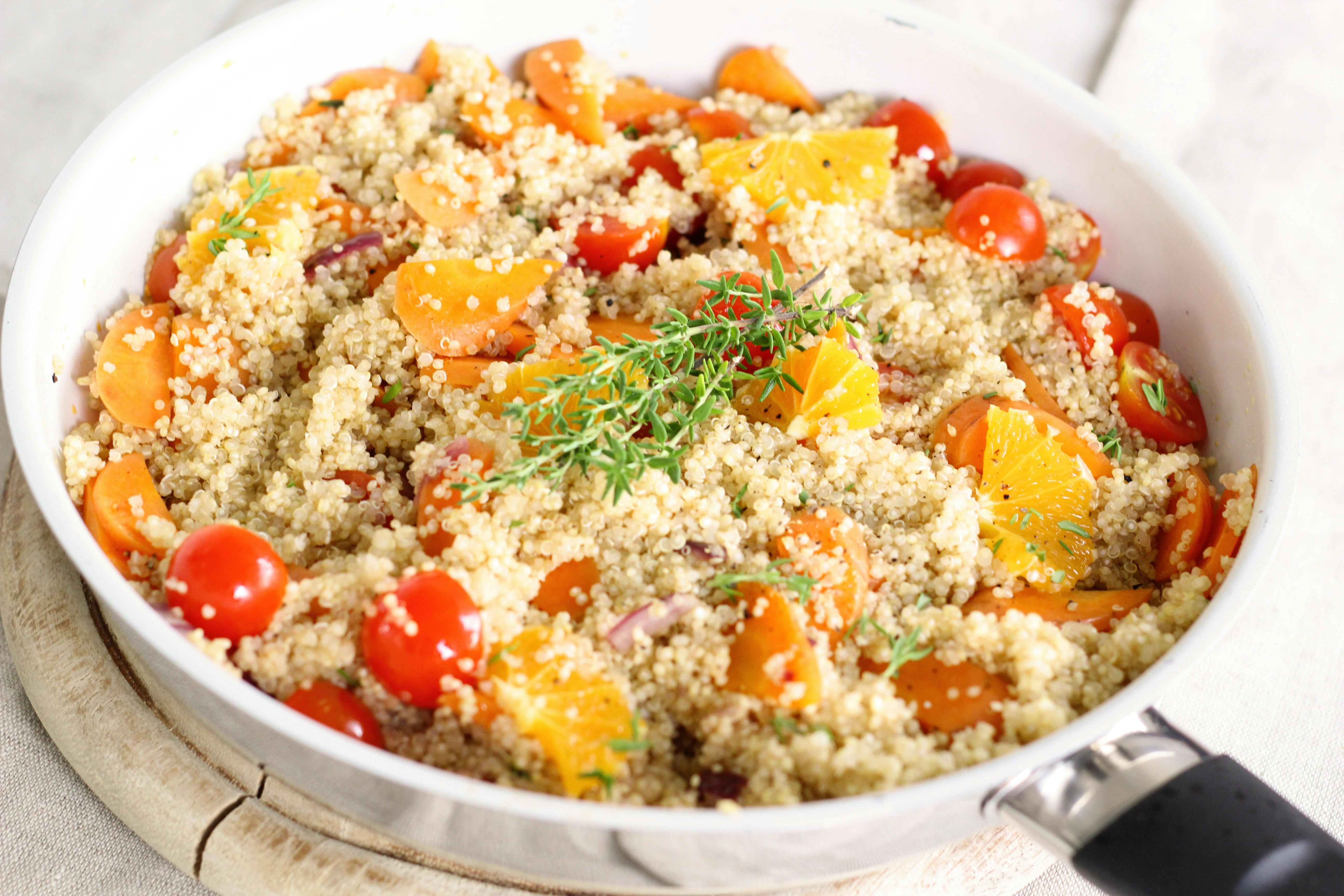
Quinoa is often praised for its protein, but its iron content deserves equal attention. Cooked quinoa can provide more iron than spinach while also delivering fiber, magnesium, and all nine essential amino acids. That nutrient profile makes it especially valuable for people looking for plant-based staples that do more than fill space on the plate.
Unlike some whole grains, quinoa cooks fairly quickly and has a mild, slightly nutty flavor. It can replace rice in many meals, serve as a breakfast porridge, or become the base of a grain bowl with beans, vegetables, and a citrus dressing. That ease of use helps it move from health-food reputation to everyday practicality.
There is another benefit worth noting. Quinoa fits well with other iron-rich foods rather than competing with them. Pair it with lentils, tofu, or chickpeas and you build a meal that layers nutrients intelligently. Add vitamin C-rich produce, and the overall iron value of the dish improves even more.
Clams

Clams are one of the most iron-dense foods commonly eaten. Serving for serving, they can provide dramatically more iron than spinach, and because that iron is heme iron, the body generally absorbs it more efficiently. They also supply vitamin B12, protein, and trace minerals that support nerve and blood health.
What makes clams especially interesting is how little food is needed to make an impact. Even a modest portion in a pasta dish, chowder, or seafood stew can contribute a substantial amount of iron. For people who eat seafood, that means clams can be one of the fastest dietary ways to strengthen iron intake.
Safety and preparation are important considerations. Clams should come from reliable sources and be cooked properly. When handled well, they offer not just strong nutrition but also impressive culinary range, from simple steamed dishes to brothy soups that are both satisfying and notably richer in iron than a bowl of spinach.
Fortified breakfast cereals

Not all iron-rich foods are naturally high in iron. Fortified breakfast cereals often contain more iron than spinach because manufacturers add the mineral during processing. That makes them one of the most direct and measurable options for people who want to increase intake, especially children, teens, and adults with busy morning routines.
The catch is that cereal quality varies widely. Some products offer useful iron levels but also come with large amounts of added sugar and very little fiber. Reading labels matters. A better choice is one that combines iron fortification with whole grains and moderate sweetness, rather than relying on a health halo from the front of the box.
Used wisely, fortified cereal can be genuinely helpful. Eating it with strawberries, kiwi, or a small glass of orange juice can improve non-heme iron absorption. It may not sound as wholesome as beans or seafood, but in real-world nutrition, accessible options often make the biggest difference in what people consistently eat.


Leave a Reply