
The wedding cake still has prestige. But at many modern receptions, it is no longer the dessert guests remember most.
Why the classic wedding cake is losing ground
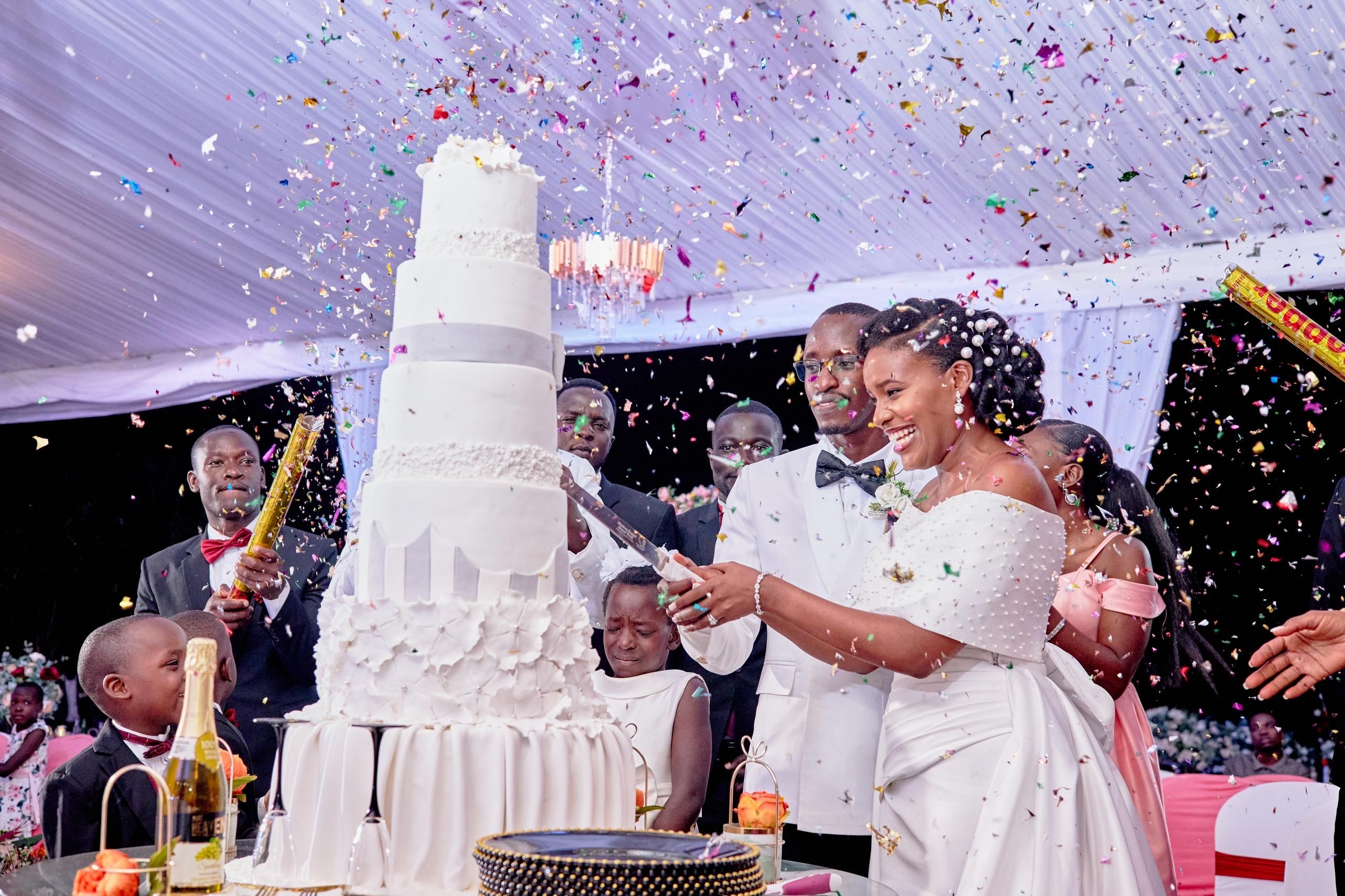
Tradition once made the tiered wedding cake almost nonnegotiable, especially in Western weddings where it symbolized prosperity, hospitality, and celebration. Today, couples are less interested in following a fixed script and more focused on creating an event that feels personal. That change has opened the door to desserts that better reflect family heritage, favorite flavors, and the tone of the reception.
Cost is another major factor behind the shift. Custom wedding cakes can be expensive because pricing includes design labor, structural support, delivery, and setup. Many bakers note that highly decorated cakes often cost far more per serving than simpler desserts, which makes alternatives appealing for couples trying to balance a growing list of wedding expenses without sacrificing quality.
Guest behavior also plays a role. Plated cake service can be slow, and large slices often go unfinished, especially after a full dinner. Event planners increasingly report that guests gravitate toward smaller, handheld treats they can enjoy while mingling, dancing, or returning to their tables. In practical terms, dessert variety often outperforms formality.
The desserts couples are choosing instead
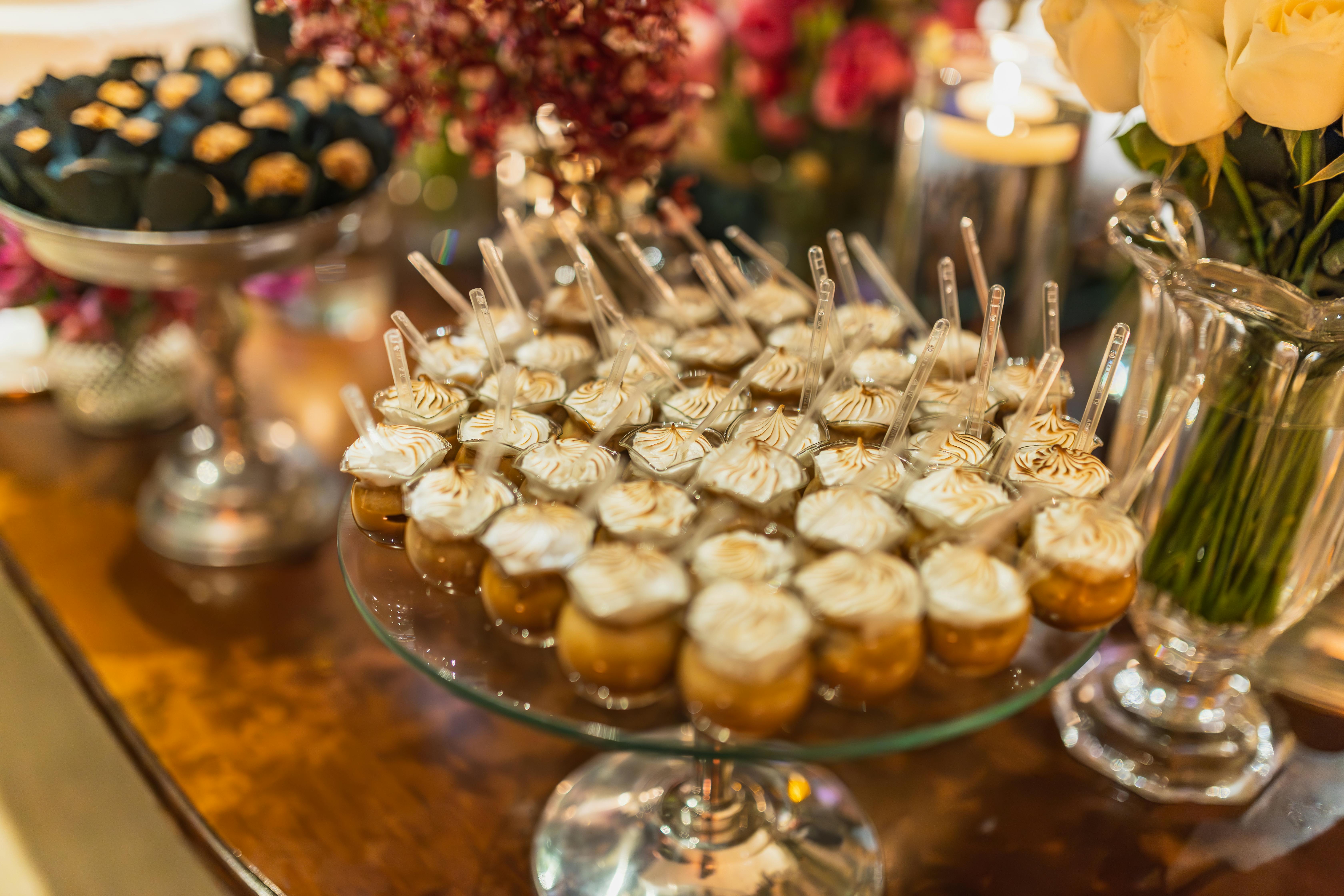
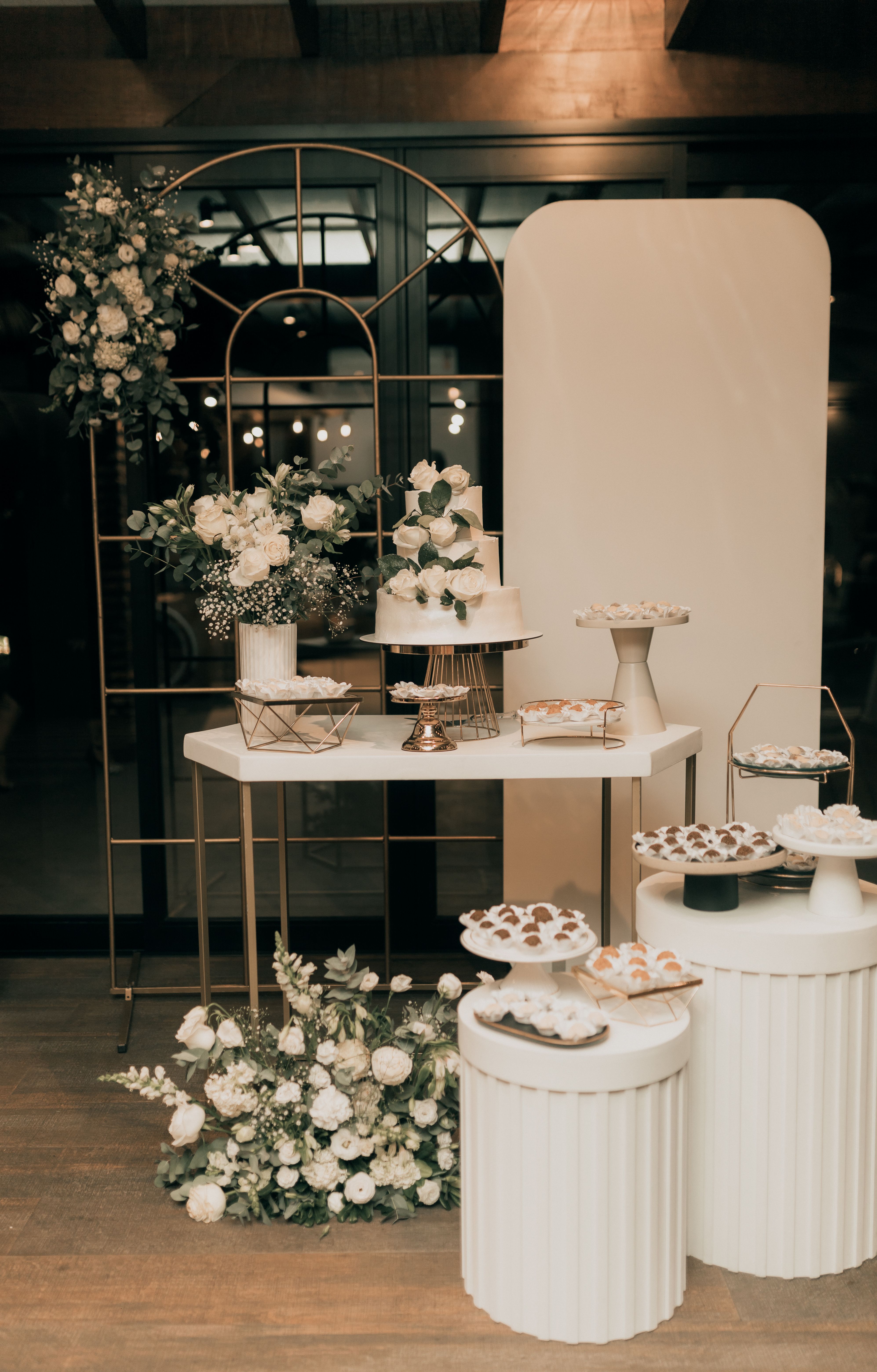
One of the clearest winners is the dessert table, which turns sweets into an interactive part of the reception. Instead of a single centerpiece cake, couples offer an assortment such as mini tarts, brownies, cookies, cream puffs, and cheesecake bites. This approach allows guests to sample several items and accommodates different preferences more effectively than one cake flavor ever could.
Donuts have also become a popular replacement because they are visually playful and easy to serve. Stacked donut walls, towers, and mixed glaze assortments work particularly well at casual, rustic, and city weddings alike. They also hold up better than delicate frosted cakes in warm weather, which matters for outdoor celebrations and long reception timelines.
Other strong alternatives include pies, gelato carts, macarons, churros, cannoli, and regional pastries tied to cultural traditions. In Italy-inspired weddings, millefoglie assembled live in front of guests adds theater and freshness. In Southern celebrations, mini pies or banana pudding can feel more authentic than a formal cake. The broader pattern is clear: couples are choosing desserts that tell a story.
Personalization is driving the dessert decision
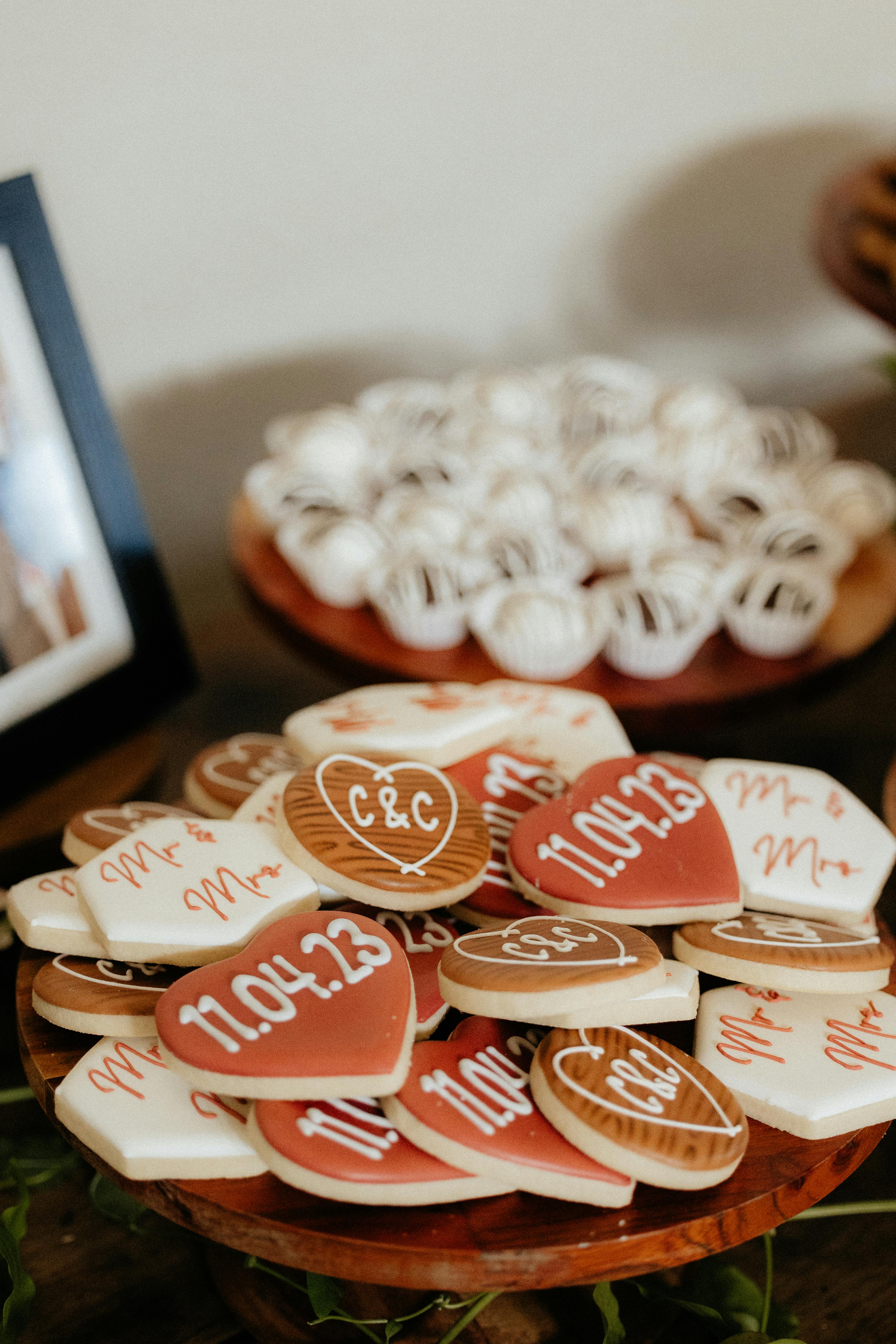
The modern wedding is increasingly designed around identity, and dessert is part of that expression. Couples often select sweets linked to their first date, childhood favorites, travel memories, or family celebrations. A pair who met at a bakery may serve specialty cookies, while another couple might feature a dessert from a grandparent's recipe as a tribute woven into the menu.
This level of personalization creates a stronger emotional connection than a standard vanilla or chocolate cake chosen mainly for appearance. Guests respond to details that feel intimate and specific because they reveal something real about the couple. In an era when weddings are expected to feel less generic, dessert has become a meaningful storytelling tool.
There is also room for visual creativity without relying on a traditional cake structure. Styled dessert displays can mirror the event palette, floral scheme, or venue architecture through trays, stands, linens, and signage. Photographers and planners often note that a thoughtfully arranged dessert station delivers just as much visual impact as a towering cake, sometimes more.
Practical advantages beyond appearance
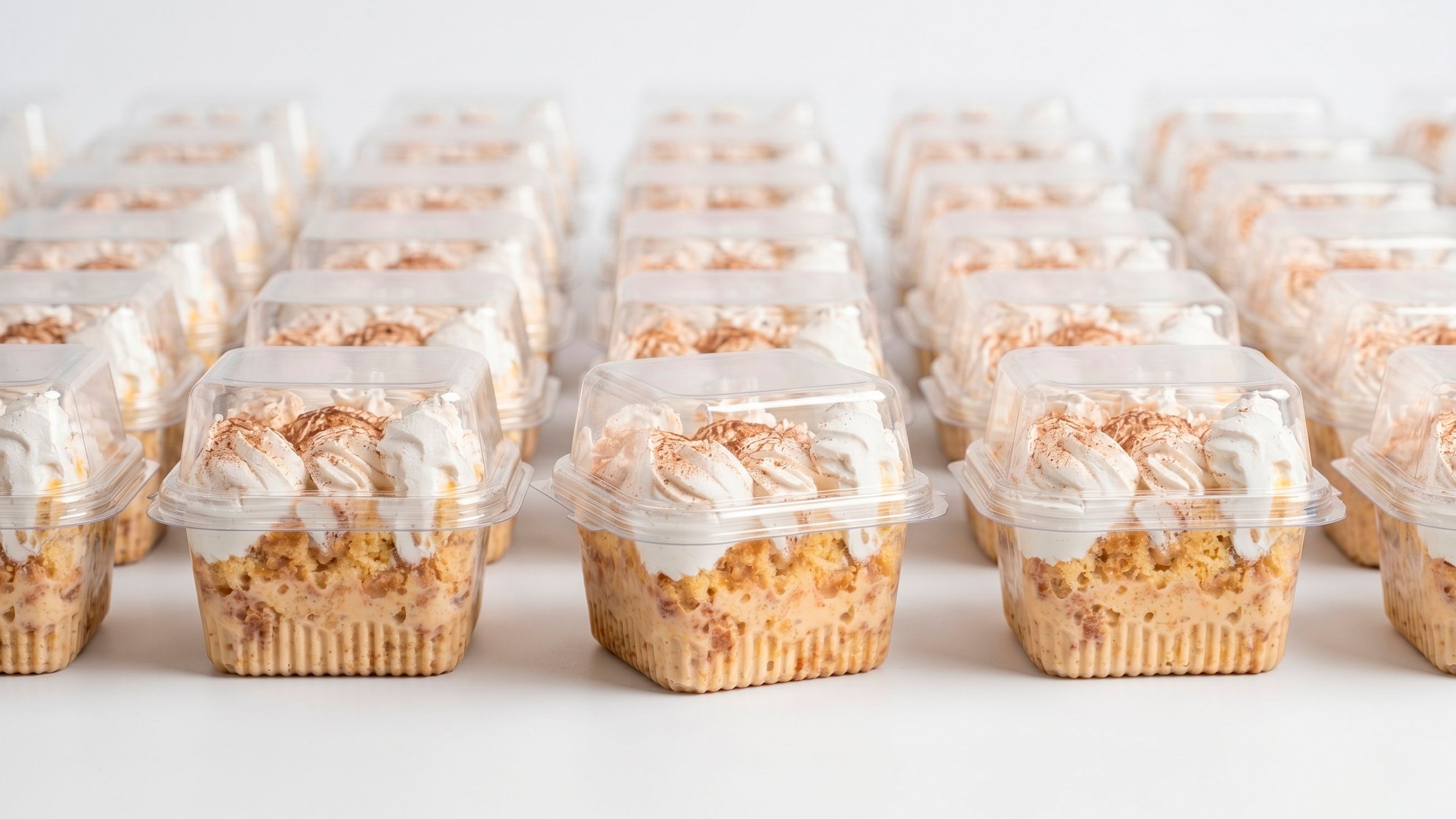
From a service standpoint, alternative desserts can simplify reception logistics. Individually portioned sweets reduce the need for cake cutting, plating, and table-by-table distribution. That can ease pressure on catering teams and keep the evening moving, especially at larger weddings where delays in dessert service can interrupt dancing or speeches.
Portion control is another overlooked benefit. Mini desserts help reduce waste because guests can take exactly what they want rather than receiving a standard slice they may not finish. Venues and caterers have become more attentive to food waste in recent years, and flexible dessert formats align well with that operational and environmental concern.
Storage and weather resistance matter too. Buttercream cakes can suffer in heat, while mousse fillings and fondant details may not travel well. By contrast, cookies, bars, pastries, and some regional sweets are often easier to transport and display. For destination weddings, backyard celebrations, and tented events, reliability can outweigh tradition very quickly.
Why many couples still keep a small ceremonial cake
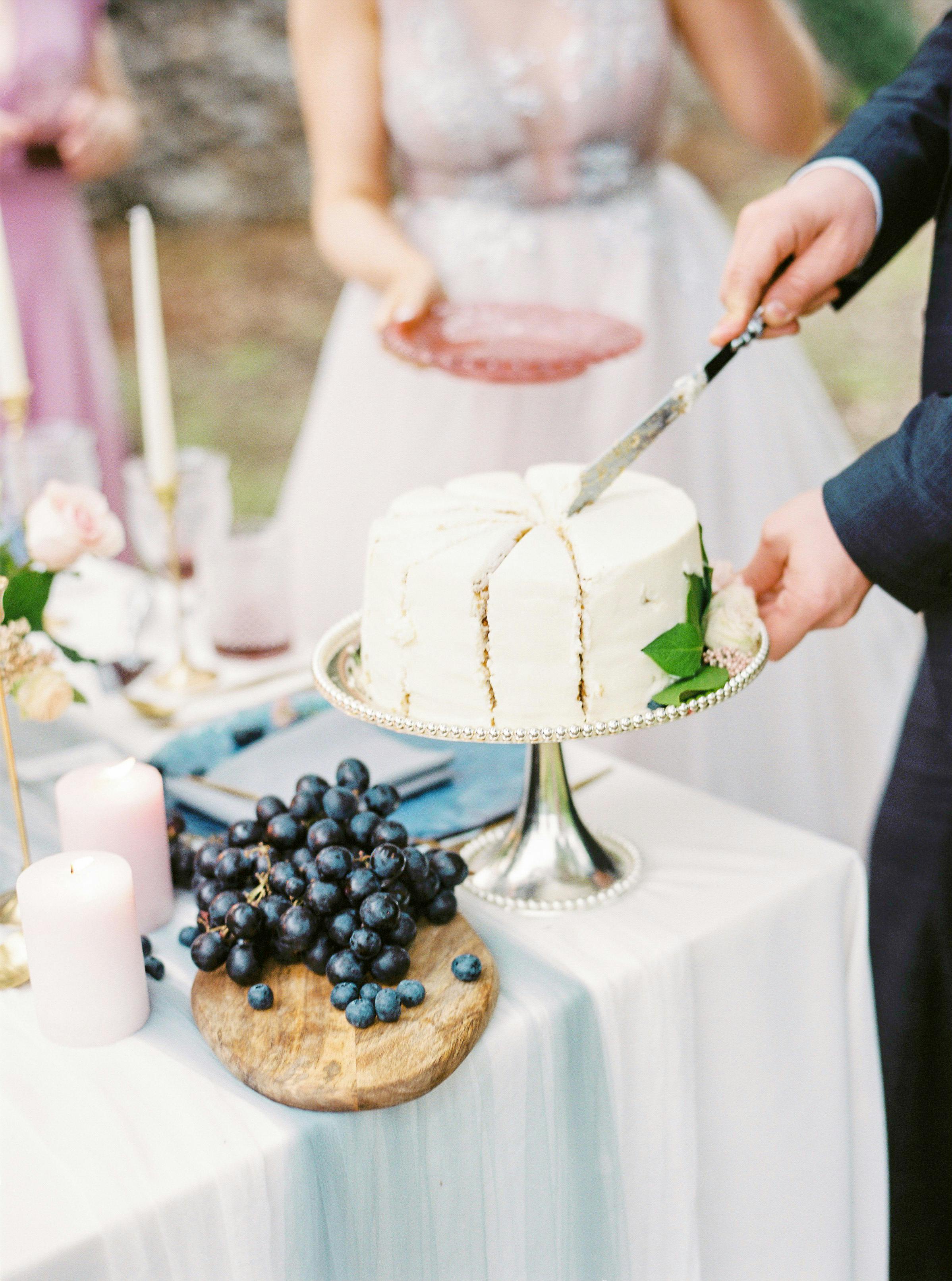
Even as alternatives grow more popular, many couples are not abandoning cake entirely. Instead, they order a small ceremonial cake for the cutting moment and serve other desserts to the crowd. This hybrid model preserves a familiar photo opportunity while avoiding the cost and service challenges of a full-scale tiered cake for every guest.
Wedding professionals often recommend this compromise because it balances symbolism with practicality. The couple still gets the ritual associated with cake cutting, which remains meaningful for families who value tradition. At the same time, guests enjoy broader dessert options that are easier to eat and often more memorable than a single plated slice.
This approach also gives bakers and pastry chefs more creative freedom. A small display cake can be highly detailed and elegant, while the rest of the dessert menu handles volume. In effect, cake becomes part of the design rather than the sole dessert obligation, which reflects how many weddings are now planned overall.
What this trend says about weddings now
At its core, the move away from traditional wedding cake reflects a broader shift in how couples define celebration. Weddings today are less about performing a standard template and more about curating an experience. Food, including dessert, is expected to be enjoyable, expressive, and practical rather than simply ceremonial.
That change mirrors wider dining habits as well. People are more adventurous with sweets, more aware of dietary preferences, and more interested in quality over convention. A reception dessert that includes gluten-free pastries, fruit-forward options, or culturally significant specialties can feel more inclusive than one large cake with limited choices.
The traditional wedding cake is unlikely to disappear completely because its symbolism remains powerful. Still, its role is changing. For many couples, the dessert that replaces or shares the spotlight with cake is not a downgrade. It is a better fit for how weddings look, taste, and function now.
Leave a Reply