
Some foods go viral because they look clever on camera. Others catch on because they promise guilt-free indulgence.
Why cottage cheese ice cream took over social media
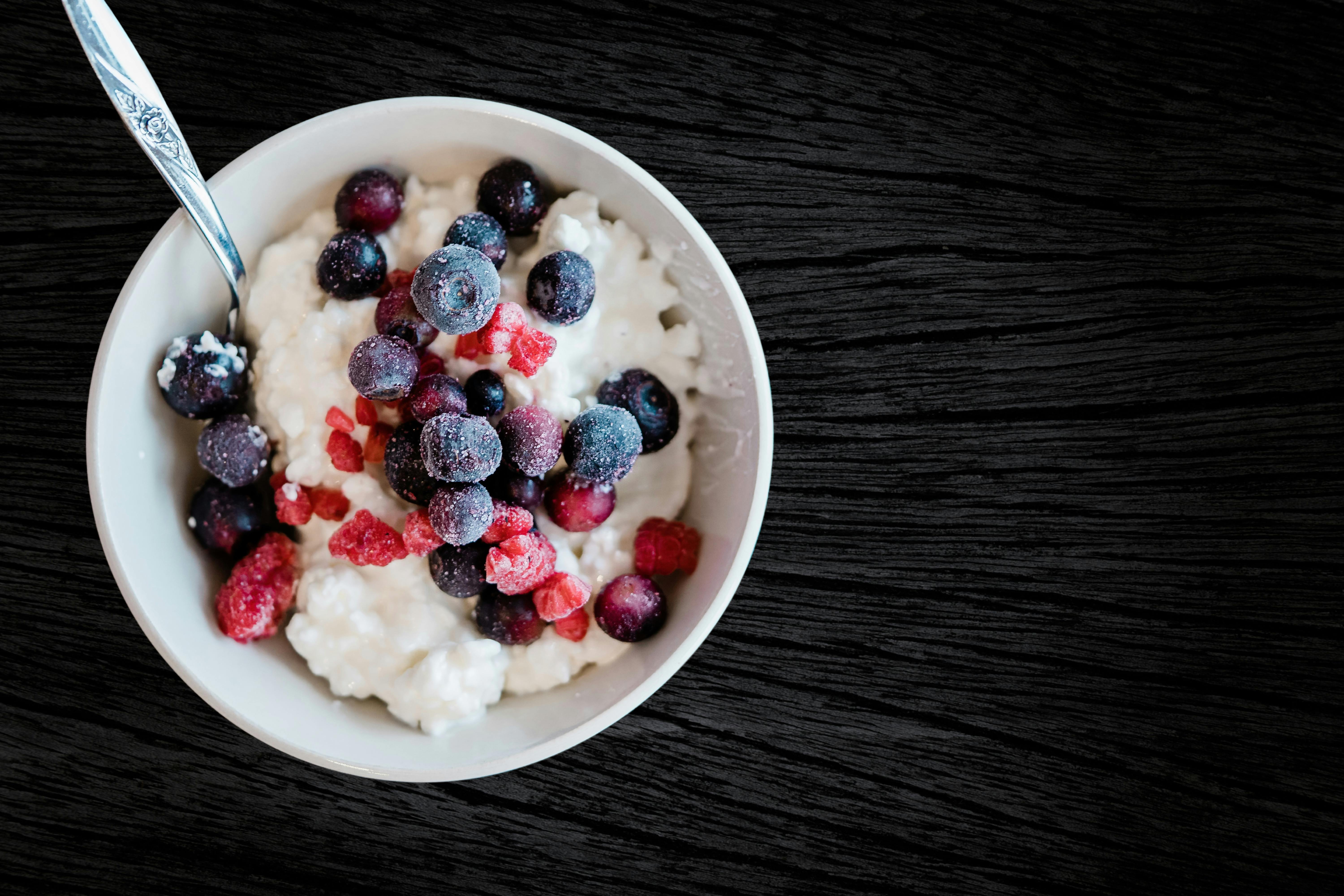
What made cottage cheese ice cream so appealing is simple: it sounds virtuous. Blend cottage cheese with fruit, cocoa, honey, or cookie crumbs, freeze it, and the result looks like a high-protein version of a comfort food many people already love.
TikTok and Instagram helped turn that idea into a wellness shortcut. Influencers framed it as a smart swap for traditional ice cream, often highlighting protein totals while downplaying sugar, portion size, and the fact that many recipes still include syrups, chocolate, or ultra-processed mix-ins.
That framing matters because people rarely evaluate viral foods the way dietitians do. A dessert can contain more protein than standard ice cream and still be nutritionally unbalanced, heavily sweetened, or easy to overeat, especially when the "healthy" label lowers people's guard.
What nutritionists say is the real problem

The concern is not that cottage cheese itself is unhealthy. On its own, it can provide protein, calcium, and B vitamins, and many dietitians consider it a useful ingredient in balanced meals or snacks.
The issue is what happens when it is transformed into a health-halo dessert. Nutritionists often warn that once a food is marketed as high-protein, consumers may ignore calories, added sugars, sodium, and saturated fat, especially in recipes built around peanut butter, sweetened chocolate chips, or packaged flavor boosters.
There is also the question of processing and expectations. Many versions are less satisfying than real ice cream but are eaten in larger portions because people assume they are making a disciplined choice. That disconnect can undermine appetite awareness and lead to accidental overconsumption.
The nutrition numbers can be more misleading than they look

A typical cup of cottage cheese can contain 20 grams or more of protein, which sounds impressive. But it can also carry several hundred milligrams of sodium, and flavored or low-fat versions often behave differently in recipes, pushing people to add more sweeteners or toppings to improve texture.
Some homemade versions end up nutritionally similar to premium desserts. Add nut butter, maple syrup, crushed cookies, and melted chocolate, and the final bowl can rival or exceed conventional ice cream in calories while still being sold online as a better-for-you option.
Research on health halos has repeatedly shown that people tend to underestimate the calories in foods labeled healthy. That pattern helps explain why a viral recipe can become a daily habit before anyone stops to ask whether it is actually improving the diet overall.
Who should be especially careful with this trend

People with high blood pressure may want to pay attention first. Cottage cheese is often sodium-heavy, and when it becomes a frequent dessert or snack, that extra salt can quietly add up, particularly in diets already packed with packaged foods.
Anyone with lactose intolerance can also run into problems. Even if fermentation changes texture and digestibility somewhat, cottage cheese still contains dairy sugars and proteins that can trigger bloating, gas, or stomach discomfort in sensitive people.
There is another group that often gets overlooked: people rebuilding a healthier relationship with food. A dessert sold as "clean" or "macro-friendly" can reinforce the idea that every craving must be justified by protein, rather than enjoyed occasionally in a normal, satisfying portion.
What a better dessert strategy actually looks like

The smartest approach is not fear, but clarity. If you enjoy cottage cheese ice cream and it fits your taste, budget, and digestion, it does not need to be banned. The problem starts when it is treated as nutritionally superior by default.
Dietitians generally recommend looking at the whole recipe, not one hero ingredient. Check sodium, added sugar, portion size, and toppings. A bowl made with berries and cinnamon is very different from one loaded with candy pieces, syrups, and sweetened spreads.
It also helps to compare it honestly with the food it replaces. In some cases, a modest serving of regular ice cream may be more satisfying and less likely to trigger the cycle of "healthy" overeating than a large bowl of a protein dessert that never quite satisfies.
The bigger lesson behind every viral "healthy" food

Every few months, social media crowns a new miracle snack. Protein cereal, cloud bread, butter boards, and now cottage cheese desserts all follow the same pattern: one catchy nutritional angle gets amplified until nuance disappears.
Experts consistently return to the same message. No single viral food determines health, and no recipe becomes balanced just because it contains protein. What matters more is dietary pattern, ingredient quality, total intake, and whether the food supports realistic long-term habits.
That is why nutritionists are skeptical of this trend. Cottage cheese ice cream is not dangerous, but it is easy to oversell. When a dessert is marketed as a wellness upgrade first and a sweet treat second, consumers deserve a closer look before buying in.




Leave a Reply