
A Canadian backyard BBQ seems relaxed on the surface. In reality, it follows a set of quiet expectations that regular hosts and guests rarely bother to explain.
Show Up Prepared, Not Empty-Handed
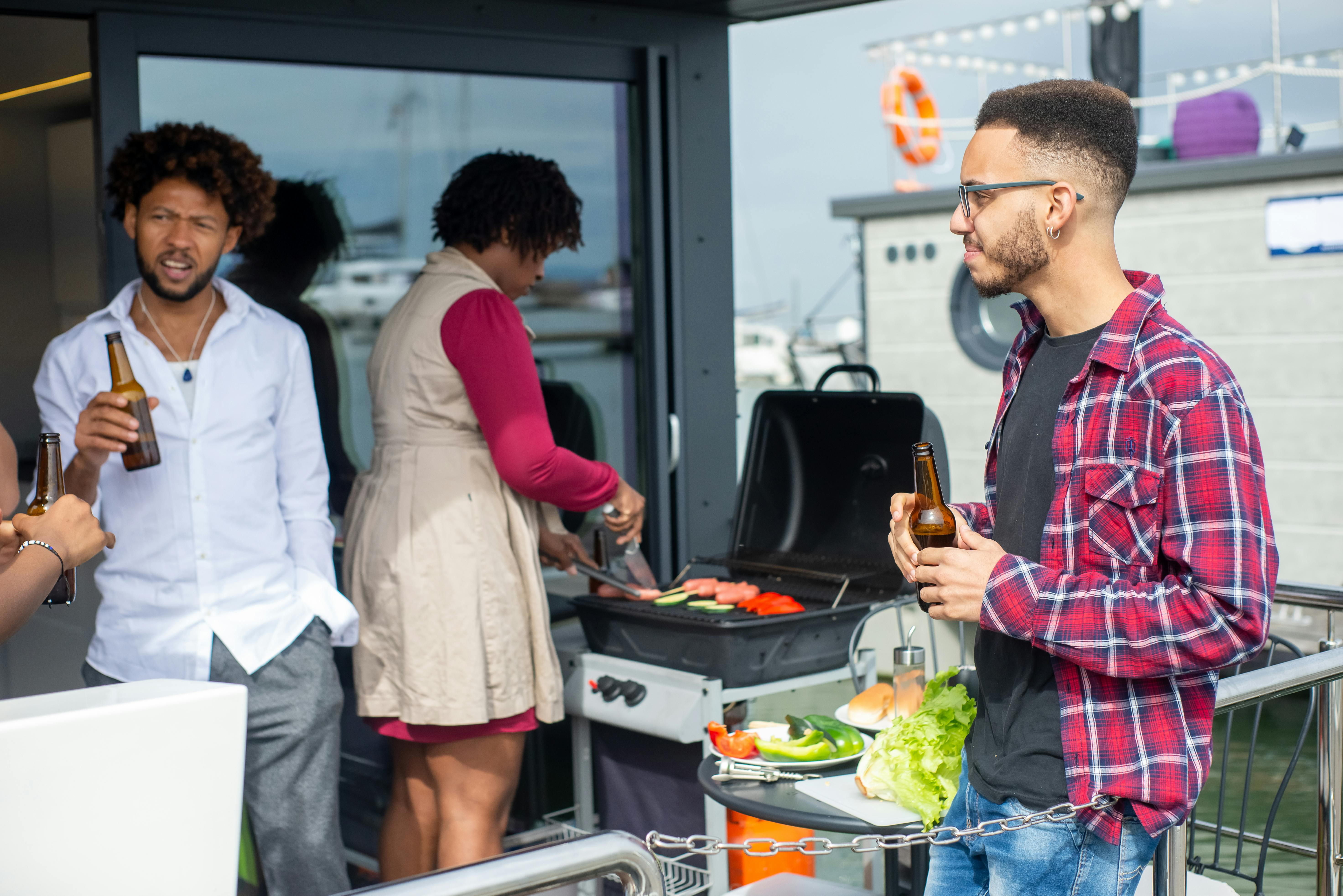
The first rule is simple: do not arrive like the host is running a full-service restaurant. In most Canadian homes, bringing something is less about cost and more about showing respect for the invitation. Chips, buns, salad, dessert, or a pack of drinks are all safe choices that signal you understand the shared nature of the event.
There is also an art to asking what to bring. A polite Canadian host may say, "Just bring yourself," but experienced guests know that answer is often courtesy, not instruction. Bringing one useful item anyway is usually the right move, especially at larger gatherings where extras are always needed.
Alcohol has its own code. If you bring beer, cooler drinks, or wine, assume it is for sharing unless the group clearly treats drinks as personal stock. In many provinces, BBQ culture is tied to practical habits shaped by high grocery prices and liquor markups, so people notice generosity, even when they do not mention it.
Understand That "Come for 4" Rarely Means Eat at 4

Timing at a Canadian BBQ operates on a soft schedule. If the invitation says 4 p.m., that often means people will start arriving then, standing around with drinks by 4:30, and actually eating closer to 5:30 or 6. Newcomers who arrive starving and expect plates immediately can misread the rhythm of the event.
This loose timing has a practical reason. Backyard cooking depends on charcoal, propane levels, weather shifts, and the host's ability to manage side dishes while greeting people. According to hospitality experts, casual outdoor gatherings almost always run later than planned because the cooking itself is part of the social experience.
That said, being very late without notice is still rude. In most settings, arriving 10 to 20 minutes after the stated time is socially acceptable, but appearing an hour late can disrupt serving and seating. The unspoken goal is to be relaxed without forcing the host to reorganize around you.
Never Critique the Grill, Even If You Think You Know Better
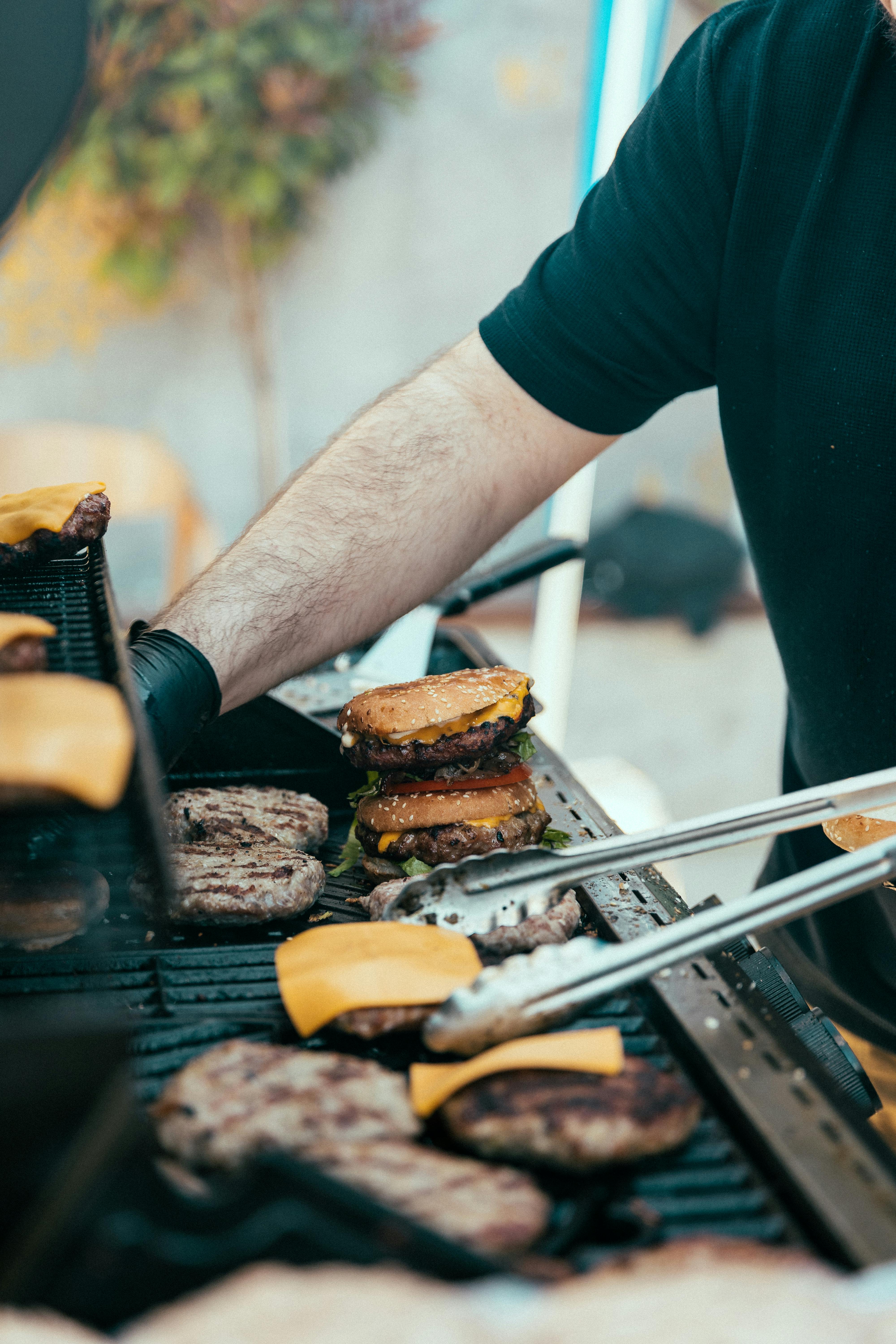
Every backyard has a grill expert, and sometimes that expert is wrong. The rule is that you still do not walk up and start instructing the person at the barbecue unless they clearly ask for help. In Canadian social culture, direct correction in a casual setting can read as pushy, especially when the host is trying to keep things easygoing.
This applies to everything from burger flipping to propane management. People have strong opinions about when to salt meat, whether to press patties, or how long to cook sausages, but a BBQ is not usually the place for culinary one-upmanship. The social success of the event matters more than technical perfection.
If you are genuinely skilled, the best approach is to offer support rather than judgment. Ask if they want a hand carrying platters, checking buns, or watching for flare-ups. That keeps the host's dignity intact, which is a major piece of Canadian manners whether anyone says so or not.
Read the Food Table Before You Build Your Plate
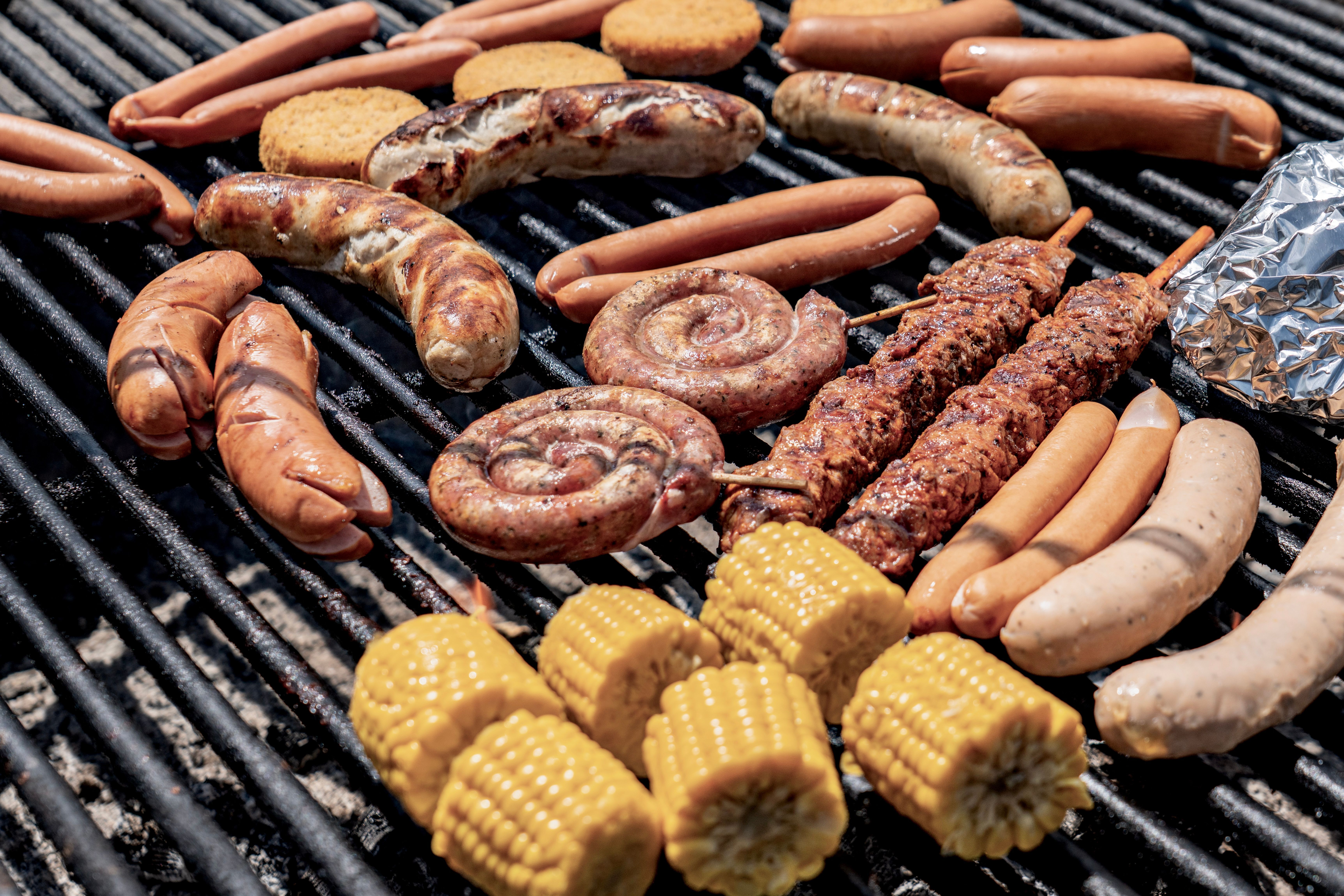
A good guest does not attack the buffet line like supplies are running out. Canadian BBQ spreads often include a mix of grilled meat, vegetarian options, salads, condiments, buns, and dishes brought by guests, so taking a quick scan before serving yourself matters. It helps you avoid loading up on the first tray while missing how the meal is meant to come together.
This is especially important because many gatherings now include dietary considerations. Surveys across Canada have shown growing attention to plant-based eating, food allergies, and gluten sensitivity, which means separate tongs, labeled dishes, or reserved portions may actually matter. Grabbing carelessly can create problems that seem small but affect someone's ability to eat.
Portioning also carries social meaning. Take moderate amounts first, especially of premium items like steak, salmon, or specialty salads. A backyard BBQ is casual, but the most appreciated guests are the ones who leave enough for others and go back for seconds only after everyone has had a turn.
Accept That Weather Is Part of the Guest List

Canadian backyard entertaining is shaped by weather more than hosts like to admit. Even in late spring and summer, temperatures can drop fast after sunset, smoke can shift with the wind, and sudden rain can force everyone under a garage overhang or into a kitchen. People who understand this come dressed for flexibility rather than for a perfect patio photo.
That is why practical items matter. A light sweater, flat shoes, and mosquito awareness are not overthinking things in much of Canada. From Ontario humidity to Prairie evening cool-downs to coastal dampness, conditions change fast, and seasoned guests know comfort is part of good manners because discomfort can become everyone else's problem.
Hosts usually plan for this with citronella candles, patio heaters, folding chairs, or a backup indoor table. Guests should match that spirit by being adaptable. Complaining endlessly about smoke, bugs, or chill is one of the fastest ways to signal that you do not really understand what a real backyard BBQ involves.
Know When to Help, When to Leave, and How to End Well
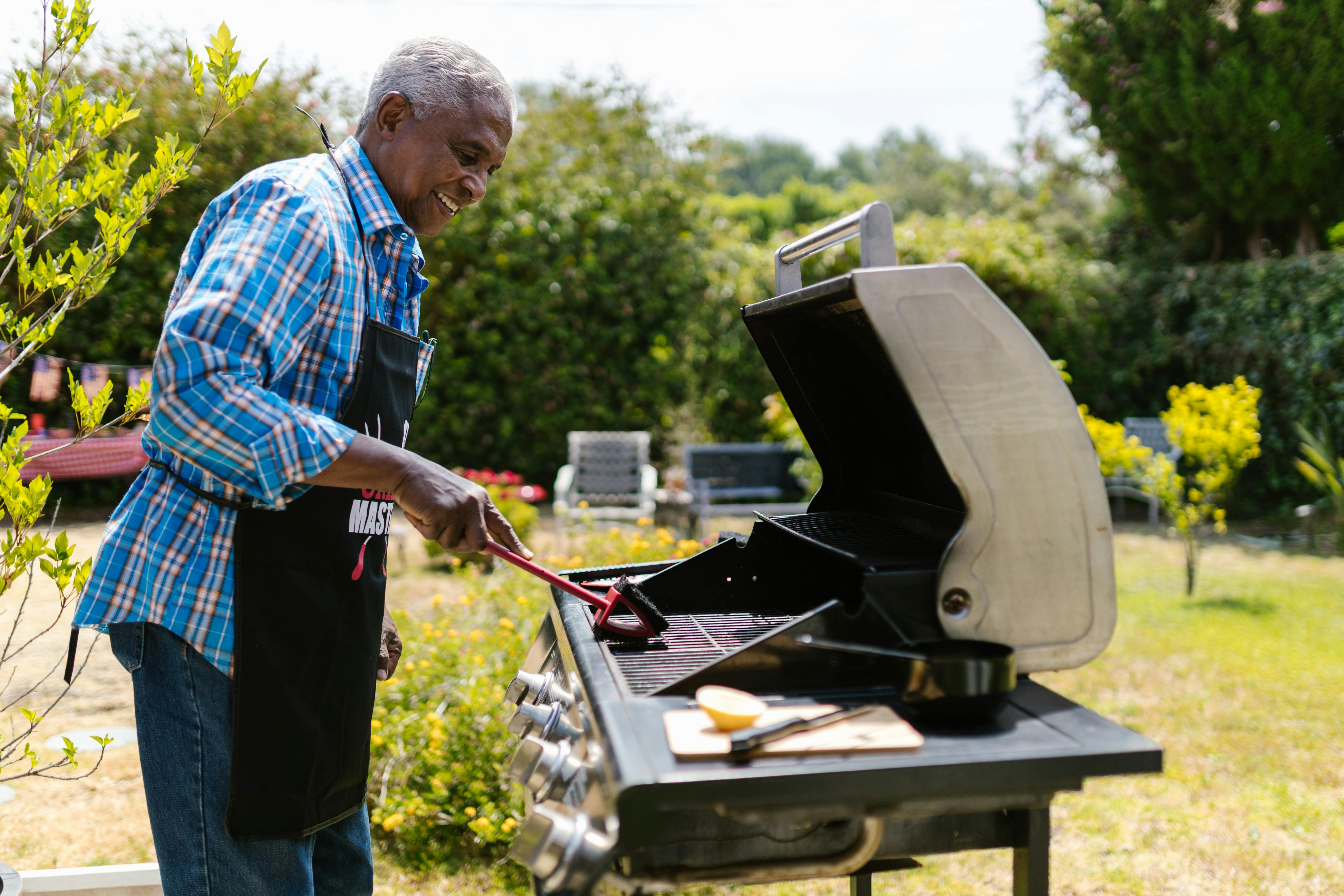
The final rule is about reading the room at the end of the night. In Canada, hosts often keep offering food, coffee, or another drink out of politeness, even when they are visibly tired. Good guests notice the slowing conversation, the half-finished cleanup, and the shift from party mode to winding down.
Helping is appreciated, but it should be useful rather than theatrical. Clear plates, gather cans, stack chairs, or bring dishes inside if the host agrees. There is no need to make a grand show of being the most helpful person there, because subtle competence tends to be valued more than attention-seeking effort.
Leaving well also matters. Thank the host directly, mention something specific you enjoyed, and if you brought a dish, do not insist on hunting it down that night. The strongest final impression is simple: you made the evening easier, warmer, and more relaxed for everyone around you.


Leave a Reply