
Chocolate already has deep roasted notes, but many bakers rely on one extra ingredient to make those flavors read even more clearly: coffee. In small amounts, brewed coffee, espresso powder, or instant coffee can intensify chocolate's bitterness, aroma, and overall complexity, often without adding an obvious coffee taste.
Chocolate cake
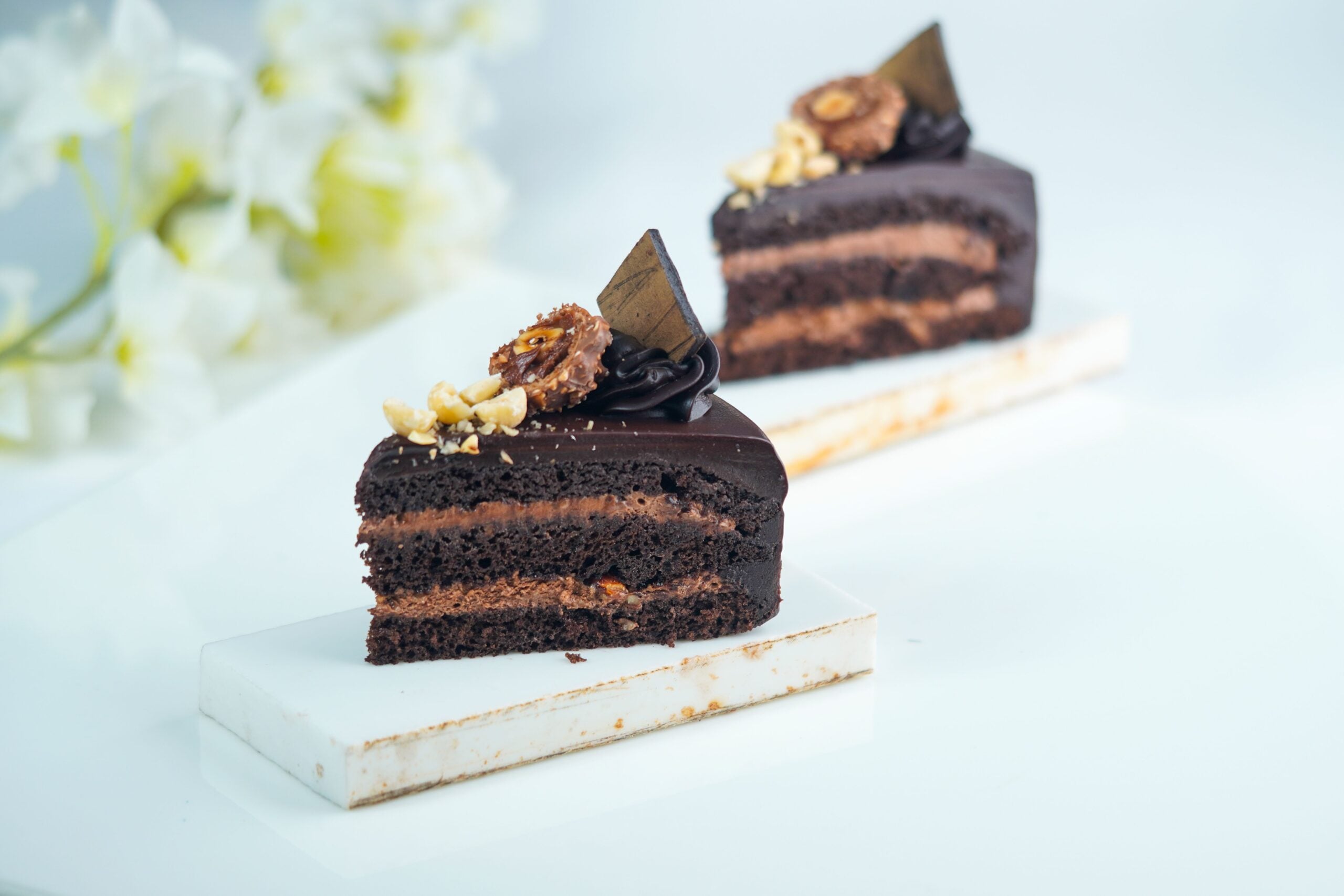
A classic chocolate cake shows the effect most clearly. Recipes from King Arthur Baking, Hersheyland, and other established baking sources often call for hot coffee or espresso powder in chocolate batter. The coffee does not simply add another flavor. It helps underline cocoa's naturally roasted, slightly fruity, slightly bitter qualities, so the cake tastes more chocolatey rather than sweeter.
Hot coffee also has a practical role in many batters. Cocoa powder blooms best in hot liquid, which means its flavor and color open up more fully when mixed with heat. That is one reason many bakers stir boiling water or hot coffee into cocoa based cakes. The result is often a darker crumb, a fuller aroma, and a finish that lingers longer on the palate.
Brownies
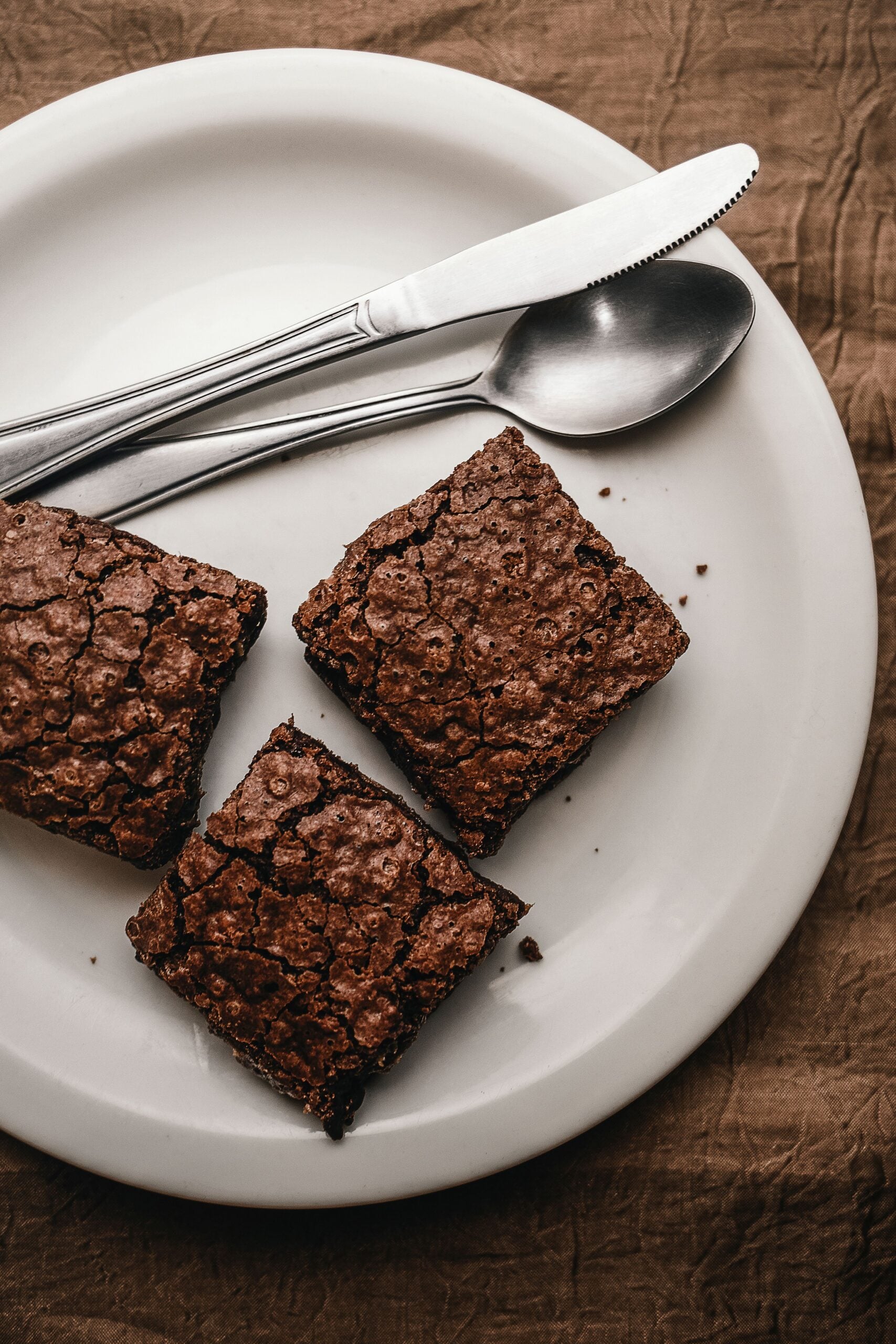
Brownies benefit from coffee for a different reason: they are dense, rich, and relatively simple, so even a small flavor shift becomes noticeable. A little instant espresso powder added to the dry ingredients can make fudgy brownies taste rounder and more intense. Serious Eats and King Arthur Baking both note that espresso powder is a common way to sharpen chocolate flavor in baked goods.
This works especially well in recipes heavy on butter, sugar, and dark chocolate. Those ingredients can mute subtle cocoa notes under all that richness. Coffee restores some contrast. Instead of tasting flatter or overly sweet, the brownie keeps its chew and heft while gaining a more defined chocolate profile.
Chocolate cookies
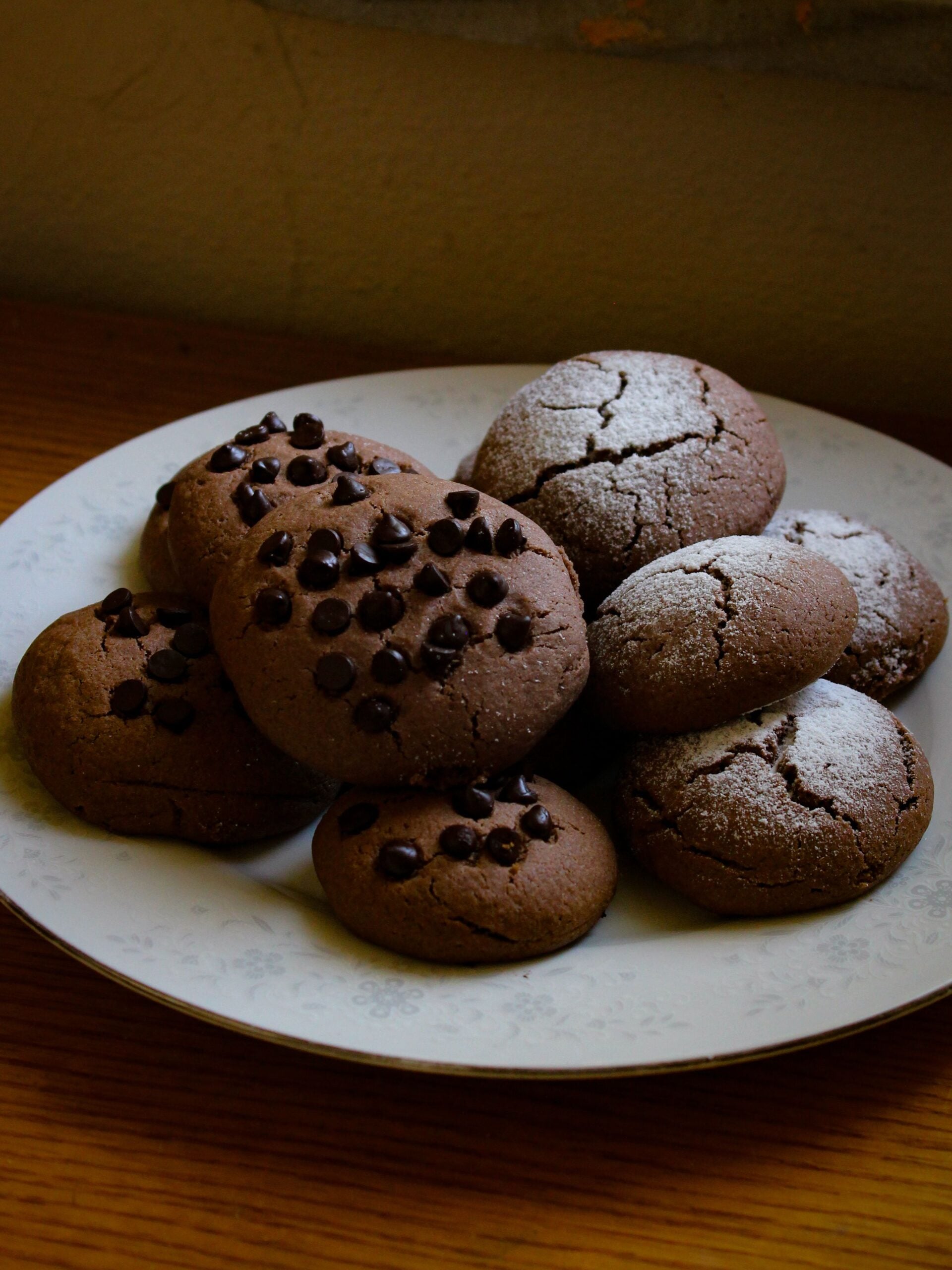
Cookies reveal how flexible this ingredient can be. In a crisp chocolate cookie, espresso powder can reinforce the snap and the bittersweet edge. In a soft cookie, it can make the center taste deeper and less sugary. Because cookie dough usually uses less liquid than cake batter, bakers often choose espresso powder or finely ground instant coffee rather than brewed coffee.
The amount matters. Too much coffee can turn a chocolate cookie into a mocha cookie, which may be welcome, but it is a different result. A small measured addition is usually enough to support the cocoa while staying in the background. That balance is why coffee is often treated like a seasoning in chocolate doughs, much like vanilla or salt.
Chocolate mousse
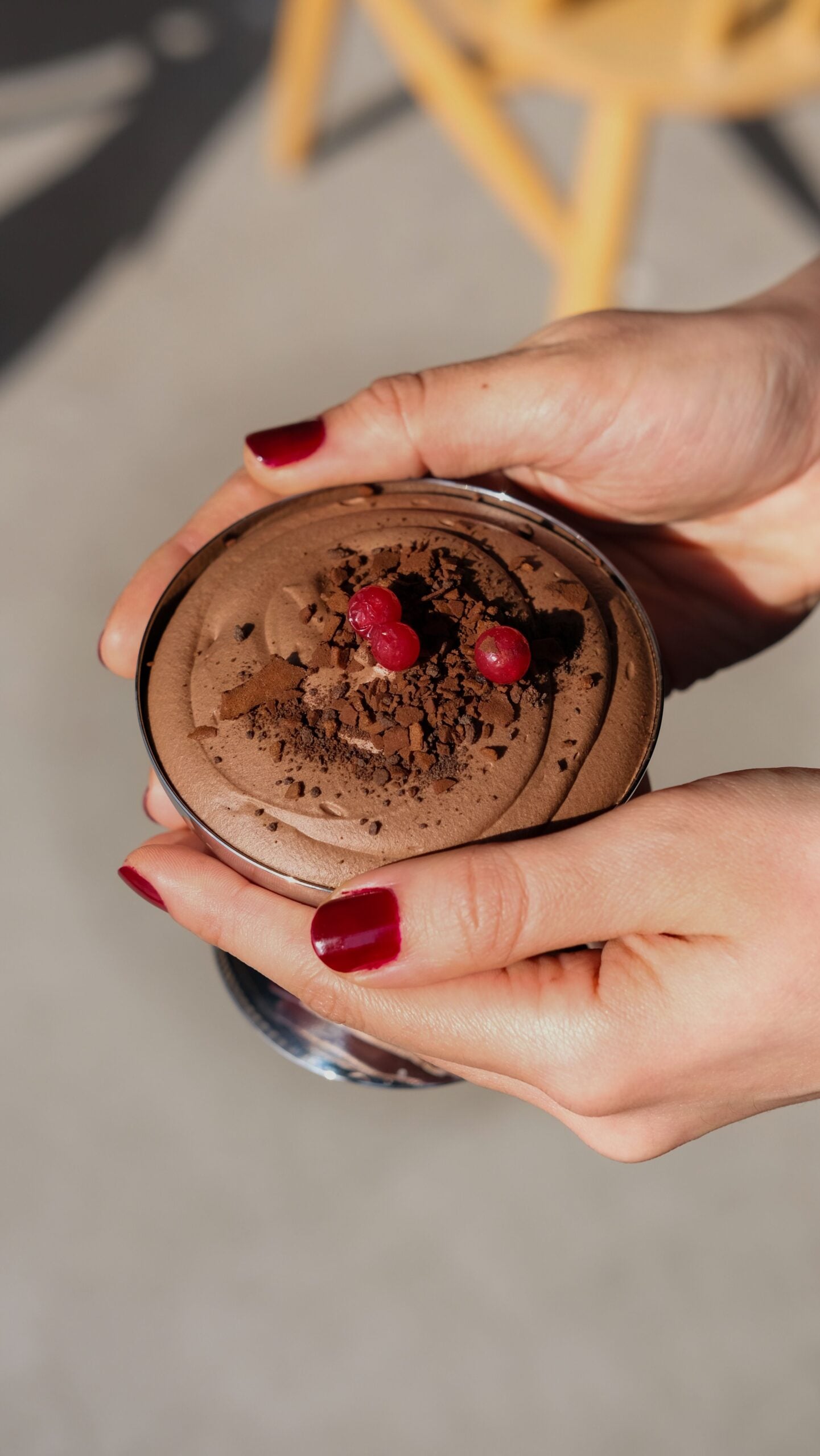
Mousse is all about light texture, so the flavor has to do a lot of work. Coffee helps here by giving dark chocolate mousse a little more dimension without weighing it down. A modest amount of espresso or strong brewed coffee can make the mousse taste more elegant and less one-note, especially when the chocolate itself is bittersweet.
Professional pastry chefs often pair chocolate and coffee because both ingredients share roasted aromatic compounds. That overlap is one reason the pairing feels natural rather than forced. In mousse, where there is no crust or crumb to add contrast, that aromatic lift can be the difference between a dessert that tastes simply rich and one that tastes layered.
Frosting and ganache
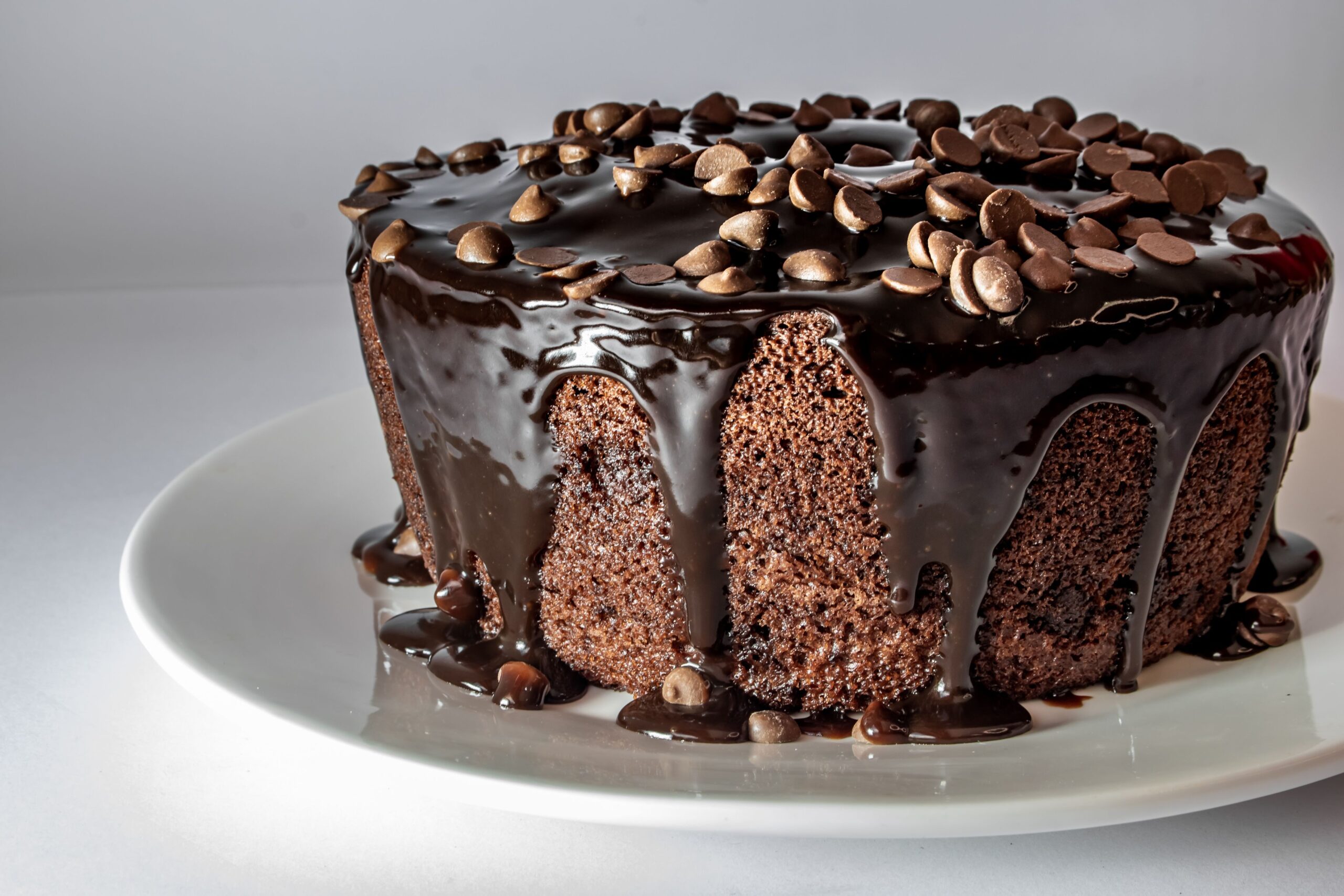
Frosting and ganache are often sweeter than the dessert under them, which makes coffee especially useful. In chocolate buttercream, a touch of espresso powder can cut through sweetness and keep the frosting from tasting heavy. In ganache, coffee can deepen the finish and make the chocolate taste more pronounced, especially when the ganache is used as a glaze or filling.
This is less about making the topping bold and more about improving balance. Sweetness is important, but too much can blur flavor. Coffee brings back definition. Bakers often dissolve espresso powder in a small amount of hot liquid before adding it, which helps it blend smoothly into buttercream, glaze, or whipped chocolate mixtures.
The best way to use it
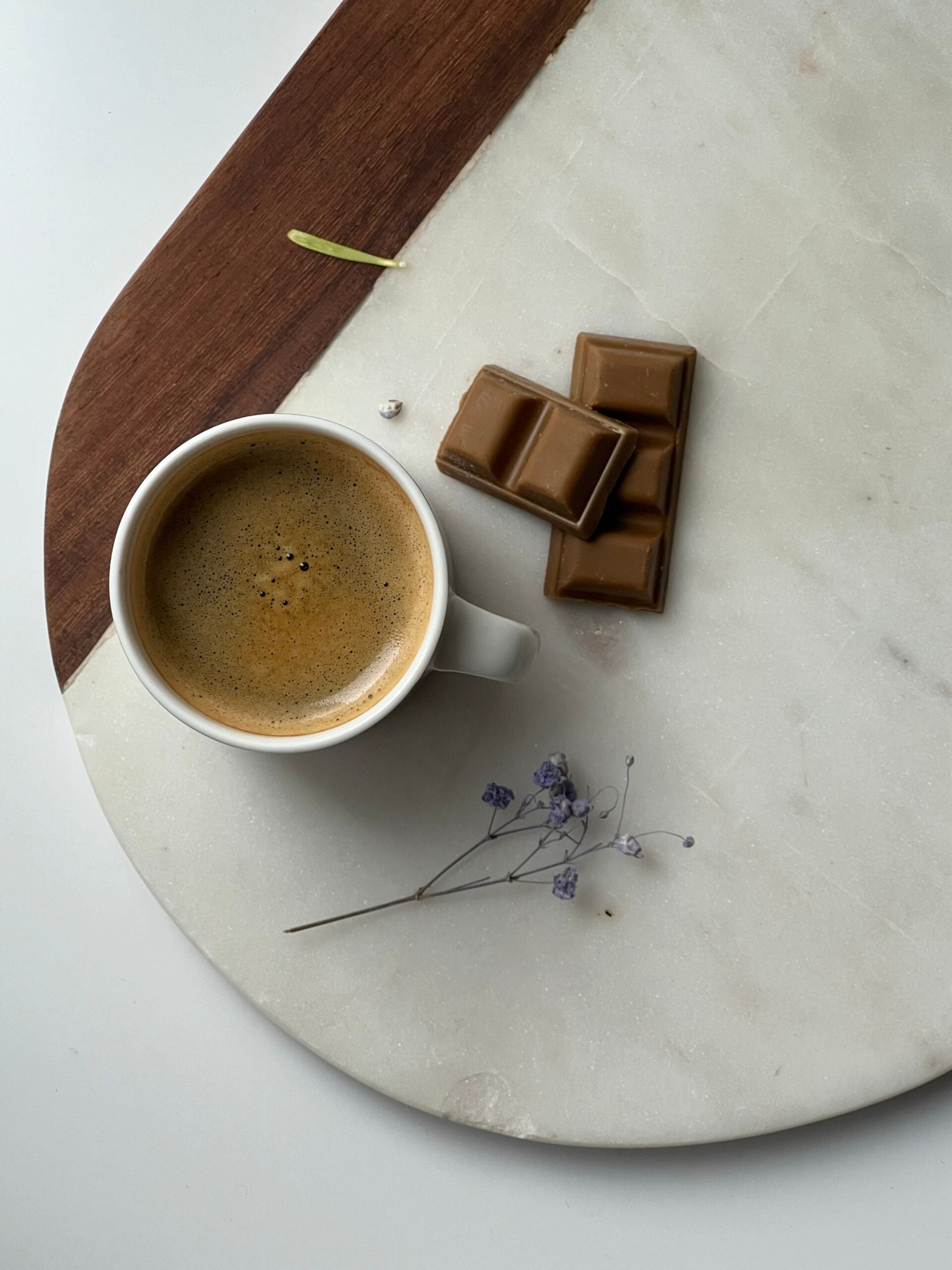
The most useful point is that coffee comes in several forms, and each works a little differently. Brewed coffee adds liquid and flavor, so it fits cakes and some sauces best. Espresso powder is concentrated and dry, which makes it ideal for brownies, cookies, frostings, and fillings. Instant coffee can work too, though espresso powder is often preferred because it is made for baking and dissolves more cleanly.
The goal is not to make every dessert taste like coffee. It is to make chocolate taste more complete. When used with restraint, coffee acts like a supporting note that brings cocoa into sharper focus. That is why this ingredient keeps showing up in trusted baking recipes, and why such a small addition can make a familiar dessert taste smarter and more polished.



Leave a Reply