
A bizarre gadget can look like a joke until you understand the problem it was built to solve. In the kitchen, some of the strangest patents reveal a very practical kind of genius.
Why odd kitchen patents exist in the first place
Most unusual kitchen gadgets begin with frustration, not novelty. Home cooks burn fingers, overcook eggs, spill batter, and waste time on repetitive prep. Patent archives show inventors repeatedly targeting these small but stubborn pain points.
The result is often a tool that looks absurd outside its original context. A butter cutter with guide rails or a corn-stripper shaped like a sleeve can seem excessive at first glance. Yet each was designed to make one narrow task faster, safer, or more consistent.
That narrow focus matters more than many people realize. Professional kitchens rely on specialized tools for speed and repeatability, and household inventors have long tried to bring the same advantages home. Strange design, in many cases, is simply what happens when efficiency outruns aesthetics.
The egg gadgets that solved surprisingly real problems

Eggs may be simple, but they inspire some of the most inventive patents in kitchen history. Devices for cracking shells cleanly, piercing eggs before boiling, or separating yolks with spring-loaded cups were all attempts to improve control over a fragile ingredient.
One especially curious category involved egg scramblers that mixed the yolk and white inside the shell before cooking. These inventions sounded ridiculous, but they addressed a real demand for uniform texture, cleaner handling, and visually novel hard-boiled eggs for lunches and catering.
Even the humble egg slicer, now familiar in many kitchens, once seemed overly specific. Its success proves an important point. If a gadget saves enough time, reduces waste, and delivers neat results consistently, people stop calling it strange and start calling it useful.
Butter, bread, and breakfast inspired serious ingenuity
Breakfast foods produced an outsized number of eccentric patents because they are handled daily and often in a hurry. Inventors designed butter curlers, toast rotating racks, pancake batter dispensers, and jam spreaders to streamline the busiest meal of the day.
The butter curler is a good example of odd design with clear logic. Instead of hacking at cold butter and tearing bread, it shaved thin ribbons that softened quickly and spread evenly. In practical terms, that improved portion control and reduced the mess of overbuttered toast.
Pancake tools followed the same pattern. Batter portioners and shape molds were not just about novelty breakfasts. They helped create even cooking, consistent sizing, and less cleanup, which are the same priorities that guide modern squeeze bottles, scoops, and nonstick breakfast gear.
Single-purpose tools often outperform multipurpose gadgets
People love to mock one-job kitchen tools, yet many patented oddities work better than all-in-one devices. A dedicated cherry pitter, avocado slicer, or strawberry huller may look unnecessary, but specialization can improve safety and reduce hand fatigue during repetitive prep.
Older patented gadgets pushed this idea to extremes. There were onion holders with slicing guides, biscuit cutters with ejectors, and mechanical peelers for oddly shaped produce. Some failed because they were cumbersome, but others anticipated modern ergonomic design by reducing slips and wasted motion.
This is where strange patents become genuinely instructive. They remind us that convenience is often measurable. If a tool cuts prep time by even a minute per use, minimizes injury risk, or helps less experienced cooks achieve better results, its odd appearance becomes irrelevant.
Why some weird inventions disappeared while others endured
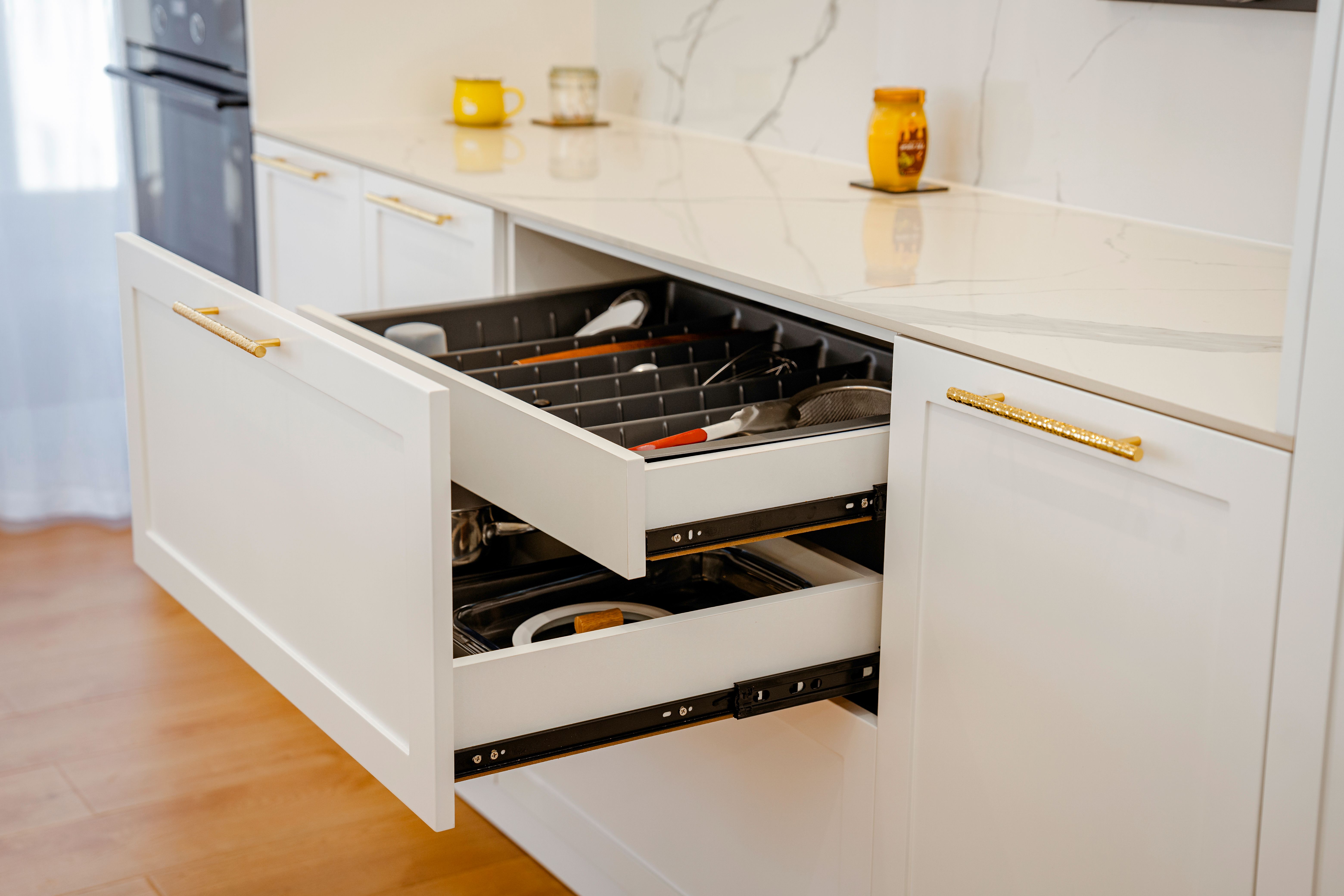
Not every patented kitchen gadget deserved a place on the countertop. Many disappeared because they were hard to clean, difficult to store, or too fragile for daily use. A clever idea can still fail if it adds more hassle than it removes.
The gadgets that lasted usually shared a few traits. They were intuitive, compact, and clearly better than a knife, spoon, or pair of hands at a specific task. In product design terms, usability beat cleverness, and durability beat novelty almost every time.
That pattern still shapes today's kitchen market. According to consumer product analysts, buyers forgive unusual looks when the function is obvious and the cleanup is easy. In other words, people are willing to embrace a strange gadget if it earns its drawer space.
What today's cooks can learn from these peculiar patents

The biggest lesson from odd kitchen patents is that usefulness does not always look elegant. Some of history's most ridiculed cooking tools anticipated modern concerns such as precision, speed, waste reduction, and accessibility for people with limited grip strength or mobility.
They also show that innovation in cooking is often incremental. A strange separator, clamp, or dispenser may not revolutionize dinner, but it can remove one recurring annoyance. Over time, those small gains make home cooking feel smoother and less intimidating.
So the next time a patented kitchen gadget looks laughably specific, it is worth asking a better question. Not "Who would buy this?" but "What problem is this solving?" Very often, the answer is smarter, and more useful, than the design first suggests.




Leave a Reply