
A single word is suddenly doing a lot of work on Canadian menus. "Buttery" has become less of a tasting note and more of a promise.
A flavour word that now sells a feeling

What makes "buttery" unusual is that it describes more than butter itself. In Canada, the term now appears across pastries, cocktails, coffee drinks, snack foods, popcorn seasonings, chardonnay, breakfast sandwiches, and even plant-based spreads meant to mimic dairy richness.
That broad use matters because consumers often read "buttery" as shorthand for comfort, indulgence, and quality. In menu language, it signals softness, warmth, and a rounded finish. Restaurants and packaged food brands know that one familiar adjective can carry emotional weight faster than a longer ingredient explanation.
Canadian shoppers have also been primed to notice it. After years of inflation and smaller grocery baskets, many consumers want affordable luxury. A buttery croissant, buttery mashed potatoes, or buttery oat-based spread feels elevated without sounding inaccessible, which helps explain why the word is showing up in both premium and everyday food marketing.
Social media turned richness into a visual trend

Part of the trend is undeniably digital. Butter boards, laminated pastries, glossy dinner rolls, and melting compound butters all perform exceptionally well in short-form video because they are tactile, shiny, and easy to understand in seconds.
Canadian creators helped localize that appeal by tying buttery foods to familiar routines. Weekend brunch reels from Toronto, bakery tours in Montreal, and cozy winter cooking clips from the Prairies repeatedly framed buttery foods as small, achievable pleasures rather than restaurant-only splurges.
This matters because social media does not just spread recipes. It standardizes cravings. Once viewers repeatedly see flaky layers being pulled apart or browned butter poured over pasta, "buttery" starts functioning as a visual category. The trend grows not only from taste but from repeated exposure to textures that audiences can almost feel through a screen.
Bakers and chains saw a clear commercial opportunity

The bakery sector has been one of the biggest winners. Across Canada, independent bakeries and major chains alike have leaned into laminated doughs, butter-forward cookies, kouign-amann, brioche breakfast items, and seasonal shortbread, all of which benefit from the language of richness and craft.
For operators, this is commercially smart. Butter-forward products often justify higher price points because they imply labour, premium ingredients, and freshness. A plain muffin competes on convenience. A buttery maple croissant competes on experience, which is much easier to market in a crowded food landscape.
Coffee chains and fast-casual brands have adopted the same logic. "Buttery" appears in menu descriptions for baked goods and breakfast items because it increases perceived value without requiring a complicated explanation. In a market where customers make quick decisions, that kind of language can directly influence trial and repeat purchases.
Canadian taste preferences were already moving this way

This trend did not emerge from nowhere. Canada's food culture has long rewarded rich, dairy-friendly flavours, especially in colder months. Tourtière, butter tarts, flaky pie crusts, cream sauces, and layered pastries all sit comfortably within established eating habits.
At the same time, global influences expanded the buttery vocabulary. French pastry techniques became more mainstream, Korean salt bread gained buzz, and viral American-style cookie culture pushed consumers toward denser, richer formats. Canadian cities absorbed these ideas quickly because their dining scenes are highly hybrid and trend-responsive.
There is also a scientific reason buttery foods land so well. Fat carries aroma compounds efficiently and creates a fuller mouthfeel, which many people interpret as satisfying. That sensory payoff is especially important when consumers are cutting back on restaurant visits and want every purchased treat to feel worth it.
The trend reaches beyond actual dairy butter

One reason the category keeps growing is flexibility. A food can be described as buttery even when it contains little or no butter. Olive oils are marketed as buttery, some chardonnays use the term as a tasting cue, and plant-based brands increasingly promise a buttery finish to attract mainstream buyers.
That language helps bridge dietary change. As more Canadians experiment with vegan or lactose-conscious eating, they often still want the sensory traits associated with dairy. "Buttery" becomes a target profile, not a strict ingredient statement, allowing brands to satisfy nostalgia while adapting to health and sustainability concerns.
This is also where the trend becomes slightly strange. The word now signals texture, aroma, richness, and mood all at once. In practical terms, "buttery" has become one of the most efficient descriptors in food marketing because it promises indulgence whether the product is a croissant, a spread, a sauce, or a glass of wine.
Why "buttery" may stay on Canadian menus
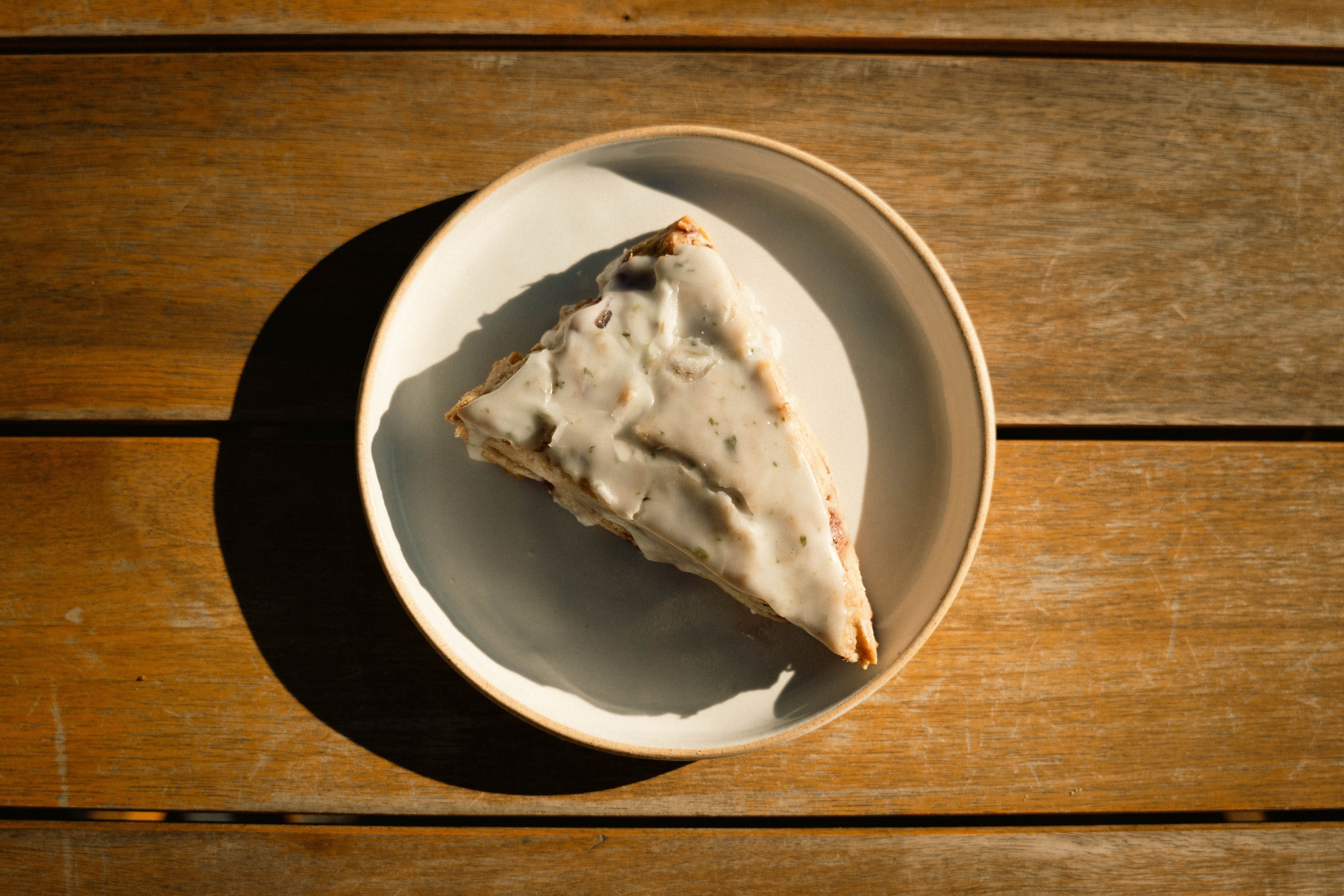
Food trends usually fade when they are too narrow. "Buttery" is different because it is incredibly adaptable. It works in fine dining, convenience retail, home cooking content, and seasonal promotions, which gives it unusual staying power.
It also aligns with current consumer psychology. People are still watching spending, but they continue to seek comfort and reward in small purchases. A buttery scone or buttery pasta special fits that mindset perfectly, offering emotional return without the cost of a full luxury experience.
The most likely outcome is not a peak followed by collapse. Instead, "buttery" will probably remain a durable Canadian food cue, much like "crispy" or "artisan." Its rise may seem odd at first glance, but underneath it is a clear story about appetite, economics, and the powerful appeal of familiar richness.



Leave a Reply