
Chicken thighs are forgiving, flavorful, and usually cheaper than chicken breasts, but they still go wrong in one common way: the outside finishes before the center catches up. The overlooked fix is simple, and it starts before the chicken is cooked at all.
Let the chill come off
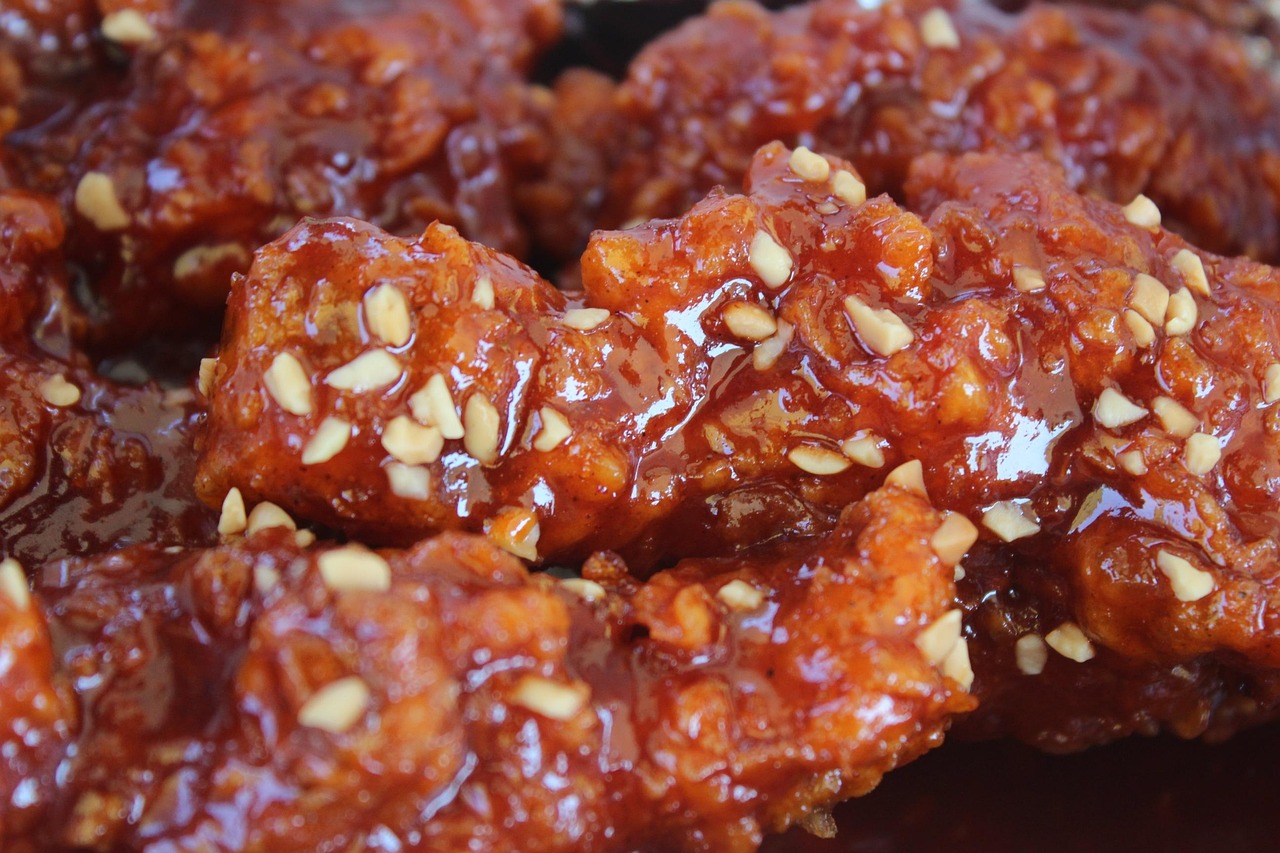
Many home cooks season chicken straight from the refrigerator and cook it immediately. The better move is to let chicken thighs sit at room temperature for about 15 to 20 minutes before they go into a hot pan or oven. That short rest takes the harsh refrigerator chill off the surface and helps the meat cook more evenly.
This is not about leaving poultry out for a long stretch. The USDA says perishable foods should not be left at room temperature for more than 2 hours, or 1 hour if the temperature is above 90 F. A brief rest fits safely inside that window and can reduce the temperature gap between the outer layer and the center.
Dry skin matters more than extra seasoning
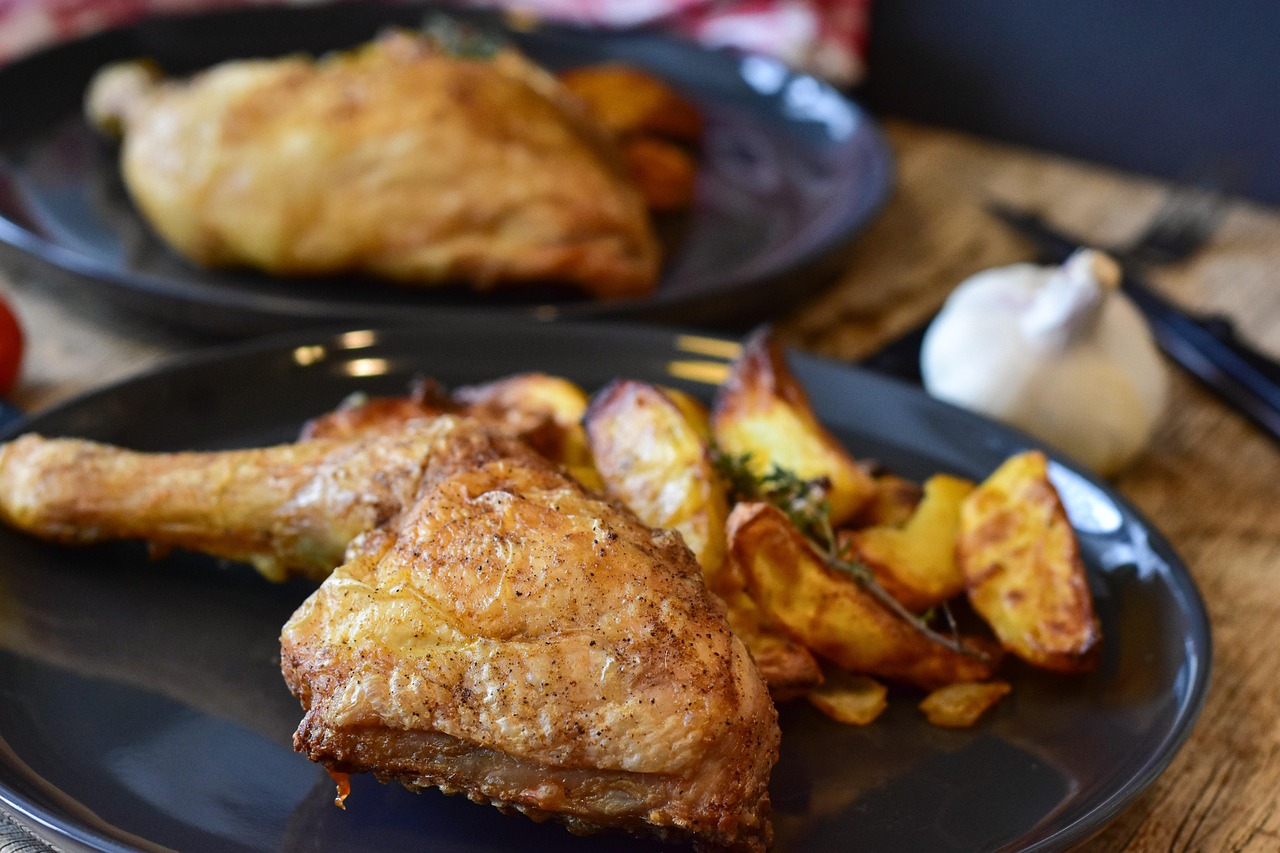
If the thighs are skin-on, moisture is the first enemy of crispness. Patting the chicken dry with paper towels removes surface water that would otherwise turn to steam in the pan. Steam slows browning, and browning is what creates that deep golden color and richer flavor.
This step works especially well when paired with that short room-temperature rest. As the meat sits, the surface dries a bit more naturally, and the skin has a better chance of crisping instead of softening. Salt, pepper, and a little time often do more for texture than a crowded spice blend.
Start skin-side down in a cool pan
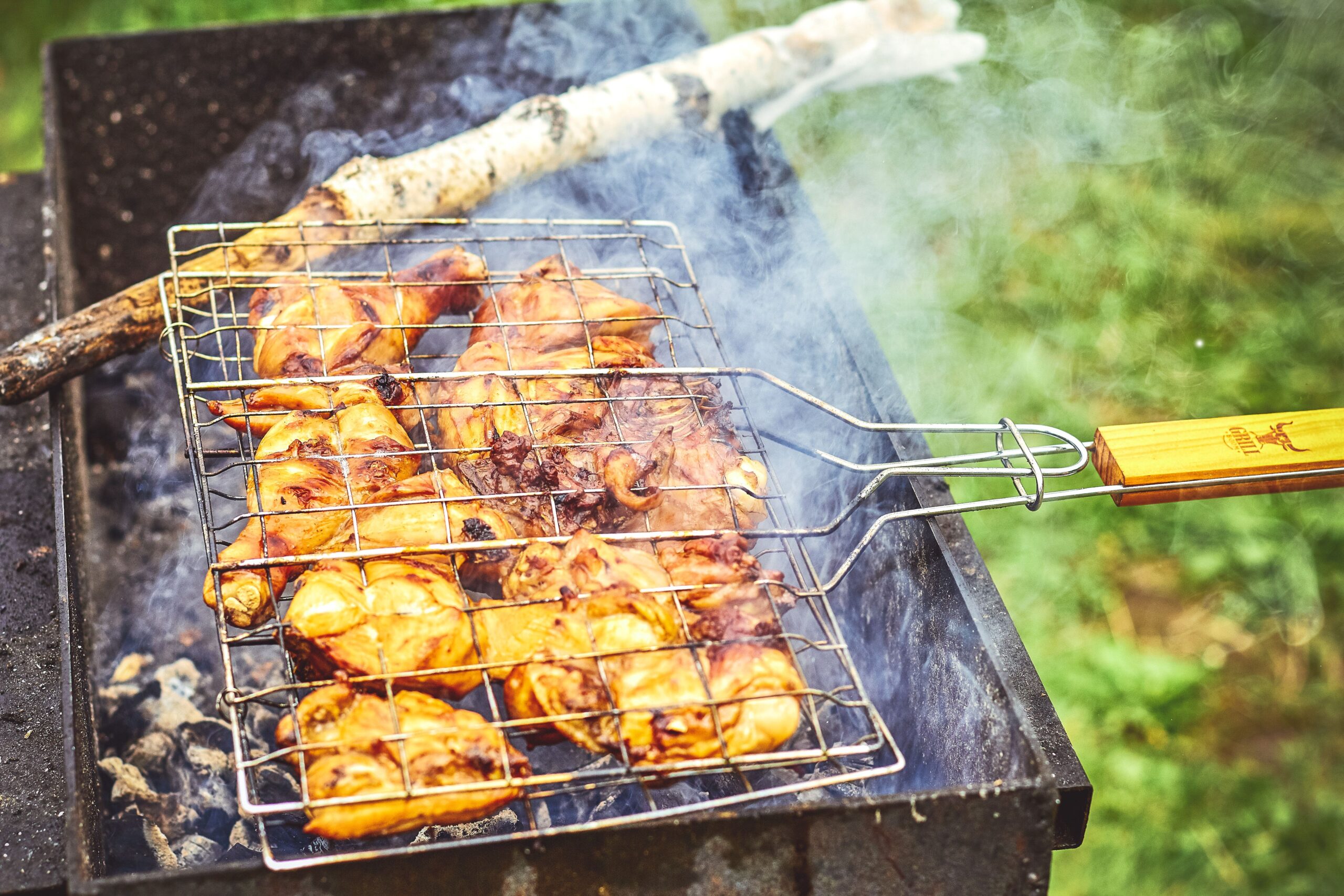
One of the smartest ways to cook skin-on chicken thighs is to begin with them skin-side down in a cold or barely warm skillet, then bring up the heat gradually. As the pan warms, the fat under the skin renders slowly. That means more of it melts out instead of scorching in place.
The result is skin that turns evenly browned and crisp, while the meat stays protected underneath. This method is especially useful with thighs because they contain more fat than chicken breast. A hard blast of heat from the start can tighten the skin too quickly and trap that fat before it has time to render.
Use a thermometer, not guesswork
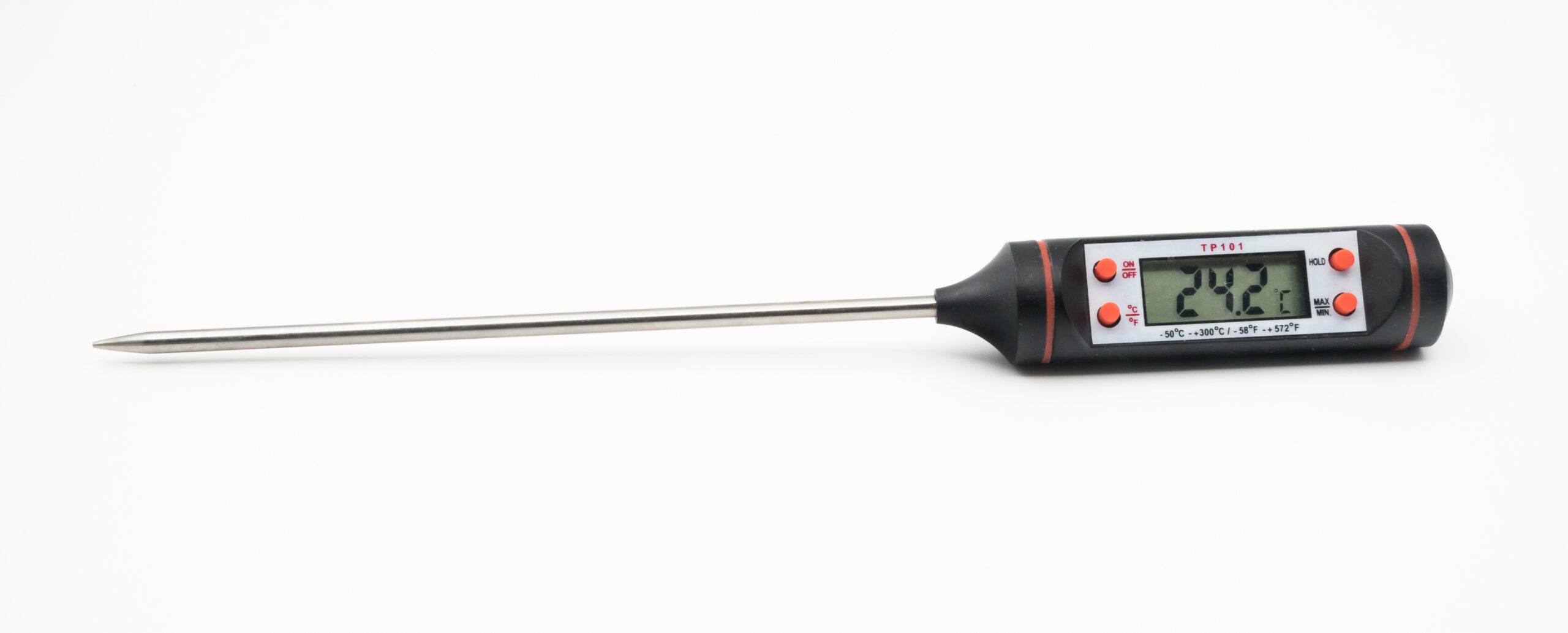
Chicken thighs are often more forgiving than breasts because their extra fat helps them stay juicy. Even so, guessing can still lead to dry meat or undercooked centers. The USDA recommends cooking all poultry to a safe internal temperature of 165 F, measured with a food thermometer.
For thighs, many cooks prefer taking them a bit beyond that point, especially for dark meat texture. Around 175 F to 195 F, the connective tissue softens more fully, which can make the meat feel more tender rather than dry. The key is checking the thickest part without touching bone.
Give the pan space
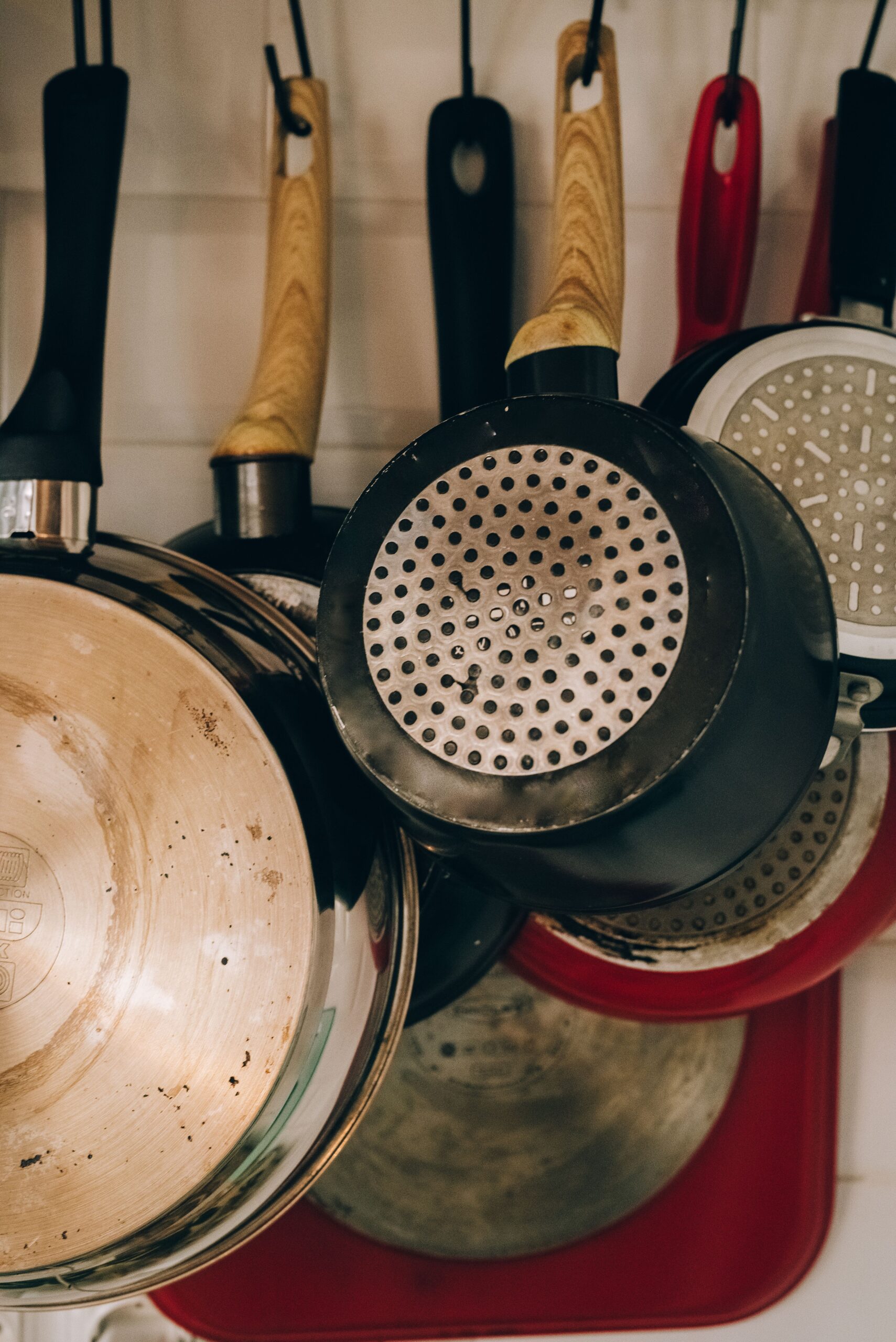
Crowding is another reason chicken thighs disappoint. When too many pieces are packed into one skillet or sheet pan, they release moisture into the same tight space. Instead of roasting or searing, the chicken starts to steam, and that works against browning.
Leaving room between pieces helps hot air circulate in the oven and lets rendered fat escape in a skillet. This matters even more when the chicken has rested briefly before cooking, because that setup gives the surface its best chance to brown quickly. If needed, cook in batches. The color and texture payoff is usually worth the extra few minutes.
Rest after cooking too
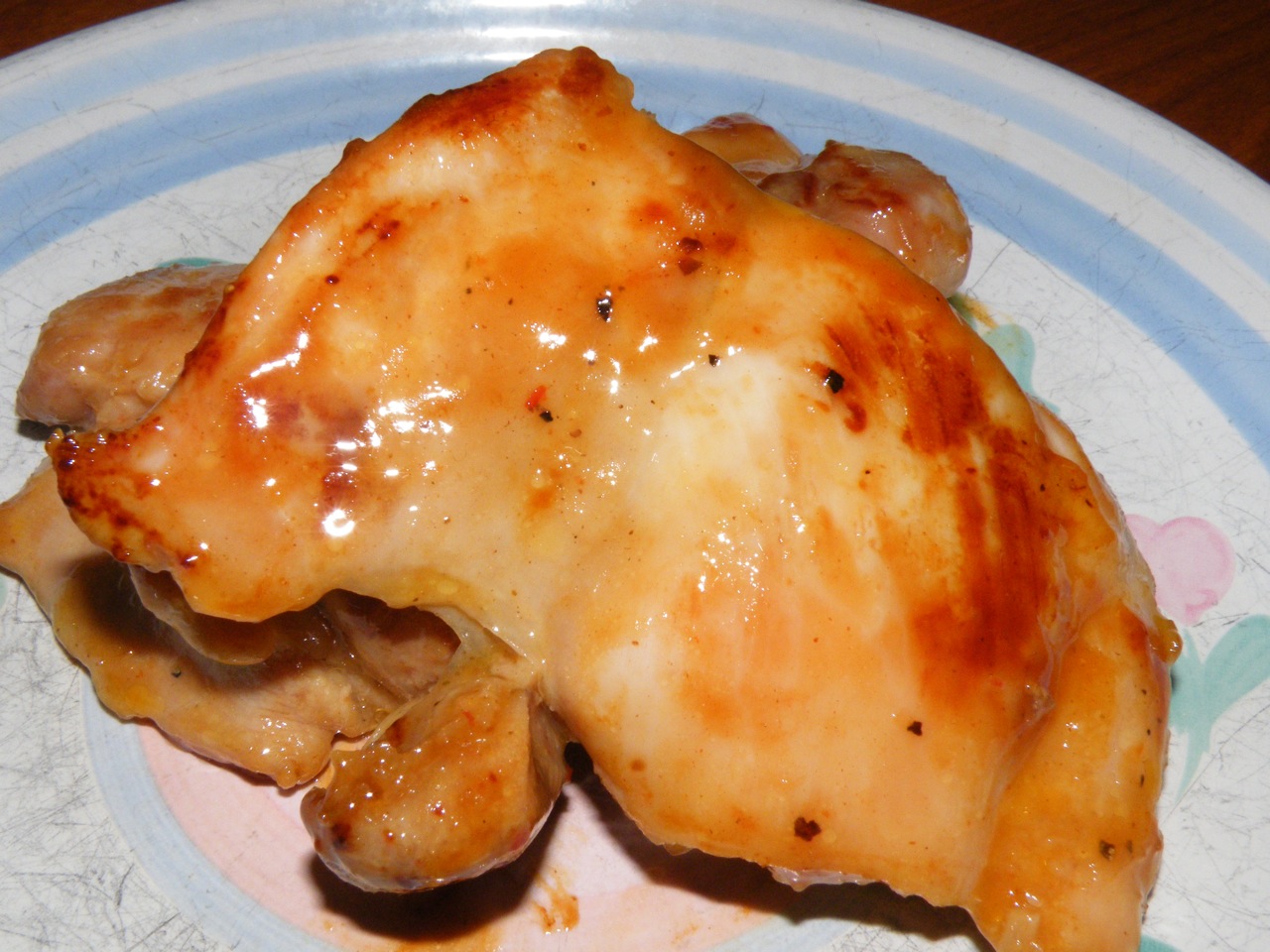
The overlooked hack starts before cooking, but the finish matters too. Once the thighs are done, let them rest for a few minutes before serving. Resting allows the juices to redistribute through the meat instead of spilling out immediately onto the plate or cutting board.
That final pause pairs with the earlier room-temperature rest to create a better result from both ends of the process. One helps the meat cook more evenly, and the other helps it stay juicy after cooking. Put together, those small pauses turn chicken thighs from merely easy into reliably excellent.



Leave a Reply