
A good watermelon can make a whole meal feel like summer. A bad one can leave you with a pale, watery disappointment.
The rule I now use first every time
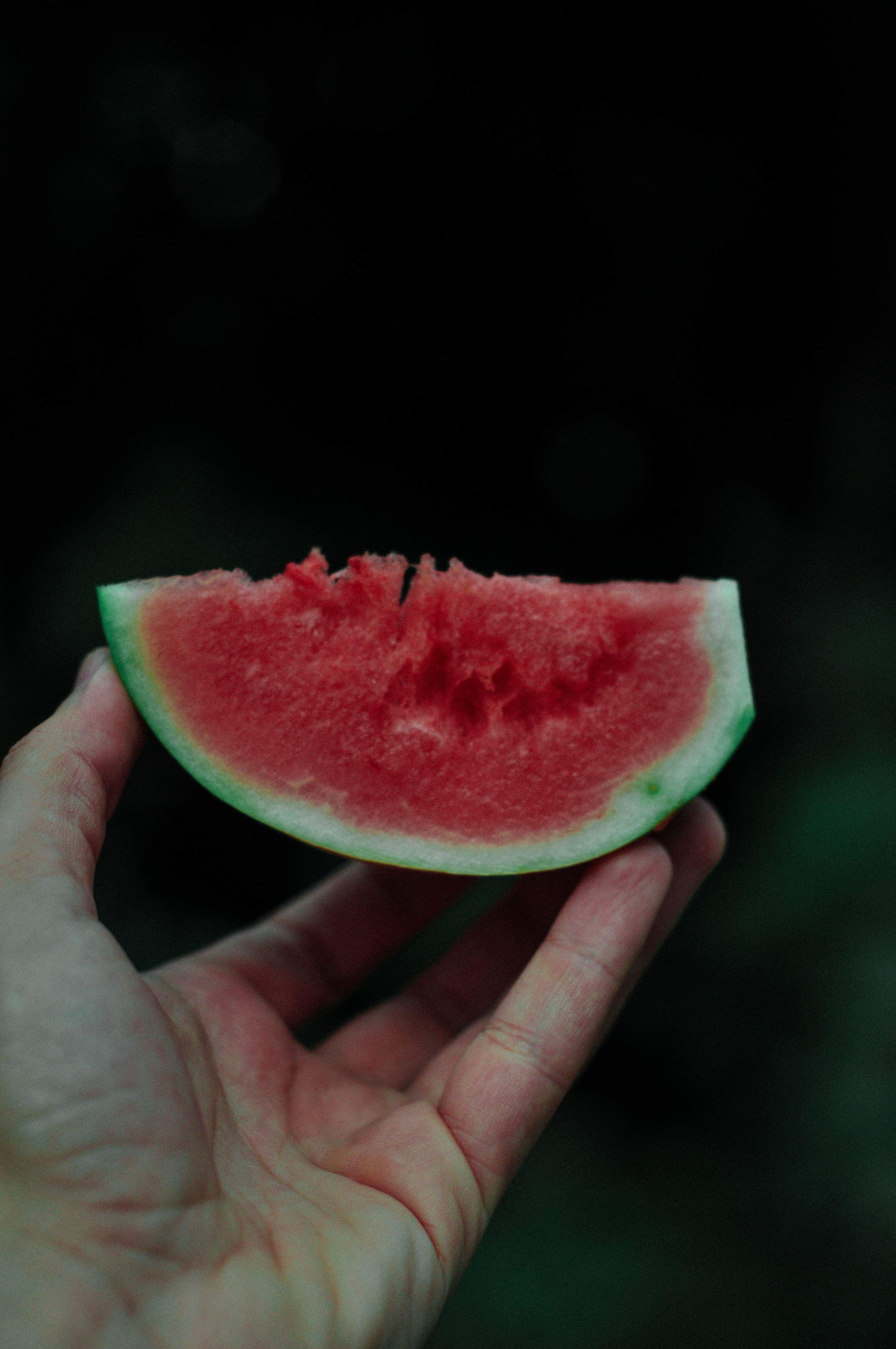
The rule that changed everything for me is simple: look for the field spot before anything else. That patch is the area where the melon rested on the ground while ripening, and when it is a rich creamy yellow rather than white or faint green, it usually signals that the fruit had enough time to mature on the vine.
Farmers and produce buyers often treat that spot as a practical visual clue, not folklore. A deep golden or buttery patch suggests longer vine time, which generally means better sugar development and fuller flavor. A watermelon picked too early can still look tidy and green outside, but its field spot often gives away its lack of maturity.
This is not magic, and it is not the only sign worth checking. It is simply the fastest filter I know because it helps eliminate under-ripe melons before I waste time tapping, lifting, or second-guessing every one in the bin.
Why the field spot matters more than most people think

Ripening on the vine is what builds sweetness, color, and texture. Unlike some fruits, watermelons do not continue improving in sugar after harvest in any meaningful way, so the decision about when they are picked matters enormously.
That is why the field spot deserves so much attention. If the melon lay in the sun and on the soil long enough, the spot deepens from pale to creamy yellow. If that mark is barely there, sharply white, or looks undeveloped, it can indicate the fruit was harvested before reaching its best eating stage.
There are exceptions, because variety, region, and growing conditions all influence appearance. Still, when shoppers want one rule that meaningfully improves the odds, this one stands above the rest because it is visible, immediate, and tied directly to time on the vine.
The other signs I use to confirm the choice
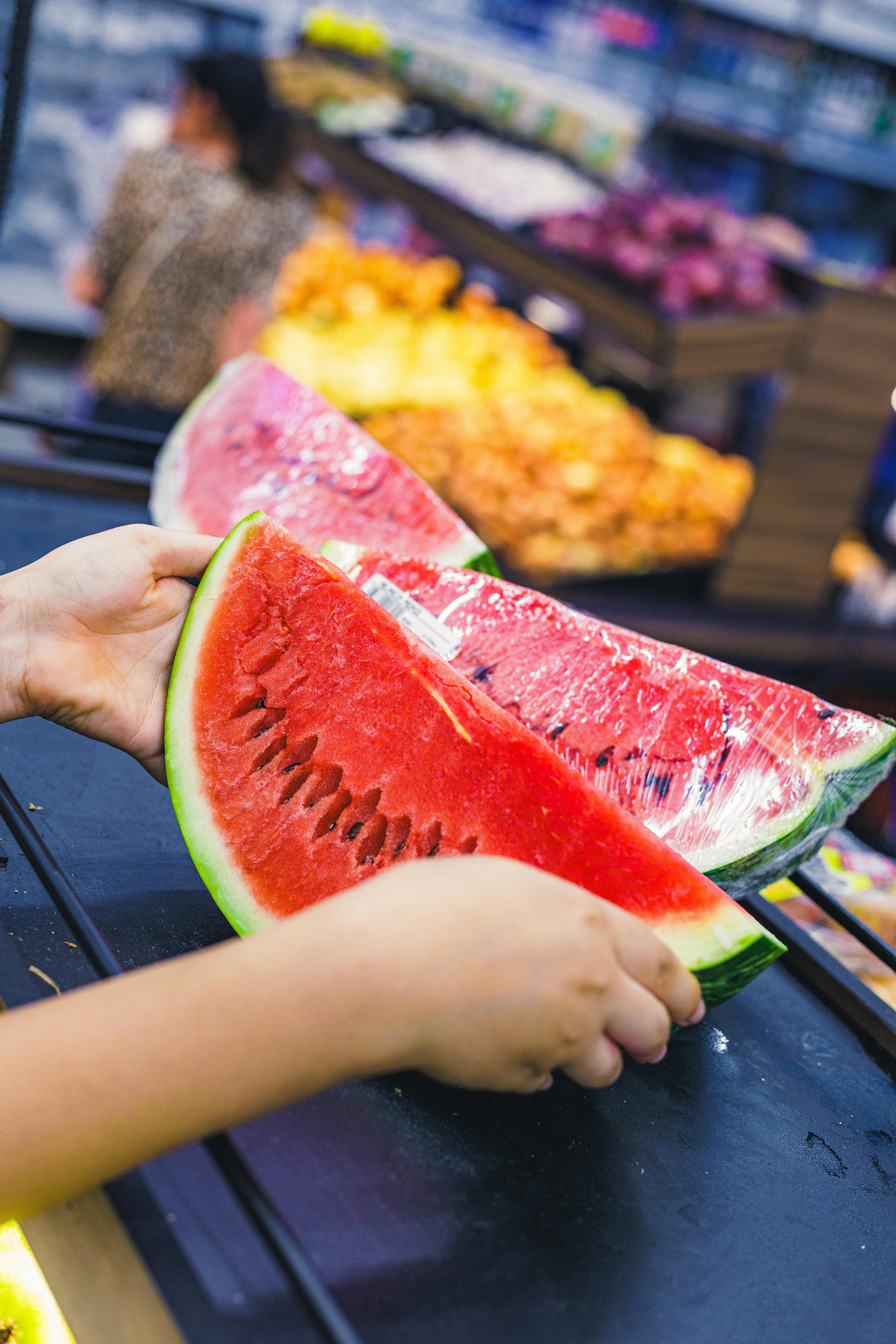
Once a watermelon passes the field spot test, I move to shape and weight. I prefer melons that are symmetrical, without odd dents, flat sides, or lumpy bulges, because uneven growth can sometimes reflect inconsistent development inside.
Then I pick it up. A ripe watermelon should feel heavy for its size, which usually means it is full of water and dense flesh rather than airy or mealy interior spaces. This is one of the oldest produce tricks because weight gives a quick sense of what is happening beneath the rind.
I also listen when I tap it, but I treat sound as a supporting clue, not the main rule. A ripe melon often gives a deeper, more resonant hollow sound, while an under-ripe one can sound tighter and higher. In a noisy store, though, that test is far less reliable than people think.
Common myths that lead shoppers in the wrong direction

One of the biggest myths is that darker green always means sweeter fruit. Rind color varies widely by cultivar, and a beautiful exterior does not guarantee ripe flesh. Some excellent melons look modest and some impressive-looking ones are bland.
Another myth is that webbing automatically means superior sweetness. Those brown rough lines can be associated with pollination and growth patterns, and some shoppers swear by them, but they are not a universal quality stamp. They are useful only as a minor clue, never a final verdict.
People also overvalue the dried stem test. In many retail settings, stems are trimmed, damaged in transport, or visually misleading after storage. If I had to choose between a dry stem and a creamy field spot, I would trust the field spot every time.
How this rule works in real shopping situations
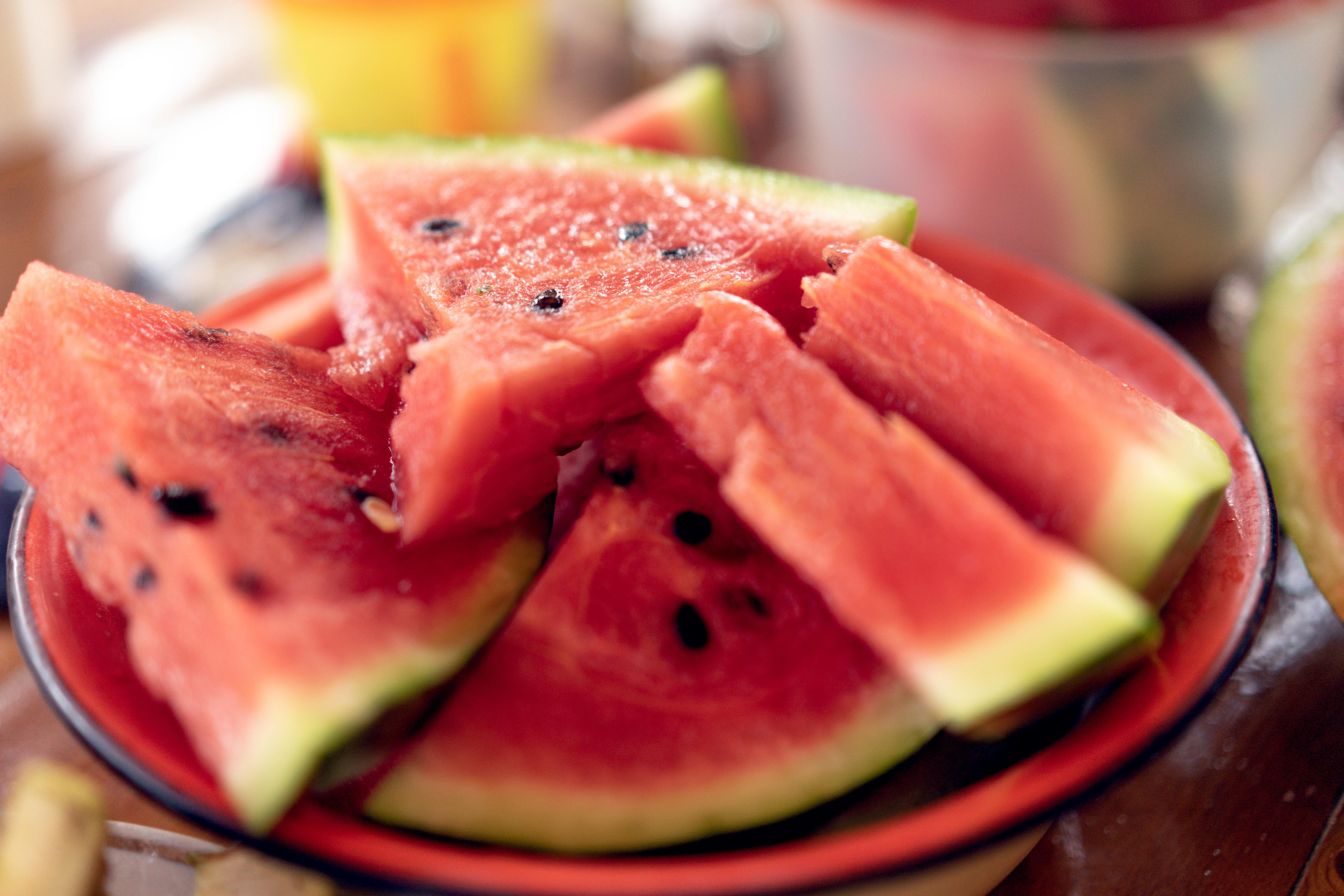
At a farmers market, the field spot is especially useful because you can often compare melons from the same harvest side by side. If one has a deep creamy patch and another has a pale one, the better candidate is usually obvious before you even pick it up.
In a supermarket, where fruit may have traveled farther and been stacked for display, I use the same rule but become stricter about weight and symmetry. Shipping can scuff the rind and make surface details look confusing, so I focus on the clues least affected by handling.
The rule is also helpful when buying cut-price melons in peak summer. Stores move huge volumes quickly, and shoppers often rush. Starting with the field spot saves time, narrows the pile fast, and reduces the odds of coming home with a melon that tastes flat.
The easiest way to remember it forever

If you remember only one thing, make it this: creamy yellow first, then heavy, even, and hollow. That order matters because it keeps you from being distracted by less reliable details like shine, stripe drama, or random internet tricks.
After using this method repeatedly, I noticed my hit rate improved dramatically. I stopped relying on guesswork and started choosing with a clear sequence grounded in how melons actually ripen. The process feels simple, but it reflects what growers and experienced produce handlers have known for years.
No method can promise perfection every single time, because weather, variety, and storage all affect the final result. But if you want one rule that genuinely changes how you shop, the field spot is the one that has earned my trust permanently.




Leave a Reply