
Meal prepping did not appear out of nowhere. It grew from older habits like batch cooking, packed lunches and planned shopping, then took on new meaning as work schedules, health goals and digital culture changed.
Batch cooking before the hashtag
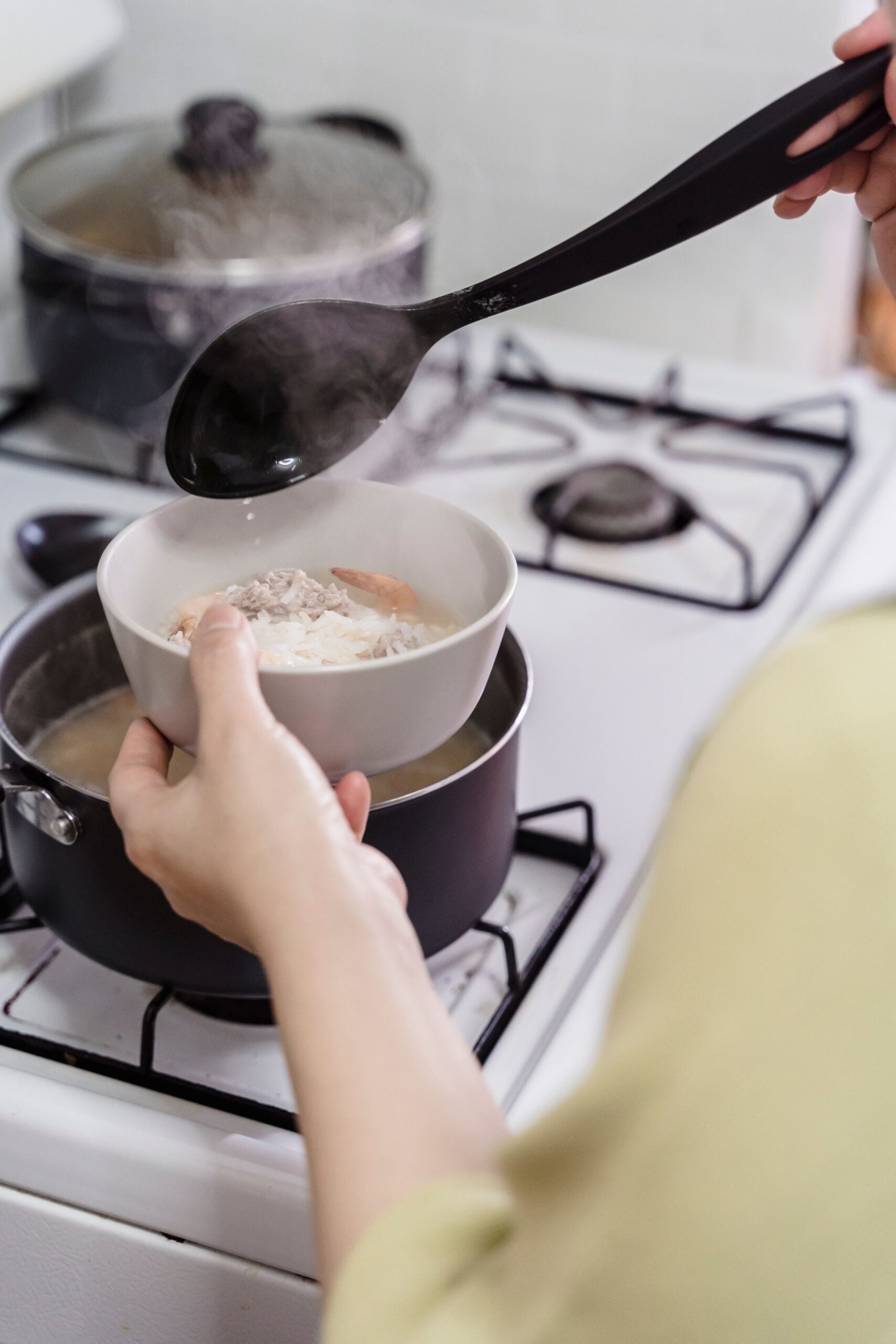
Long before meal prep filled social feeds, home cooks were already making food ahead to save time and stretch ingredients. Soups, stews, casseroles and cooked grains have long been practical answers to busy weeks, especially in households where cooking from scratch had to fit around work and caregiving.
What changed later was not the basic idea, but the language and visibility around it. A familiar routine got a modern label, a visual style and a place in online culture. That helped turn a private kitchen habit into a recognizable public practice, one that now signals efficiency, planning and a certain kind of self-management.
The container became the symbol
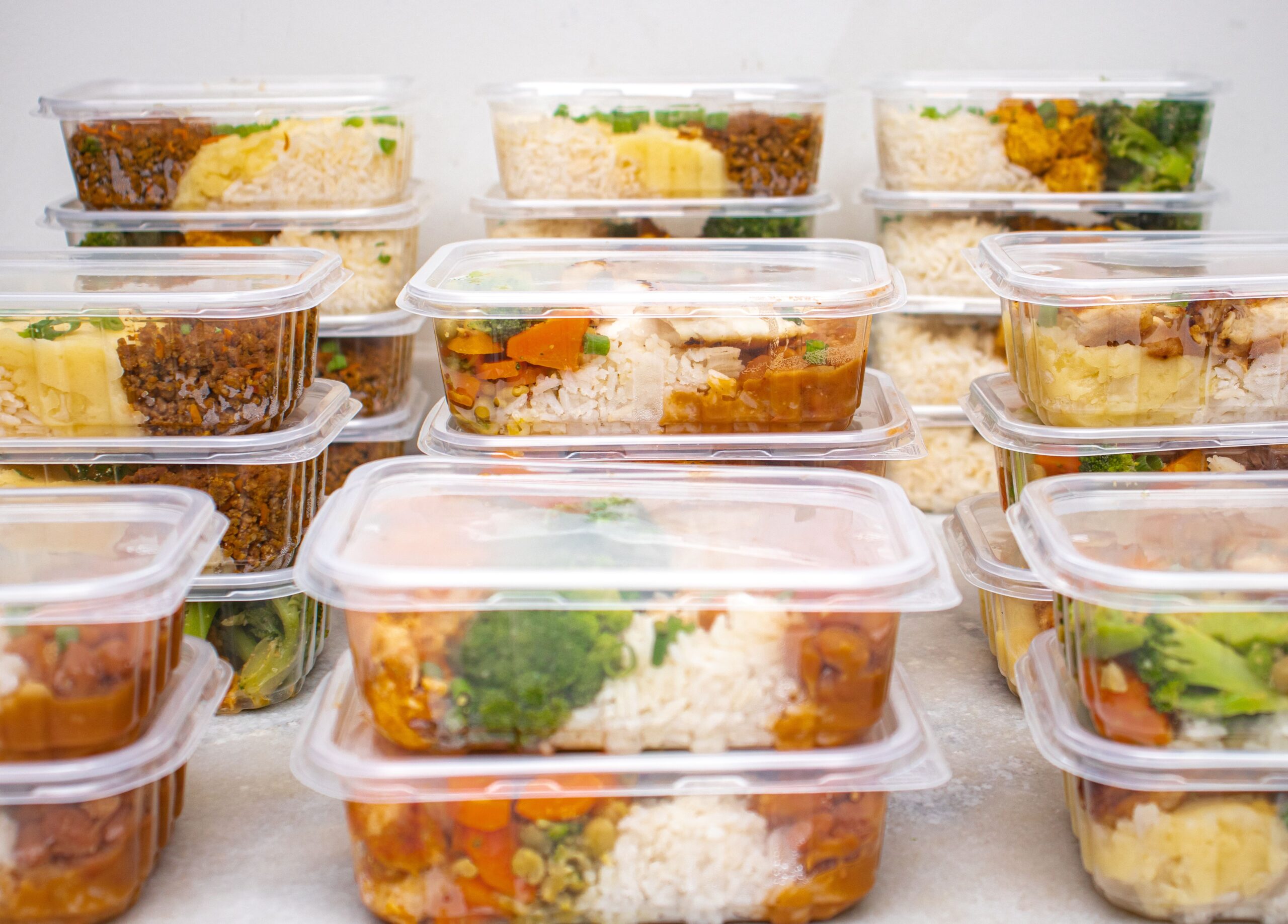
One image helped define modern meal prepping: rows of matching containers filled with proteins, grains and vegetables. The container did more than hold food. It made planning visible, portable and easy to repeat, which suited people trying to manage workdays, commutes and limited time for cooking.
This look also fit the logic of contemporary life. A ready-made lunch could reduce impulse spending, shorten decision-making and create a sense of control in a crowded schedule. The appeal was practical, but also psychological. Seeing several meals lined up in the fridge suggested that at least one part of the week had already been handled.
Fitness culture gave it new momentum
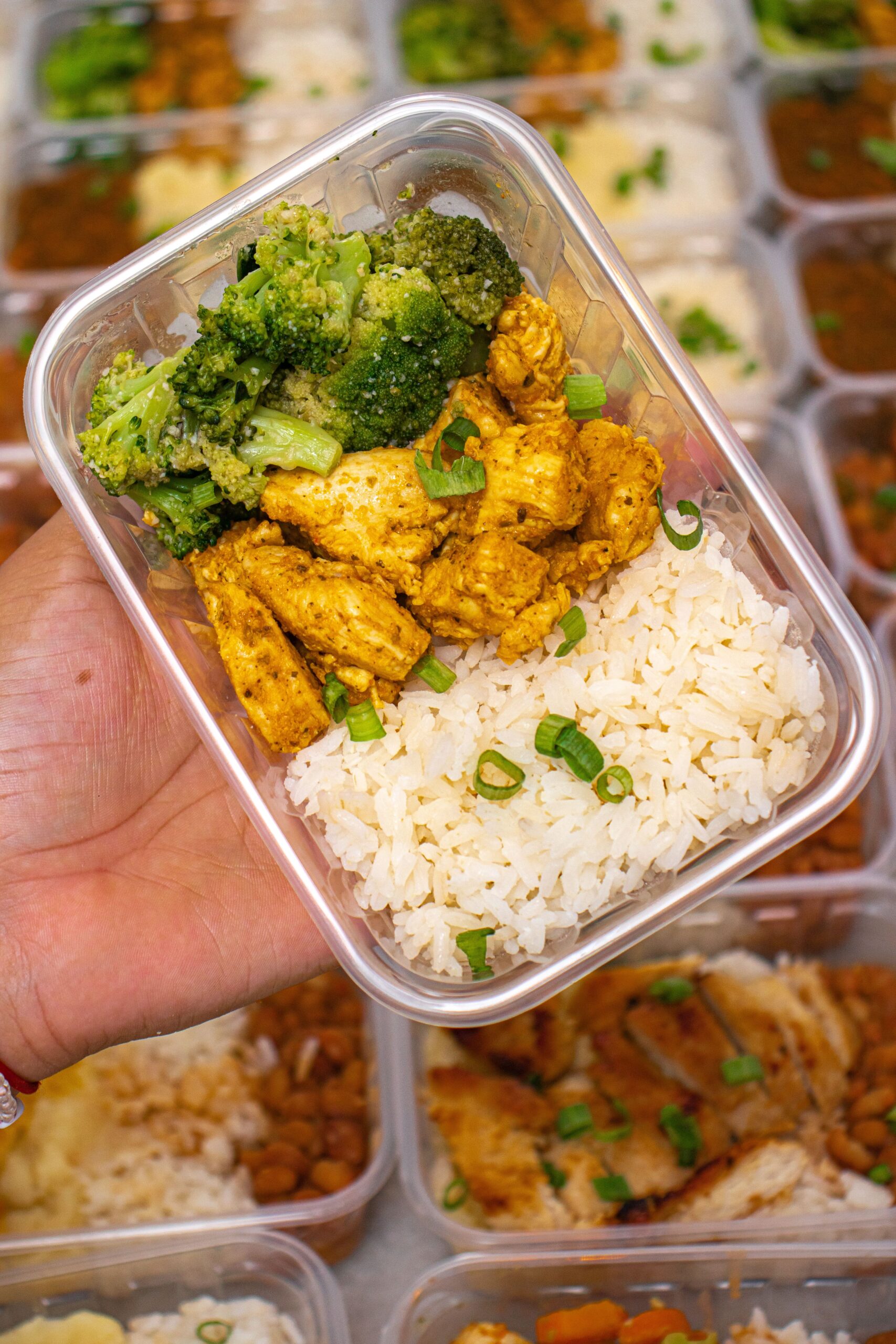
Meal prepping gained extra force when it merged with gym culture and nutrition tracking. For many people, pre-portioned meals became a way to support goals related to protein intake, calorie control or more consistent eating. The habit moved from general organization into the language of performance and measurable results.
That shift broadened the audience. Some people prepped to build muscle, others to avoid takeout or eat more vegetables, and many did both at once. The meals themselves often looked simple, even repetitive, because repeatability was part of the point. Predictable portions made everyday eating easier to manage in the middle of a packed week.
Social media turned routine into aspiration
Platforms built around photos and short videos helped meal prepping spread far beyond fitness circles. A Sunday cooking session could be edited into a satisfying visual sequence: chopping, roasting, portioning and stacking. The process looked orderly and calm, which made it especially attractive during times when daily life felt rushed or fragmented.
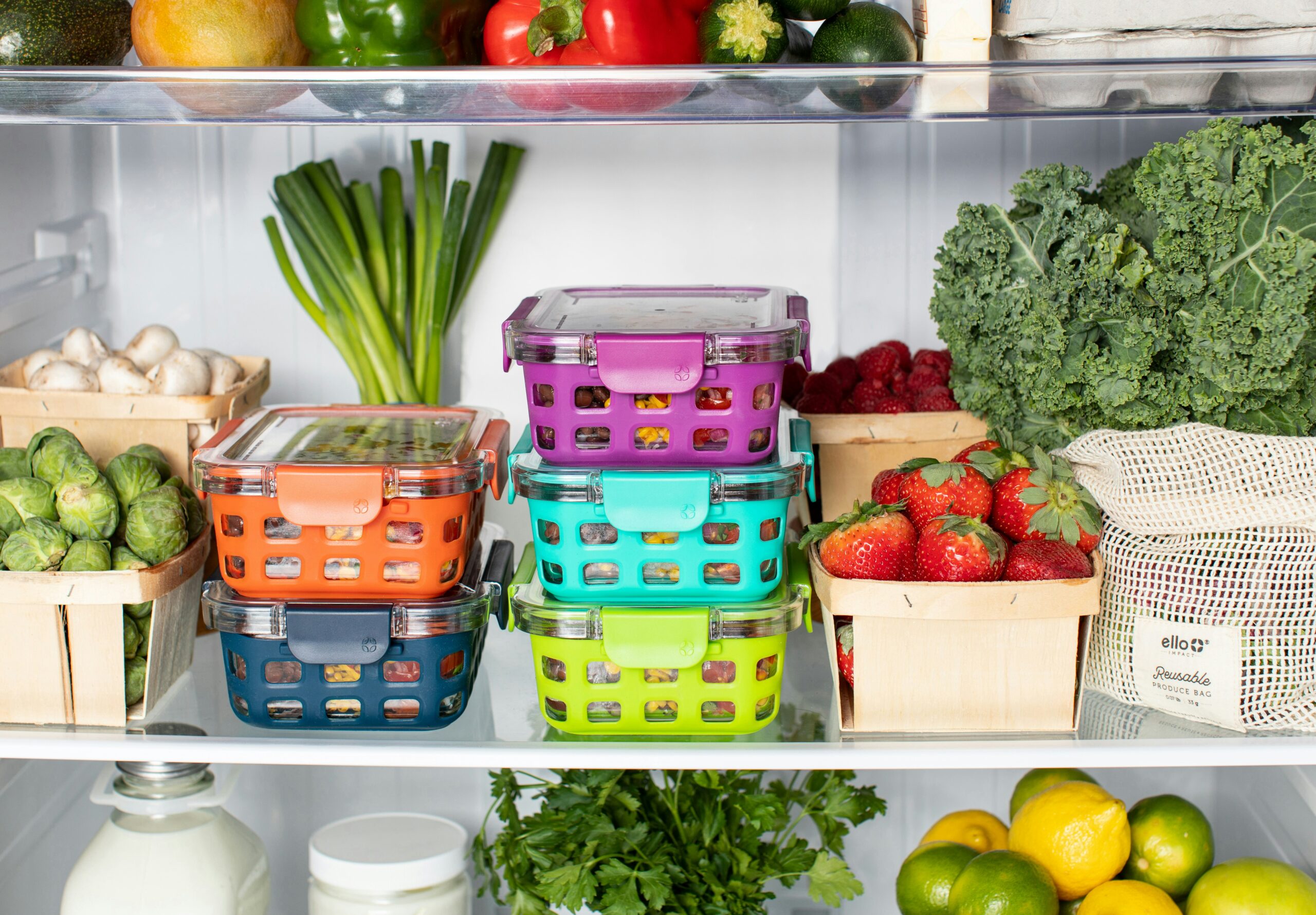
Social media also changed expectations. Prepping was no longer just about making food in advance. It became tied to aesthetics, productivity and personal identity. Glass containers, color-coded ingredients and neat refrigerator shelves suggested discipline and intention. In that form, meal prep came to represent not only thrift and convenience, but a polished version of adult competence.
Inflation and time pressure kept it relevant
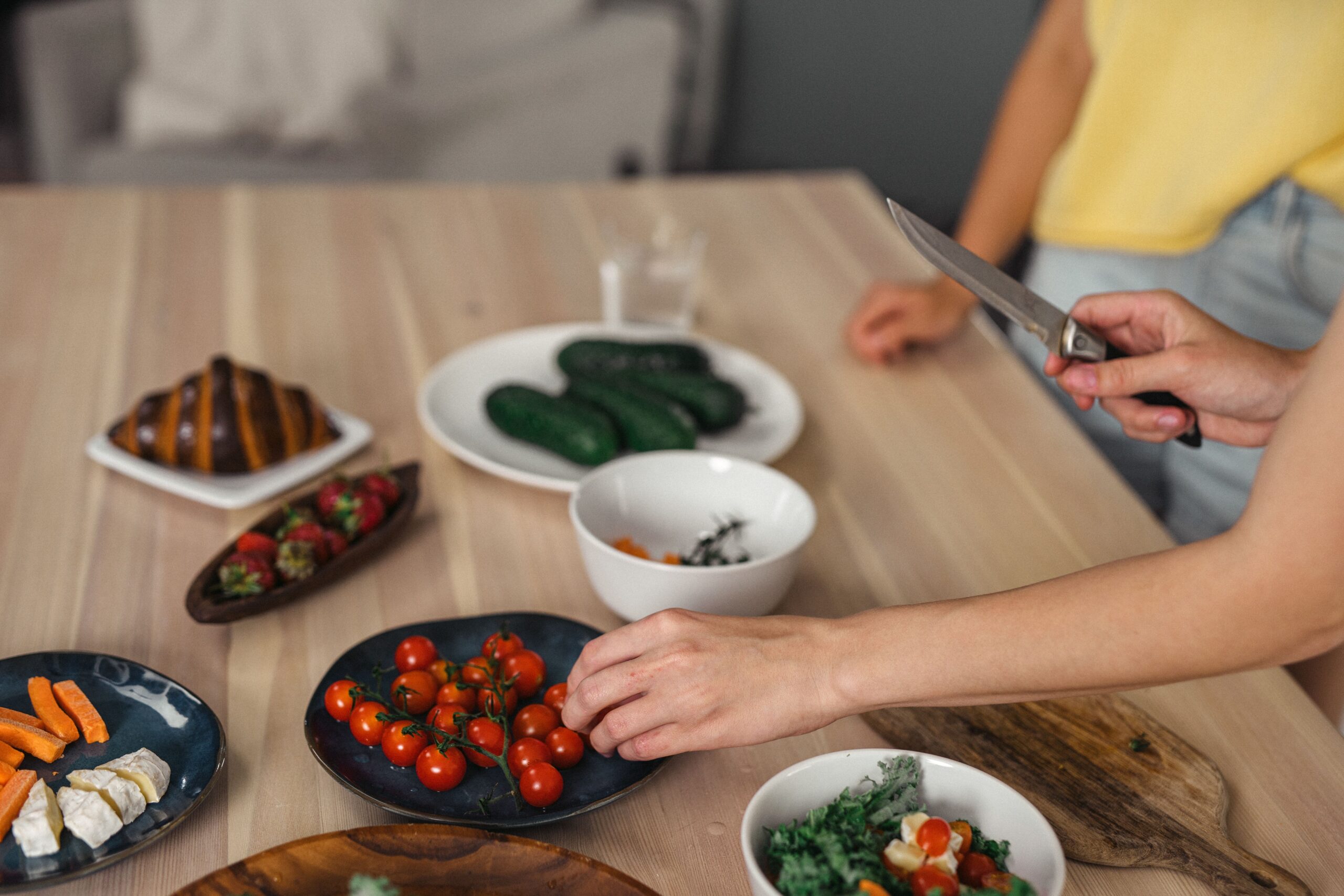
Recent economic pressure gave meal prepping another push. When restaurant meals and grocery bills rose, planning ahead became one way to use ingredients more carefully and waste less. Cooking several meals at once can also reduce repeat effort, which matters to people balancing long hours, family demands and limited energy at the end of the day.
Its staying power comes from that overlap between money and time. Meal prepping is not only about ideal habits. It is often a response to constraint. The practice works because it helps people convert one larger block of effort into several easier weekdays, and that exchange feels valuable in a culture where both attention and free time are scarce.
What meal prepping says about life now
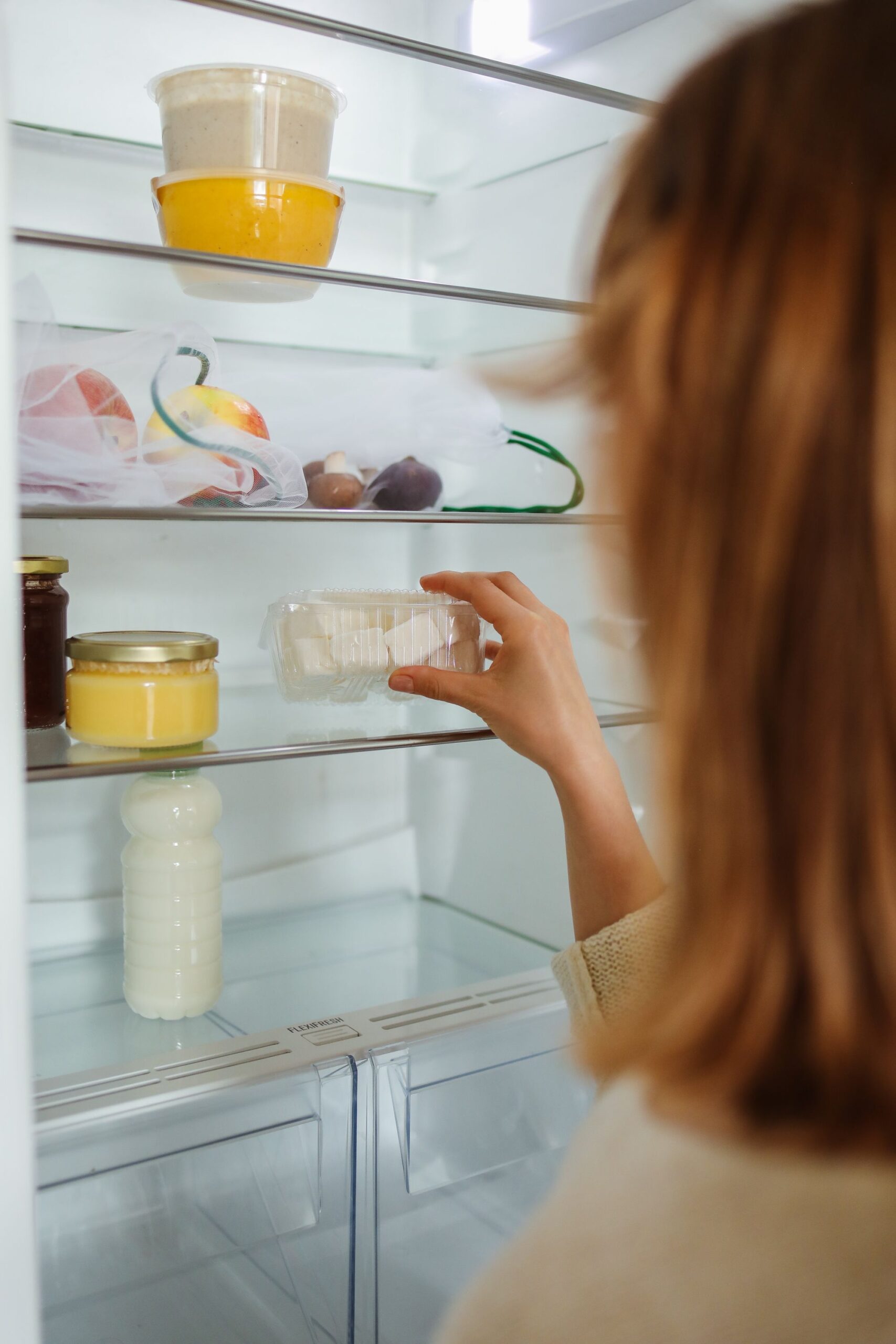
The rise of meal prepping points to a broader truth about modern life: many people are trying to create stability inside unpredictable routines. Preparing food ahead offers a small, concrete form of control. It can support health goals, protect a budget and lower the stress of deciding what to eat when the day is already full.
At the same time, meal prepping reflects the pressure to optimize ordinary life. Food is no longer only nourishment or pleasure. It is often part of a larger system of planning, tracking and self-improvement. That tension helps explain its staying power. Meal prep succeeds because it is both deeply practical and perfectly suited to the values of the present moment.

Leave a Reply