
Canada's restaurant business is entering 2026 with two pressures at once: diners want stronger value, and they still want meals that feel worth leaving home for. The concepts gaining traction are the ones that pair practical choices, like convenience and portion control, with a clear point of view.
Theme restaurants
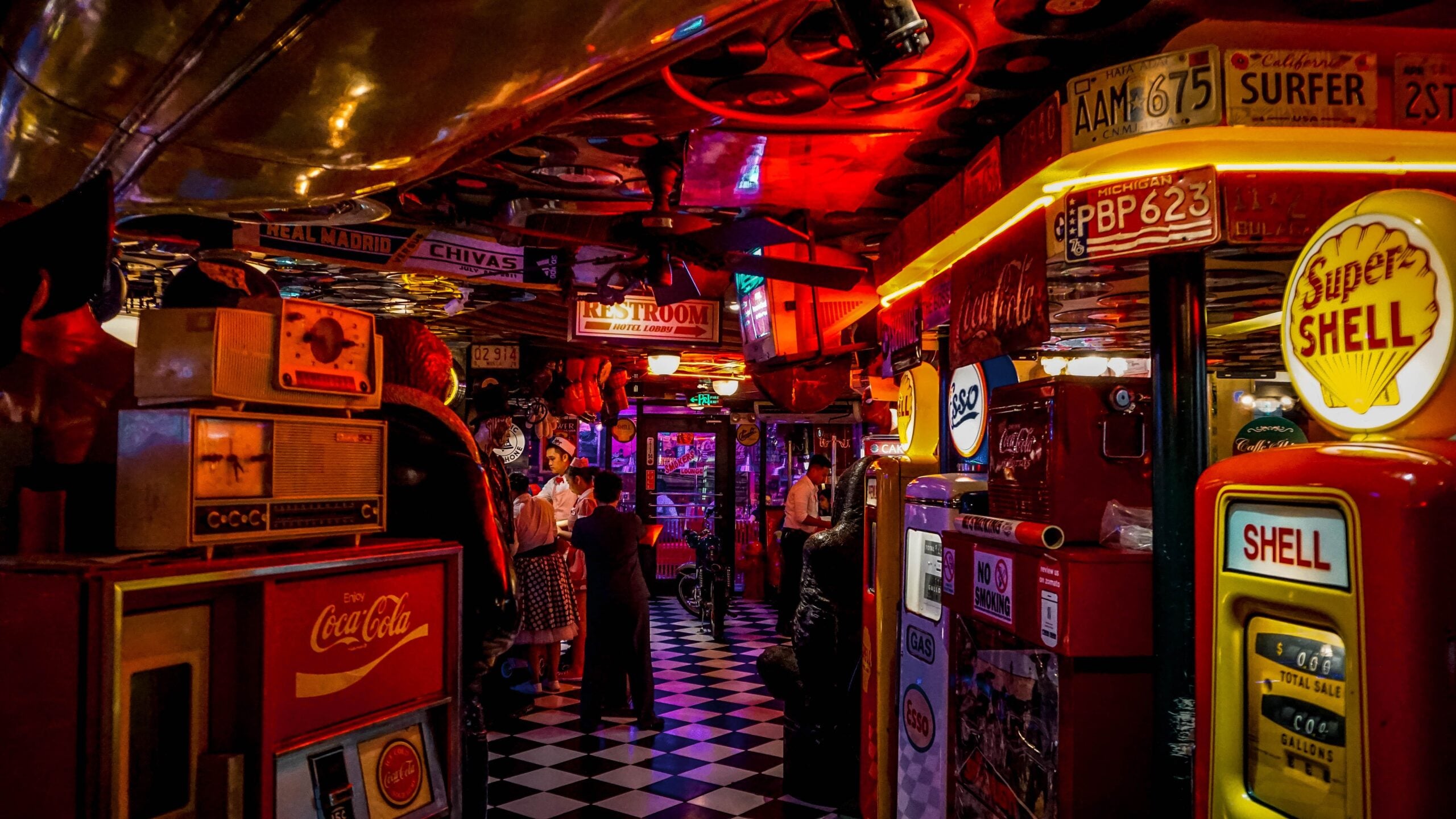
The biggest attention grabber in 2026 is not a single dish but the room itself. Search interest highlighted in the Accio trend roundup shows "theme restaurants" as the standout concept, with a January 2026 peak of 78 and another notable peak of 61 in August 2025.
That matters because consumers are still spending selectively. When they do go out, many want more than a standard dinner. Younger diners, especially Gen Z, are treating sit-down meals as social time, which gives immersive dining a real advantage.
In Canada, that points to places built around a complete visual identity, interactive service or entertainment that can anchor a night out. The food still has to deliver, but the concept starts before the first bite.
Value-forward casual dining

Low prices alone are not defining the next wave. The stronger concept is value-forward casual dining, where guests feel they are getting quality, consistency and a reason to return, even as budgets stay tight.
The Accio summary notes four consecutive months of comparable sales and traffic declines as of November 2025, based on Black Box Intelligence data. It also says only about one-third of tracked brands posted positive comparable sales, which helps explain why restaurants are rethinking what value really means.
For Canadian operators, that could mean tighter menus, dependable service and shareable plates that stretch a table's order. Value is increasingly about avoiding disappointment, not just shaving a few dollars off the bill.
Protein-forward, smaller plates
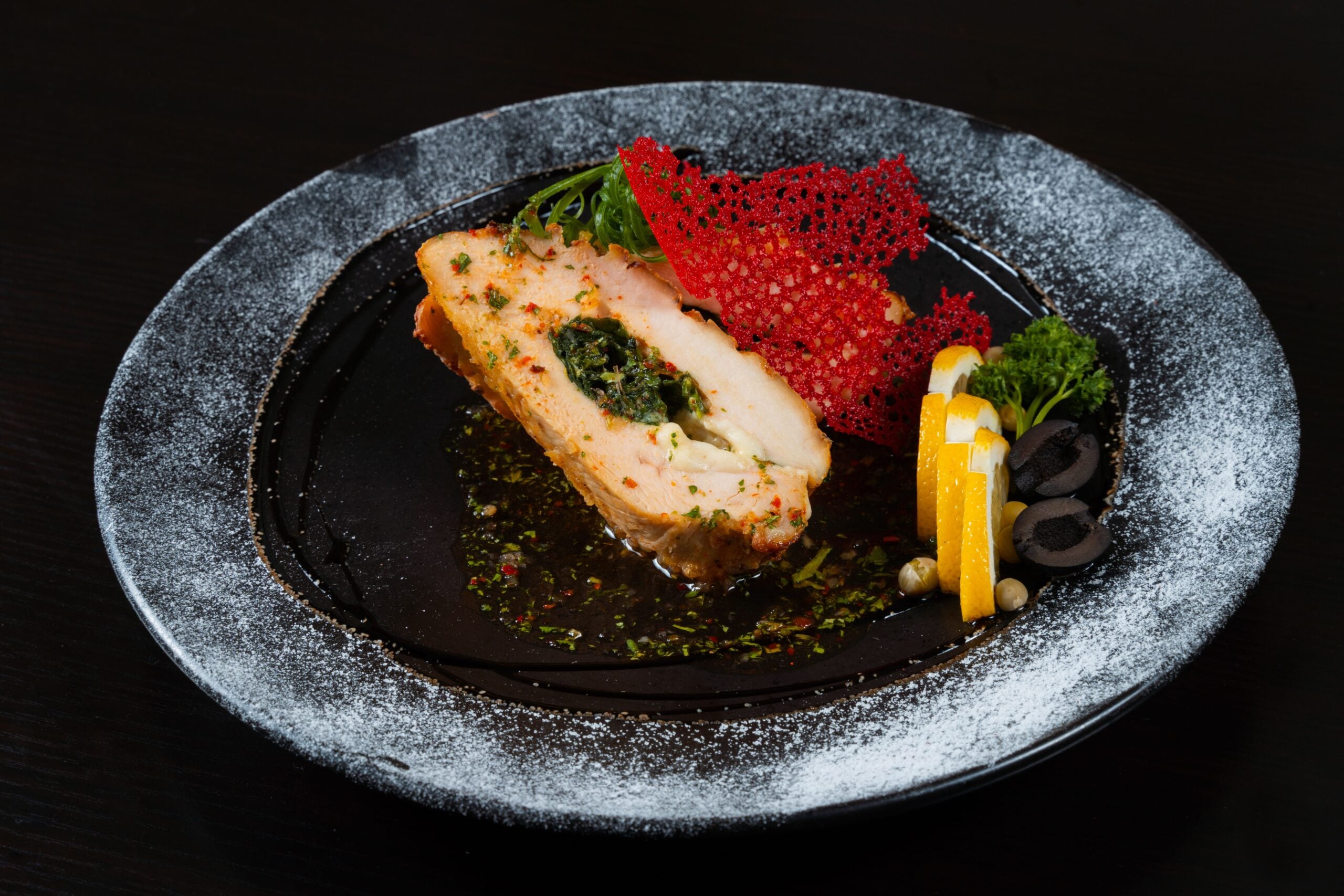
Health is shaping menus in a more specific way than the old salad-first playbook. Diners are looking for protein, fiber and portions that feel manageable, a shift the source links partly to the impact of GLP-1 weight-loss drugs.
That creates room for restaurants built around bowls, snack plates and smaller mains with clear nutritional logic. The appeal is not austere eating. It is a sense that a meal can feel satisfying without feeling excessive.
This concept fits Canada's urban lunch and early dinner habits especially well. It also helps with cost control, since smaller portions and focused menus can reduce waste while still meeting the demand for perceived quality.
Swavory dessert bars
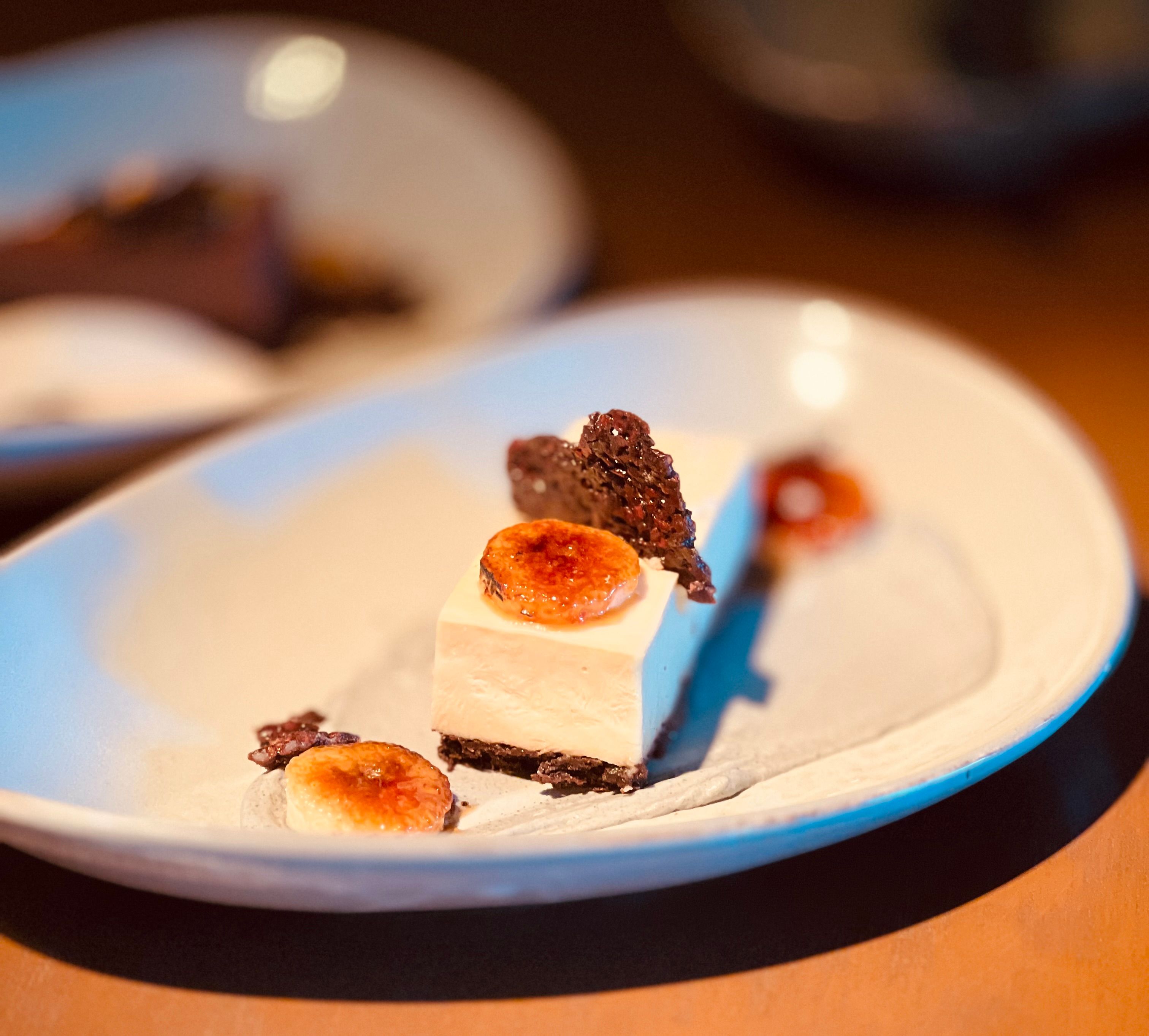
One of the more distinctive menu ideas for 2026 is "swavory," the sweet-and-savory crossover identified in the source. Examples include miso caramel and tahini soft serve, flavors that turn familiar treats into something more layered.
This works well as a photographable concept because the visual is simple and the payoff is easy to understand. A scoop of soft serve or a plated dessert can communicate the idea instantly, then surprise people with the flavor combination.
For Canada's dining scene, swavory bars and dessert-led counters could become useful add-ons inside larger restaurants or stand-alone shops. They offer novelty without requiring a full reinvention of how people dine out.
Tech-powered convenience restaurants
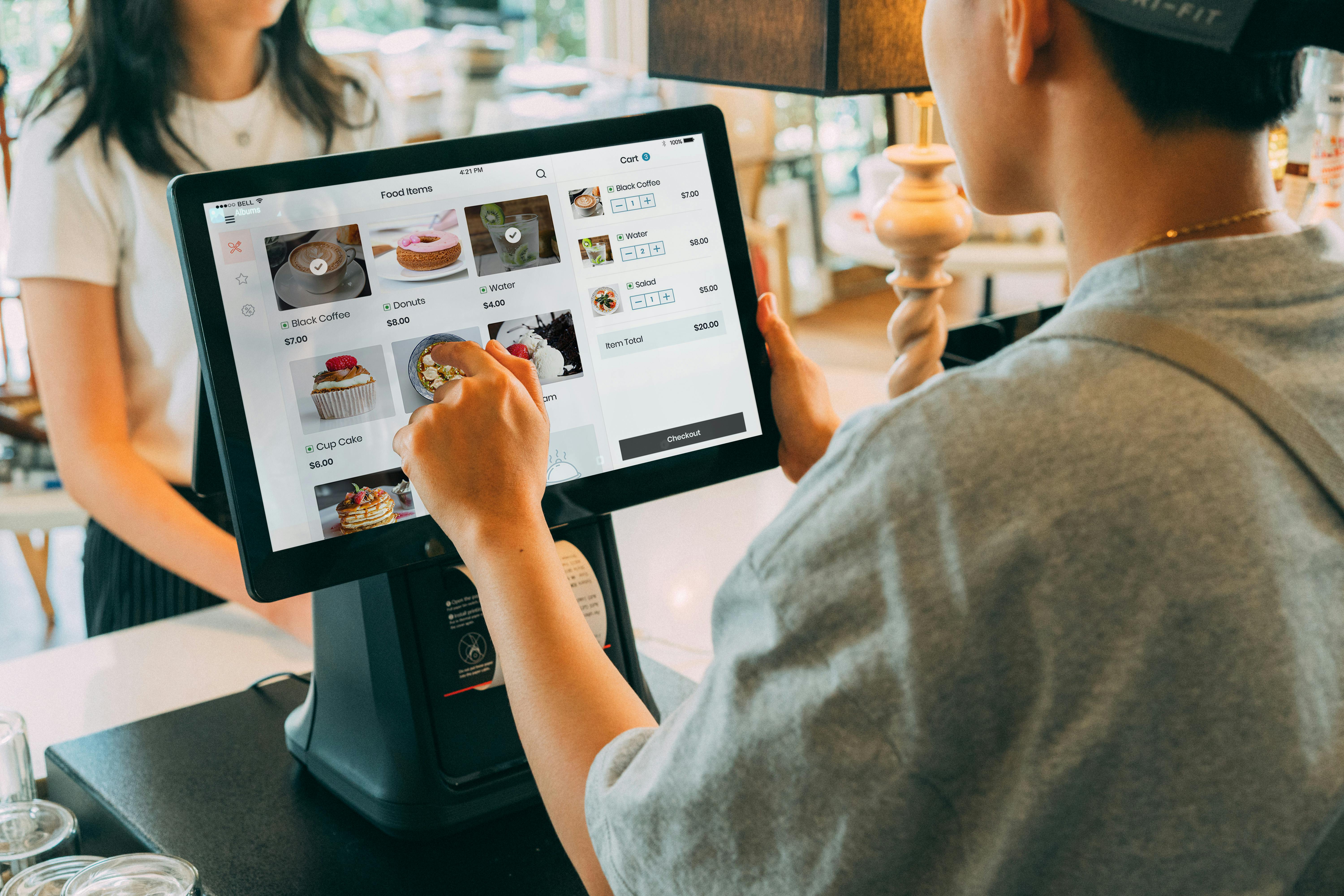
Technology is no longer the headline by itself. In 2026, its value is practical. The source says digital ordering, delivery platforms and loyalty apps are now fully embedded, while AI is being used for demand forecasting, pricing optimization and menu design.
That supports a restaurant concept where the guest experience feels smooth from start to finish. Ordering is simple, pickup is predictable and offers feel more personal, but the dining room does not have to become cold or automated.
In Canada, where labor pressures remain a factor, this model can also support consistency. Better forecasting and training tools help restaurants operate with fewer surprises, which matters when staffing is difficult and service standards still need to hold.
Late-night limited service

The daypart with the clearest momentum is late night. According to the Accio source, late-night dining in limited-service restaurants has posted sales growth of more than 10% annually since 2021, outperforming other dayparts.
That shifts attention away from breakfast, which the same source says is now lagging behind all other dayparts in spending growth. Restaurants that stay open later, simplify execution and lean into convenience have a clearer lane for expansion.
For Canada, this concept fits dense downtowns, university areas and neighborhoods with active evening traffic. It is a practical close to the 2026 picture: not every winning idea is flashy, but the best ones meet diners exactly when they want to eat.



Leave a Reply